Dracula
1897
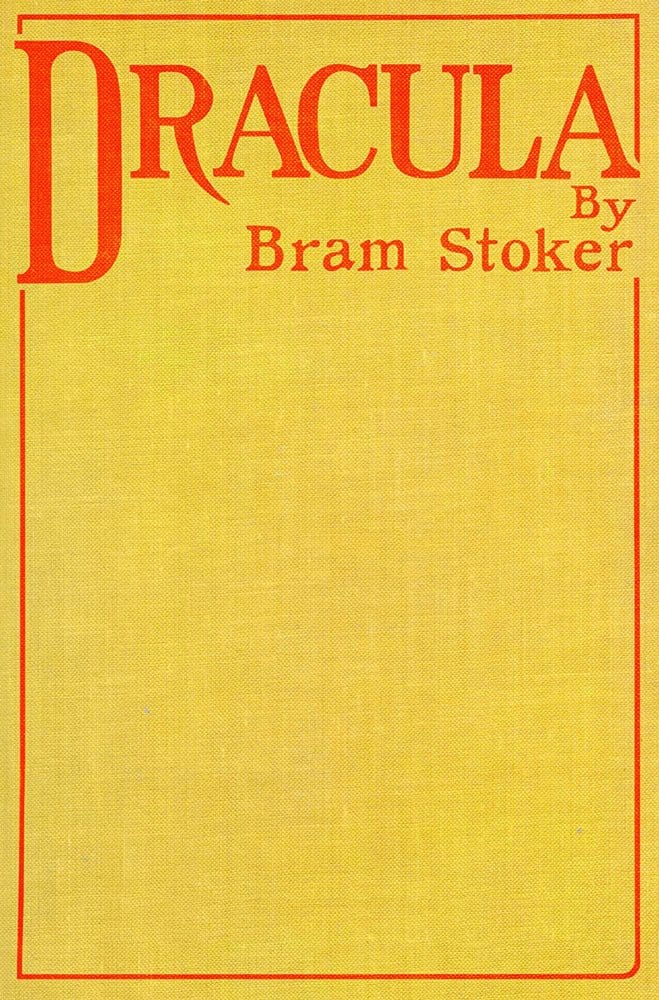
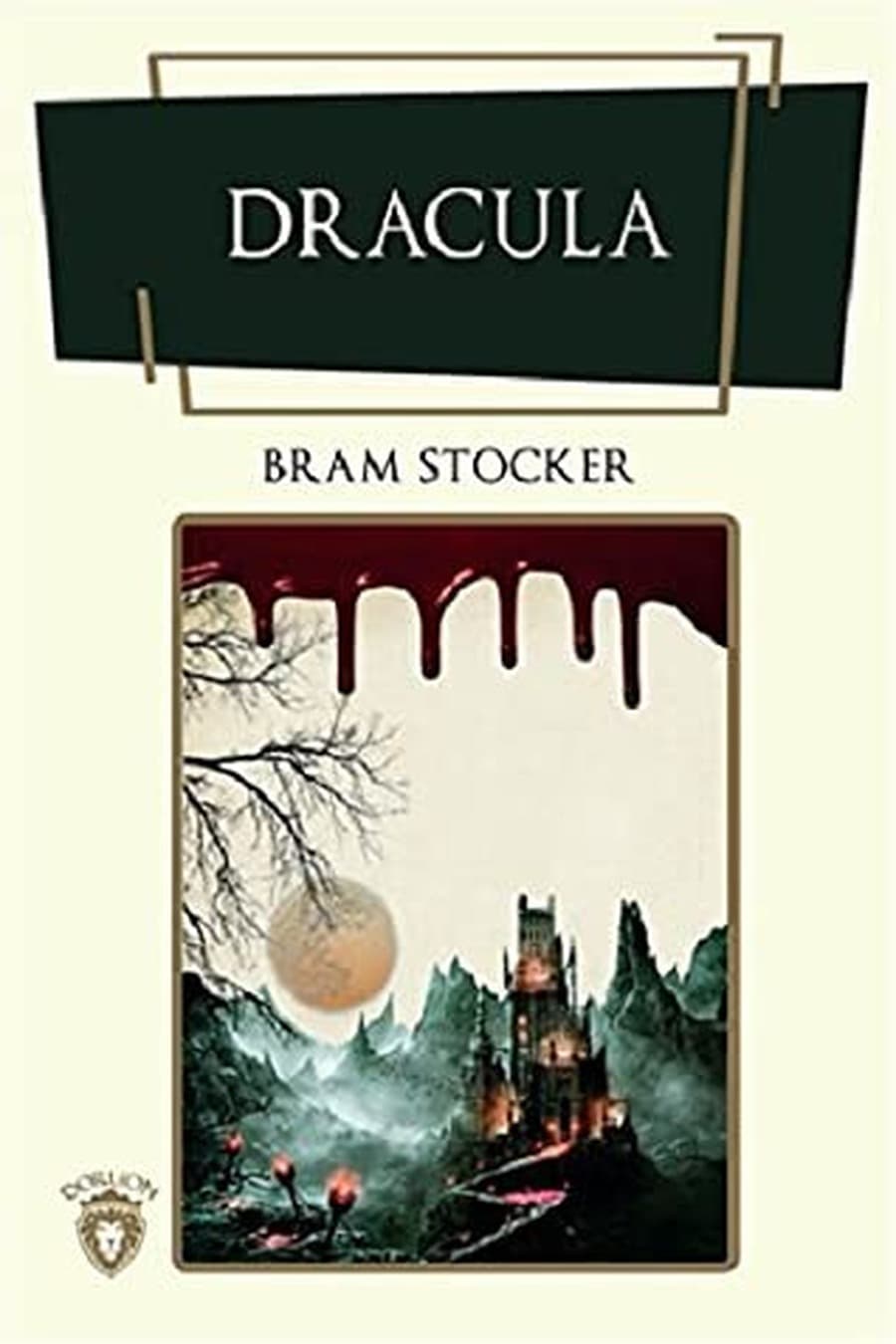
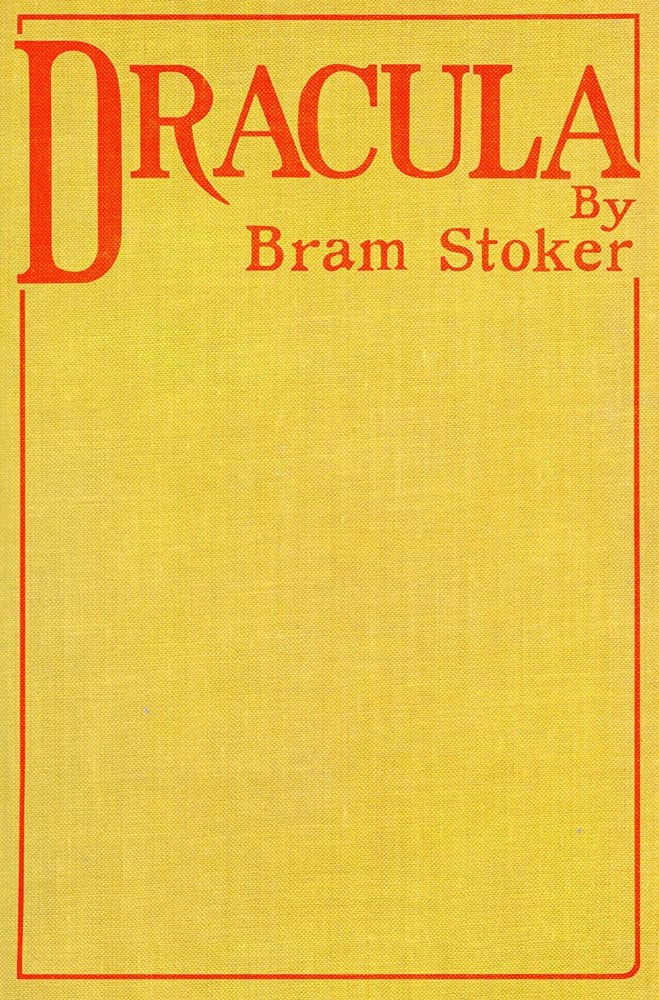
No other novel has shaped a monster the way Bram Stoker's Dracula shaped the vampire. Told entirely through letters, diary entries, and newspaper clippings, this 1897 masterpiece follows Jonathan Harker to a remote Transylvanian castle, where he discovers his host is something far worse than a eccentric nobleman. When Dracula crosses the sea to England, bringing his ancient hunger to a modern land, a small band of defenders must rally around the Dutch professor Van Helsing to hunt a predator who moves through society undetected, charming his prey before draining their blood. What begins as a business transaction becomes a battle between civilization and the supernatural, between the daylight world of reason and the midnight world of appetite. Stoker's genius lies in making his vampires seductive, not merely frightening, and in embedding anxieties about sexuality, race, and empire into a tale that works equally as gothic thriller and Victorian meditation on what we fear in ourselves. The novel's power persists because it understands that the most dangerous monsters are those who speak our language and wear our faces.
Editions
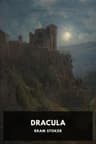

X-Ray
“We learn from failure, not from success!””
— Bram Stoker
“I am longing to be with you, and by the sea, where we can talk together freely and build our castles in the air.””
— Bram Stoker
“Once again...welcome to my house. Come freely. Go safely; and leave something of the happiness you bring.””
— Bram Stoker
“I am all in a sea of wonders. I doubt; I fear; I think strange things, which I dare not confess to my own soul.””
— Bram Stoker
“There is a reason why all things are as they are.””
— Bram Stoker
“Remember my friend, that knowledge is stronger than memory, and we should not trust the weaker””
— Bram Stoker
“I want you to believe...to believe in things that you cannot.””
— Bram Stoker
“Despair has its own calms.””
— Bram Stoker
“Loneliness will sit over our roofs with brooding wings.””
— Bram Stoker
About Dracula
Chapter Summaries
- 1
- Jonathan Harker travels to Transylvania to meet Count Dracula, noting the strange customs and superstitions of the locals. He arrives at Castle Dracula, where he is greeted by the Count, who displays unusual strength and an unsettling appearance.
- 2
- Jonathan realizes he is a prisoner in the castle. He observes the Count's peculiar habits, including his lack of reflection in a mirror and his ability to scale walls like a lizard. Jonathan also notes the absence of servants, suggesting the Count performs all duties himself.
- 3
- Jonathan continues to document his captivity, learning more about Dracula's ancient lineage and powers through their conversations. He witnesses the Count crawling down the castle wall and later experiences a terrifying encounter with three female vampires, from whom Dracula saves him, claiming Jonathan as his own.
Key Themes
- Good vs. Evil
- This is the overarching theme, presenting a clear battle between the forces of good (Van Helsing's group) and the embodiment of evil (Dracula). The narrative explores the nature of evil as a corrupting, parasitic force that preys on innocence and life.
- Superstition vs. Science
- The novel contrasts the rational, scientific approach of Dr. Seward with Van Helsing's willingness to accept ancient folklore and 'superstitions' as valid knowledge in the face of the unknown. It argues that science alone is insufficient to combat supernatural evil.
- Modernity vs. Antiquity
- Dracula, an ancient being from a remote, traditional land, invades modern, industrialized London. The story highlights the clash between old-world evil and the tools and mindset of the late 19th century, with modern technology (typewriter, phonograph, telegrams) being used to document and fight the ancient threat.
Characters
- Count Dracula(antagonist)
- An ancient and powerful vampire from Transylvania who seeks to move to London to find new victims and spread his evil.
- Jonathan Harker(protagonist)
- A young English solicitor sent to Transylvania to finalize a real estate transaction with Count Dracula, who becomes his prisoner and first witness to the Count's true nature.
- Mina Murray Harker(protagonist)
- Jonathan Harker's intelligent and resourceful fiancée, later wife, who meticulously compiles the various journals and letters that form the narrative, becoming central to the group's efforts against Dracula.
- Lucy Westenra(supporting)
- Mina's beautiful and innocent friend, who becomes Dracula's first victim in England, slowly succumbing to his vampiric attacks and eventually transforming into an Un-Dead creature.
- Dr. John Seward(supporting)
- A young doctor and administrator of a lunatic asylum, one of Lucy's three suitors, who keeps a phonograph diary and becomes a key member of the group fighting Dracula.
- Professor Abraham Van Helsing(protagonist)
- A Dutch doctor, philosopher, and metaphysician, and Dr. Seward's former teacher, who is called to diagnose Lucy's mysterious illness and quickly recognizes the supernatural threat of Dracula.
Link to this book
Add a free, dofollow link to Lex on your blog, forum, syllabus, or reading list.

<a href="https://lex-books.com/book/dracula-5e99c8a7-a82e-4758-b402-e4acb4c9f213"><img src="https://lex-books.com/badges/read-on-lex.svg" alt="Read Dracula by Bram Stoker free on Lex" width="160" height="40"></a>[](https://lex-books.com/book/dracula-5e99c8a7-a82e-4758-b402-e4acb4c9f213)[url=https://lex-books.com/book/dracula-5e99c8a7-a82e-4758-b402-e4acb4c9f213][img]https://lex-books.com/badges/read-on-lex.svg[/img][/url]Read Dracula by Bram Stoker free on Lex: https://lex-books.com/book/dracula-5e99c8a7-a82e-4758-b402-e4acb4c9f213Cite this book
Reading this edition for a paper or guide? Copy a citation.
Stoker, Bram. Dracula. Lex, lex-books.com/book/dracula-5e99c8a7-a82e-4758-b402-e4acb4c9f213.Stoker, B. (1897). Dracula. Lex. https://lex-books.com/book/dracula-5e99c8a7-a82e-4758-b402-e4acb4c9f213Stoker, Bram. Dracula. Lex. https://lex-books.com/book/dracula-5e99c8a7-a82e-4758-b402-e4acb4c9f213.