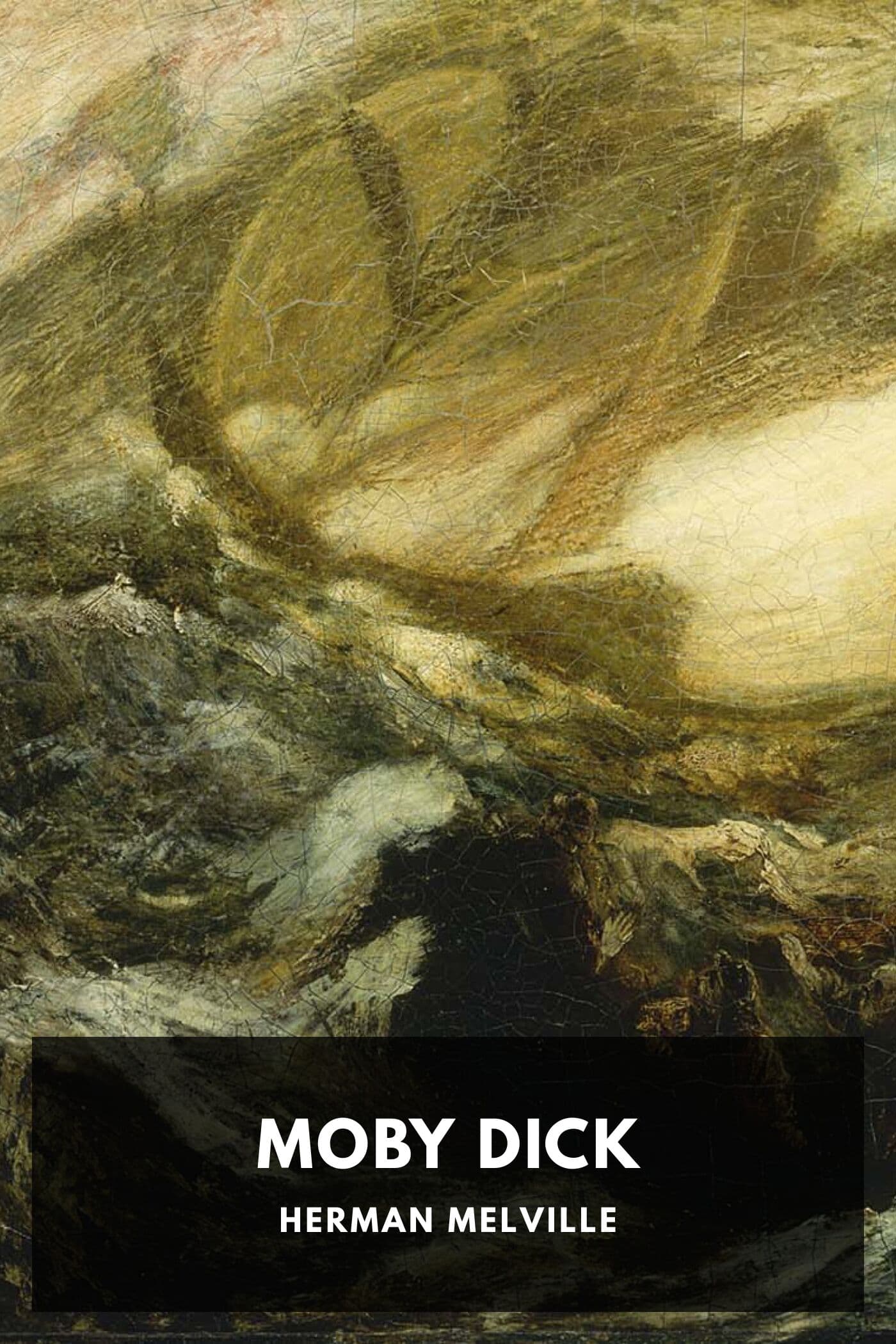
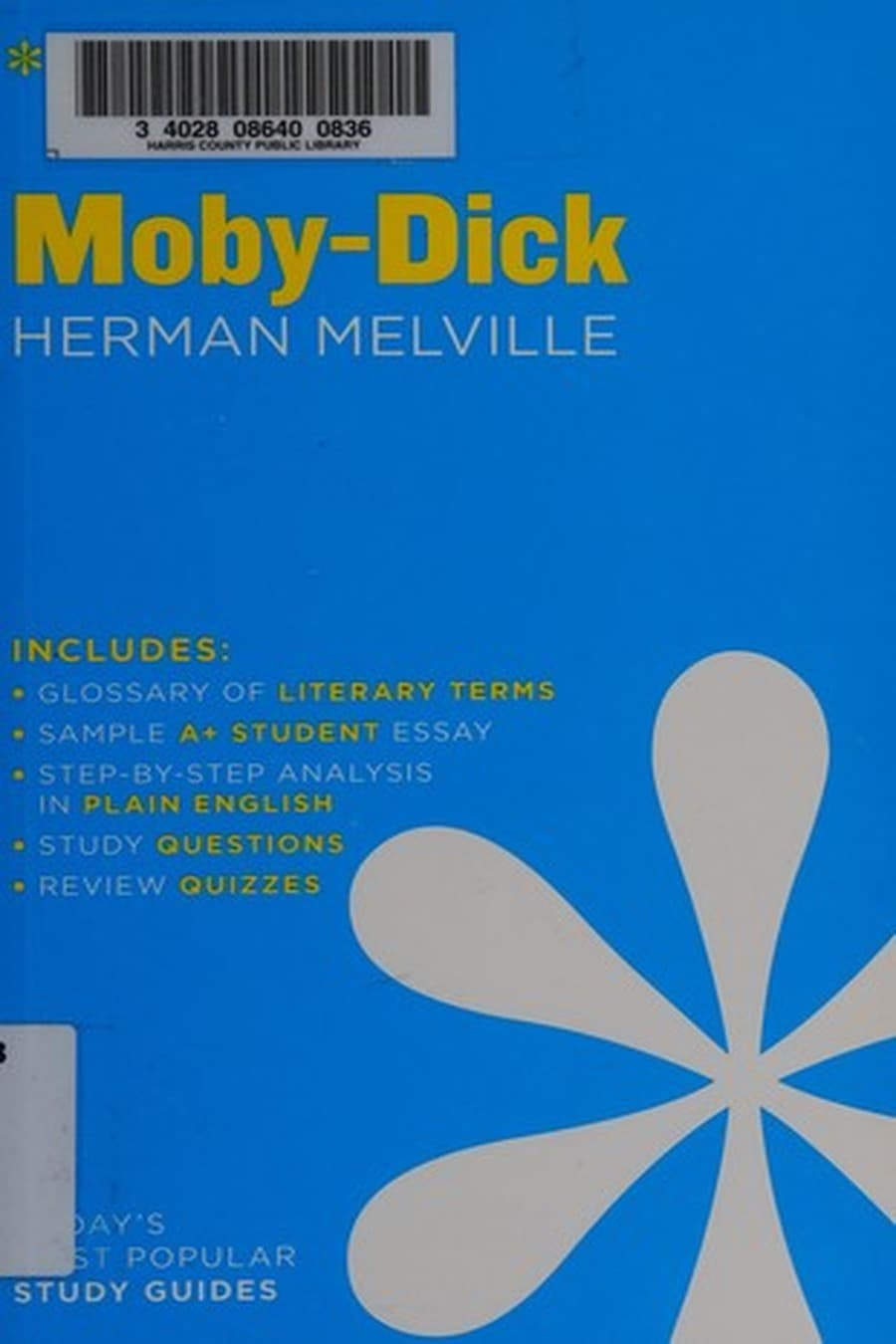
Moby Dick; Or, the Whale
1851
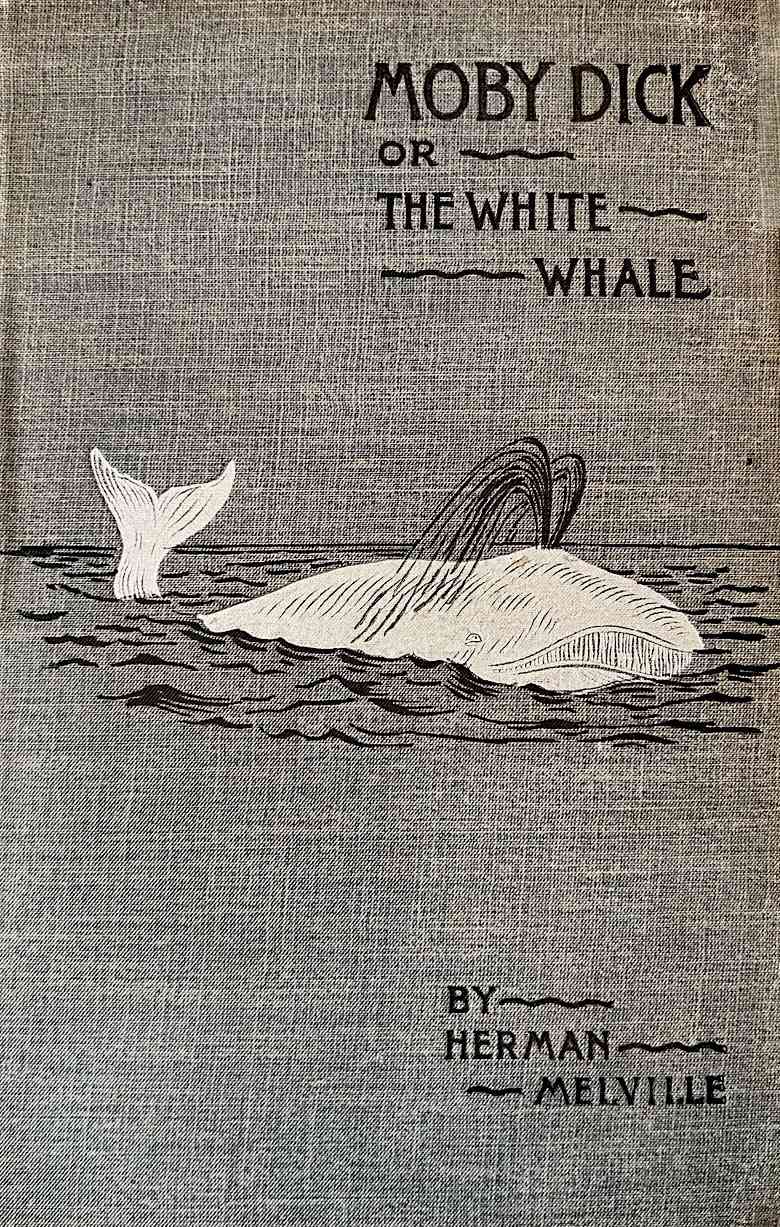
Moby Dick; Or, the Whale
1851
Moby-Dick is the story of a voyage that becomes something far darker than any simple adventure. Narrated by the quietly philosophical Ishmael, who drifts to sea to escape a land that feels like a coffin, the novel follows the Pequod's hunt for the great white whale who took Captain Ahab's leg. But Ahab's monomaniacal pursuit of Moby Dick transforms from sporting ambition into something nearer to war against God Himself a relentless, all-consuming quest that will drag every soul on the ship toward catastrophe. What begins as a meditation on the sea's strange pull on restless men becomes an allegory for America: its hunger, its hubris, its fatal inability to leave certain beasts unchased. Melville writes with brutal lyricism about whaling lore and with startling tenderness about the friendship between Ishmael and Queequeg, the tattooed harpooneer whose humanity cuts through every assumption. This is a novel about obsession, fate, and the terrible beauty of forces larger than comprehension. It demands patience, but it rewards everything you give it.
Editions
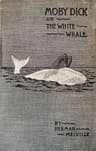
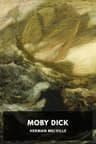

X-Ray
“I know not all that may be coming, but be it what it will, I'll go to it laughing.””
— Herman Melville
“It is not down on any map; true places never are.””
— Herman Melville
“Better to sleep with a sober cannibal than a drunk Christian.””
— Herman Melville
“As for me, I am tormented with an everlasting itch for things remote. I love to sail forbidden seas, and land on barbarous coasts.””
— Herman Melville
“Whenever I find myself growing grim about the mouth; whenever it is a damp, drizzly November in my soul; whenever I find myself involuntarily pausing before coffin warehouses, and bringing up the rear of every funeral I meet; and especially whenever my hypos get such an upper hand of me, that it requires a strong moral principle to prevent me from deliberately stepping into the street, and methodically knocking people's hats off - then, I account it high time to get to sea as soon as I can.””
— Herman Melville
“There are certain queer times and occasions in this strange mixed affair we call life when a man takes this whole universe for a vast practical joke, though the wit thereof he but dimly discerns, and more than suspects that the joke is at nobody's expense but his own.””
— Herman Melville
“I try all things, I achieve what I can.””
— Herman Melville
“Ignorance is the parent of fear.””
— Herman Melville
“Consider the subtleness of the sea; how its most dreaded creatures glide under water, unapparent for the most part, and treacherously hidden beneath the loveliest tints of azure. Consider also the devilish brilliance and beauty of many of its most remorseless tribes, as the dainty embellished shape of many species of sharks. Consider, once more, the universal cannibalism of the sea; all whose creatures prey upon each other, carrying on eternal war since the world began. Consider all this; and then turn to the green, gentle, and most docile earth; consider them both, the sea and the land; and do you not find a strange analogy to something in yourself? For as this appalling ocean surrounds the verdant land, so in the soul of man there lies one insular Tahiti, full of peace and joy, but encompassed by all the horrors of the half-known life. God keep thee! Push not off from that isle, thou canst never return!””
— Herman Melville
About Moby Dick; Or, the Whale
Chapter Summaries
- 1
- Ishmael introduces himself and explains his recurring urge to go to sea as a way to combat melancholy. He describes the universal human draw to water and reflects on the philosophical connection between meditation and the ocean, ultimately deciding to embark on a whaling voyage as a simple sailor.
- 2
- Ishmael arrives in New Bedford, disappointed to find no immediate passage to Nantucket. He wanders the cold, dismal streets, seeking lodging and observing the various inns, eventually settling on 'The Spouter-Inn' due to its seemingly cheap and quiet appearance, despite its ominous name.
- 3
- Ishmael enters the Spouter-Inn, observing its strange decor, including a perplexing painting and an array of whaling weapons. He is told the inn is full but can share a bed with a harpooneer. After a cold supper, he encounters a negro church service and then learns his bedmate is a 'dark complexioned chap' who sells embalmed heads.
Key Themes
- Revenge and Obsession
- Ahab's relentless pursuit of Moby Dick transcends mere whaling, becoming a consuming obsession that blinds him to reason and endangers his crew. This theme explores the destructive nature of unchecked vengeance and how it can warp an individual's purpose and morality.
- Man vs. Nature
- The novel vividly portrays humanity's struggle against the overwhelming, indifferent, and often destructive forces of the natural world, symbolized by the vast, untamed ocean and the formidable Moby Dick. It questions man's ability to conquer or even fully comprehend nature's power.
- Fate vs. Free Will
- Ishmael frequently muses on the concept of predestination, suggesting that human actions are part of a larger, unseen cosmic plan, while Ahab defiantly asserts his own will against what he perceives as a malevolent fate. This tension explores the limits of human agency in a seemingly predetermined universe.
Characters
- Ishmael(protagonist)
- The narrator of the story, a philosophical and adventurous young man who seeks to escape his inner turmoil by going to sea on a whaling voyage.
- Ahab(antagonist)
- The monomaniacal captain of the Pequod, driven by a relentless desire for revenge against Moby Dick, the white whale that took his leg.
- Queequeg(supporting)
- A Polynesian harpooneer and former prince, who becomes Ishmael's closest friend and shipmate, embodying a noble savagery and spiritual depth.
- Starbuck(supporting)
- The first mate of the Pequod, a pragmatic and conscientious Quaker from Nantucket, who prioritizes profit and safety over Ahab's vengeful quest.
- Stubb(supporting)
- The second mate of the Pequod, a happy-go-lucky Cape Cod man who faces perils with indifferent humor, often smoking his pipe and philosophizing about life and death.
- Flask(supporting)
- The third mate of the Pequod, a short, stout, pugnacious young man from Martha's Vineyard who views whales as personal affronts to be destroyed for fun and profit.
Link to this book
Add a free, dofollow link to Lex on your blog, forum, syllabus, or reading list.

<a href="https://lex-books.com/book/moby-dick-or-the-whale-7d44fa14-4188-4e8f-9005-89afcaa03ce0"><img src="https://lex-books.com/badges/read-on-lex.svg" alt="Read Moby Dick; Or, the Whale by Herman Melville free on Lex" width="160" height="40"></a>[](https://lex-books.com/book/moby-dick-or-the-whale-7d44fa14-4188-4e8f-9005-89afcaa03ce0)[url=https://lex-books.com/book/moby-dick-or-the-whale-7d44fa14-4188-4e8f-9005-89afcaa03ce0][img]https://lex-books.com/badges/read-on-lex.svg[/img][/url]Read Moby Dick; Or, the Whale by Herman Melville free on Lex: https://lex-books.com/book/moby-dick-or-the-whale-7d44fa14-4188-4e8f-9005-89afcaa03ce0Cite this book
Reading this edition for a paper or guide? Copy a citation.
Melville, Herman. Moby Dick; Or, the Whale. Lex, lex-books.com/book/moby-dick-or-the-whale-7d44fa14-4188-4e8f-9005-89afcaa03ce0.Melville, H. (1851). Moby Dick; Or, the Whale. Lex. https://lex-books.com/book/moby-dick-or-the-whale-7d44fa14-4188-4e8f-9005-89afcaa03ce0Melville, Herman. Moby Dick; Or, the Whale. Lex. https://lex-books.com/book/moby-dick-or-the-whale-7d44fa14-4188-4e8f-9005-89afcaa03ce0.