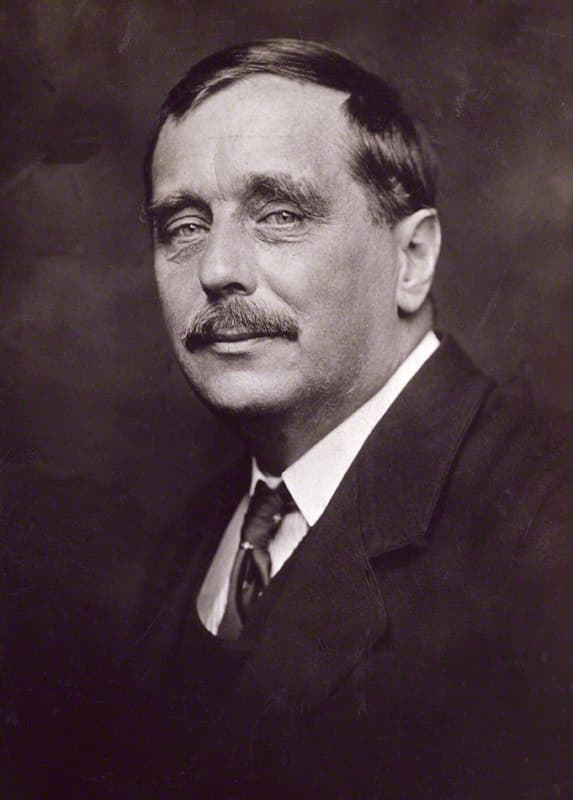
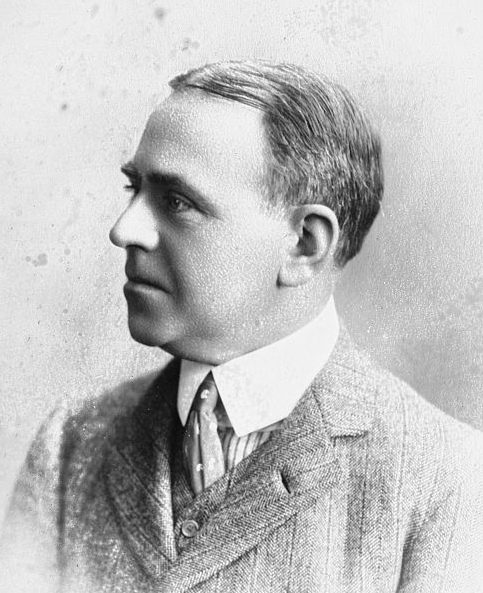
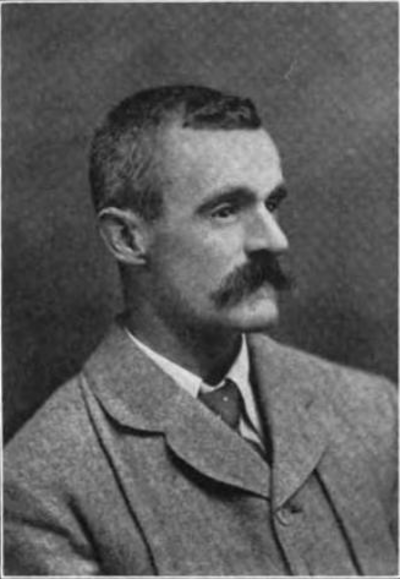
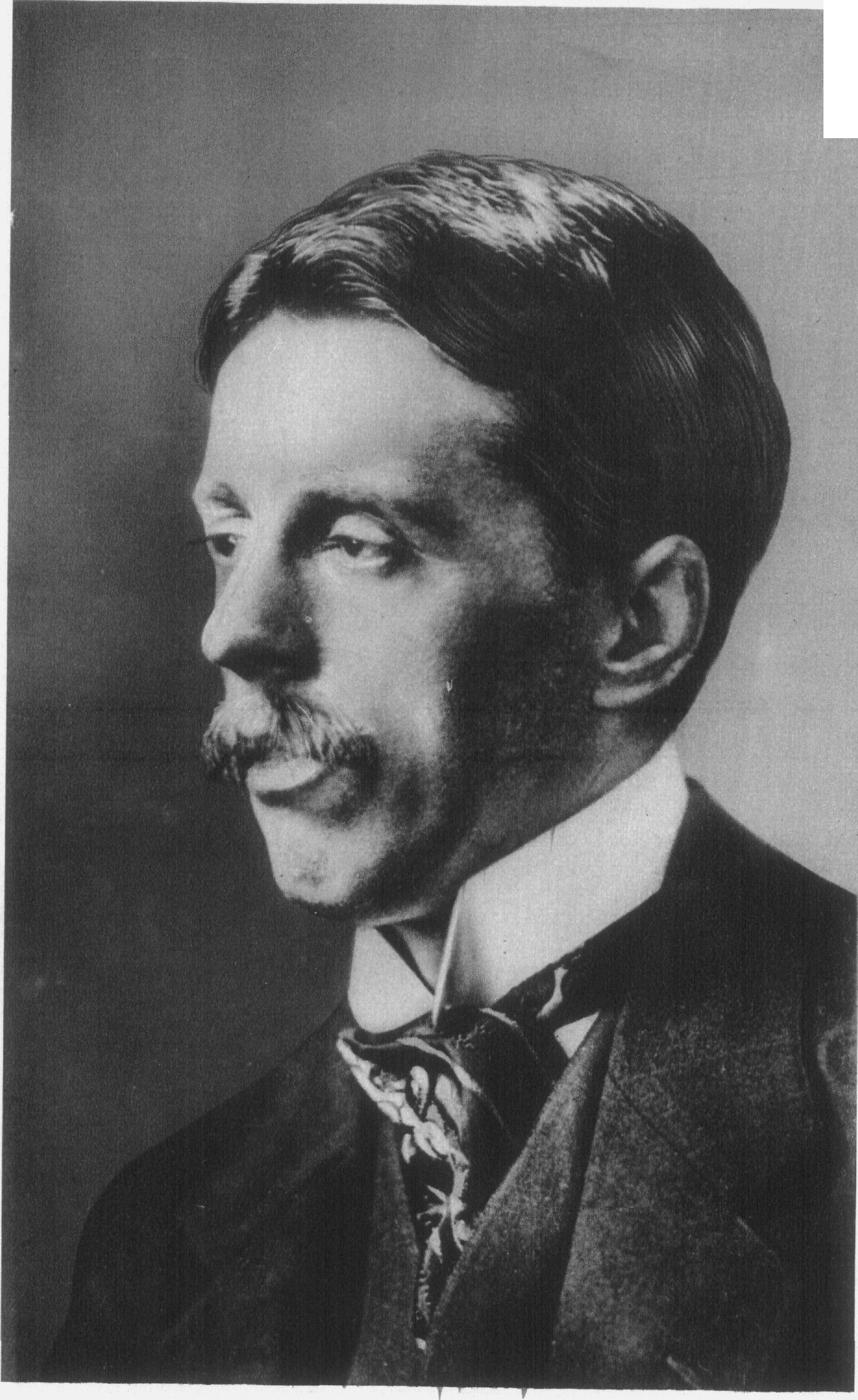
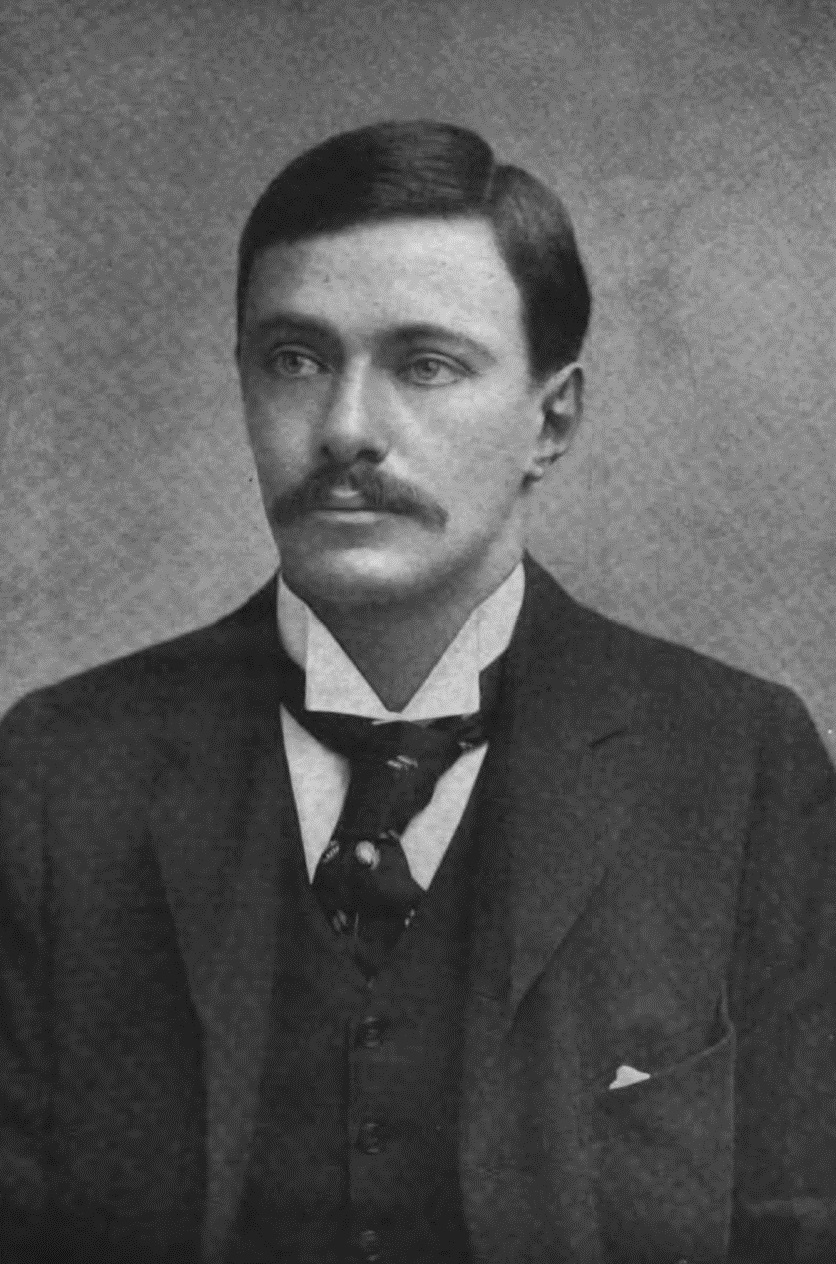
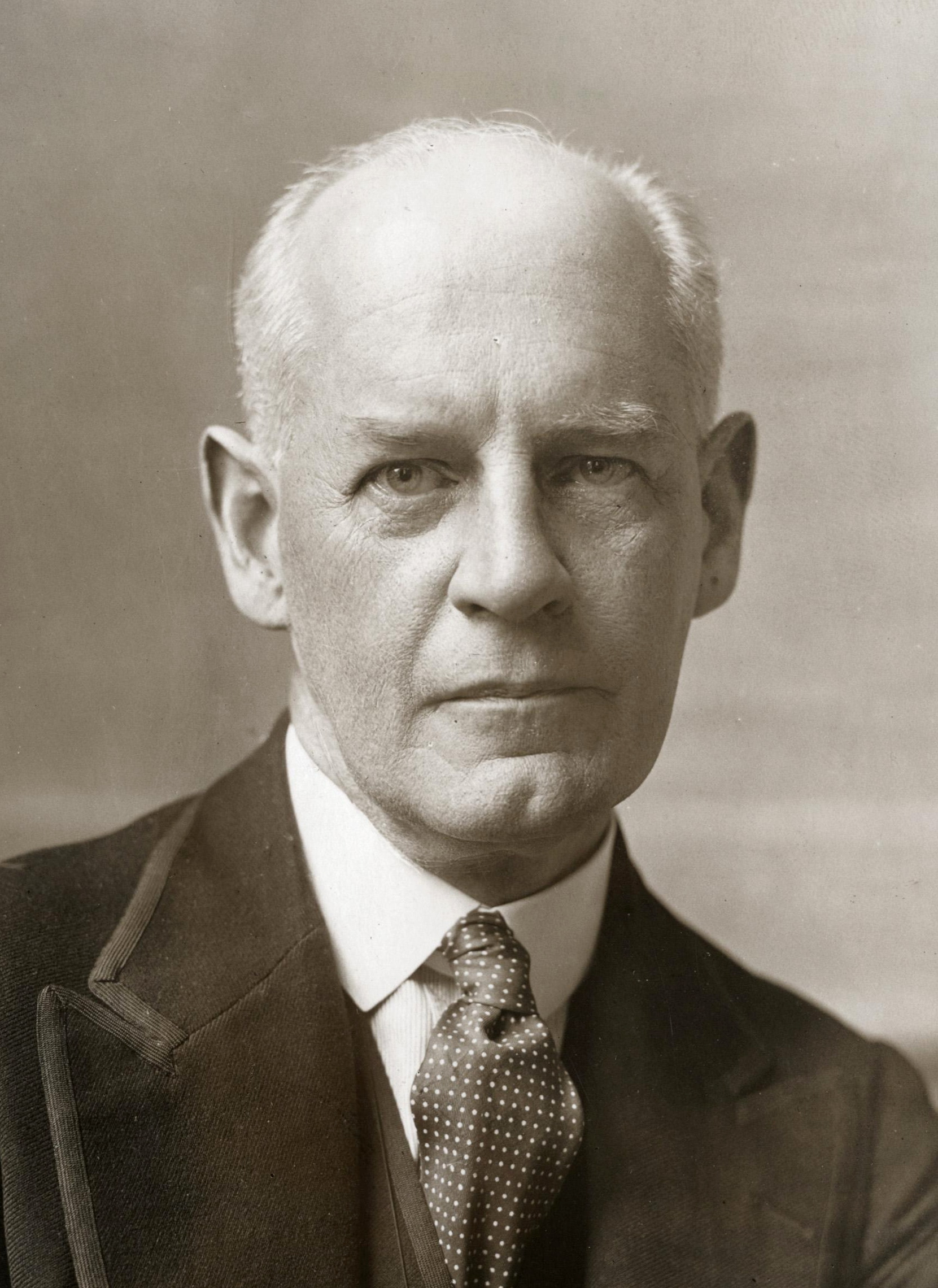
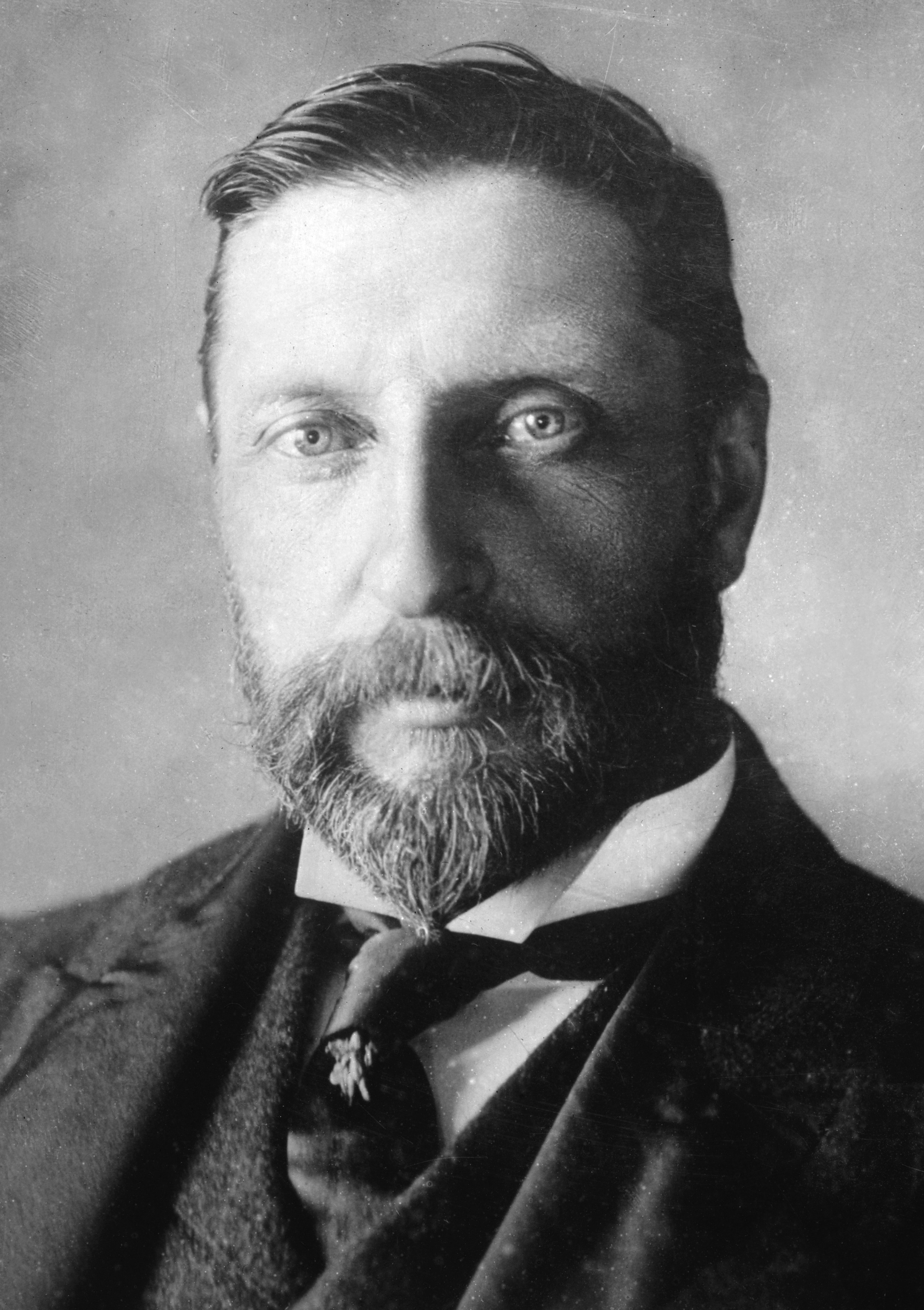
H. G. Wells
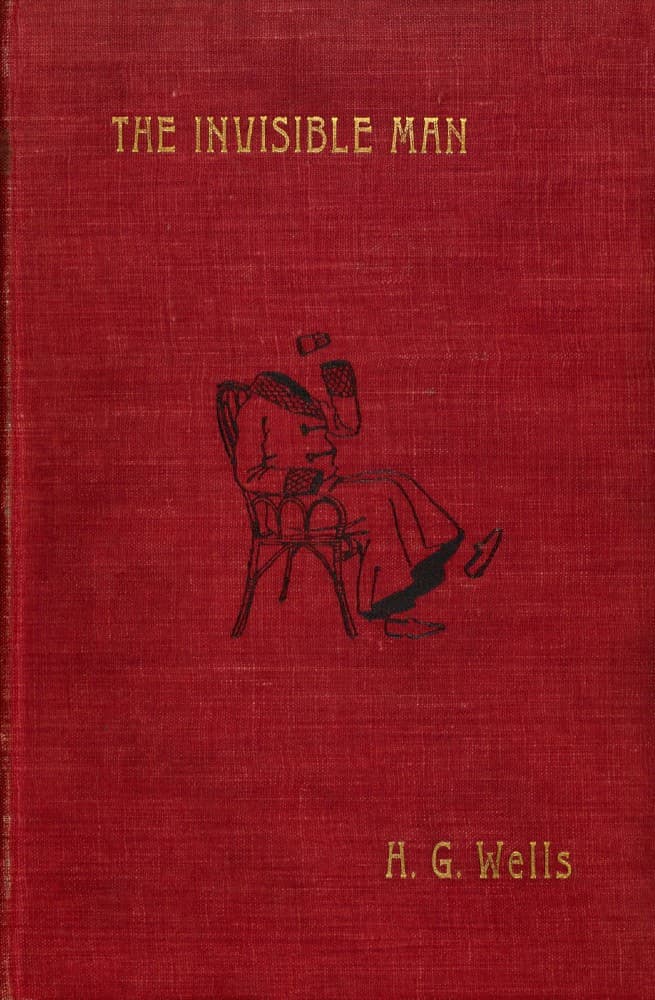
Herbert George Wells was an English writer renowned for his prolific contributions across various genres, particularly in science fiction. He authored over forty novels and numerous short stories, alongside a significant body of non-fiction that encompassed social commentary, politics, history, and popular science. Wells's imaginative works, including 'The Time Machine,' 'The War of the Worlds,' and 'The Invisible Man,' not only entertained readers but also explored complex themes of human nature and societal evolution, earning him the title of the 'father of science fiction.' His narratives often reflected his keen observations on contemporary issues, making him a pivotal figure in the literary landscape of the early 20th century. Wells's influence extended beyond literature; his ideas on social reform and technological advancement sparked discussions that resonated with the changing world of his time. His visionary concepts laid the groundwork for future science fiction writers and thinkers, shaping the genre's development. Through his innovative storytelling and critical insights, Wells left a lasting legacy that continues to inspire and challenge readers and writers alike, cementing his status as a foundational figure in both science fiction and modern literature.
Famous Quotes
View all 38 quotes“It is a law of nature we overlook, that intellectual versatility is the compensation for change, danger, and trouble. An animal perfectly in harmony with its environment is a perfect mechanism. Nature never appeals to intelligence until habit and instinct are useless. There is no intelligence where there is no change and no need of change. Only those animals partake of intelligence that have a huge variety of needs and dangers.”
“No one would have believed in the last years of the nineteenth century that this world was being watched keenly and closely by intelligences greater than man's and yet as mortal as his own; that as men busied themselves about their various concerns they were scrutinised and studied, perhaps almost as narrowly as a man with a microscope might scrutinise the transient creatures that swarm and multiply in a drop of water.”
“We should strive to welcome change and challenges, because they are what help us grow. With out them we grow weak like the Eloi in comfort and security. We need to constantly be challenging ourselves in order to strengthen our character and increase our intelligence.”
Books from the author


































Link to this page
Add a free, dofollow link to Lex on your blog, forum, syllabus, or reading list.

<a href="https://lex-books.com/author/h-g-wells"><img src="https://lex-books.com/badges/read-on-lex.svg" alt="H. G. Wells on Lex" width="160" height="40"></a>[](https://lex-books.com/author/h-g-wells)[url=https://lex-books.com/author/h-g-wells][img]https://lex-books.com/badges/read-on-lex.svg[/img][/url]H. G. Wells on Lex: https://lex-books.com/author/h-g-wells