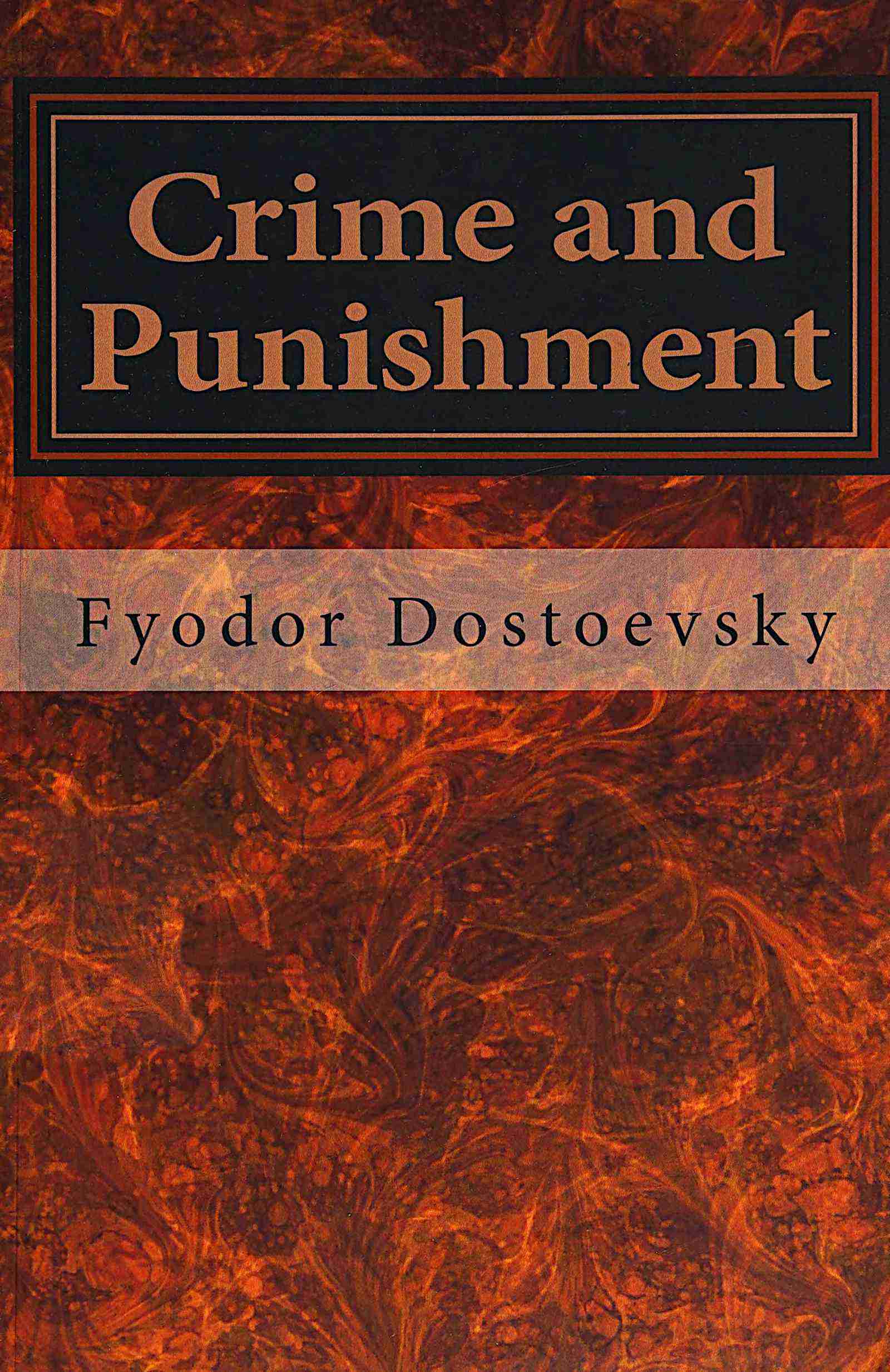
Crime and Punishment
1866
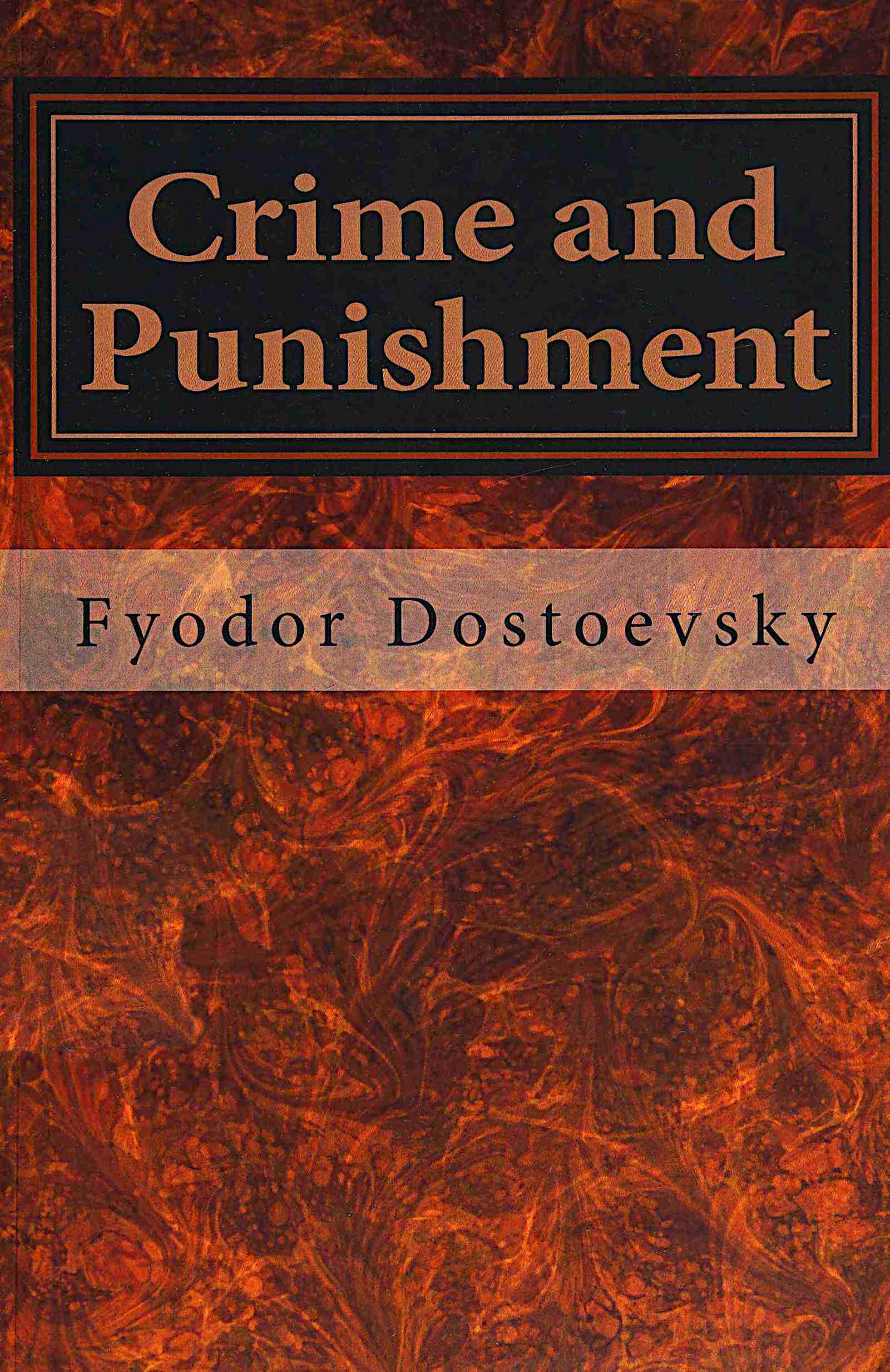
Crime and Punishment
1866
Translated by Constance Garnett
A destitute former student walks the sweltering streets of St. Petersburg, his mind teeming with a theory: that certain men, extraordinary men, are beyond good and evil, entitled to transgress any law to achieve great things. He has chosen his victim, an old pawnbroker whose wealth could lift him from squalor. What follows is not a crime novel in any ordinary sense, but an excavation of a conscience in freefall. From the moment the axe falls, Raskolnikov discovers his elegant philosophy cannot survive contact with reality. Haunted by paranoia, fragmented dreams, and the persistent hum of his own heartbeat, he spirals through the city's grime, unable to confess, unable to escape. The investigator Porfiry watches with the patience of a man who knows guilt is its own prison. And into this darkness comes Sonya, the prostitute who reads him the story of Lazarus, who offers not salvation but the unbearable possibility of it. Few novels have peered so ruthlessly into the machinery of guilt. This is for readers who want to be undone by a book, who trust that the darkest journeys toward the light make for the most transcendent reading.
Editions
X-Ray
An impoverished former student who grapples with a philosophical theory justifying murder for a greater good, leading to immense psychological torment after committing a double homicide.
An old, spiteful, and wealthy pawnbroker who is Raskolnikov's first murder victim.
Alyona Ivanovna's timid, submissive, and pregnant half-sister, who is accidentally murdered by Raskolnikov.
The cook and only servant in Raskolnikov's lodging house, who looks after him during his illness.
About Crime and Punishment
Chapter Summaries
- Translator’s Preface
- The preface provides biographical context for Fyodor Dostoevsky, detailing his impoverished upbringing, his arrest and mock execution under Nicholas I, and his subsequent penal servitude and epilepsy. This intense suffering profoundly influenced his religious views and his literary focus on human agony and redemption.
- PART I, CHAPTER I
- Raskolnikov, a young, impoverished student, leaves his cramped garret on a hot July evening, plagued by debt and an irritable, hypochondriac state. He is on his way to the old pawnbroker, Alyona Ivanovna, to 'rehearse' a sinister plan, meticulously observing details of her flat. After his visit, he is overwhelmed by disgust and fear, questioning his capacity for such an 'atrocious thing.'
- PART I, CHAPTER II
- Raskolnikov enters a tavern and meets Marmeladov, a drunken former civil servant, who delivers a rambling confession of his family's destitution, his wife Katerina Ivanovna's pride, and his daughter Sonia's sacrifice into prostitution. Raskolnikov escorts Marmeladov home, witnessing the family's squalor and Katerina Ivanovna's fury, which leaves him deeply disturbed and questioning the nature of humanity.
Key Themes
- Guilt and Conscience
- Raskolnikov's crime is immediately followed by a debilitating illness and profound psychological torment, demonstrating that his intellectual justifications cannot shield him from the crushing weight of his conscience. His internal suffering becomes a central form of punishment, far more immediate than any external legal consequence.
- Poverty and Social Injustice
- The novel vividly portrays the squalid living conditions and desperate measures forced upon the poor in 19th-century Petersburg, such as Sonia's prostitution and Dounia's contemplated marriage of convenience. These circumstances serve as a backdrop and partial motivation for Raskolnikov's crime, highlighting the systemic pressures that lead to moral compromises.
- Rationalism vs. Emotion/Faith
- Raskolnikov's 'extraordinary man' theory is a product of cold, rational thought, but his actions are often driven by impulse and his subsequent suffering by deep emotional and spiritual turmoil. The novel contrasts his intellectual pride with the simple, unwavering faith and compassion of characters like Sonia, suggesting the limitations of pure reason in moral matters.
Characters
- Raskolnikov (Rodion Romanovitch Raskolnikov, Rodya)(protagonist)
- An impoverished former student who grapples with a philosophical theory justifying murder for a greater good, leading to immense psychological torment after committing a double homicide.
- Alyona Ivanovna(minor)
- An old, spiteful, and wealthy pawnbroker who is Raskolnikov's first murder victim.
- Lizaveta Ivanovna(minor)
- Alyona Ivanovna's timid, submissive, and pregnant half-sister, who is accidentally murdered by Raskolnikov.
- Nastasya(supporting)
- The cook and only servant in Raskolnikov's lodging house, who looks after him during his illness.
- Marmeladov (Semyon Zaharovitch Marmeladov)(supporting)
- A drunken former government clerk whose tragic story of poverty and his daughter's sacrifice deeply affects Raskolnikov.
- Sonia (Sofya Semyonovna Marmeladov)(supporting)
- Marmeladov's daughter, a young woman forced into prostitution to support her family, who embodies deep faith, humility, and compassion.
Link to this book
Add a free, dofollow link to Lex on your blog, forum, syllabus, or reading list.

<a href="https://lex-books.com/book/crime-and-punishment-84794f34-d16a-4786-b541-6a3e9b129c19"><img src="https://lex-books.com/badges/read-on-lex.svg" alt="Read Crime and Punishment by Fyodor Dostoyevsky free on Lex" width="160" height="40"></a>[](https://lex-books.com/book/crime-and-punishment-84794f34-d16a-4786-b541-6a3e9b129c19)[url=https://lex-books.com/book/crime-and-punishment-84794f34-d16a-4786-b541-6a3e9b129c19][img]https://lex-books.com/badges/read-on-lex.svg[/img][/url]Read Crime and Punishment by Fyodor Dostoyevsky free on Lex: https://lex-books.com/book/crime-and-punishment-84794f34-d16a-4786-b541-6a3e9b129c19Cite this book
Reading this edition for a paper or guide? Copy a citation.
Dostoyevsky, Fyodor. Crime and Punishment. Lex, lex-books.com/book/crime-and-punishment-84794f34-d16a-4786-b541-6a3e9b129c19.Dostoyevsky, F. (1866). Crime and Punishment. Lex. https://lex-books.com/book/crime-and-punishment-84794f34-d16a-4786-b541-6a3e9b129c19Dostoyevsky, Fyodor. Crime and Punishment. Lex. https://lex-books.com/book/crime-and-punishment-84794f34-d16a-4786-b541-6a3e9b129c19.