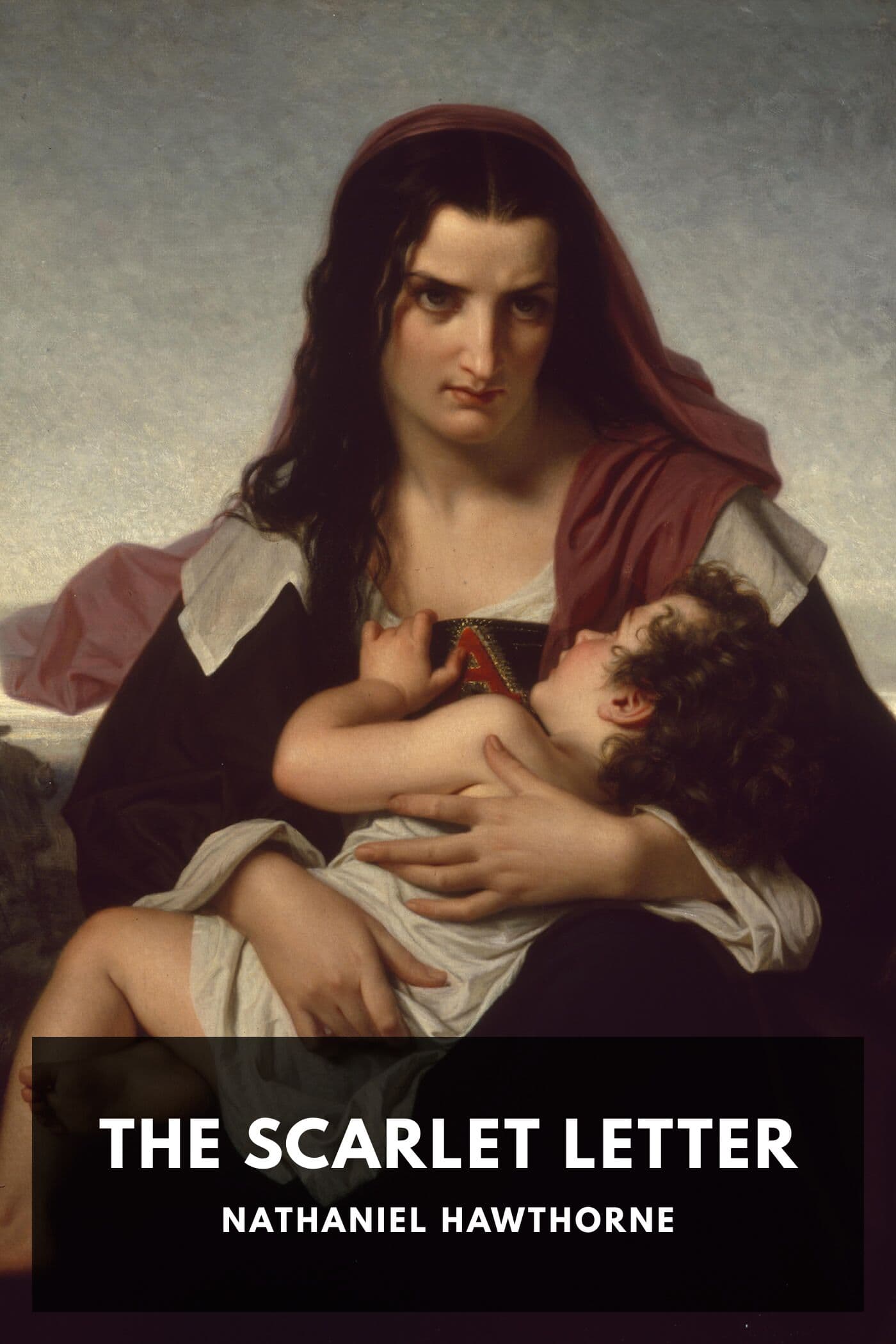
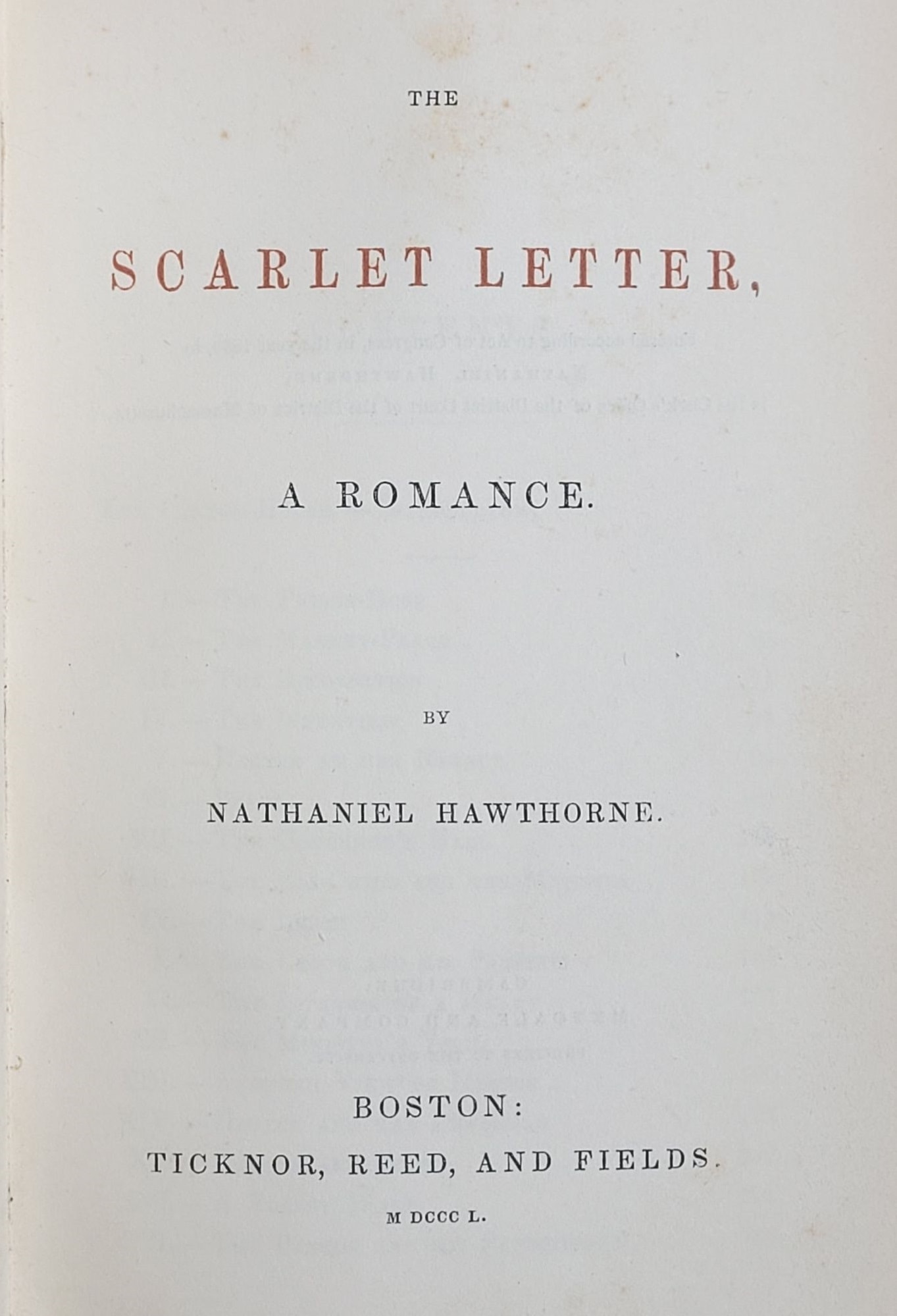
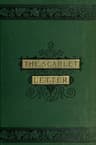
The Scarlet Letter
1850
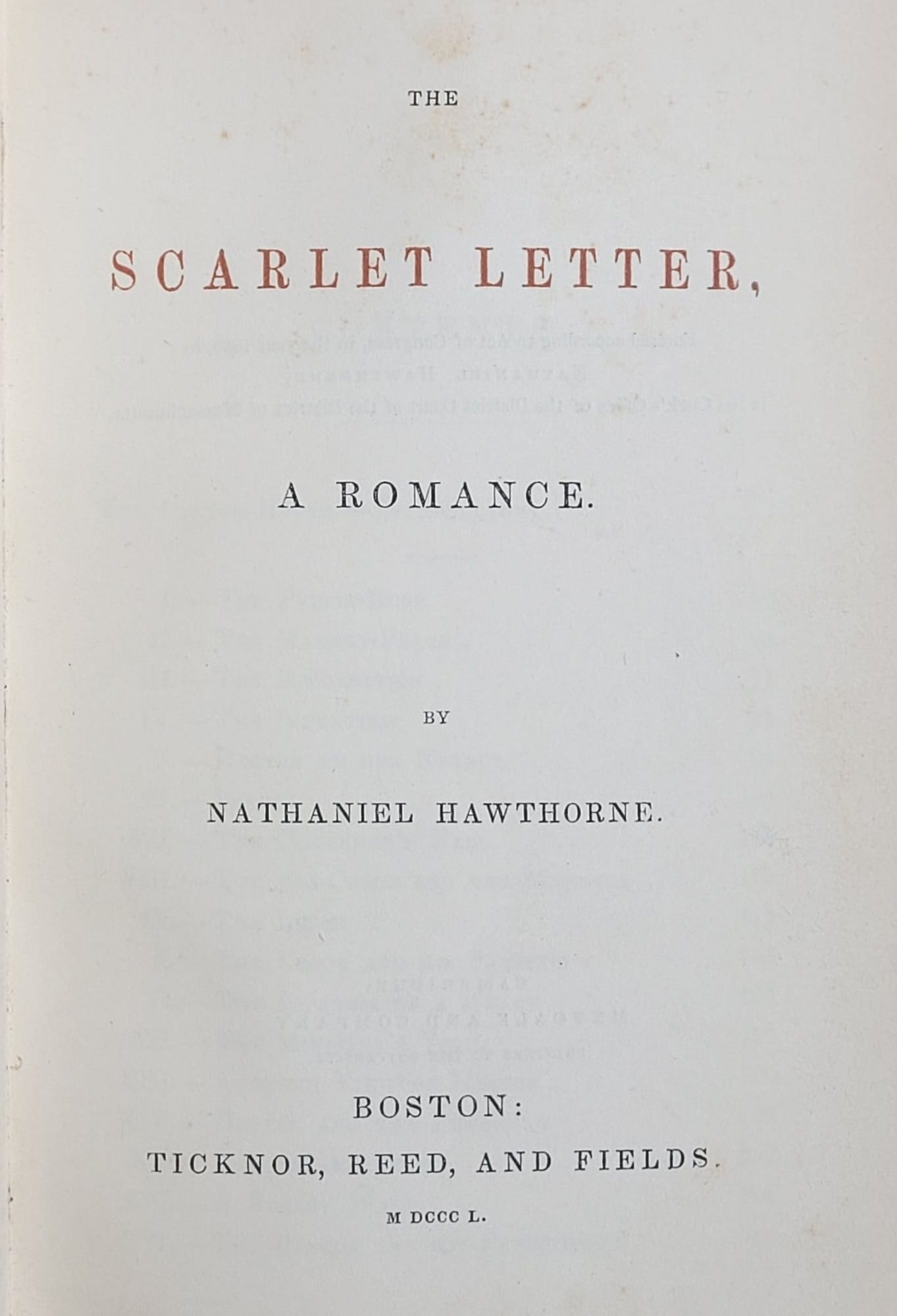
Hawthorne's masterpiece opens in a grim Boston jail, where Hester Prynne emerges to face a crowd hungry for her shame. She has borne a child out of wedlock, and the scarlet letter 'A' stitched to her breast will mark her as an adulteress for the rest of her life. But what begins as a tale of punishment becomes something far more unsettling: an exploration of how a community's cruelty can forge a woman into something stronger than the society that condemns her. The novel moves between Hester's quiet defiance and the hidden sins of those who judge her. Her husband, a cold scholar seeking revenge. The minister who cannot confess his own guilt. The child who grows up in the shadow of her mother's shame. Hawthorne weaves their fates together into a dark meditation on hypocrisy, desire, and the price of living honestly in a world built on lies. More than a century and a half later, The Scarlet Letter endures because it asks questions we still struggle with: What do we owe to the fallen? Can a society that worships purity ever truly forgive? This is American literature at its most unflinching.
Editions

X-Ray
“We dream in our waking moments, and walk in our sleep.””
— Nathaniel Hawthorne
“No man, for any considerable period, can wear one face to himself and another to the multitude, without finally getting bewildered as to which may be the true.””
— Nathaniel Hawthorne
“She had not known the weight until she felt the freedom.””
— Nathaniel Hawthorne
“Love, whether newly born or aroused from a deathlike slumber, must always create sunshine, filling the heart so full of radiance, that it overflows upon the outward world.””
— Nathaniel Hawthorne
“It is a curious subject of observation and inquiry, whether hatred and love be not the same thing at bottom. Each, in its utmost development, supposes a high degree of intimacy and heart-knowledge; each renders one individual dependent for the food of his affections and spiritual life upon another; each leaves the passionate lover, or the no less passionate hater, forlorn and desolate by the withdrawal of his object.””
— Nathaniel Hawthorne
“She could no longer borrow from the future to ease her present grief.””
— Nathaniel Hawthorne
“I have laughed, in bitterness and agony of heart, at the contrast between what I seem and what I am!””
— Nathaniel Hawthorne
“Let men tremble to win the hand of woman, unless they win along with it the utmost passion of her heart!””
— Nathaniel Hawthorne
“It is to the credit of human nature, that, except where its selfishness is brought into play, it loves more readily than it hates. Hatred, by a gradual and quiet process, will even be transformed to love, unless the change be impeded by a continually new irritation of the original feeling of hostility.””
— Nathaniel Hawthorne
About The Scarlet Letter
Chapter Summaries
- Custom-House
- The narrator, a former surveyor at the Salem Custom-House, describes his mundane official life and the characters he encountered there. He recounts discovering a package containing historical documents and a faded scarlet 'A,' which inspired him to write the story of Hester Prynne.
- I
- The chapter opens with a description of the grim prison-door and the surrounding unsightly vegetation, contrasting with a single wild rose-bush. This setting immediately establishes the harshness of Puritan law and hints at the possibility of natural beauty and pity amidst sorrow.
- II
- Hester Prynne emerges from prison with her infant daughter, Pearl, and the elaborately embroidered scarlet 'A' on her bosom. She faces the stern judgment of the Puritan townspeople, who discuss her sin and the leniency of her sentence.
Key Themes
- Sin and Guilt
- The novel deeply explores the nature of sin, distinguishing between public confession and private torment. Hester's open shame allows for a path to redemption, while Dimmesdale's hidden guilt leads to physical and spiritual decay, highlighting the destructive power of unacknowledged sin.
- Hypocrisy vs. Honesty
- This theme is central to the contrast between Hester and Dimmesdale. Hester's public badge of shame forces her into an honest existence, while Dimmesdale's respected public persona masks a profound hypocrisy that corrodes his soul. The book suggests that outward piety without inner truth is a greater sin.
- Public vs. Private Self
- The story examines the tension between how individuals are perceived by society and their true inner lives. Hester's public ignominy paradoxically grants her a form of freedom and self-knowledge, while Dimmesdale's revered public image traps him in a prison of his own secret guilt, illustrating the burden of a divided self.
Characters
- Hester Prynne(protagonist)
- A young woman who is publicly shamed for adultery and forced to wear a scarlet 'A' on her breast, yet she maintains her dignity and resilience.
- Arthur Dimmesdale(protagonist)
- A highly respected young Puritan minister who secretly committed adultery with Hester Prynne and suffers immense internal guilt and physical decay.
- Roger Chillingworth(antagonist)
- Hester Prynne's elderly, deformed, and scholarly estranged husband who arrives in Boston and dedicates himself to uncovering and tormenting Hester's secret lover.
- Pearl(supporting)
- Hester Prynne's illegitimate daughter, a wild and impish child who is often seen as an embodiment of the scarlet letter and her mother's sin.
- Governor Bellingham(supporting)
- An elderly, rigid Puritan magistrate who represents the strict authority of the colony and attempts to remove Pearl from Hester's care.
- Reverend Mr. Wilson(supporting)
- The eldest clergyman of Boston, a kind but stern Puritan who often acts as a voice of traditional religious authority.
Link to this book
Add a free, dofollow link to Lex on your blog, forum, syllabus, or reading list.

<a href="https://lex-books.com/book/the-scarlet-letter-c4382f92-8468-4c34-8f9a-355f46119cde"><img src="https://lex-books.com/badges/read-on-lex.svg" alt="Read The Scarlet Letter by Nathaniel Hawthorne free on Lex" width="160" height="40"></a>[](https://lex-books.com/book/the-scarlet-letter-c4382f92-8468-4c34-8f9a-355f46119cde)[url=https://lex-books.com/book/the-scarlet-letter-c4382f92-8468-4c34-8f9a-355f46119cde][img]https://lex-books.com/badges/read-on-lex.svg[/img][/url]Read The Scarlet Letter by Nathaniel Hawthorne free on Lex: https://lex-books.com/book/the-scarlet-letter-c4382f92-8468-4c34-8f9a-355f46119cdeCite this book
Reading this edition for a paper or guide? Copy a citation.
Hawthorne, Nathaniel. The Scarlet Letter. Lex, lex-books.com/book/the-scarlet-letter-c4382f92-8468-4c34-8f9a-355f46119cde.Hawthorne, N. (1850). The Scarlet Letter. Lex. https://lex-books.com/book/the-scarlet-letter-c4382f92-8468-4c34-8f9a-355f46119cdeHawthorne, Nathaniel. The Scarlet Letter. Lex. https://lex-books.com/book/the-scarlet-letter-c4382f92-8468-4c34-8f9a-355f46119cde.