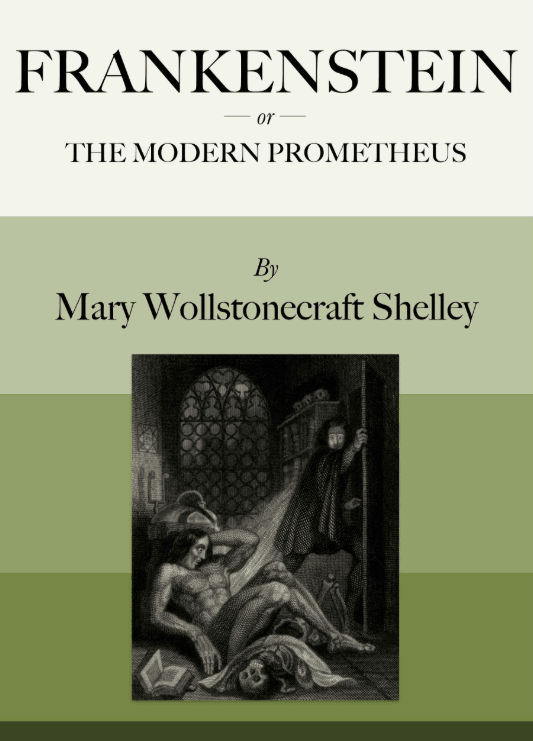
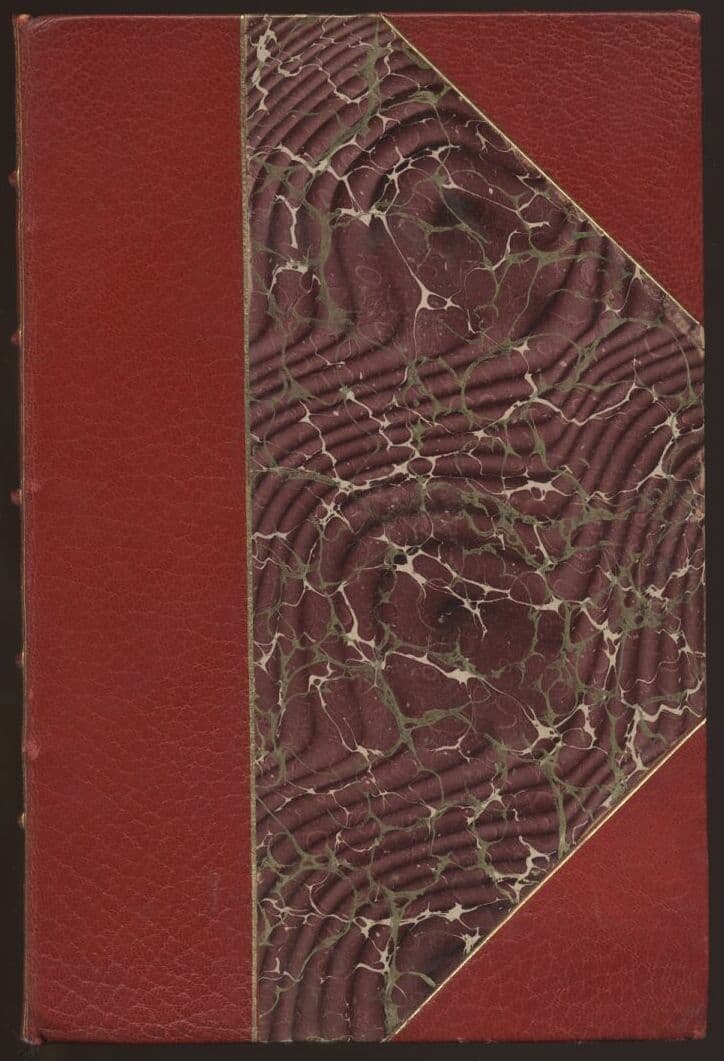
Frankenstein; Or, the Modern Prometheus
1818
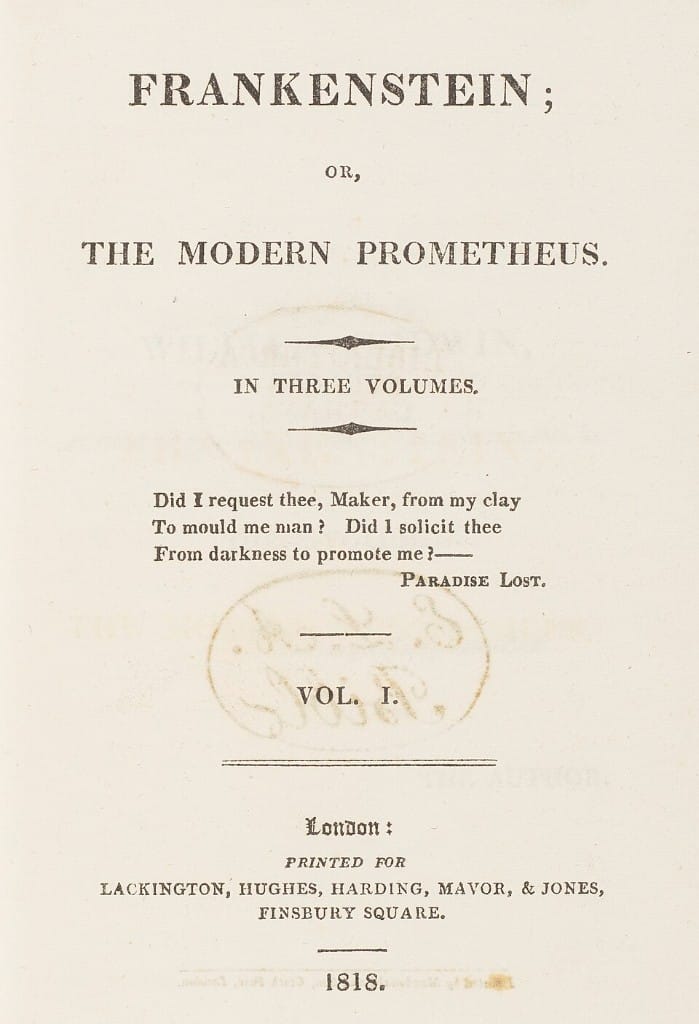
Frankenstein; Or, the Modern Prometheus
1818
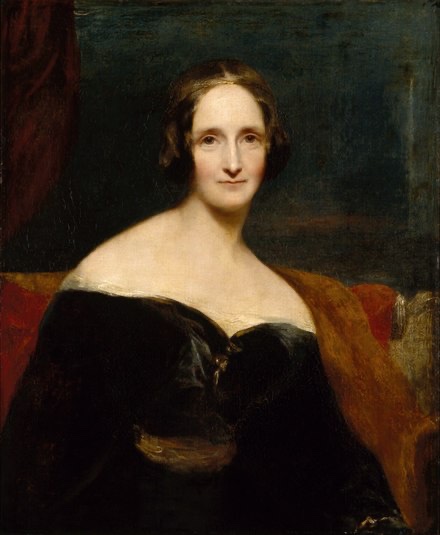
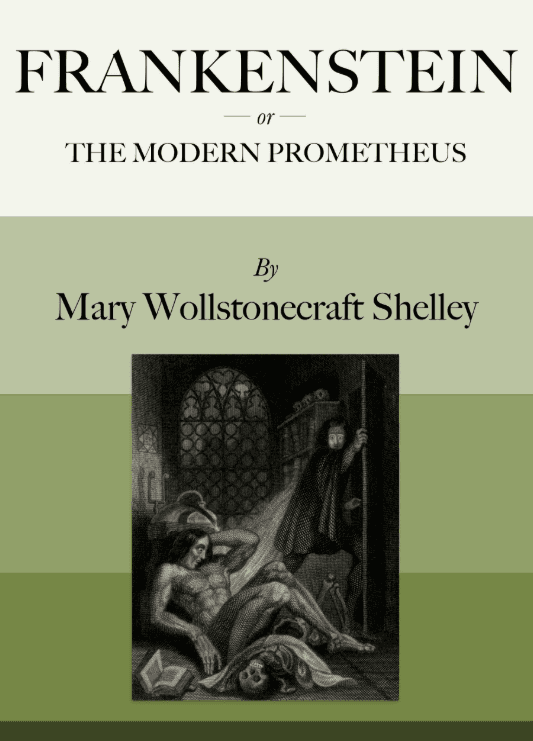
In the summer of 1816, an eighteen-year-old girl challenged her lovers to a ghost story contest and invented a monster. That is perhaps the only preamble Frankenstein needs. Mary Shelley's masterpiece began as a dare among the Romantic poets, but it became something far stranger: the first great novel about what we owe our creations, and what they owe us in return. Victor Frankenstein, a young scientist consumed by the ambition to penetrate the secrets of life, stitches together a body from stolen corpses and animates it in a moment of horrified revulsion. Then he runs. What follows is a gothic tragedy of abandonment and escalation, told through nested narratives: the Arctic explorer Robert Walton rescuing the dying Victor, Victor recounting his catastrophic experiment, and the creature himself demanding to be heard. The creature is articulate, intelligent, and utterly alone, rejected by his maker, spurned by every human he encounters, until loneliness curdles into vengeance. Victor, meanwhile, discovers too late that creation is only the beginning; responsibility is the price. The 1818 text crackles with Shelley's original radicalism, her unflinching examination of parenthood, abandonment, and what it means to bring something into existence you cannot bear to look at.
Editions
X-Ray
“Nothing is so painful to the human mind as a great and sudden change.””
— Mary Wollstonecraft Shelley
“Beware; for I am fearless, and therefore powerful.””
— Mary Wollstonecraft Shelley
“Life, although it may only be an accumulation of anguish, is dear to me, and I will defend it.””
— Mary Wollstonecraft Shelley
“I do know that for the sympathy of one living being, I would make peace with all. I have love in me the likes of which you can scarcely imagine and rage the likes of which you would not believe. If I cannot satisfy the one, I will indulge the other.””
— Mary Wollstonecraft Shelley
“There is something at work in my soul, which I do not understand.””
— Mary Wollstonecraft Shelley
“If I cannot inspire love, I will cause fear!””
— Mary Wollstonecraft Shelley
“I ought to be thy Adam, but I am rather the fallen angel...””
— Mary Wollstonecraft Shelley
“Even broken in spirit as he is, no one can feel more deeply than he does the beauties of nature. The starry sky, the sea, and every sight afforded by these wonderful regions, seems still to have the power of elevating his soul from earth. Such a man has a double existence: he may suffer misery, and be overwhelmed by disappointments; yet, when he has retired into himself, he will be like a celestial spirit that has a halo around him, within whose circle no grief or folly ventures.””
— Mary Wollstonecraft Shelley
“I have love in me the likes of which you can scarcely imagine and rage the likes of which you would not believe. If I cannot satisfy the one, I will indulge the other.””
— Mary Wollstonecraft Shelley
About Frankenstein; Or, the Modern Prometheus
Chapter Summaries
- Letter 1
- Robert Walton, an ambitious explorer, writes to his sister Margaret from St. Petersburgh, expressing his excitement for his voyage to the North Pole and his longing for a true friend.
- Letter 2
- Walton continues his correspondence from Archangel, lamenting his lack of a sympathetic friend and describing his crew, including a kind master and a courageous lieutenant. He expresses his deep desire for a companion who shares his intellectual pursuits.
- Letter 3
- Walton sends a brief letter, reporting that his voyage is progressing well and that his men are resolute, despite the dangers of the icy region. He remains optimistic about his success and assures his sister of his prudence.
Key Themes
- Dangerous Knowledge and Ambition
- Victor's relentless pursuit of the 'secrets of heaven and earth' and his ambition to create life lead to his downfall and the suffering of those around him. The novel questions the ethical boundaries of scientific discovery and the consequences of playing God.
- Isolation and Loneliness
- Both Victor and the Creature experience profound isolation. Victor isolates himself during his creation and later due to guilt and fear, while the Creature is ostracized by society due to his appearance, leading to his misery and vengeful acts.
- Prejudice and Appearance
- The Creature is inherently good and desires companionship, but his grotesque appearance causes universal rejection and fear. This prejudice transforms him into the monster he is perceived to be, highlighting society's superficiality and cruelty.
Characters
- Victor Frankenstein(protagonist)
- A brilliant but ambitious scientist who creates a sentient being and subsequently abandons it, leading to tragic consequences.
- The Creature(antagonist)
- Victor Frankenstein's creation, a sentient but hideous being who seeks acceptance and companionship but is met with rejection, leading him to seek revenge.
- Robert Walton(supporting)
- An ambitious explorer who captains a ship to the North Pole and encounters Victor Frankenstein, becoming the recipient of his tragic story.
- Elizabeth Lavenza(supporting)
- Victor's adopted cousin, fiancée, and wife, depicted as a beacon of purity and kindness, who becomes a victim of the Creature's revenge.
- Henry Clerval(supporting)
- Victor's loyal and compassionate childhood friend who follows him to Ingolstadt and later accompanies him on his travels, eventually becoming a victim of the Creature.
- Alphonse Frankenstein(supporting)
- Victor's benevolent and respected father, who endures immense grief due to the tragedies befalling his family.
Link to this book
Add a free, dofollow link to Lex on your blog, forum, syllabus, or reading list.

<a href="https://lex-books.com/book/frankenstein-or-the-modern-prometheus-6de4f455-6dd6-425d-96a2-7c69910ba258"><img src="https://lex-books.com/badges/read-on-lex.svg" alt="Read Frankenstein; Or, the Modern Prometheus by Mary Wollstonecraft Shelley free on Lex" width="160" height="40"></a>[](https://lex-books.com/book/frankenstein-or-the-modern-prometheus-6de4f455-6dd6-425d-96a2-7c69910ba258)[url=https://lex-books.com/book/frankenstein-or-the-modern-prometheus-6de4f455-6dd6-425d-96a2-7c69910ba258][img]https://lex-books.com/badges/read-on-lex.svg[/img][/url]Read Frankenstein; Or, the Modern Prometheus by Mary Wollstonecraft Shelley free on Lex: https://lex-books.com/book/frankenstein-or-the-modern-prometheus-6de4f455-6dd6-425d-96a2-7c69910ba258Cite this book
Reading this edition for a paper or guide? Copy a citation.
Shelley, Mary Wollstonecraft. Frankenstein; Or, the Modern Prometheus. Lex, lex-books.com/book/frankenstein-or-the-modern-prometheus-6de4f455-6dd6-425d-96a2-7c69910ba258.Shelley, M. W. (1818). Frankenstein; Or, the Modern Prometheus. Lex. https://lex-books.com/book/frankenstein-or-the-modern-prometheus-6de4f455-6dd6-425d-96a2-7c69910ba258Shelley, Mary Wollstonecraft. Frankenstein; Or, the Modern Prometheus. Lex. https://lex-books.com/book/frankenstein-or-the-modern-prometheus-6de4f455-6dd6-425d-96a2-7c69910ba258.