The Complete Works of William Shakespeare
1623

The Complete Works of William Shakespeare
1623
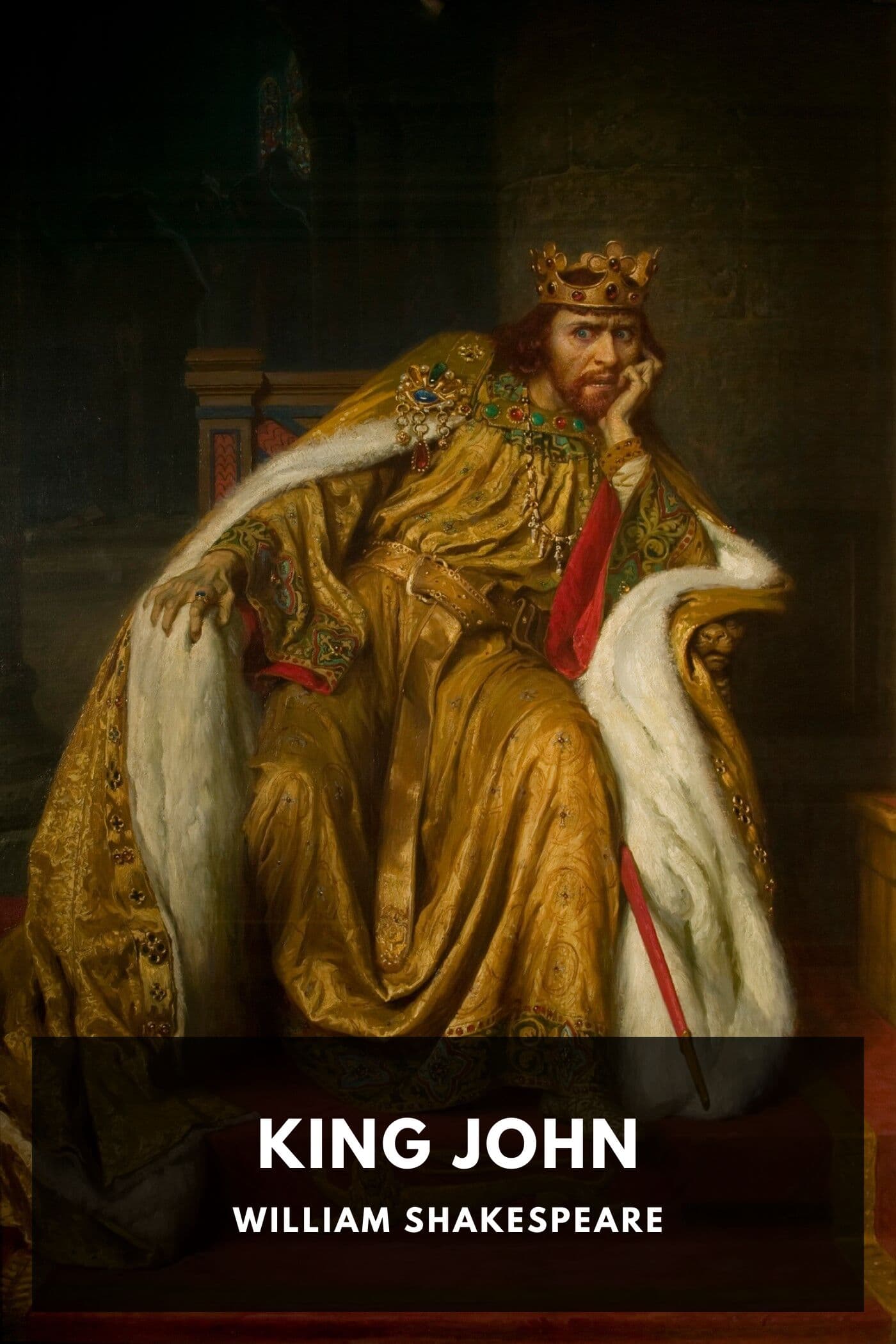
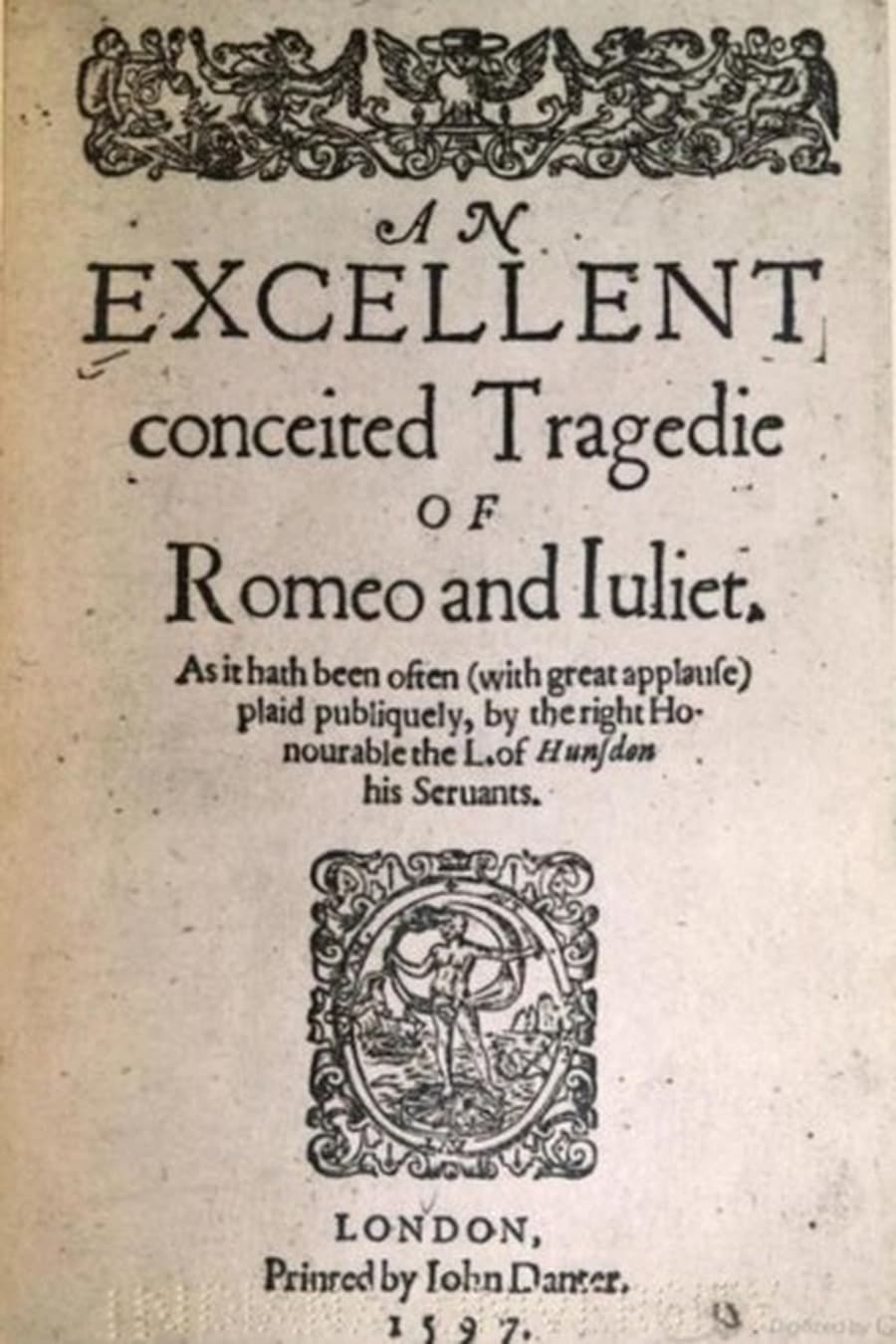
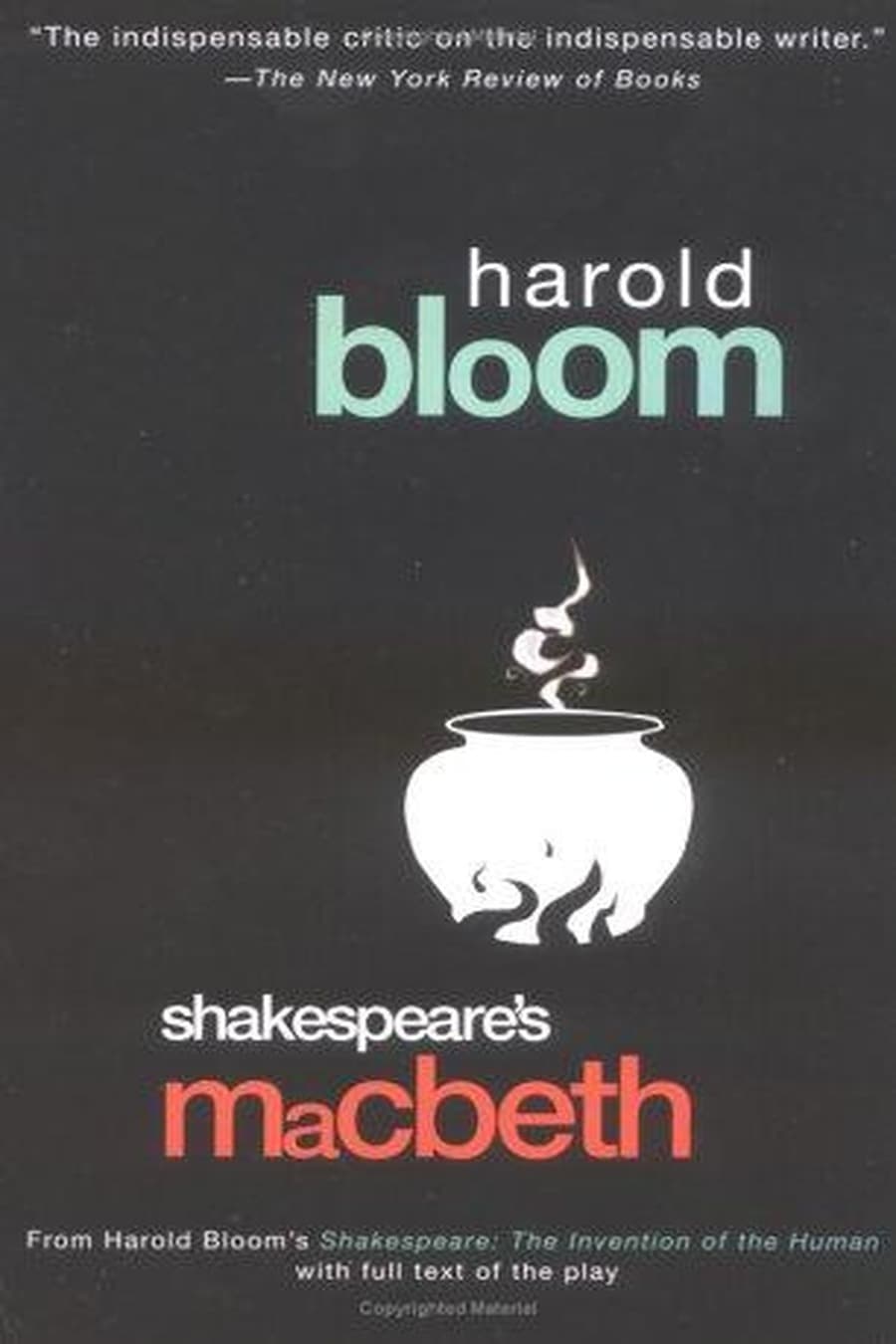
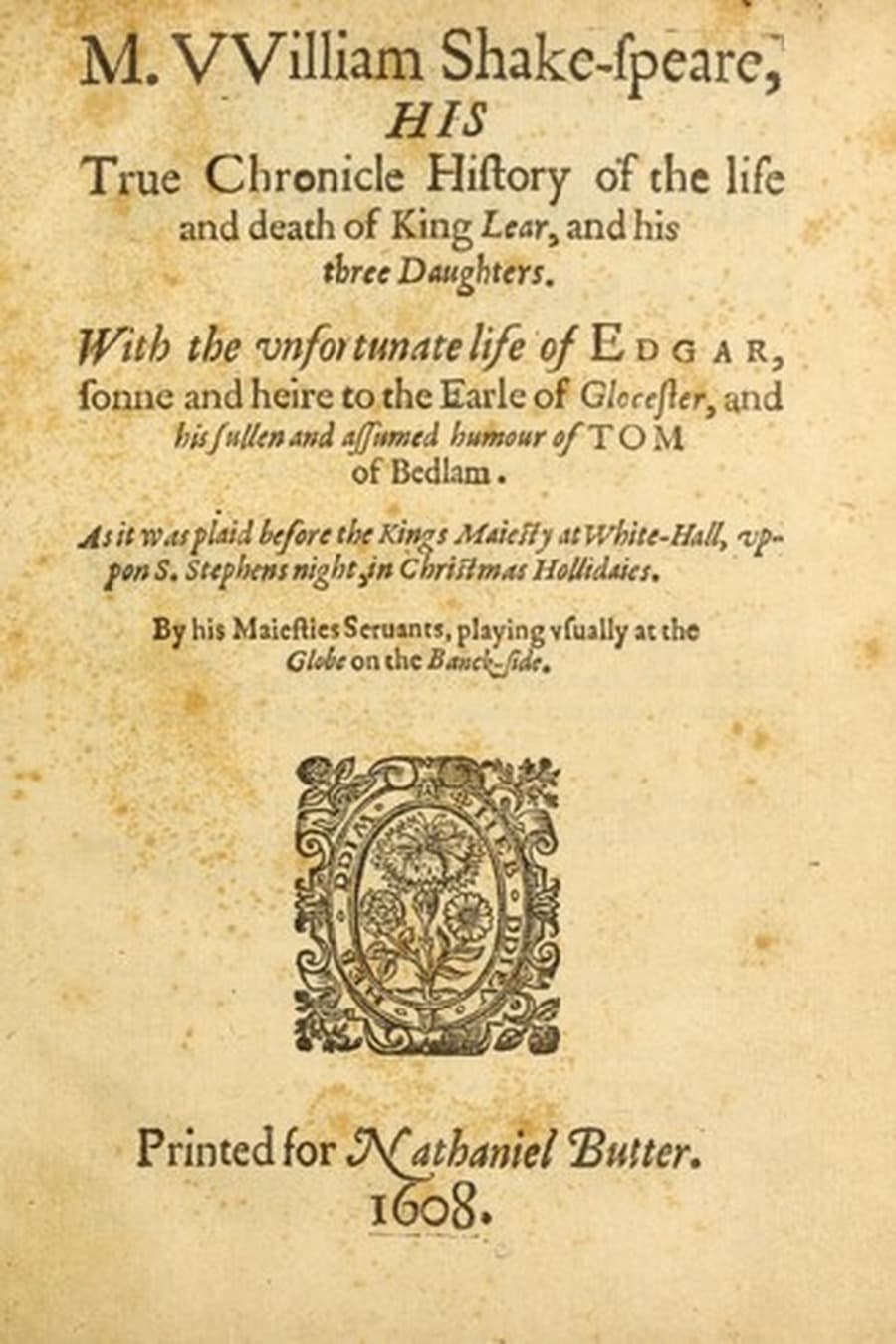
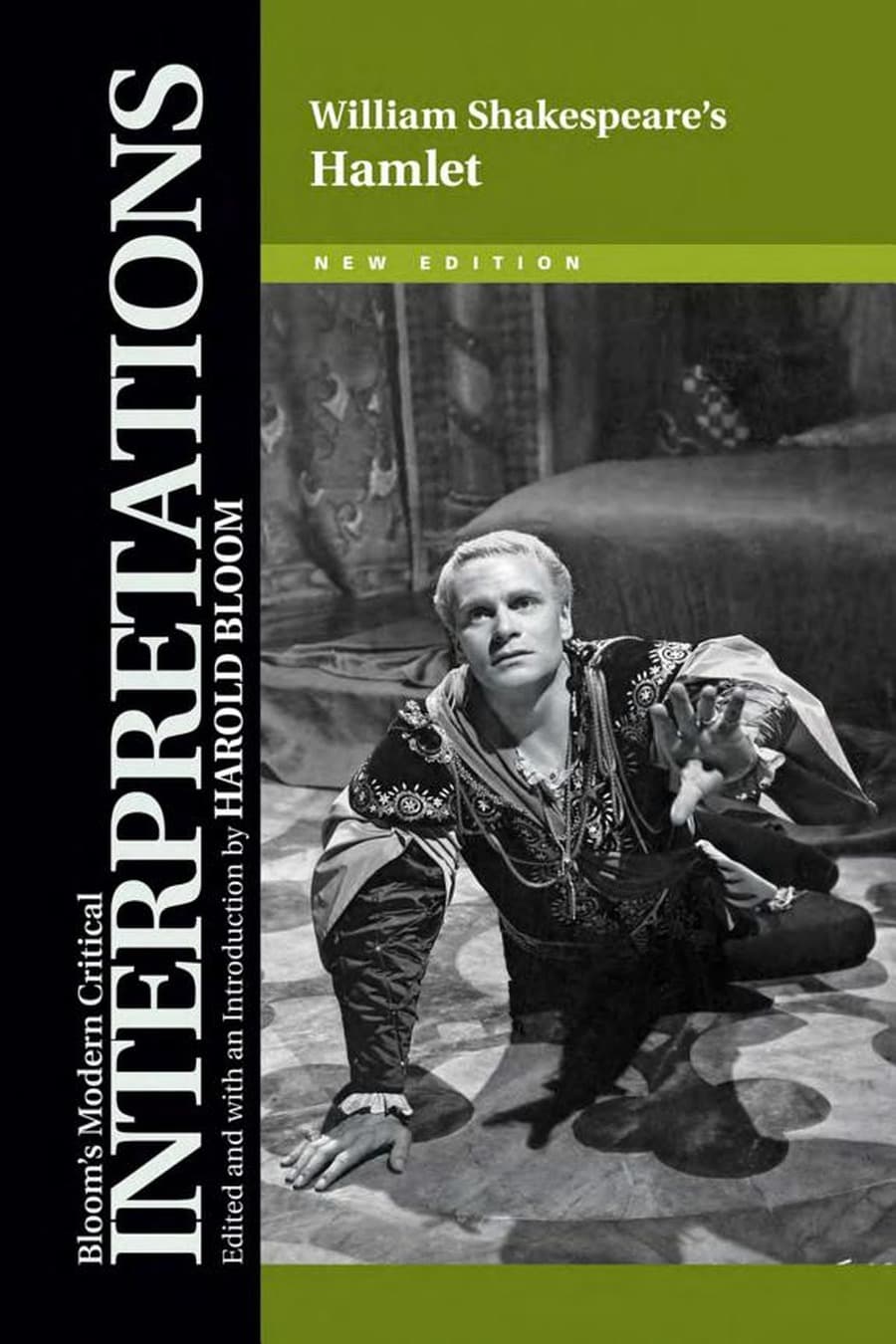
Thirty-eight plays, 154 sonnets, and two epic poems that rewired the English language forever. Shakespeare wrote about kings and clowns, murderers and lovers, ghosts and groundlings, and in doing so, mapped every corner of the human heart. Here is the tragedy of Hamlet pondering existence in the space between words. Here is the ferocious jealousy of Othello and the bitter comedy of the three Weird Sisters. Here are the histories that turn crown-wearers into flesh. Here are the sonnets that ache with the terror of time and the stubborn insistence on beauty. His characters speak in puns and poetry, in insults precise as surgical blades and declarations that still make readers weep four centuries later. He gave us words we cannot live without: assassination, eyeball, bedroom, lonely, generous. Yet beyond the lexical invention lies something irreducible: a writer who understood that power corrupts, that love makes fools of the clever, that the dead may speak, and that the play is always, somehow, the thing wherein you'll catch the conscience of the king.
Editions

X-Ray
“Who knows himself a braggart, let him fear this, for it will come to pass that every braggart shall be found an ass.””
— William Shakespeare
“Sir, I am a true laborer; I earn that I eat, get that I wear; owe no man hate, envy no man’s happiness; glad of other men’s good, content with my harm; and the greatest of my pride is to see my ewes graze and my lambs suck.” (As You Like It, Act 3, Sc. 2.)””
— William Shakespeare
“better a little chiding than a great deal of heart-break.””
— William Shakespeare
“Light, seeking light, doth light of light beguile; So ere you find where light in darkness lies, Your light grows dark by losing of your eyes.””
— William Shakespeare
“The fine purple cloaks, the holiday garments, elsewhere signs of gayety of mind, are stained with blood and bordered with black. Throughout a stern discipline, the axe ready for every suspicion of treason; “great men, bishops, a chancellor, princes, the king’s relations, queens, a protector kneeling in the straw, sprinkled the Tower with their blood; one after the other they marched past, stretched out their necks; the Duke of Buckingham, Queen Anne Boleyn, Queen Catherine Howard, the Earl of Surrey, Admiral Seymour, the Duke of Somerset, Lady Jane Grey and her husband, the Duke of Northumberland, the Earl of Essex, all on the throne, or on the steps of the throne, in the highest ranks of honor, beauty, youth, genius; of the bright procession nothing is left but senseless trunks, marred by the tender mercies of the executioner.””
— William Shakespeare
“Keep up your bright swords, for the dew will rust them.””
— William Shakespeare
“Humanity is as much lacking as decency. Blood, suffering, does not move them. The court frequents bull and bear baitings; Elizabeth beats her maids, spits upon a courtier’s fringed coat, boxes Essex’s ears; great ladies beat their children and their servants. “The sixteenth century,” he says, “is like a den of lions. Amid passions so strong as these there is not one lacking. Nature appears here in all its violence, but also in all its fullness. If nothing has been softened, nothing has been mutilated. It is the entire man who is displayed, heart, mind, body, senses, with his noblest and finest aspirations, as with his most bestial and savage appetites, without the preponderance of any dominant passion to cast him altogether in one direction, to exalt or degrade him. He has not become rigid as he will under Puritanism.””
— William Shakespeare
“Could ever hear by tale or history, The course of true love never did run smooth;””
— William Shakespeare
“Would the fountain of your mind were clear again,that I might water an ass at it!””
— William Shakespeare
Link to this book
Add a free, dofollow link to Lex on your blog, forum, syllabus, or reading list.

<a href="https://lex-books.com/book/the-complete-works-of-william-shakespeare-b9e70683-7644-4ea4-84e4-7fcc0a80621a"><img src="https://lex-books.com/badges/read-on-lex.svg" alt="Read The Complete Works of William Shakespeare by William Shakespeare free on Lex" width="160" height="40"></a>[](https://lex-books.com/book/the-complete-works-of-william-shakespeare-b9e70683-7644-4ea4-84e4-7fcc0a80621a)[url=https://lex-books.com/book/the-complete-works-of-william-shakespeare-b9e70683-7644-4ea4-84e4-7fcc0a80621a][img]https://lex-books.com/badges/read-on-lex.svg[/img][/url]Read The Complete Works of William Shakespeare by William Shakespeare free on Lex: https://lex-books.com/book/the-complete-works-of-william-shakespeare-b9e70683-7644-4ea4-84e4-7fcc0a80621aCite this book
Reading this edition for a paper or guide? Copy a citation.
Shakespeare, William. The Complete Works of William Shakespeare. Lex, lex-books.com/book/the-complete-works-of-william-shakespeare-b9e70683-7644-4ea4-84e4-7fcc0a80621a.Shakespeare, W. (1623). The Complete Works of William Shakespeare. Lex. https://lex-books.com/book/the-complete-works-of-william-shakespeare-b9e70683-7644-4ea4-84e4-7fcc0a80621aShakespeare, William. The Complete Works of William Shakespeare. Lex. https://lex-books.com/book/the-complete-works-of-william-shakespeare-b9e70683-7644-4ea4-84e4-7fcc0a80621a.