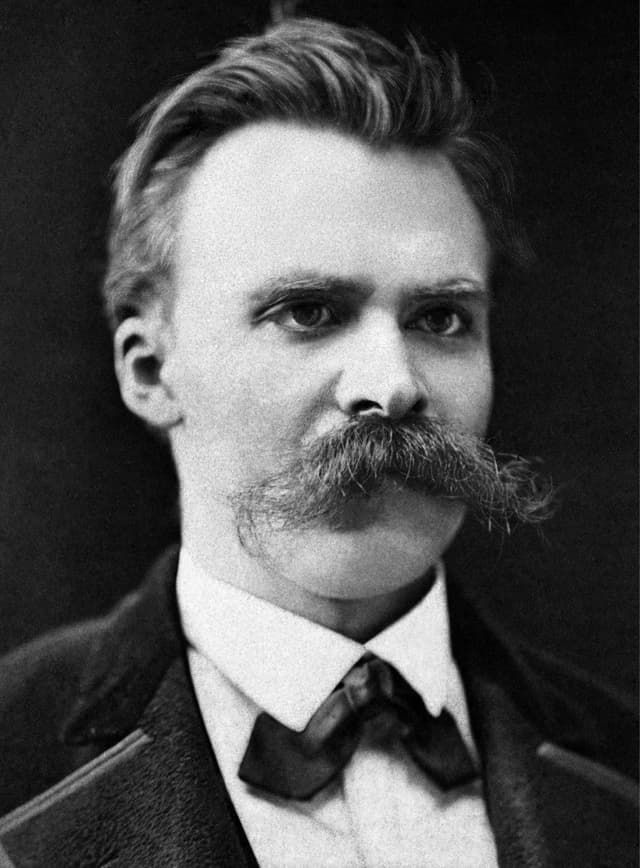
Friedrich Wilhelm Nietzsche
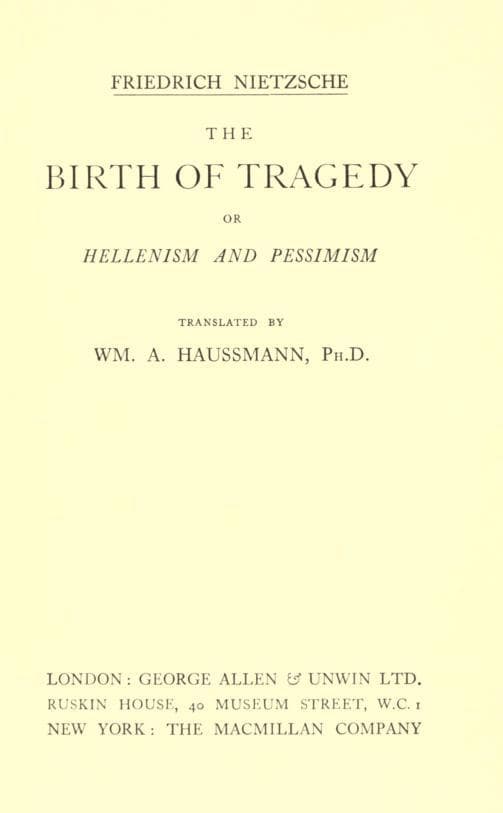
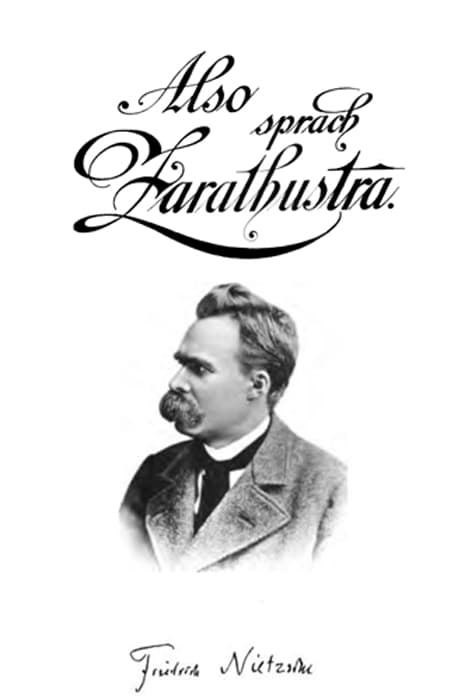
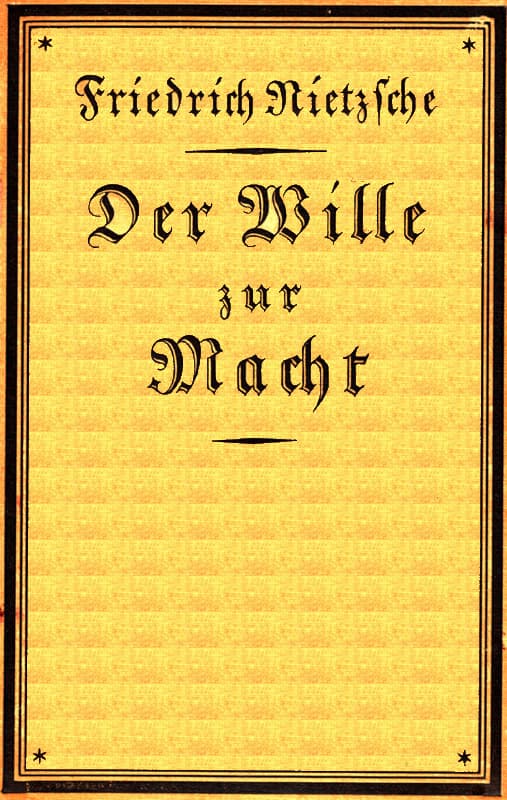
Friedrich Wilhelm Nietzsche was a German philosopher whose radical ideas challenged the foundations of Western thought. Initially a classical philologist, he became the youngest professor to hold the Chair of Classical Philology at the University of Basel at just 24 years old. Despite his promising academic career, Nietzsche faced debilitating health issues that forced him to resign in 1879. The subsequent decade marked a prolific period in which he produced many of his most significant works, including 'Thus Spoke Zarathustra,' 'Beyond Good and Evil,' and 'The Birth of Tragedy.' His writings explored themes such as the critique of religion, the concept of the Übermensch, and the notion of eternal return, all while employing a distinctive style rich in aphorisms and irony. Nietzsche's philosophy questioned traditional notions of truth and morality, advocating for a perspective that embraced life's inherent chaos and the individual's creative power to forge new values. His ideas on master-slave morality and the will to power have had a lasting influence on various fields, including existentialism and postmodernism. However, after his mental collapse in 1889, his legacy became complicated by the manipulations of his sister, Elisabeth, who aligned his work with ultranationalist ideologies contrary to his own beliefs. Despite this distortion, Nietzsche's thought has experienced a resurgence in the 20th and 21st centuries, impacting philosophy, literature, and the arts, and continues to provoke discussion and debate today.
Famous Quotes
View all 26 quotes“Suppose a human being has thus put his ear, as it were, to the heart chamber of the world will and felt the roaring desire for existence pouring from there into all the veins of the world, as a thundering current or as the gentlest brook, dissolving into a mist—how could he fail to break suddenly? How could he endure to perceive the echo of innumerable shouts of pleasure and woe in the "wide space of the world night," enclosed in the wretched glass capsule of the human individual, without inexorably fleeing toward his primordial home, as he hears this shepherd's dance of metaphysics? But if such a work could nevertheless be perceived as a whole, without denial of individual existence; if such a creation could be created without smashing its creator—whence do we take the solution of such a contradiction?”
“Consider the cattle, grazing as they pass you by. They do not know what is meant by yesterday or today, they leap about, eat, rest, digest, leap about again, and so from morn till night and from day to day, fettered to the moment and its pleasure or displeasure, and thus neither melancholy nor bored. [...] A human being may well ask an animal: 'Why do you not speak to me of your happiness but only stand and gaze at me?' The animal would like to answer, and say, 'The reason is I always forget what I was going to say' - but then he forgot this answer too, and stayed silent.”
“Remain faithful to the earth, my brothers, with the power of your virtue. Let your gift-giving love and your knowledge serve the meaning of the earth. Thus I beg and beseech you. Do not let them fly away from earthly things and beat with their wings against eternal walls. Alas, there has always been so much virtue that has flown away. Lead back to the earth the virtue that flew away, as I do—back to the body, back to life, that it may give the earth a meaning, a human meaning.”
Books from the author
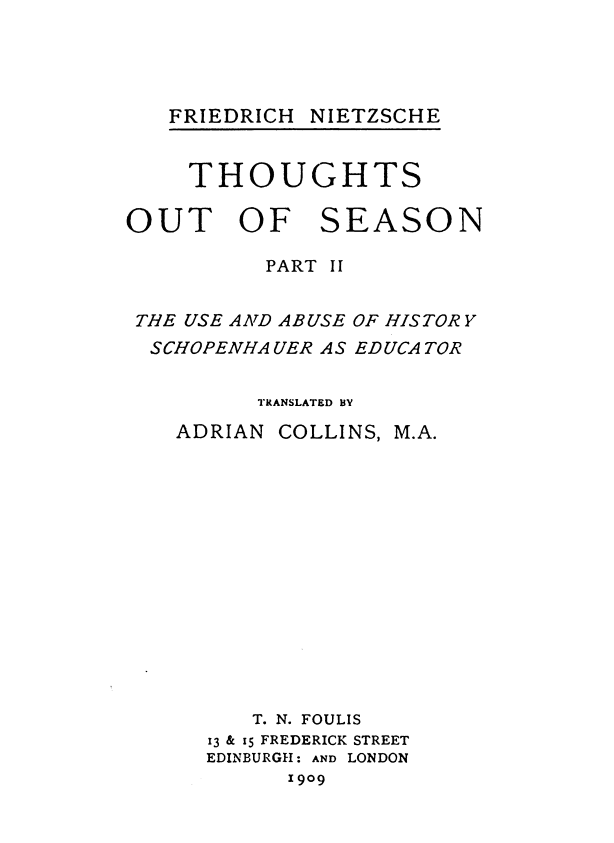
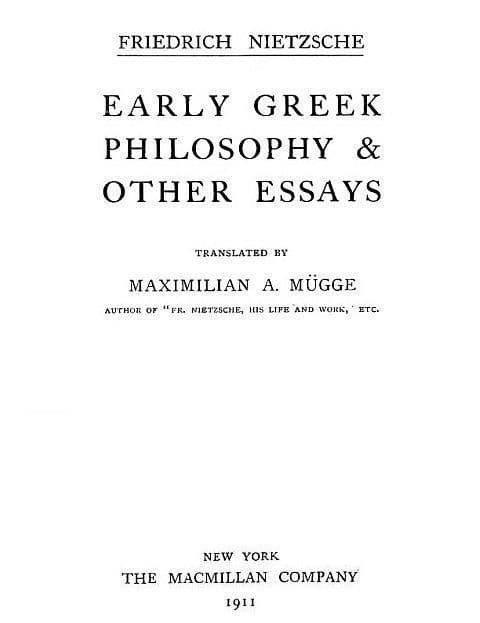
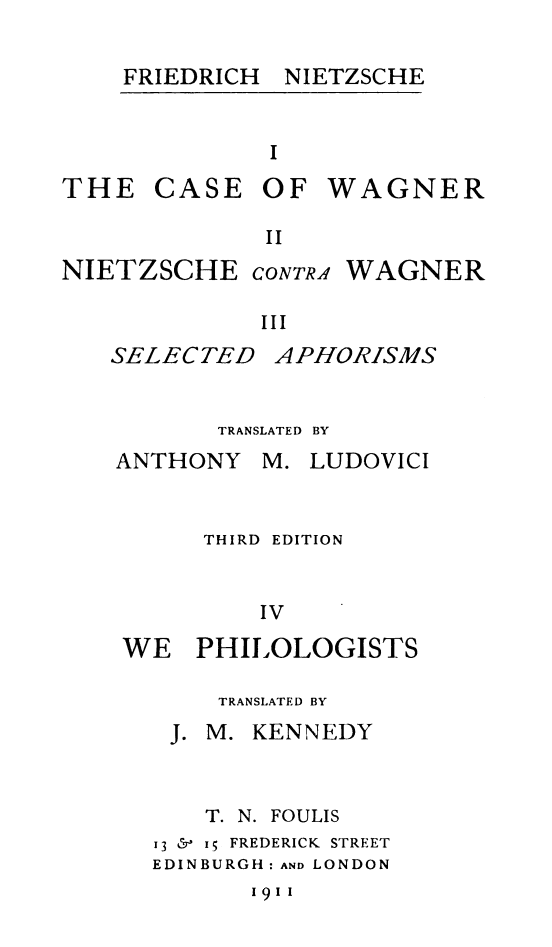
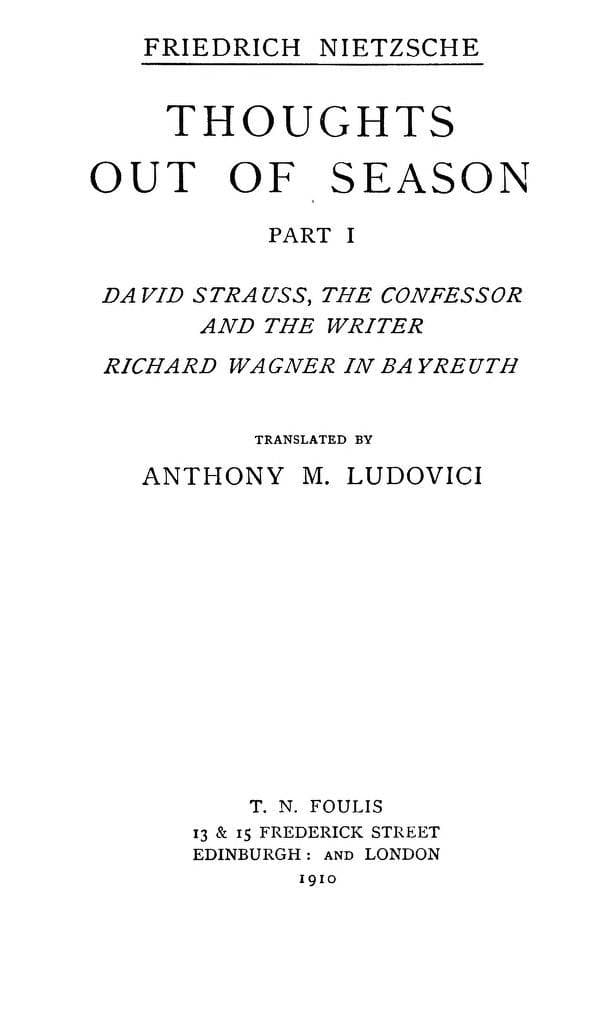
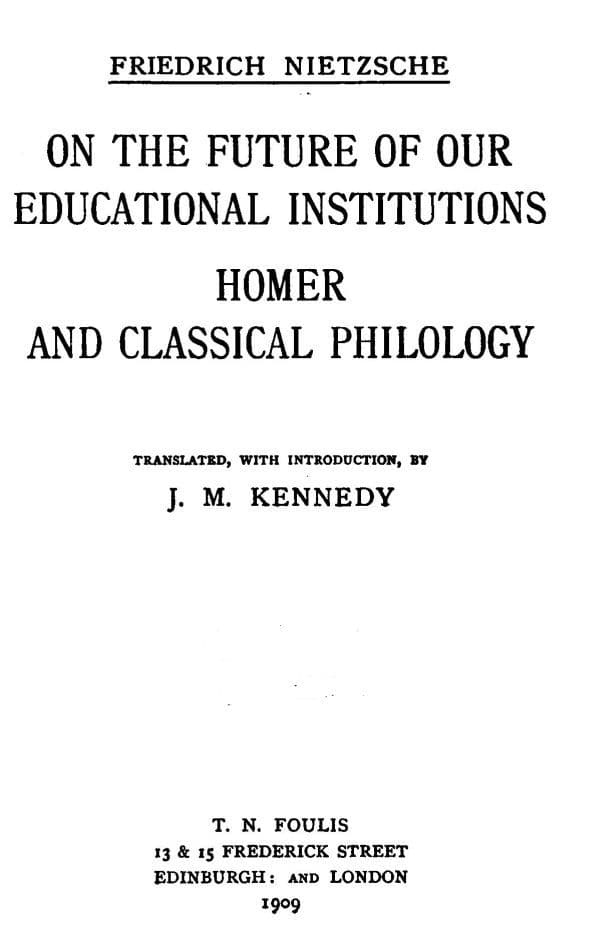


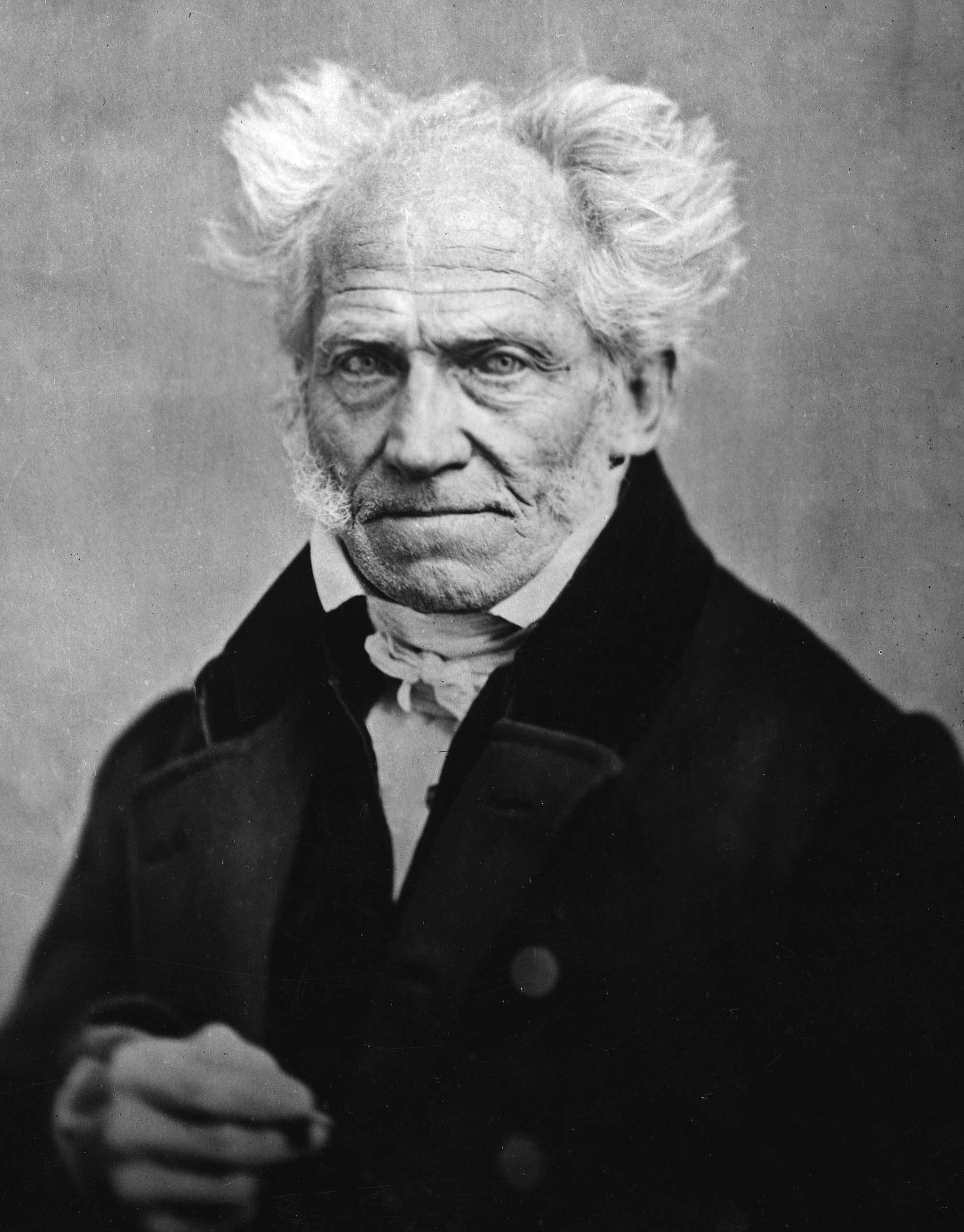
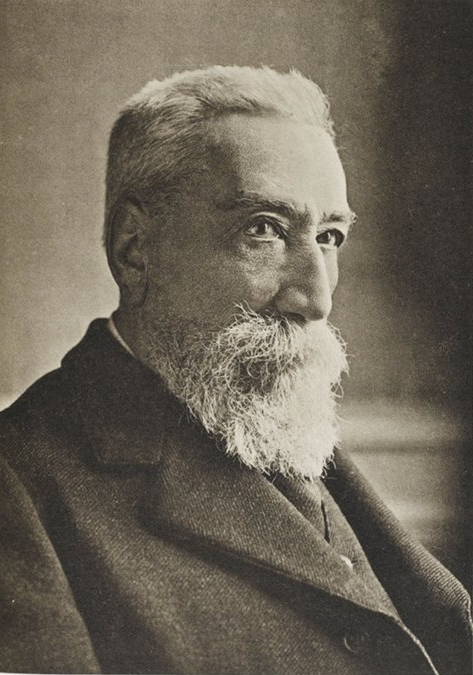
Link to this page
Add a free, dofollow link to Lex on your blog, forum, syllabus, or reading list.

<a href="https://lex-books.com/author/friedrich-wilhelm-nietzsche"><img src="https://lex-books.com/badges/read-on-lex.svg" alt="Friedrich Wilhelm Nietzsche on Lex" width="160" height="40"></a>[](https://lex-books.com/author/friedrich-wilhelm-nietzsche)[url=https://lex-books.com/author/friedrich-wilhelm-nietzsche][img]https://lex-books.com/badges/read-on-lex.svg[/img][/url]Friedrich Wilhelm Nietzsche on Lex: https://lex-books.com/author/friedrich-wilhelm-nietzsche