Ainsi Parlait Zarathoustra
1972
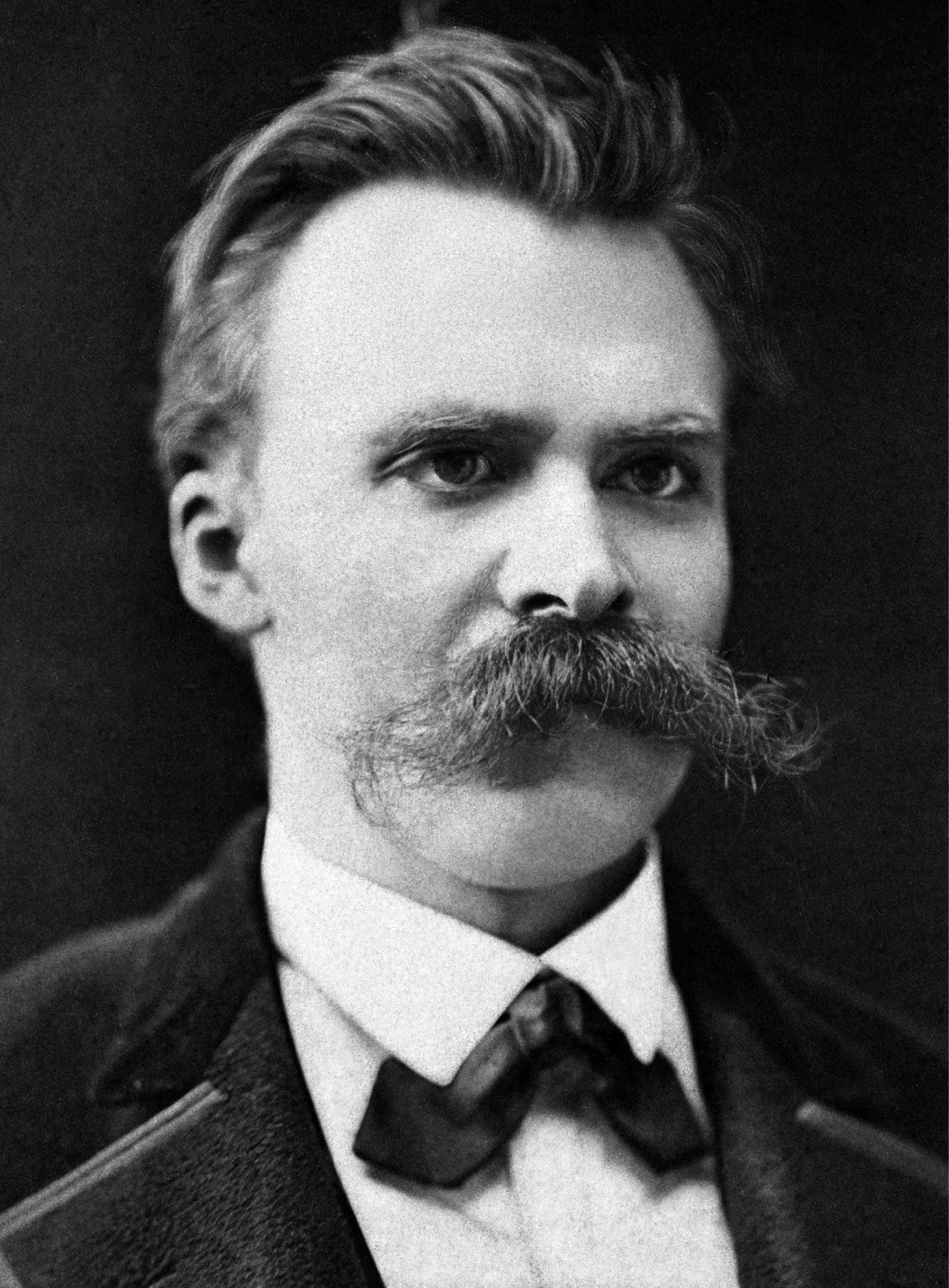
The most dangerous book in Western philosophy arrives in the form of a prophecy. Nietzsche's Zarathustra descends from ten years of mountain solitude to deliver a message the world is not ready to hear: God is dead, and humanity must learn to live without him. In prose that burns with poetic intensity, he announces the Übermensch, the being who creates values rather than inherits them; the eternal return, which demands we live as though we must repeat every moment forever; the will to power as the affirmation of life, not domination. He mocks the herd, celebrates the dancer, and tells humanity it is a rope stretched between animal and overman. This is not philosophy as scholarship. It is philosophy as assault, as呼唤, as something to be survived rather than simply read. The ideas here have been misquoted, misrepresented, and weaponized by those who never understood them. But nothing has diminished its power to shake comfortable certainties. For readers willing to be unsettled, to question what they were taught to revere, Zarathustra offers no comfort only the demand to become more than you are.
Editions
X-Ray
“I am a forest, and a night of dark trees: but he who is not afraid of my darkness, will find banks full of roses under my cypresses.””
— Friedrich Wilhelm Nietzsche
“The higher we soar the smaller we appear to those who cannot fly.””
— Friedrich Wilhelm Nietzsche
“you must be ready to burn yourself in your own flame;how could you rise anew if you have not first become ashes?””
— Friedrich Wilhelm Nietzsche
“Silence is worse; all truths that are kept silent become poisonous.””
— Friedrich Wilhelm Nietzsche
“The lonely one offers his hand too quickly to whomever he encounters.””
— Friedrich Wilhelm Nietzsche
“One repays a teacher badly if one always remains nothing but a pupil.””
— Friedrich Wilhelm Nietzsche
“There is more wisdom in your body than in your deepest philosophy.””
— Friedrich Wilhelm Nietzsche
“Become who you are!””
— Friedrich Wilhelm Nietzsche
“But the worst enemy you can meet will always be yourself; you lie in wait for yourself in caverns and forests. Lonely one, you are going the way to yourself! And your way goes past yourself, and past your seven devils! You will be a heretic to yourself and witch and soothsayer and fool and doubter and unholy one and villain. You must be ready to burn yourself in your own flame: how could you become new, if you had not first become ashes?””
— Friedrich Wilhelm Nietzsche
Link to this book
Add a free, dofollow link to Lex on your blog, forum, syllabus, or reading list.

<a href="https://lex-books.com/book/ainsi-parlait-zarathoustra-06887e05-f605-498b-990d-b05f0c7024f1"><img src="https://lex-books.com/badges/read-on-lex.svg" alt="Read Ainsi Parlait Zarathoustra by Friedrich Wilhelm Nietzsche free on Lex" width="160" height="40"></a>[](https://lex-books.com/book/ainsi-parlait-zarathoustra-06887e05-f605-498b-990d-b05f0c7024f1)[url=https://lex-books.com/book/ainsi-parlait-zarathoustra-06887e05-f605-498b-990d-b05f0c7024f1][img]https://lex-books.com/badges/read-on-lex.svg[/img][/url]Read Ainsi Parlait Zarathoustra by Friedrich Wilhelm Nietzsche free on Lex: https://lex-books.com/book/ainsi-parlait-zarathoustra-06887e05-f605-498b-990d-b05f0c7024f1Cite this book
Reading this edition for a paper or guide? Copy a citation.
Nietzsche, Friedrich Wilhelm. Ainsi Parlait Zarathoustra. Lex, lex-books.com/book/ainsi-parlait-zarathoustra-06887e05-f605-498b-990d-b05f0c7024f1.Nietzsche, F. W. (1972). Ainsi Parlait Zarathoustra. Lex. https://lex-books.com/book/ainsi-parlait-zarathoustra-06887e05-f605-498b-990d-b05f0c7024f1Nietzsche, Friedrich Wilhelm. Ainsi Parlait Zarathoustra. Lex. https://lex-books.com/book/ainsi-parlait-zarathoustra-06887e05-f605-498b-990d-b05f0c7024f1.