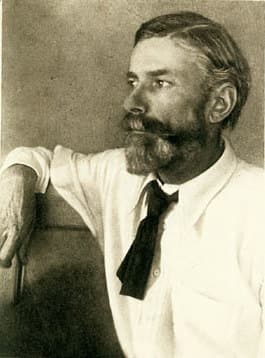
Edward Carpenter
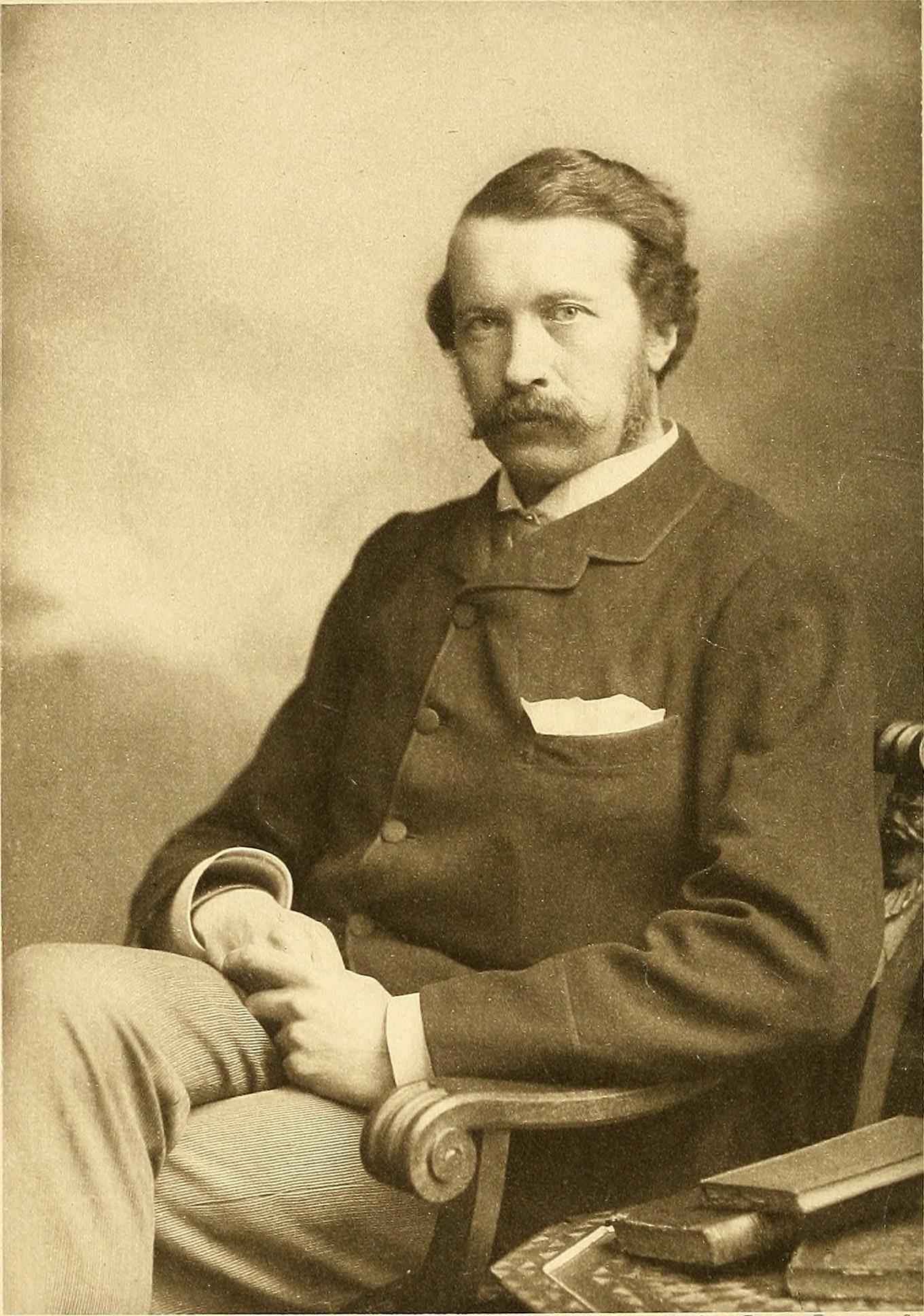
Edward Carpenter was an influential English poet, philosopher, and early activist whose work spanned various social issues, including gay rights, prison reform, and vegetarianism. Born into a well-to-do family, Carpenter's intellectual pursuits led him to become a prominent figure in the utopian socialist movement. His notable work, "Civilisation: Its Cause and Cure," presented a critical view of modern society, likening civilization to a disease that humanity must overcome. This provocative perspective not only challenged prevailing norms but also inspired future generations of thinkers and writers. Carpenter's advocacy for sexual liberation was groundbreaking for his time, and his ideas significantly influenced notable figures such as D. H. Lawrence and Sri Aurobindo. His impact extended to literature, notably inspiring E. M. Forster's novel "Maurice," which explored themes of homosexuality and societal acceptance. Carpenter's legacy as a pioneer of social reform and a voice for marginalized communities continues to resonate, marking him as a key figure in the evolution of modern thought regarding sexuality and human rights.
Famous Quotes
View all 3 quotes“Anyone who realises what Love is, the dedication of the heart, so profound, so absorbing, so mysterious, so imperative, and always just in the noblest natures so strong, cannot fail to see how difficult, how tragic even, must often be the fate of those whose deepest feelings are destined from the earliest days to be a riddle and a stumbling-block, unexplained to themselves, passed over in silence by others.”
“[A]s people are beginning to see that the sexes form in a certain sense a continuous group, so they are beginning to see that Love and Friendship which have been so often set apart from each other as things distinct are in reality closely related and shade imperceptibly into each other. Women are beginning to demand that Marriage shall mean Friendship as well as Passion; that a comrade-like Equality shall be included in the word Love; and it is recognised that from the one extreme of a 'Platonic' friendship (generally between persons of the same sex) up to the other extreme of passionate love (generally between persons of opposite sex) no hard and fast line can at any point be drawn effectively separating the different kinds of attachment. We know, in fact, of Friendships so romantic in sentiment that they verge into love; we know of Loves so intellectual and spiritual that they hardly dwell in the sphere of Passion.”
“That men of this kind despise women, though a not uncommon belief, is one which hardly appears to be justified. Indeed, though naturally not inclined to 'fall in love' in this direction, such men are by their nature drawn rather near to women, and it would seem that they often feel a singular appreciation and understanding of the emotional needs and destinies of the other sex, leading in many cases to a genuine though what is called 'Platonic' friendship. There is little doubt that they are often instinctively sought after by women, who, without suspecting the real cause, are conscious of a sympathetic chord in the homogenic which they miss in the normal man.”
Books from the author







Link to this page
Add a free, dofollow link to Lex on your blog, forum, syllabus, or reading list.

<a href="https://lex-books.com/author/edward-carpenter"><img src="https://lex-books.com/badges/read-on-lex.svg" alt="Edward Carpenter on Lex" width="160" height="40"></a>[](https://lex-books.com/author/edward-carpenter)[url=https://lex-books.com/author/edward-carpenter][img]https://lex-books.com/badges/read-on-lex.svg[/img][/url]Edward Carpenter on Lex: https://lex-books.com/author/edward-carpenter