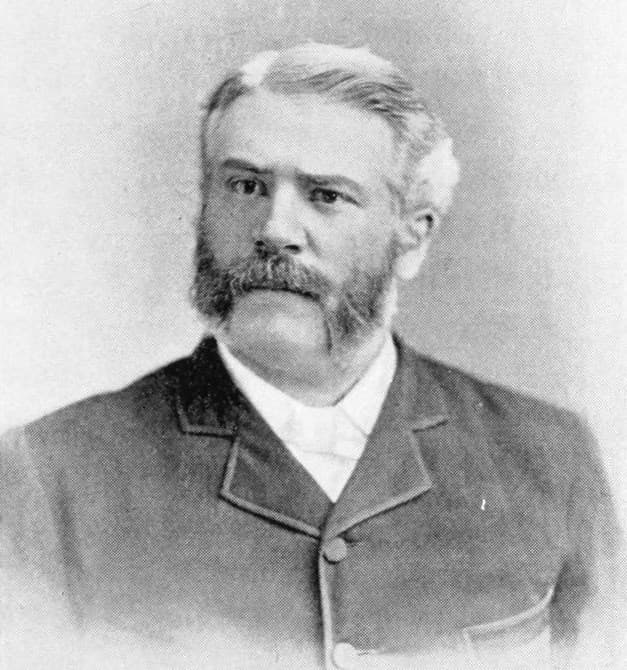
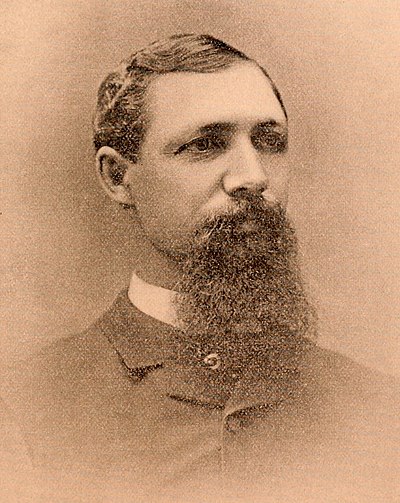
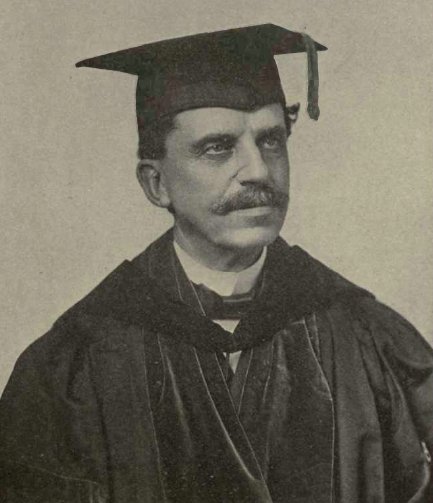
Jesse Lyman Hurlbut
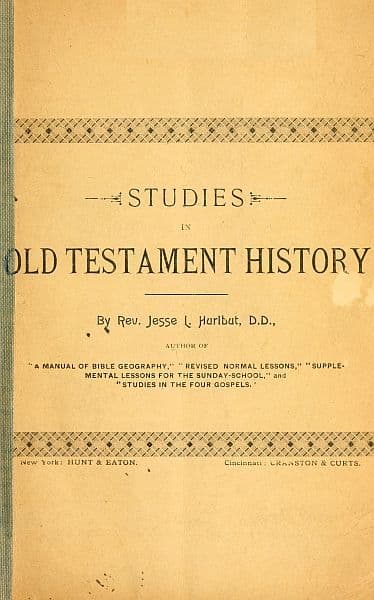
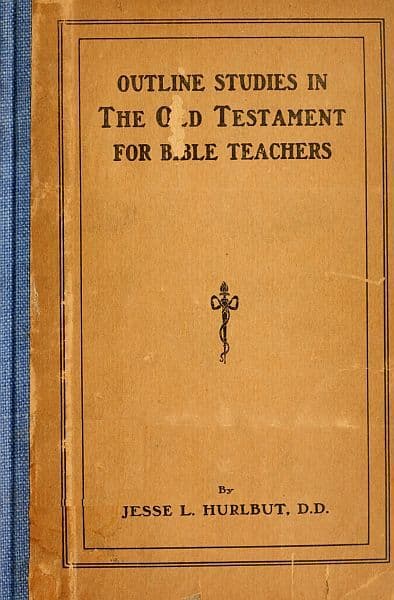
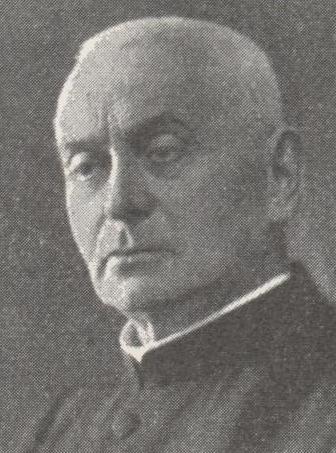
Jesse Lyman Hurlbut was an influential American clergyman and educator within the Methodist Episcopal Church, known for his extensive contributions to religious literature and education. Born in New York City, he graduated from Wesleyan University in 1864 and served as a pastor in various New Jersey communities, including Newark and Montclair. His commitment to the church extended beyond the pulpit; after 1879, he became deeply involved in Sunday-school and tract work, emphasizing the importance of religious education in the community. Hurlbut also played a significant role in the Epworth League, serving as secretary from 1889 to 1892, and collaborated with J. H. Vincent in directing the Chautauqua Literary and Scientific Circle, which aimed to promote lifelong learning and cultural enrichment. Hurlbut's literary legacy is particularly marked by his works that aimed to make religious education accessible and engaging. His notable publications include 'The Story of the Bible' and 'The Life of Christ,' which sought to present biblical narratives in a way that was relatable to readers of his time. Through these works, he contributed to the popularization of religious texts and education, making them more approachable for the layperson. Hurlbut's dedication to both pastoral duties and educational initiatives left a lasting impact on the Methodist community and the broader landscape of American religious literature, solidifying his role as a key figure in the development of religious education in the late 19th and early 20th centuries.
Famous Quotes
View all 3 quotes“El 17 de abril de 1521 Lutero estaba ante la Dieta, presidida por el emperador. En respuesta a la pregunta de si quería retractarse de las declaraciones de sus libros, después de considerarlo respondió que no podía retractarse de nada excepto de lo que desaprobara la Escritura o la razón, terminando con las palabras: “Aquí estoy. No puedo hacer otra cosa. Que Dios me ayude. Amén.”
“soon as the people of Gibeon heard this they sent to Joshua, saying: “Come quickly and help us; for we are your servants; and the king of Jerusalem is coming with a great army to kill us all, and destroy our cities. The whole country is in arms”
“This was the end of Jewish history as a separate”
Books from the author
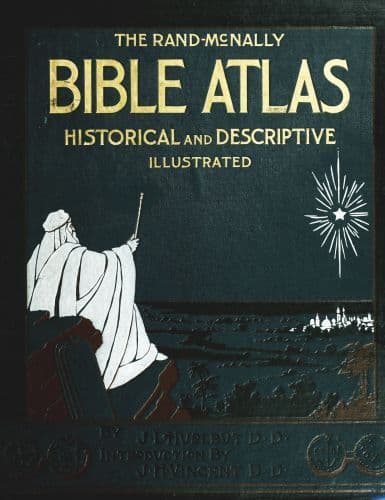
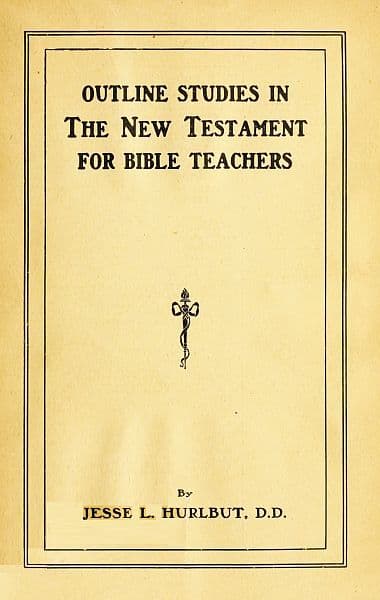
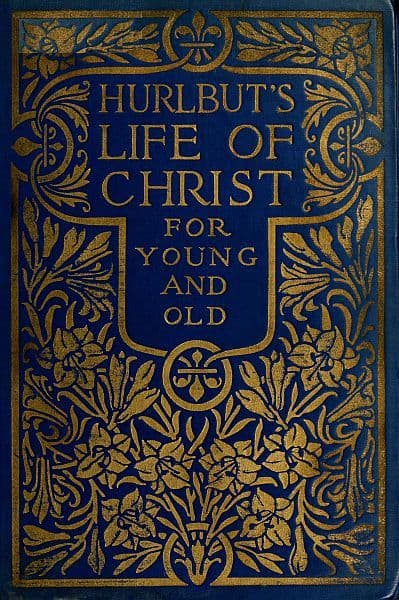


Link to this page
Add a free, dofollow link to Lex on your blog, forum, syllabus, or reading list.

<a href="https://lex-books.com/author/jesse-lyman-hurlbut"><img src="https://lex-books.com/badges/read-on-lex.svg" alt="Jesse Lyman Hurlbut on Lex" width="160" height="40"></a>[](https://lex-books.com/author/jesse-lyman-hurlbut)[url=https://lex-books.com/author/jesse-lyman-hurlbut][img]https://lex-books.com/badges/read-on-lex.svg[/img][/url]Jesse Lyman Hurlbut on Lex: https://lex-books.com/author/jesse-lyman-hurlbut