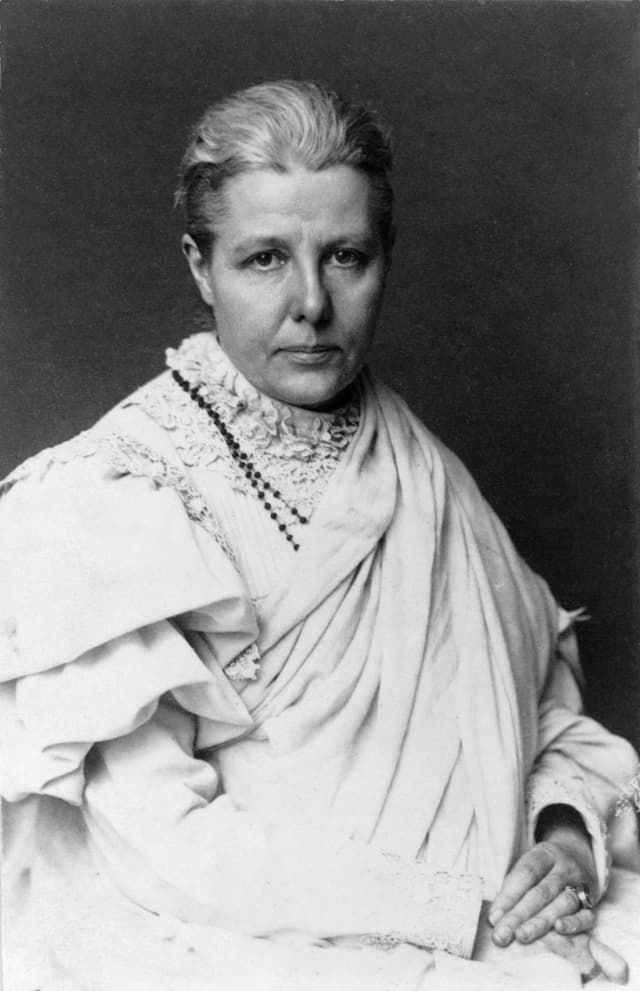
Annie Besant
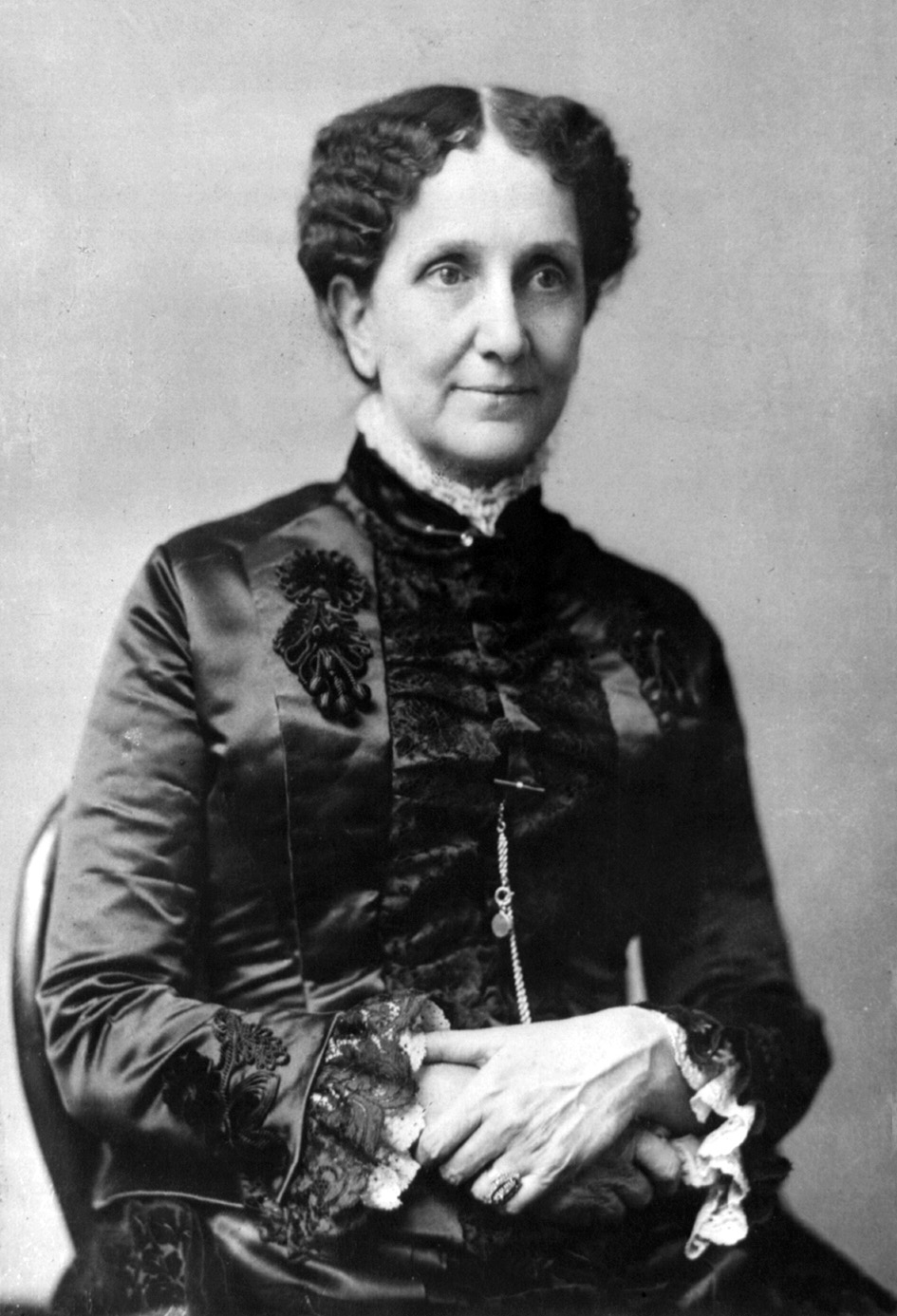
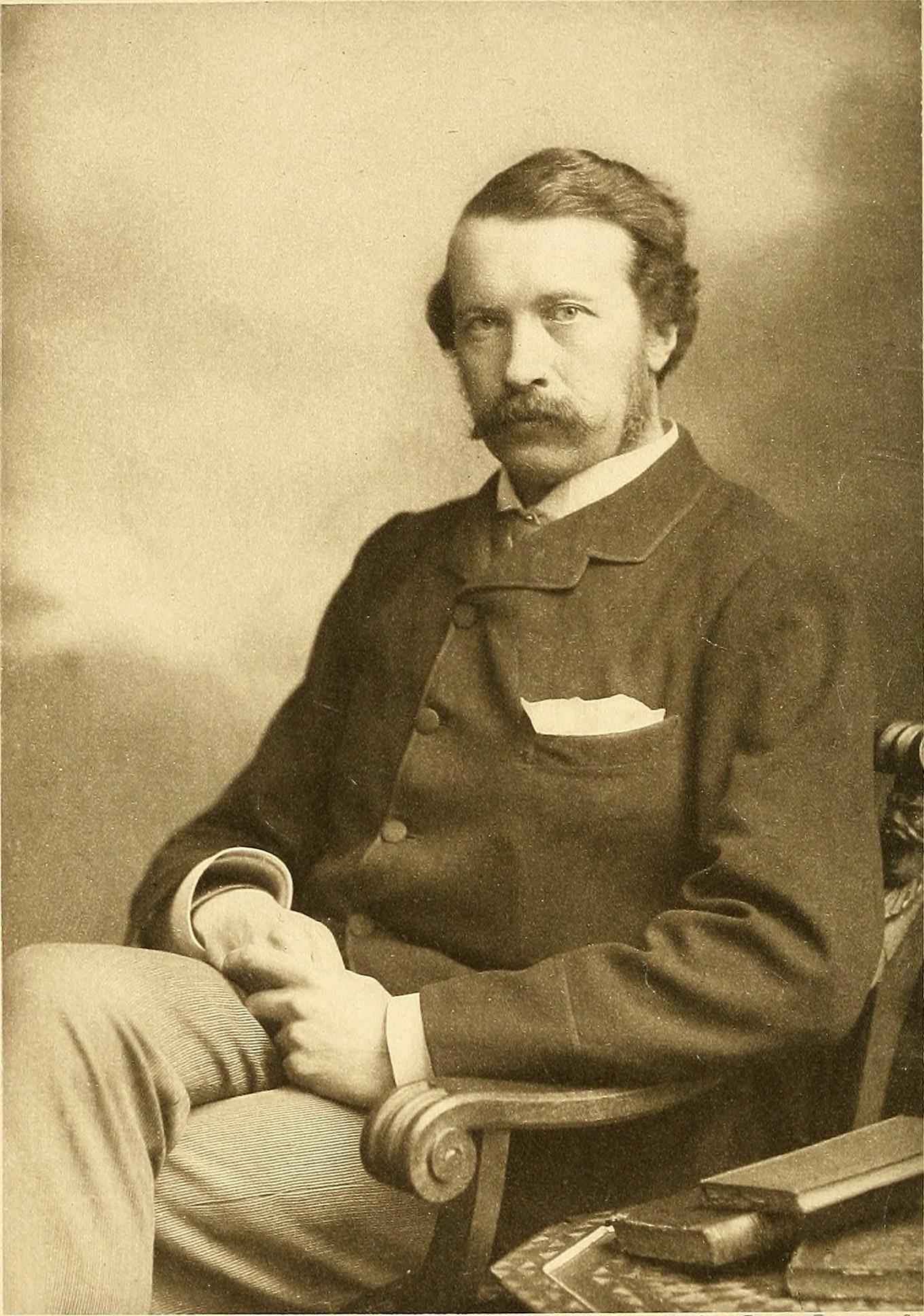
Annie Besant was a multifaceted English activist, known for her fervent advocacy of socialism, women's rights, and Indian nationalism. Born as Annie Wood, she emerged as a prominent figure in the late 19th and early 20th centuries, becoming the first female president of the Indian National Congress in 1917. Besant's early activism included her involvement with the National Secular Society and her partnership with Charles Bradlaugh, with whom she faced legal challenges for promoting birth control. Her commitment to social justice was evident in her participation in significant labor movements, such as the London matchgirls strike of 1888 and the Bloody Sunday demonstration, which highlighted the struggles of the working class in England. Later in her life, Besant became deeply engaged with theosophy after meeting Helena Blavatsky in 1890, which shifted her focus from secular activism to spiritual and educational endeavors. She played a crucial role in establishing educational institutions in India, including the Central Hindu School in 1898 and the Hyderabad National Collegiate Board in 1922. As president of the Theosophical Society, she expanded its reach across the British Empire and was instrumental in founding the first overseas Lodge of the International Order of Co-Freemasonry. Besant's legacy is marked by her contributions to social reform, education, and spiritual thought, making her a significant figure in both British and Indian history.
Famous Quotes
View all 2 quotes“The position of the Atheist is a clear and reasonable one. I know nothing about ‘God’ and therefore I do not believe in Him or in it; what you tell me about your God is self‐contradictory, and therefore incredible. I do not deny ‘God,’ which is an unknown tongue to me; I do deny your God, who is an impossibility. I am without God.”
“No philosophy, no religion, has ever brought so glad a message to the world as this good news of Atheism.”
Books from the author





Link to this page
Add a free, dofollow link to Lex on your blog, forum, syllabus, or reading list.

<a href="https://lex-books.com/author/annie-besant"><img src="https://lex-books.com/badges/read-on-lex.svg" alt="Annie Besant on Lex" width="160" height="40"></a>[](https://lex-books.com/author/annie-besant)[url=https://lex-books.com/author/annie-besant][img]https://lex-books.com/badges/read-on-lex.svg[/img][/url]Annie Besant on Lex: https://lex-books.com/author/annie-besant