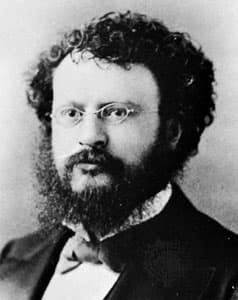
John Fiske
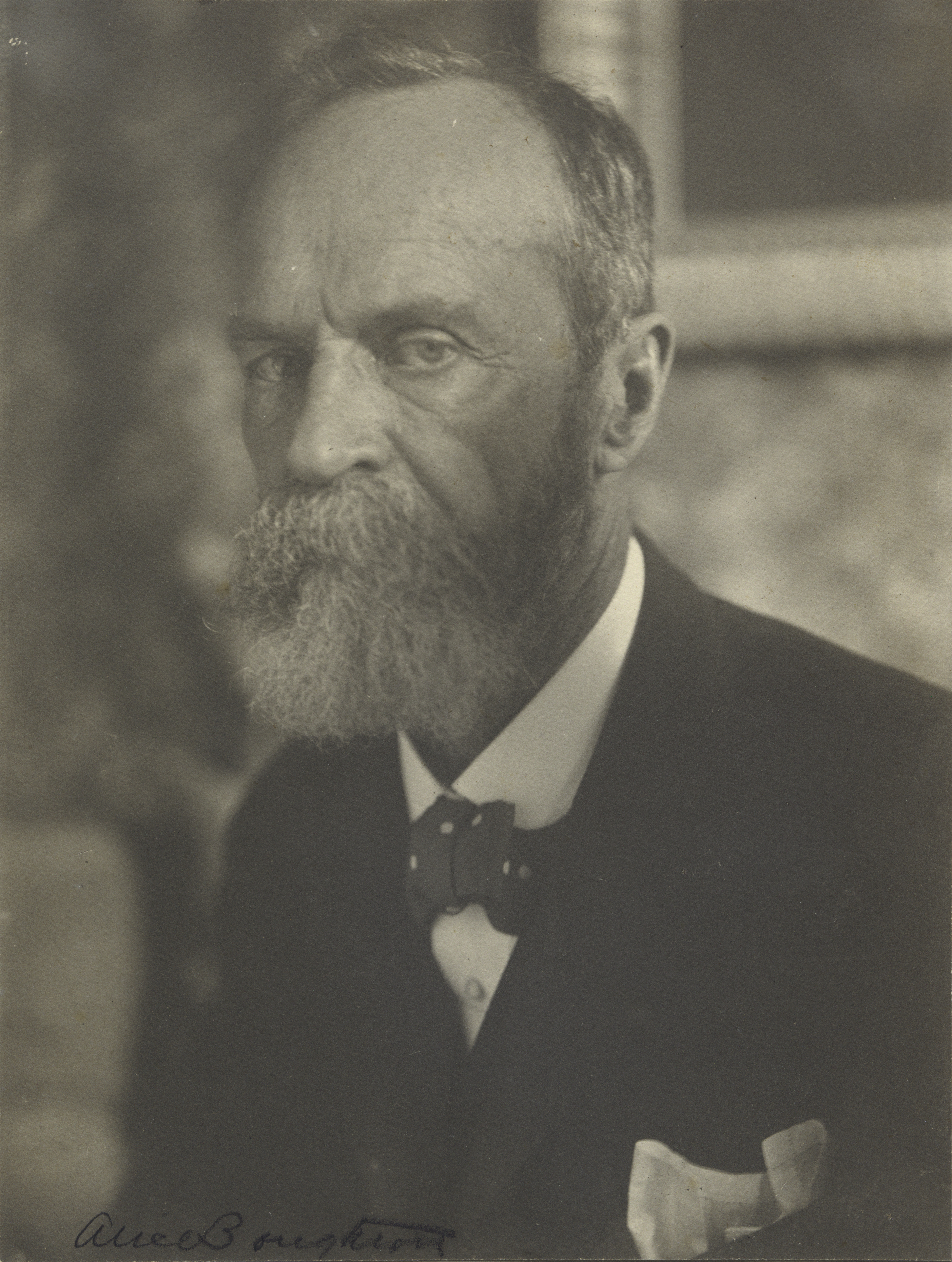
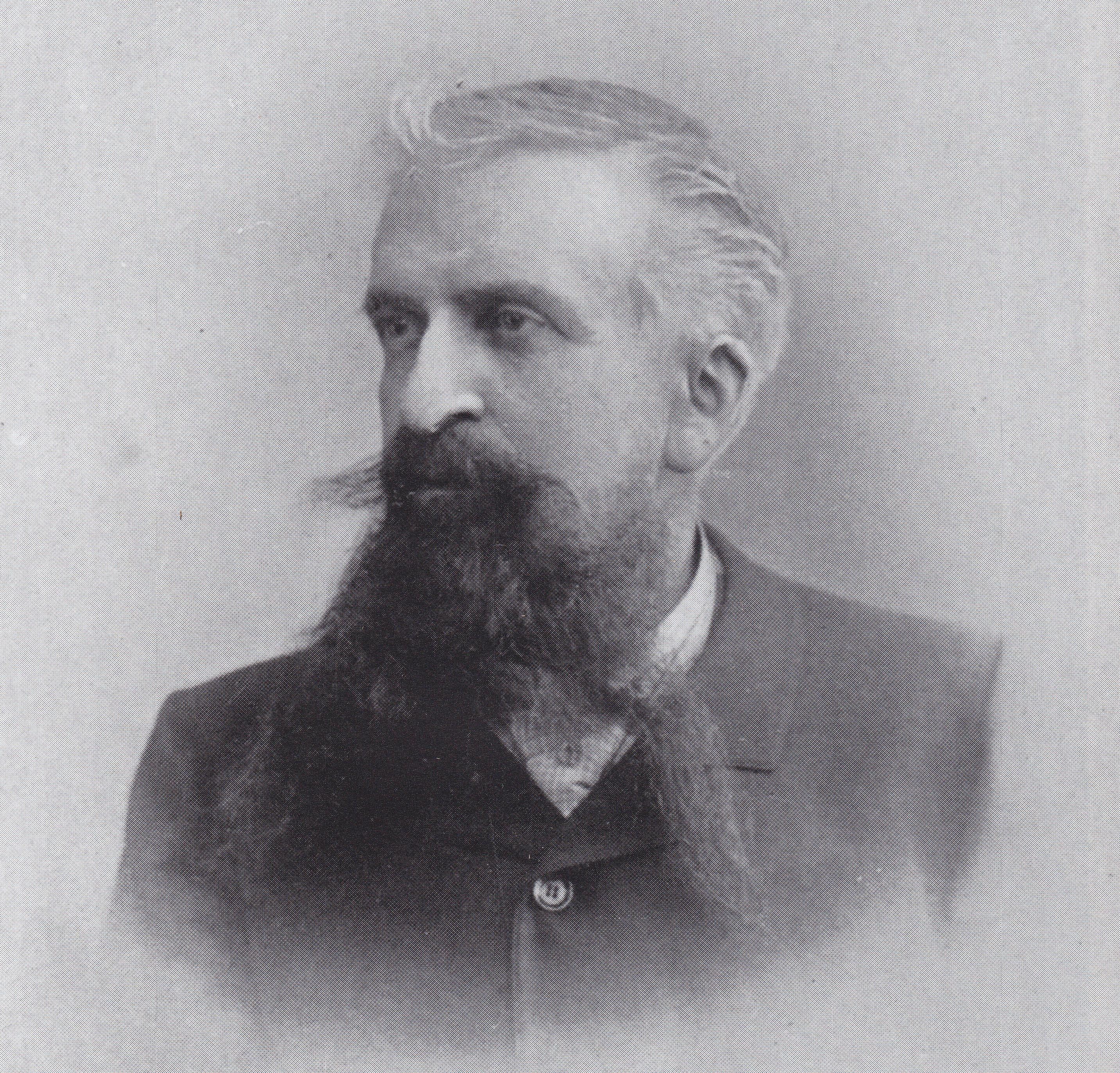
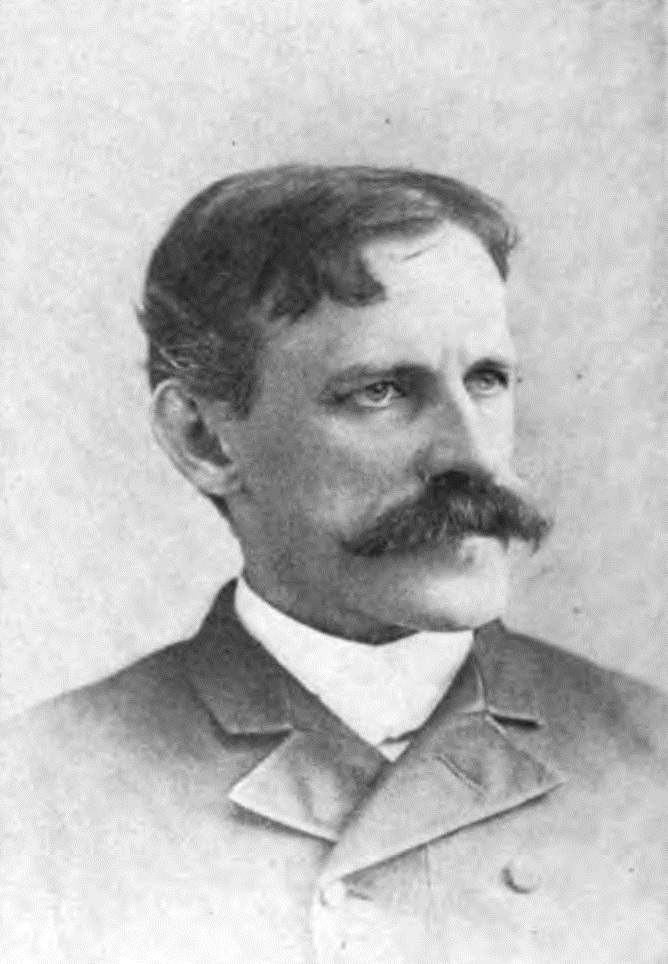
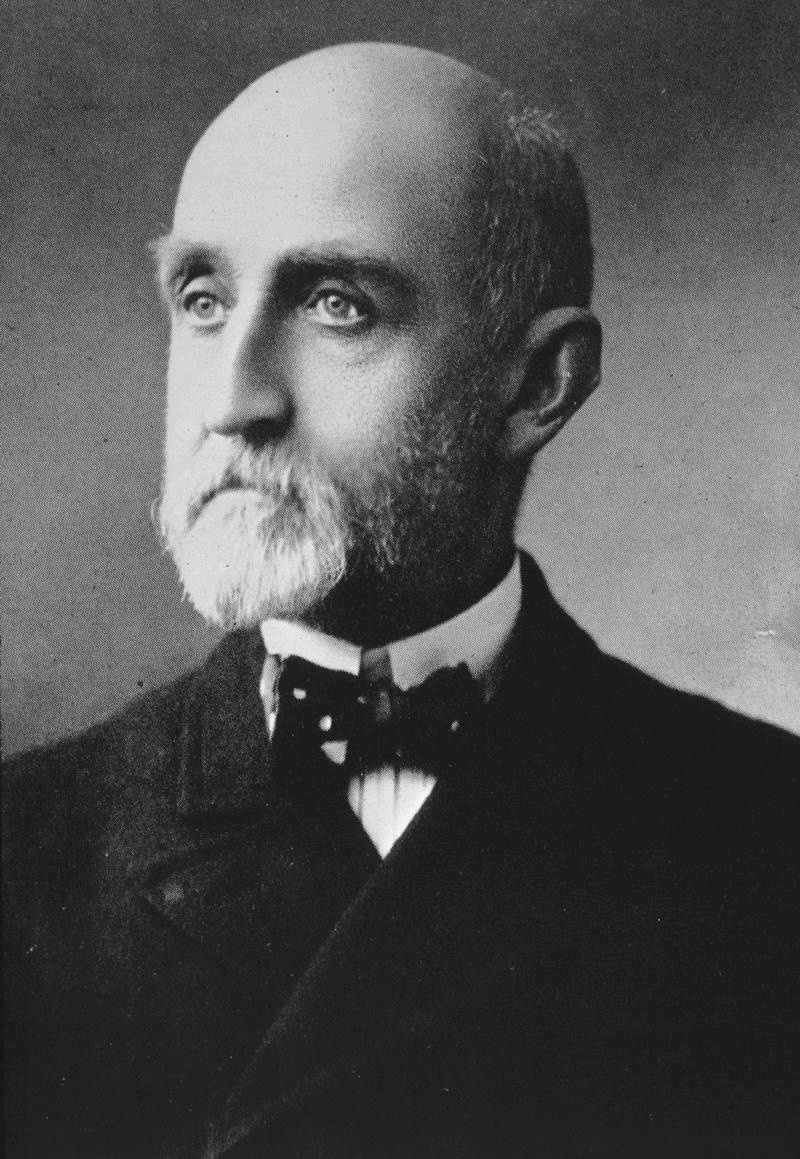
John Fiske was an American philosopher, historian, and writer, known for his influential works on American history and philosophy. Born in 1842, he was a prominent figure in the intellectual landscape of the late 19th century, advocating for a blend of science and philosophy in understanding human society. Fiske's notable works include 'The Destiny of Man Viewed in the Light of His Origin,' where he explored the intersection of evolution and human destiny, and 'American Political Ideas Viewed from the Standpoint of Universal History,' which examined the development of American democracy within a broader historical context. Fiske's writings were significant for their early engagement with evolutionary theory, and he played a crucial role in popularizing complex philosophical ideas for a general audience. His ability to synthesize historical narrative with philosophical inquiry helped shape the discourse of American intellectual thought during his time. Fiske's legacy endures in the fields of history and philosophy, where his ideas continue to influence discussions about the evolution of society and the role of democracy in human progress.
Famous Quotes
View all 15 quotes“In the economies of late capitalism leisure displaces labor, consumption displaces production, and commodities become the instruments of leisure, identity, and social relations.””
“My design was not so much to contribute new facts as to shape the narrative in such a way as to emphasize relations of cause and effect that are often buried in the mass of details.””
“Gless's lexical shift from "sexiness" through "femininity" to a "real strong lady" is a discursive shift and therefore has sociopolitical dimension. "Sexiness" is from an explicitly patriarchal discourse, "femininity" is from a discourse that attempts to naturalize gender construction and difference in terms of the status quo and is therefore implicitly patriarchal, whereas "real strong lady" is from a discourse that consciously opposes and exposes both the explicit and implicit patriarchy of "sexiness" and "femininity".””
Books from the author







Link to this page
Add a free, dofollow link to Lex on your blog, forum, syllabus, or reading list.

<a href="https://lex-books.com/author/john-fiske"><img src="https://lex-books.com/badges/read-on-lex.svg" alt="John Fiske on Lex" width="160" height="40"></a>[](https://lex-books.com/author/john-fiske)[url=https://lex-books.com/author/john-fiske][img]https://lex-books.com/badges/read-on-lex.svg[/img][/url]John Fiske on Lex: https://lex-books.com/author/john-fiske