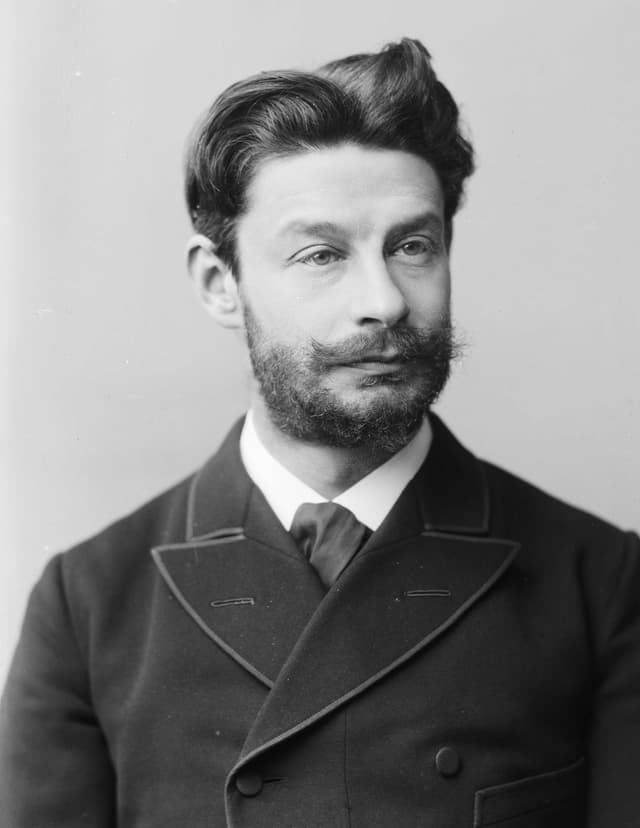
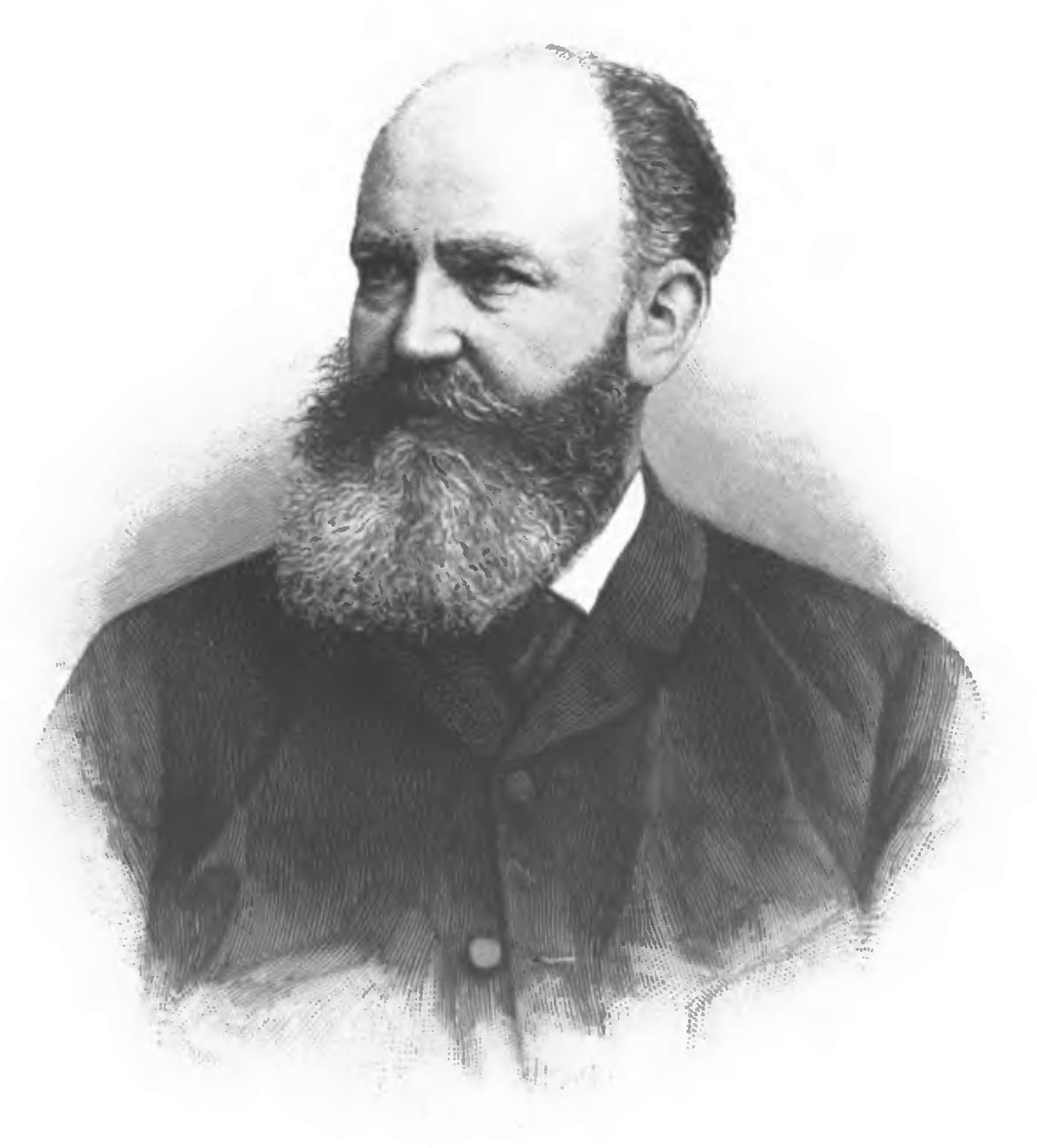
Georg Brandes
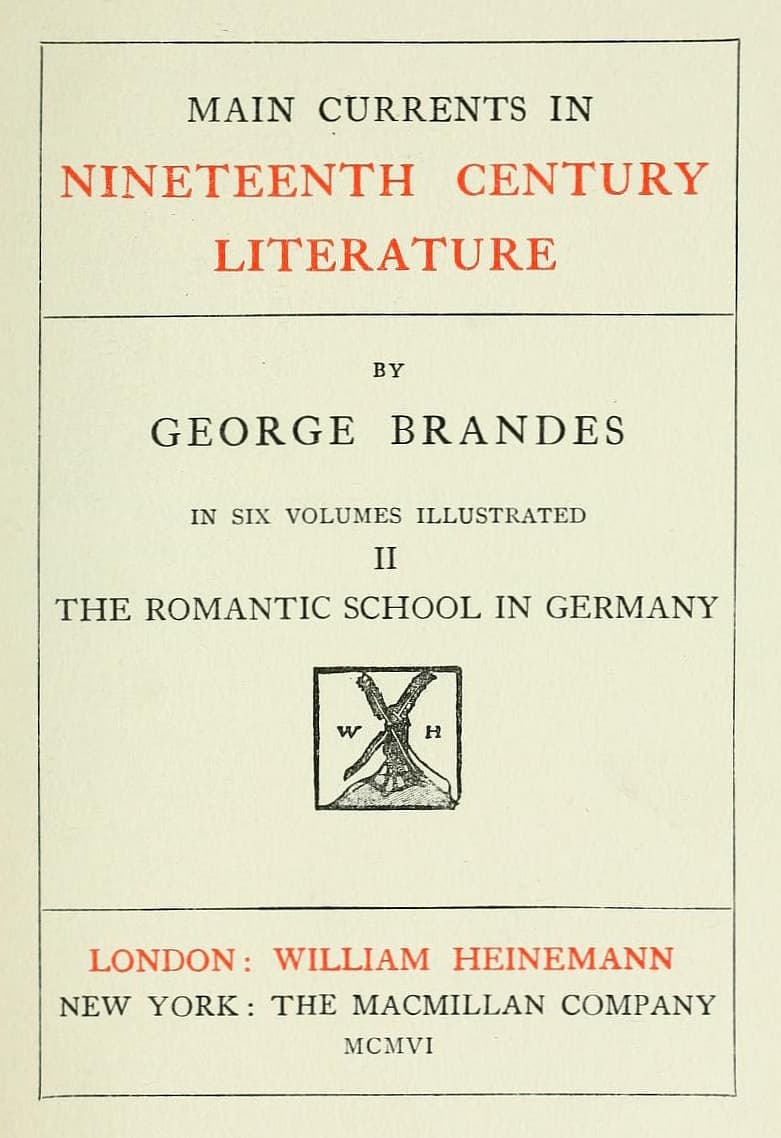
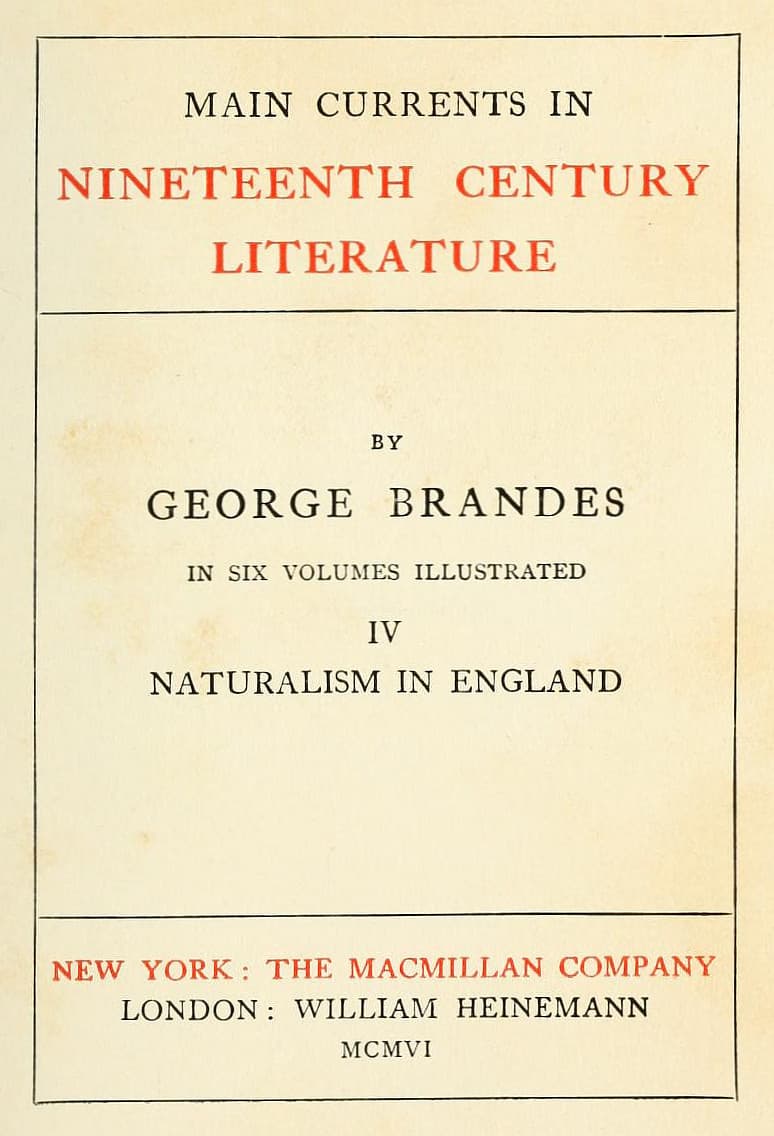
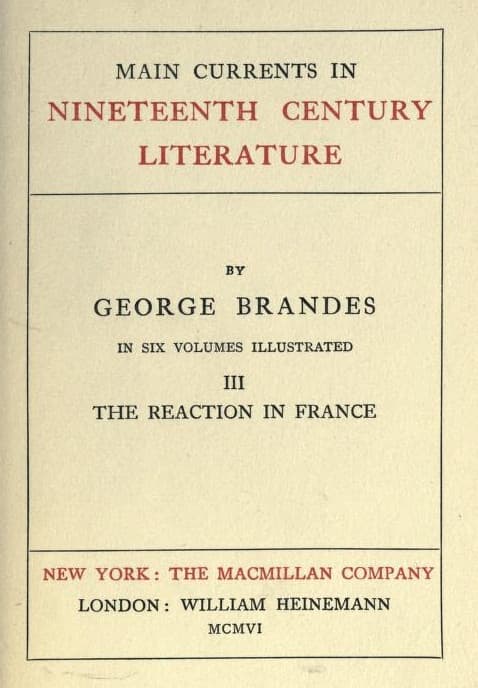
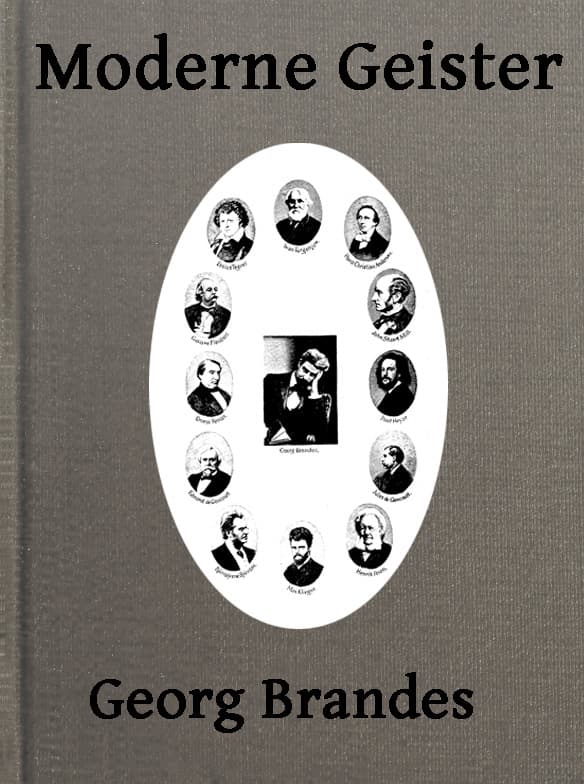
Georg Morris Cohen Brandes was a pivotal Danish critic and scholar whose influence shaped Scandinavian and European literature from the 1870s onward. He emerged as a leading figure in the movement known as the 'Modern Breakthrough,' advocating for realism and naturalism while rejecting the hyper-aestheticism and fantasy prevalent in earlier literary traditions. Brandes's lectures, particularly those titled 'Main Currents in 19th-century Literature,' articulated the principles of this movement and laid the groundwork for what would later be recognized as Cultural Radicalism. His ideas resonated with contemporaries, including the renowned Norwegian playwright Henrik Ibsen, marking a significant shift in literary and cultural discourse in the region. In addition to his literary contributions, Brandes co-founded the influential daily newspaper Politiken in 1884, which became a platform for progressive political thought and debate. The publication's motto, 'The paper of greater enlightenment,' reflected Brandes's commitment to social and political reform. His work not only catalyzed a transformation in literature but also played a crucial role in the evolution of Danish politics, contributing to the formation of the new political party Det Radikale Venstre in 1905. Georg Brandes's legacy endures as a key architect of modern Scandinavian literature and a champion of cultural and political enlightenment.
Famous Quotes
View all 3 quotes“It is useless to send armies against ideas.”
“The historian is looked upon as objective when he measures the past by the popular opinions of his own time, as subjective when he does not take these opinions for models.”
“There are productive spirits who require many and great destinies or experience in order to produce a small work. There is a kind of poet who, from a hundred pounds of rose leaves, produces one drop of attar of roses. And on the other hand, there are talents whose nature is so fruitful, whose inner climate is so tropical, that from a quite plain everyday life situation, which they experience with the highest energy, they extract whole series of important works. They are like those treeless islands in the Pacific on which passengers from a passing ship leave some fruit-kernels, and which many years later are covered with mighty forests. Kierkegaard belonged to the latter kind.”
Books from the author
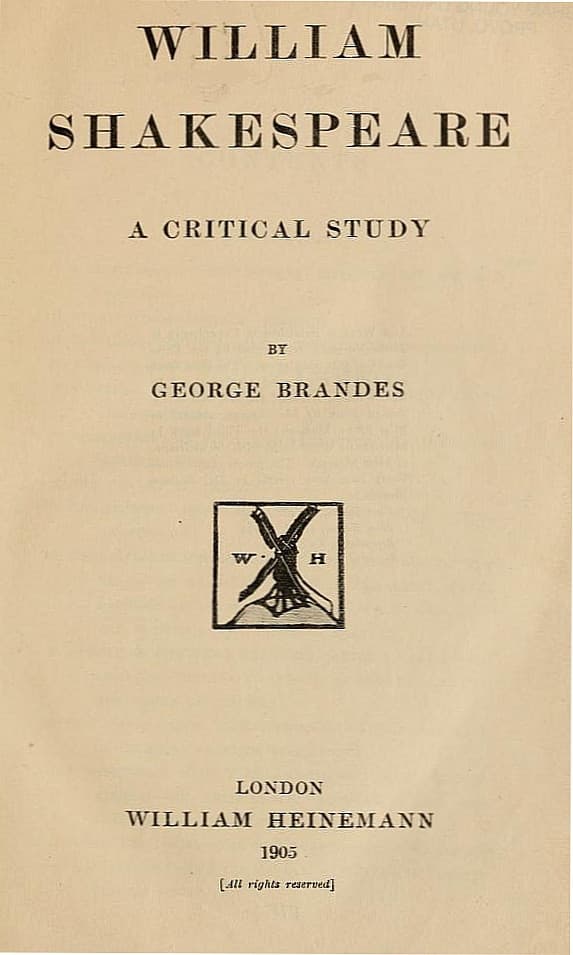
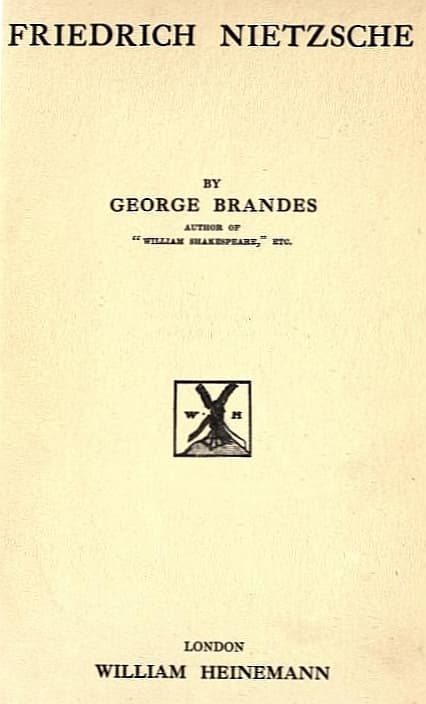
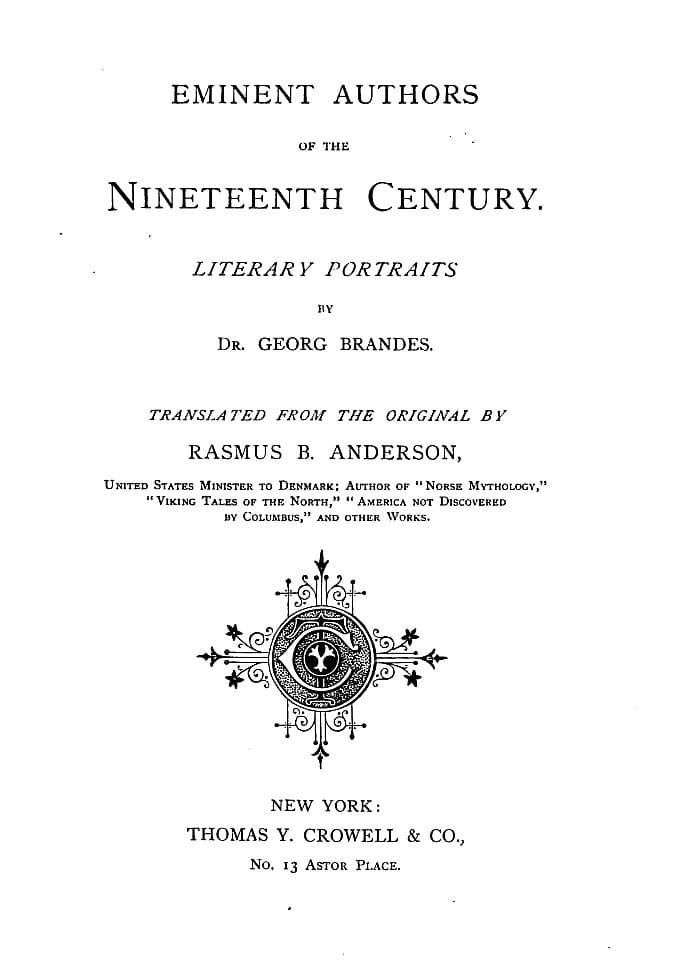


Link to this page
Add a free, dofollow link to Lex on your blog, forum, syllabus, or reading list.

<a href="https://lex-books.com/author/georg-brandes"><img src="https://lex-books.com/badges/read-on-lex.svg" alt="Georg Brandes on Lex" width="160" height="40"></a>[](https://lex-books.com/author/georg-brandes)[url=https://lex-books.com/author/georg-brandes][img]https://lex-books.com/badges/read-on-lex.svg[/img][/url]Georg Brandes on Lex: https://lex-books.com/author/georg-brandes