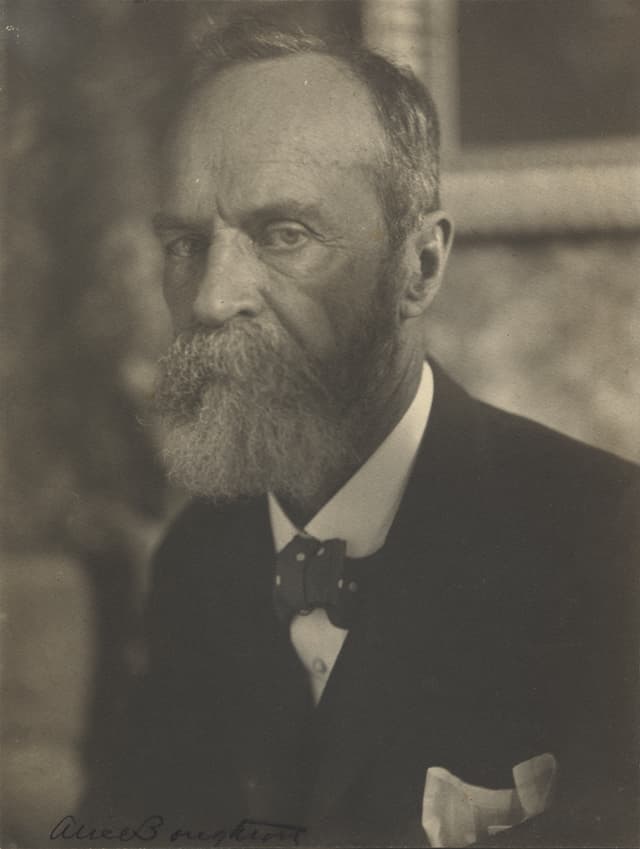
William James
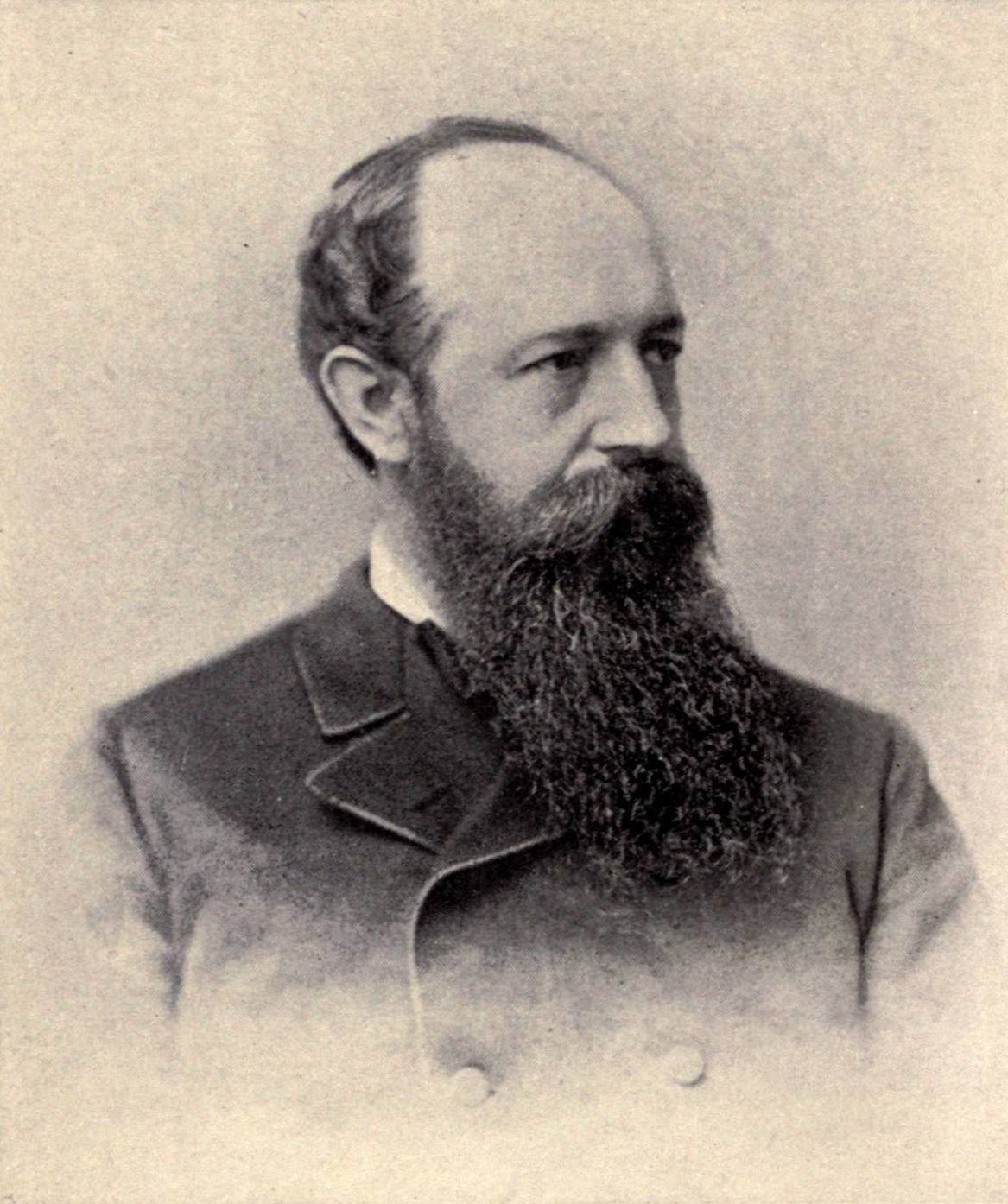
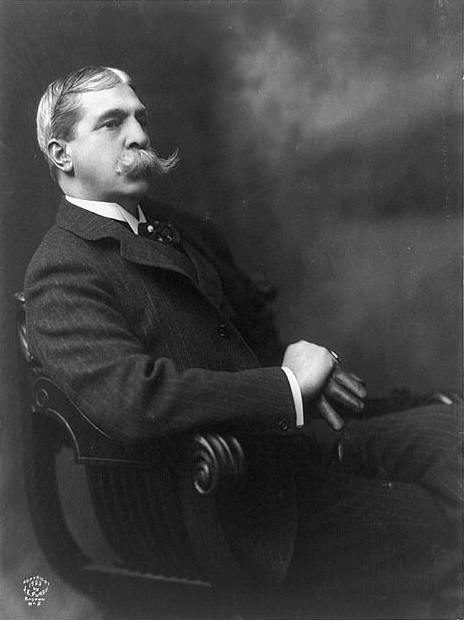
William James was an influential American philosopher and psychologist, often regarded as the father of American psychology. Born into a prominent family, he was the son of theologian Henry James Sr. and brother to novelist Henry James. Although he trained as a physician and taught anatomy at Harvard, he never practiced medicine, instead channeling his intellectual pursuits into psychology and philosophy. His groundbreaking work, "The Principles of Psychology," established him as a leading figure in the field, while "The Varieties of Religious Experience" explored diverse religious phenomena and their psychological implications. James also contributed significantly to the development of pragmatism alongside Charles Sanders Peirce, and he introduced the concept of radical empiricism, which emphasized the importance of experience in understanding reality. James's impact extended beyond his own writings; he influenced a wide array of thinkers, including Alan Watts, W. E. B. Du Bois, and Bertrand Russell. His ideas laid the groundwork for functional psychology and reshaped the landscape of philosophical thought in the late 19th century. Recognized for his contributions, James was ranked among the most eminent psychologists of the 20th century, solidifying his legacy as a pivotal figure in both psychology and philosophy. His exploration of the human mind and experience continues to resonate in contemporary discussions of psychology and philosophy, marking him as a foundational thinker in these disciplines.
Famous Quotes
View all 17 quotes“Action may not always bring happiness, but there is no happiness without action. ””
“The art of being wise is knowing what to overlook.””
“We are like islands in the sea, separate on the surface but connected in the deep.””
Books from the author













Link to this page
Add a free, dofollow link to Lex on your blog, forum, syllabus, or reading list.

<a href="https://lex-books.com/author/william-james"><img src="https://lex-books.com/badges/read-on-lex.svg" alt="William James on Lex" width="160" height="40"></a>[](https://lex-books.com/author/william-james)[url=https://lex-books.com/author/william-james][img]https://lex-books.com/badges/read-on-lex.svg[/img][/url]William James on Lex: https://lex-books.com/author/william-james