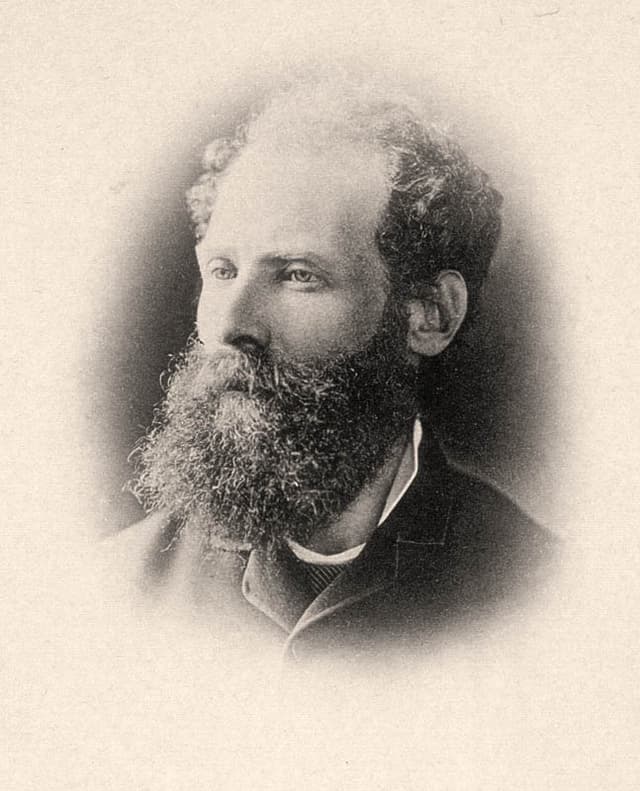
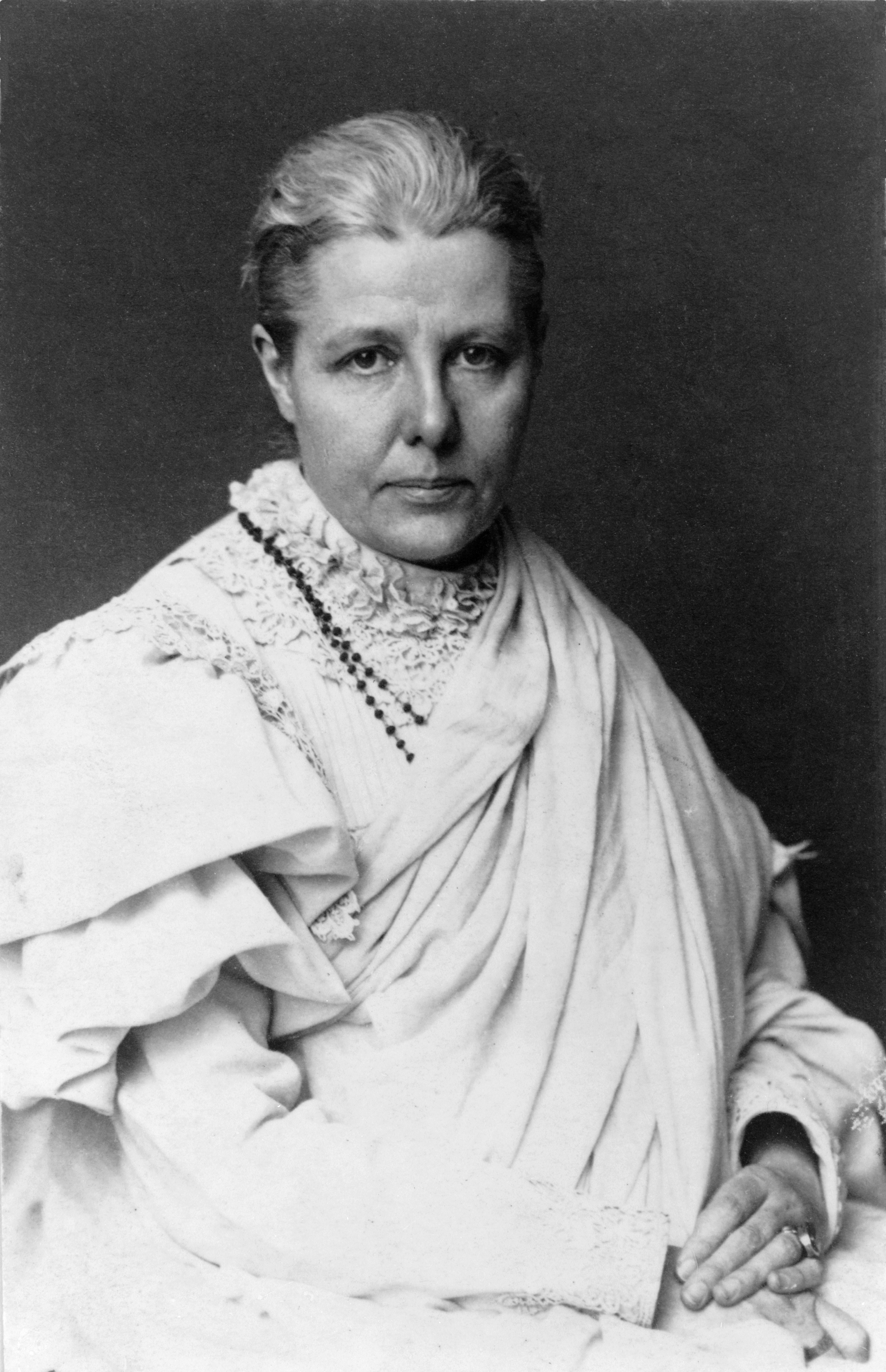
Antero de Quental
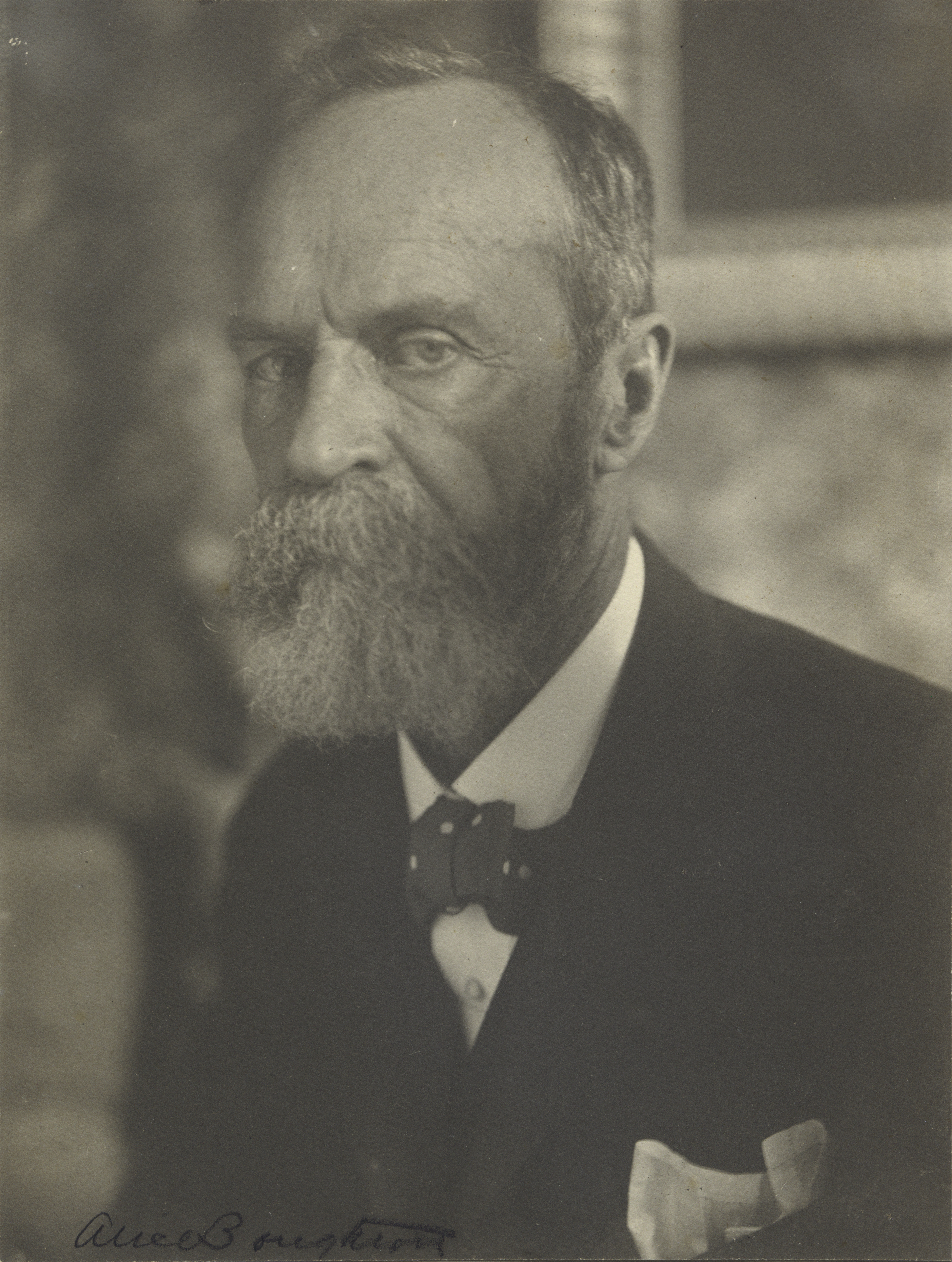
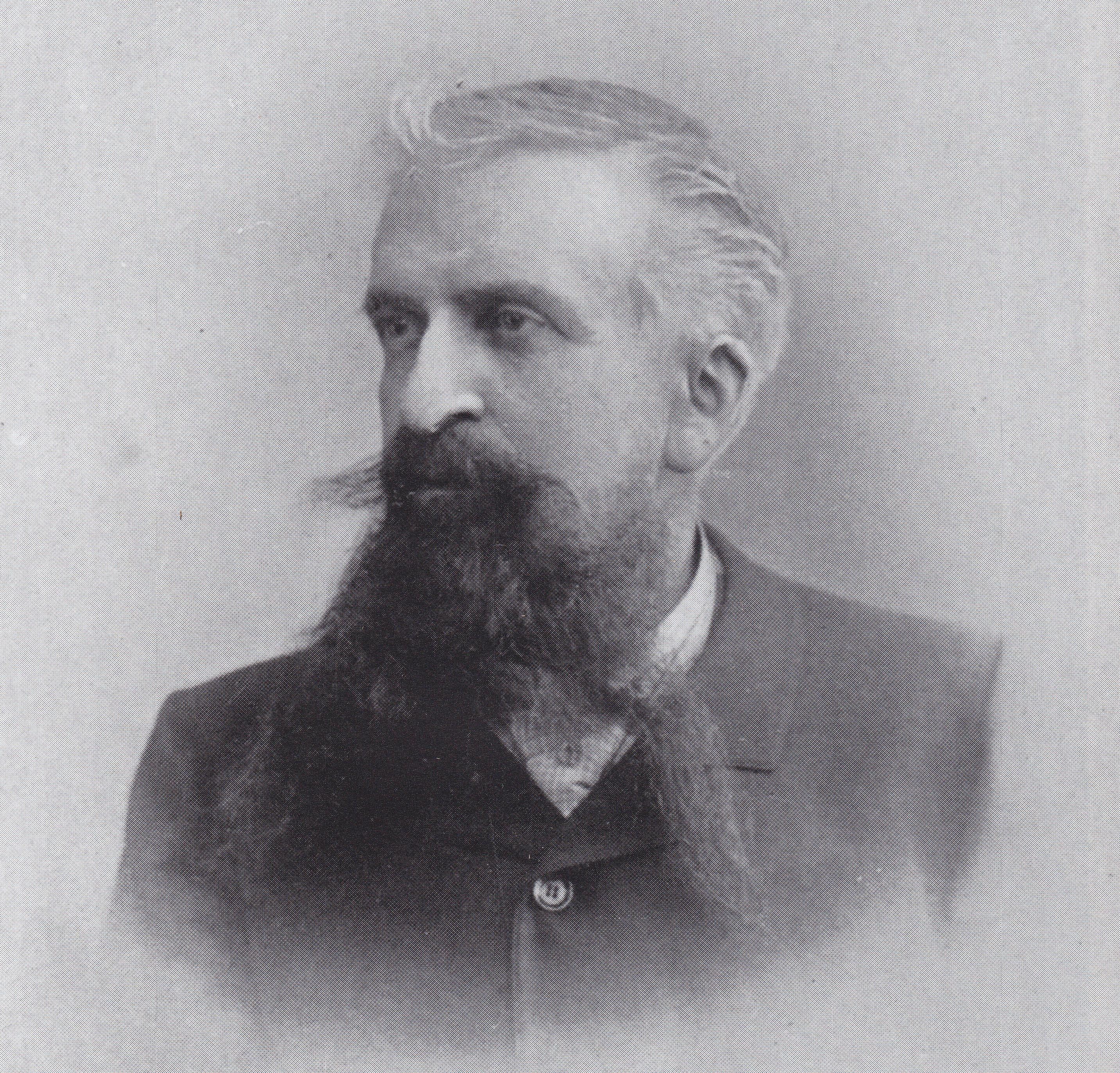
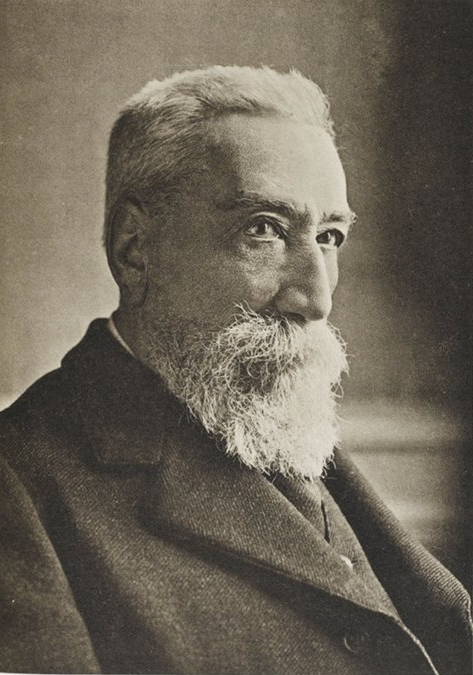
Antero de Quental was a prominent Portuguese poet, philosopher, and writer, celebrated as one of the foremost literary figures of the 19th century. His work is often associated with the Portuguese literary revival and he is frequently mentioned alongside luminaries such as Luís Vaz de Camões and Fernando Pessoa. Quental's poetry, characterized by its profound exploration of existential themes and human emotion, reflects his personal struggles with mental health, oscillating between periods of deep pessimism and creativity. His notable works include 'Lira dos Vinte Anos' and 'Odes Modernas', which showcase his innovative use of language and form, marking him as a pivotal figure in Portuguese literature. Quental's philosophical writings also contributed significantly to the cultural discourse of his time, engaging with themes of idealism and the human condition. His influence extended beyond poetry, impacting the broader literary landscape of Portugal and inspiring future generations of writers. Despite his tragic end, Quental's legacy endures, as he is remembered not only for his artistic contributions but also for his candid reflections on the struggles of the human spirit. His life and work continue to resonate within the canon of Portuguese literature, solidifying his status as a key figure in the exploration of existential thought and poetic expression.
Famous Quotes
View all 3 quotes“Que gente! Que coisas! Que opiniões! Que vida! Sinto entre mim e o meu país a distância abismosa deste sentimento: o desprezo. (...) O silêncio é a única resposta possível.”
“A Poesia é a confissão sincera do pensamento mais íntimo de uma idade”
“Ali, onde o mar quebra, num cachão Rugidor e monótono, e os ventos erguem pelo areal os seus lamentos, Ali se há-de enterrar meu coração. Queimem-no os sóis da adusta solidão Na fornalha do Estio, em dias lentos; Depois, no Inverno, os sopros violentos Lhe revolvam em torno o árido chão… Até que se desfaça e, já tornado Em impalpável pó, seja levado Nos turbilhões que o vento levanter… Com suas lutas, seu cans ado anseio, Seu louco amor, dissolva-se no seio Desse infecundity, desse amargo mar!”
Books from the author

Link to this page
Add a free, dofollow link to Lex on your blog, forum, syllabus, or reading list.

<a href="https://lex-books.com/author/antero-de-quental"><img src="https://lex-books.com/badges/read-on-lex.svg" alt="Antero de Quental on Lex" width="160" height="40"></a>[](https://lex-books.com/author/antero-de-quental)[url=https://lex-books.com/author/antero-de-quental][img]https://lex-books.com/badges/read-on-lex.svg[/img][/url]Antero de Quental on Lex: https://lex-books.com/author/antero-de-quental