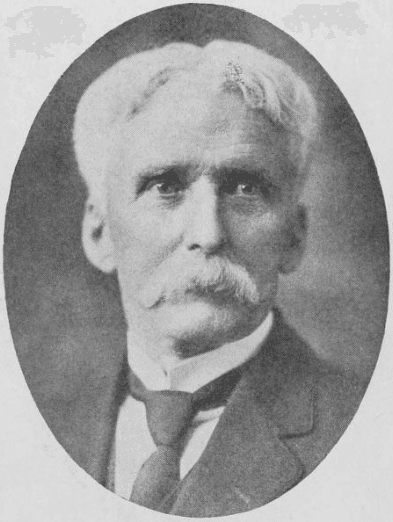
James Baldwin
James Baldwin was an American writer and civil rights activist whose profound impact on literature and social justice continues to resonate today. Born in Harlem, Baldwin's early life was marked by the complexities of race and identity, themes that would permeate his work. His debut novel, Go Tell It on the Mountain, published in 1953, is a semi-autobiographical exploration of his youth and the struggles of African American life, earning a place among the top English-language novels according to Time magazine. Baldwin's essays, particularly in his 1955 collection Notes of a Native Son, established him as a powerful voice advocating for human equality and civil rights, addressing the intersections of race, sexuality, and class with unflinching honesty. Baldwin's literary significance extends beyond his novels and essays; his plays and poetry also reflect the complexities of the human experience. Works such as Giovanni's Room and If Beale Street Could Talk delve into the lives of gay and bisexual men, challenging societal norms and expectations. Baldwin's ability to articulate the struggles for self-acceptance and social justice made him a key figure in both the civil rights and gay liberation movements of the mid-twentieth century. His unfinished manuscript, Remember This House, was later adapted into the acclaimed documentary I Am Not Your Negro, further solidifying his legacy as a crucial commentator on race and identity in America. Baldwin's work continues to inspire new generations of writers and activists, affirming his place as a literary giant and a champion for equality.
Famous Quotes
View all 3 quotes“You think your pain and your heartbreak are unprecedented in the history of the world, but then you read. It was books that taught me that the things that tormented me most were the very things that connected me with all the people who were alive, who had ever been alive.”
“Love does not begin and end the way we seem to think it does. Love is a battle, love is a war; love is a growing up.”
“You think your pain and your heartbreak are unprecedented in the history of the world, but then you read.”
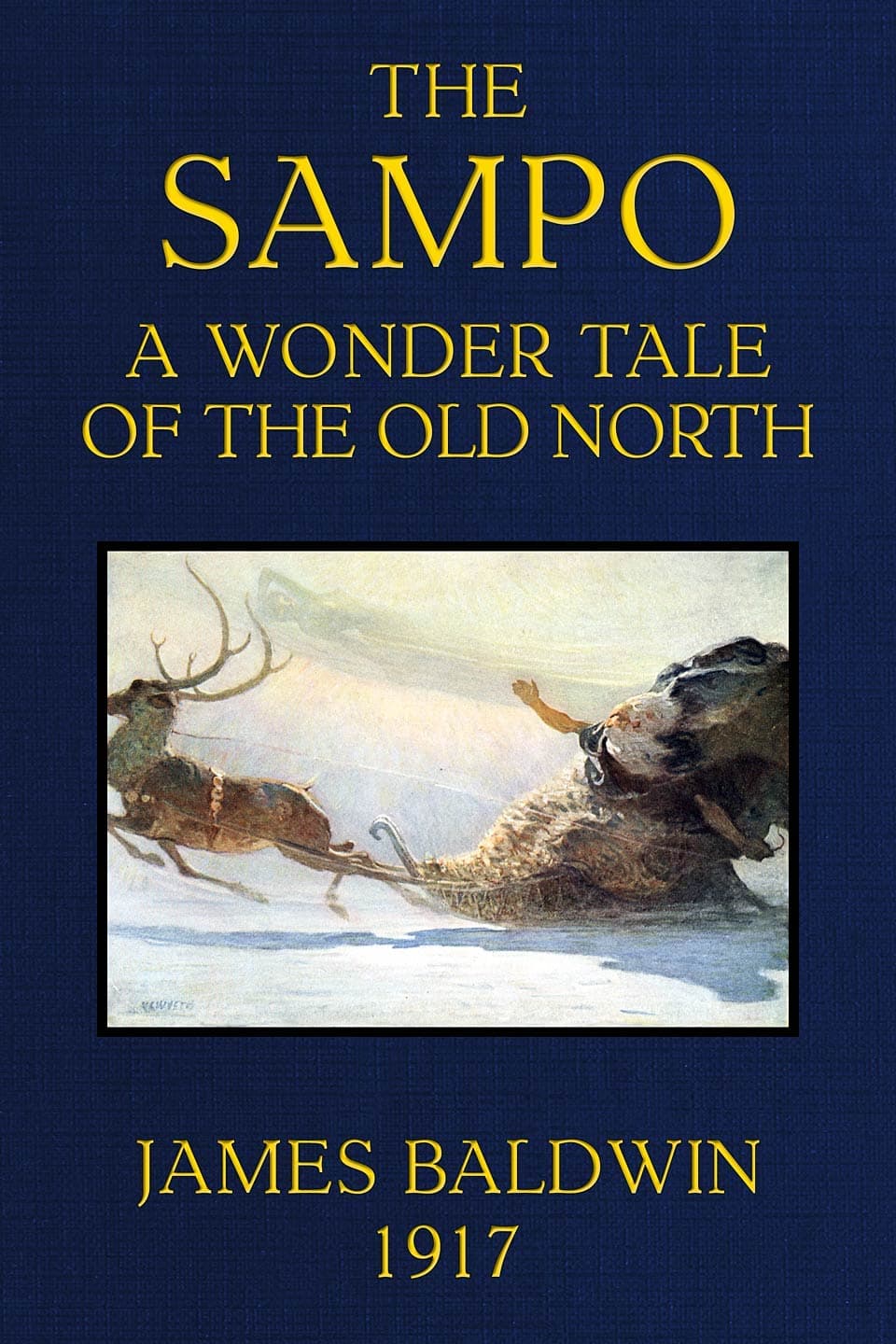
Books from the author

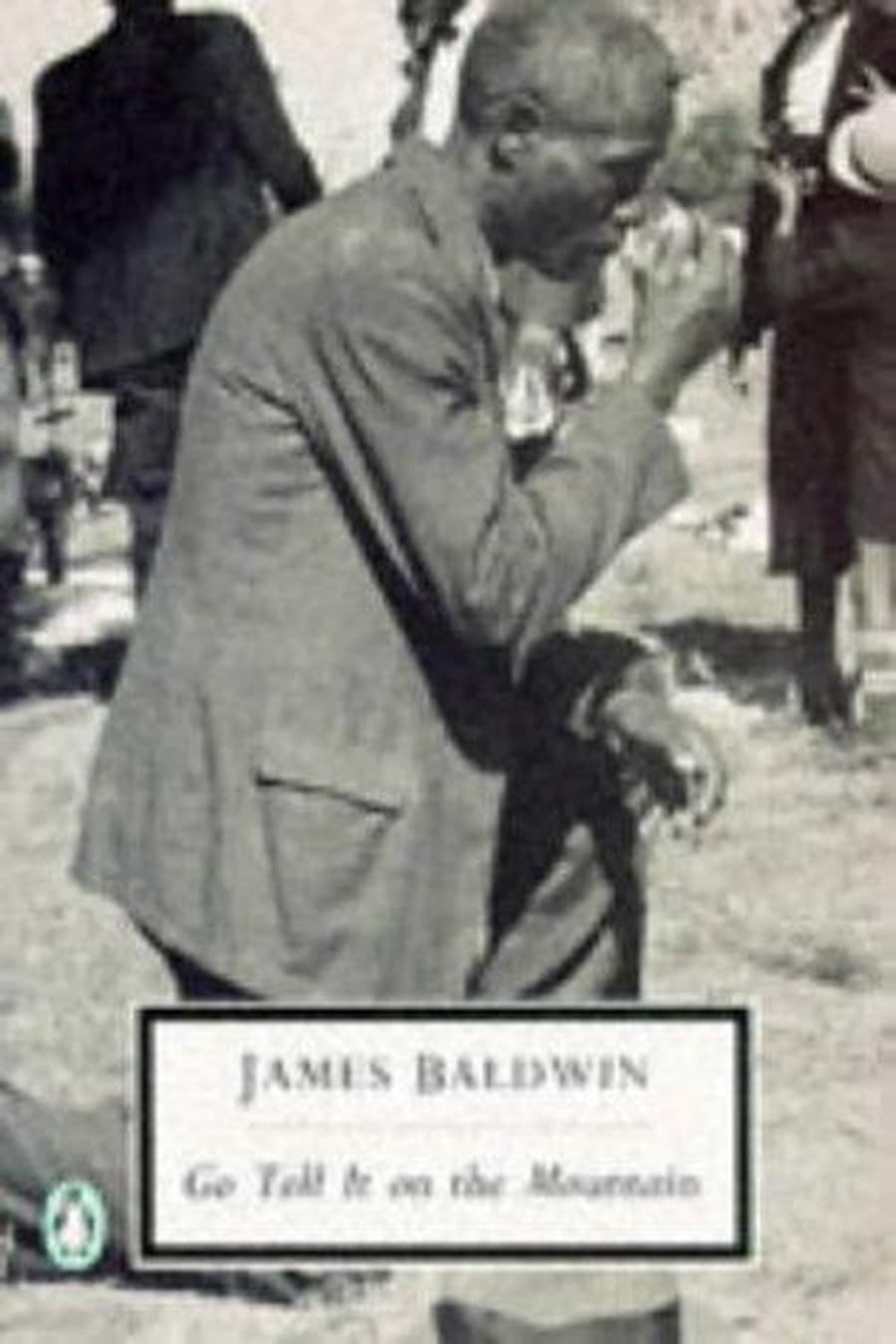
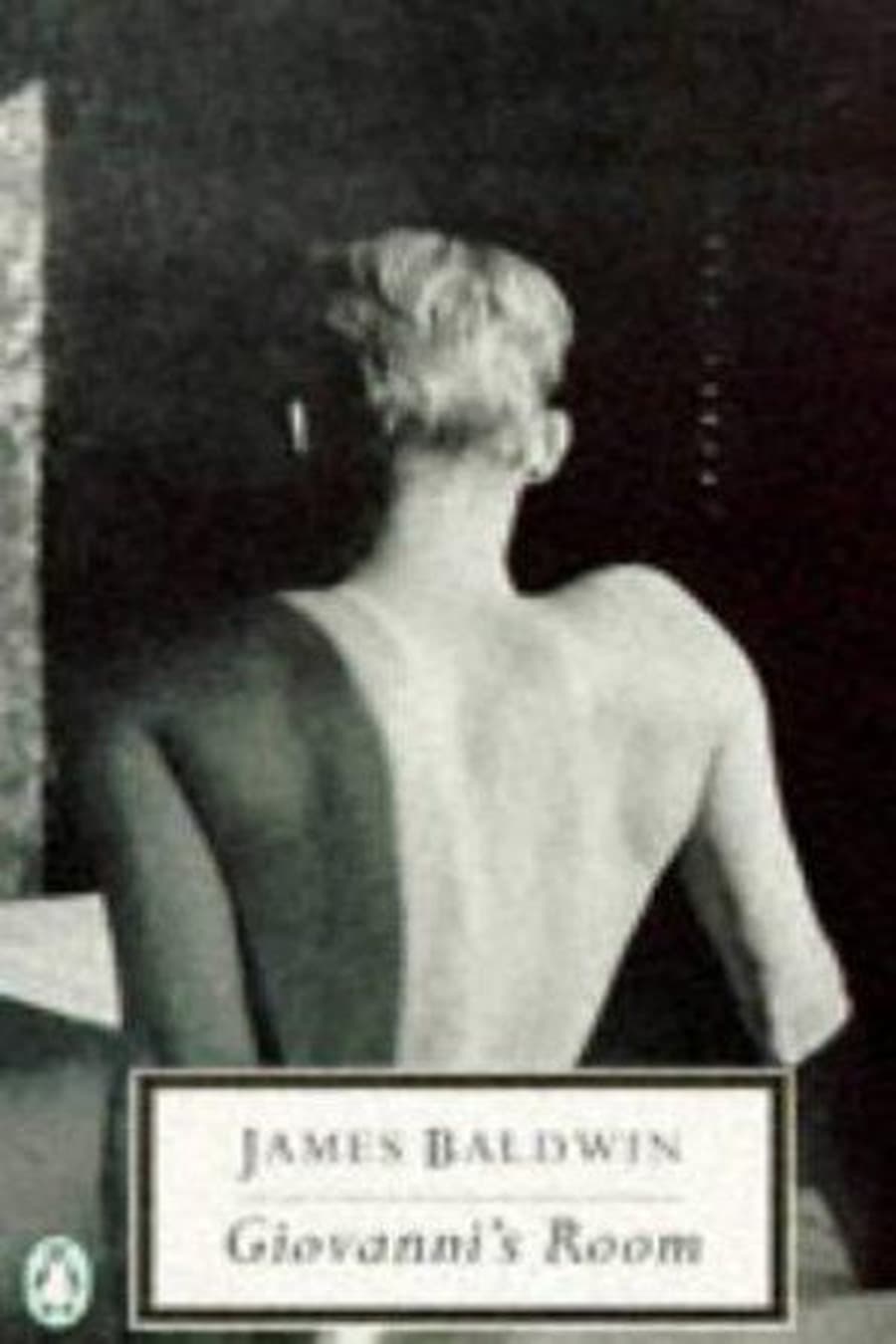
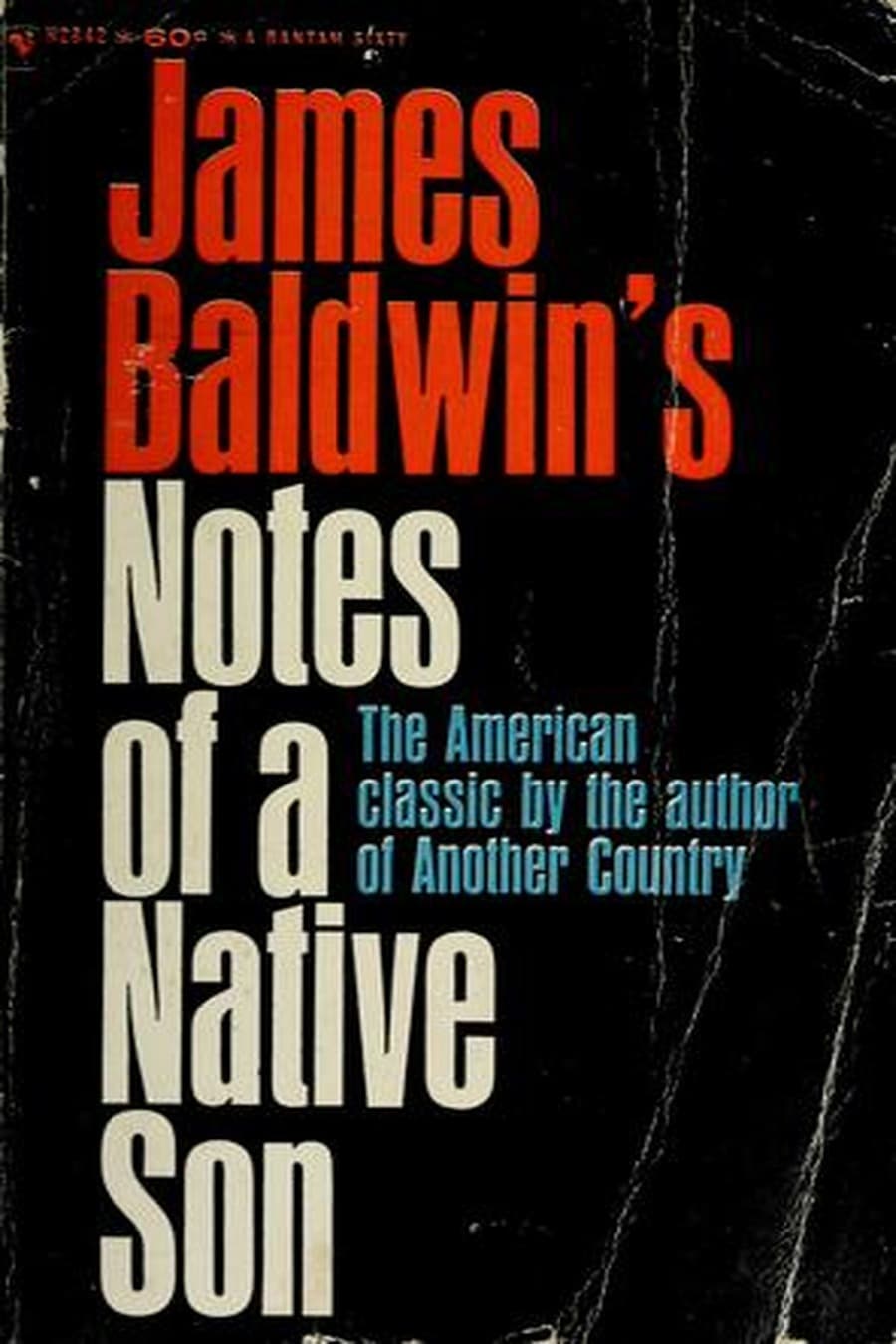













Link to this page
Add a free, dofollow link to Lex on your blog, forum, syllabus, or reading list.

<a href="https://lex-books.com/author/james-baldwin"><img src="https://lex-books.com/badges/read-on-lex.svg" alt="James Baldwin on Lex" width="160" height="40"></a>[](https://lex-books.com/author/james-baldwin)[url=https://lex-books.com/author/james-baldwin][img]https://lex-books.com/badges/read-on-lex.svg[/img][/url]James Baldwin on Lex: https://lex-books.com/author/james-baldwin