
F. Max Müller
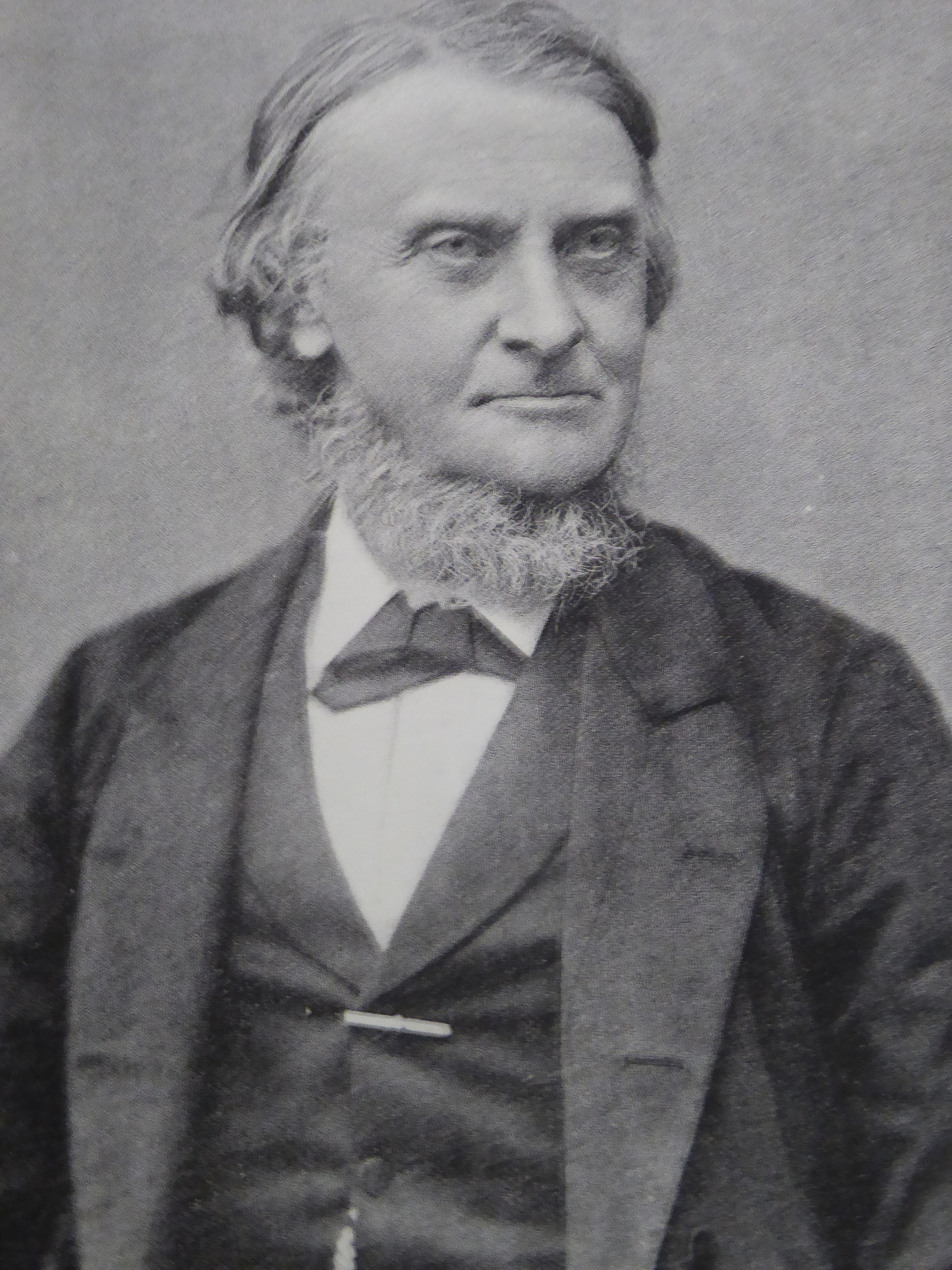
F. Max Müller was a prominent German philologist and orientalist, renowned for his pioneering work in the study of language and religion. Born in 1823, Müller made significant contributions to the understanding of Sanskrit and the comparative study of languages, which he articulated in his influential 'Lectures on the Science of Language.' His scholarly pursuits extended beyond linguistics; he was deeply engaged with the intersection of language, culture, and religion, as evidenced by his essays in 'Chips from a German Workshop,' where he explored topics ranging from literature to antiquities. Müller's work not only laid the groundwork for modern linguistics but also opened up dialogues about the spiritual and cultural lessons that could be gleaned from Indian philosophy, as seen in his lectures compiled in 'India: What Can It Teach Us?' Müller's legacy is marked by his role in the establishment of the science of comparative religion, where he emphasized the importance of understanding different faiths through their linguistic expressions. His editorial efforts in 'The German Classics from the Fourth to the Nineteenth Century' showcased his commitment to preserving and promoting German literary heritage. Through his extensive writings, including autobiographical reflections in 'My Autobiography: A Fragment,' Müller left an indelible mark on the fields of linguistics, religious studies, and literary criticism, influencing generations of scholars in the process. He passed away in 1900, leaving behind a rich intellectual legacy that continues to resonate in contemporary discussions of language and culture.
Books from the author











Link to this page
Add a free, dofollow link to Lex on your blog, forum, syllabus, or reading list.

<a href="https://lex-books.com/author/f-max-müller"><img src="https://lex-books.com/badges/read-on-lex.svg" alt="F. Max Müller on Lex" width="160" height="40"></a>[](https://lex-books.com/author/f-max-müller)[url=https://lex-books.com/author/f-max-müller][img]https://lex-books.com/badges/read-on-lex.svg[/img][/url]F. Max Müller on Lex: https://lex-books.com/author/f-max-müller