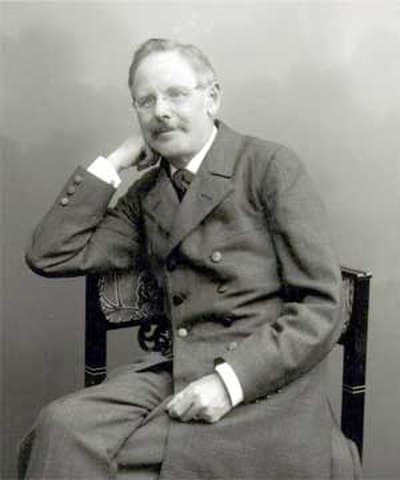
Peter Rosegger
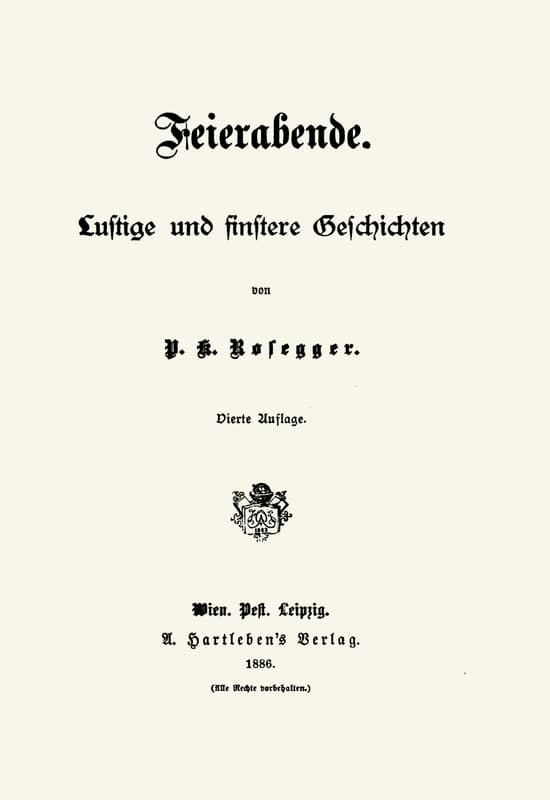
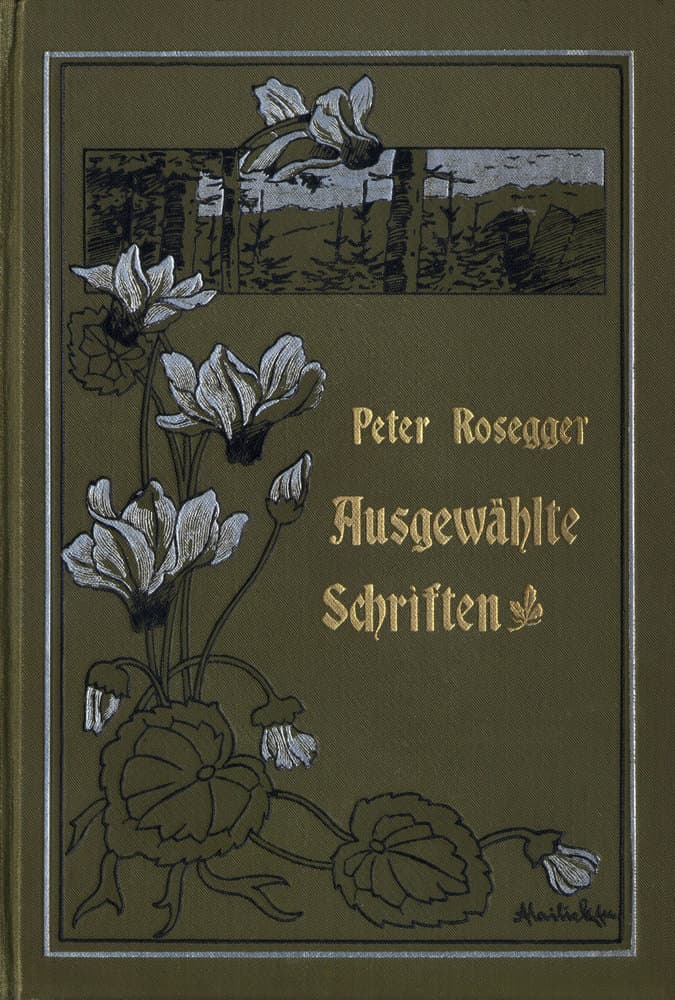
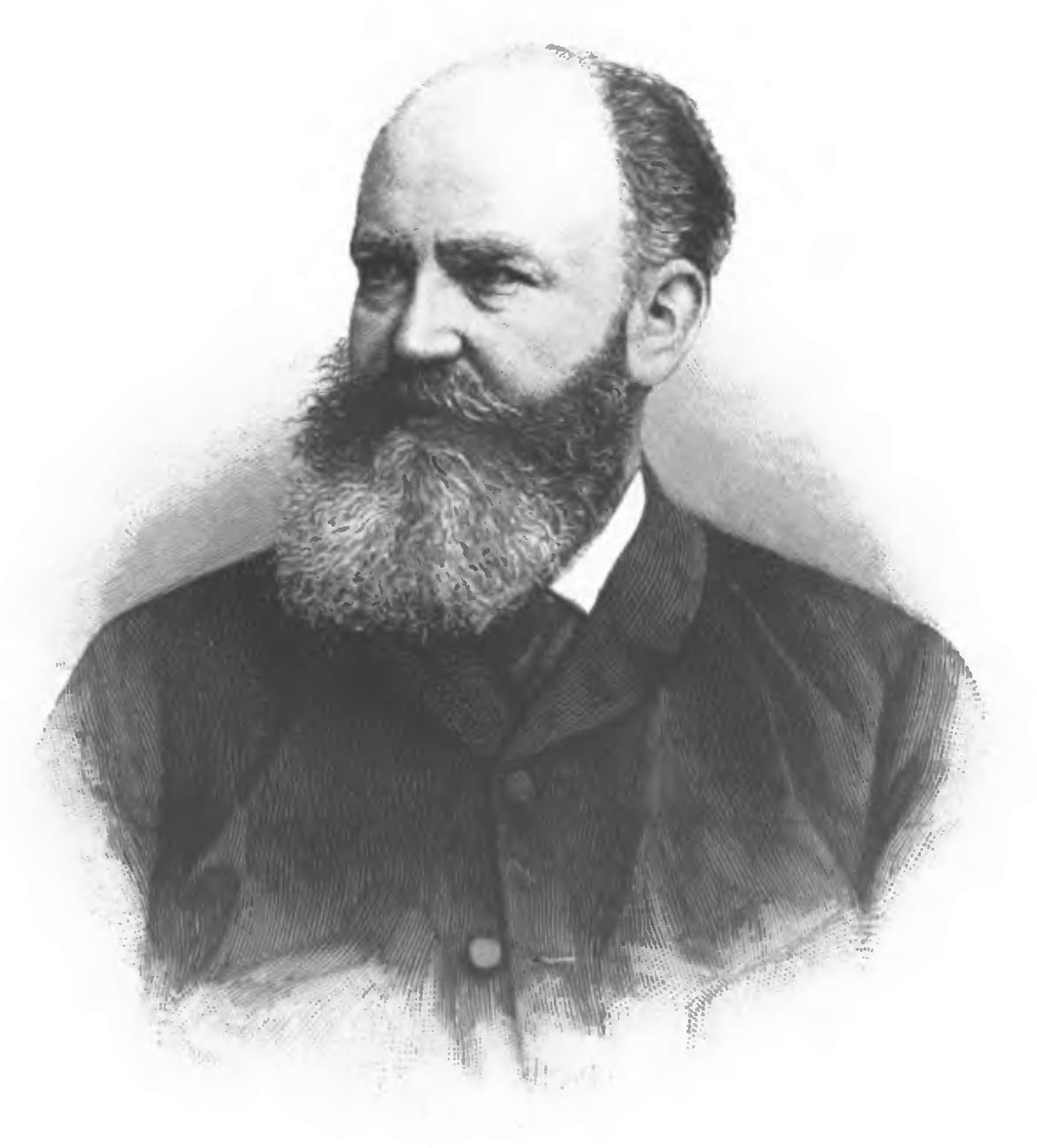
Peter Rosegger was an influential Austrian writer and poet, born in the mountainous region of Styria. Growing up as the son of a mountain farmer in Krieglach, he developed a deep connection to the natural world, which would profoundly shape his literary voice. Rosegger's works often reflected the rural life and struggles of the peasantry, showcasing his empathy and understanding of their experiences. He gained prominence for his evocative poetry and prose, with notable works such as 'Waldheimat' and 'Die Schriften des Peter Rosegger,' which celebrated the beauty of the Styrian landscape and the simplicity of country life. Throughout his career, Rosegger was recognized for his contributions to literature, receiving nominations for the Nobel Prize in Literature three times, and coming close to winning in 1913. His legacy endures in Austria, where he is regarded as a national treasure, particularly in Styria. His ability to capture the essence of rural existence and advocate for the rights of the common people has left a lasting impact on Austrian literature, inspiring future generations of writers and poets to explore themes of nature, identity, and social justice.
Famous Quotes
View all 1 quotes“Grosse Siege werden durch Mut errungen, grössere durch Liebe, die grössten durch Geduld" - "Alles nimmt ein gutes Ende für den, der warten kann." - "Die Geduld ist der Schlüssel zur Freude." - "Die Ungeduld, mit der man seinen Zielen zueilt, ist die Klippe, an der oft gerade die besten Menschen scheitern.”
Books from the author
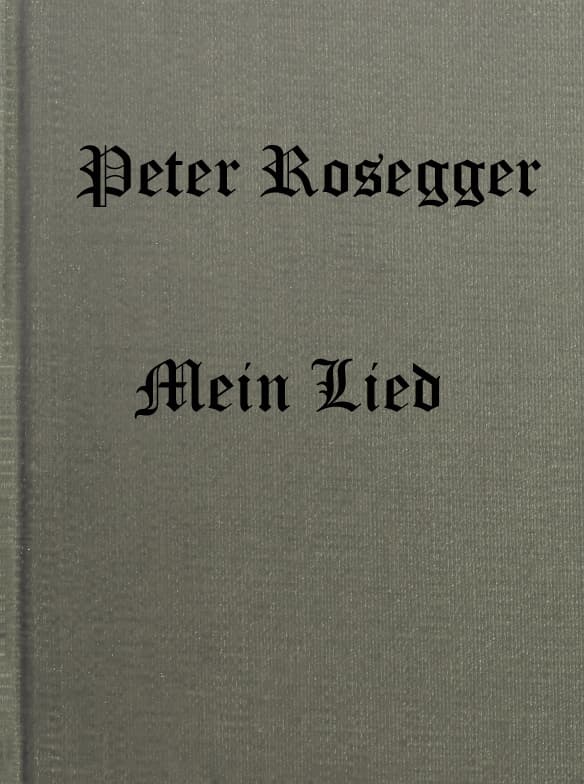
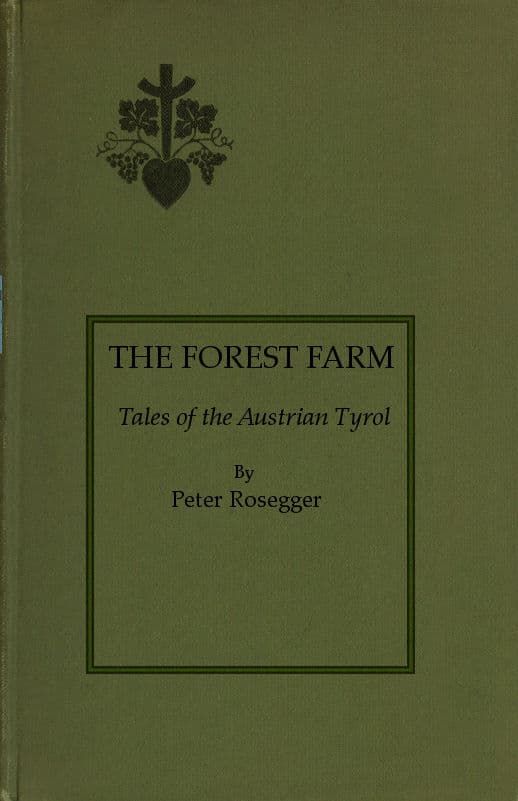
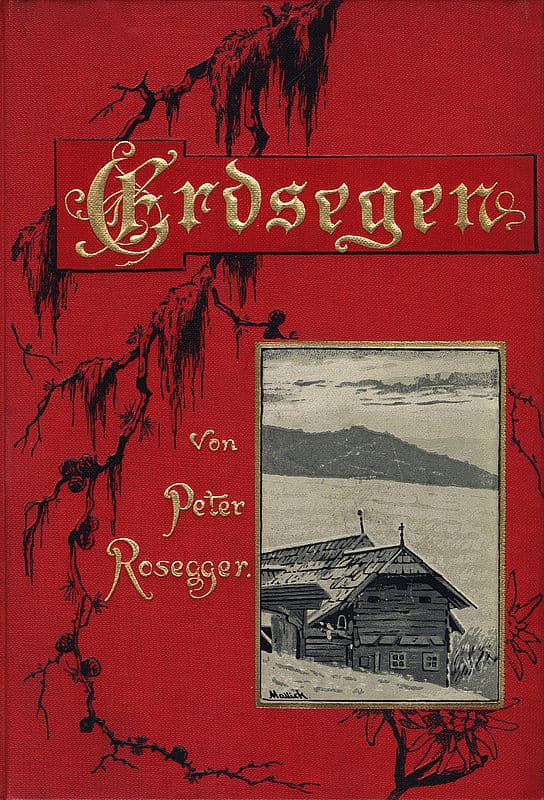
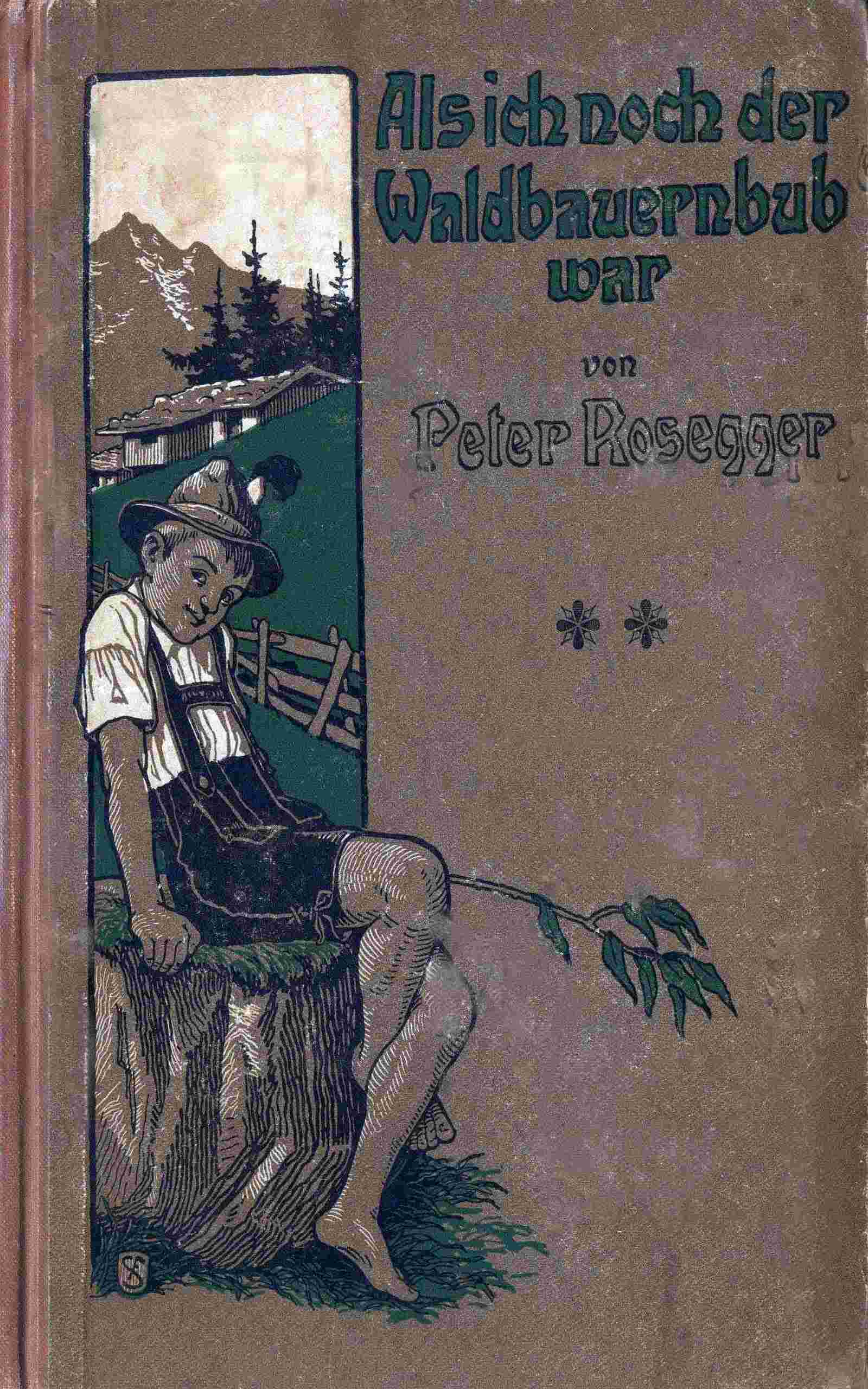




Link to this page
Add a free, dofollow link to Lex on your blog, forum, syllabus, or reading list.

<a href="https://lex-books.com/author/peter-rosegger"><img src="https://lex-books.com/badges/read-on-lex.svg" alt="Peter Rosegger on Lex" width="160" height="40"></a>[](https://lex-books.com/author/peter-rosegger)[url=https://lex-books.com/author/peter-rosegger][img]https://lex-books.com/badges/read-on-lex.svg[/img][/url]Peter Rosegger on Lex: https://lex-books.com/author/peter-rosegger