
Arthur Schopenhauer
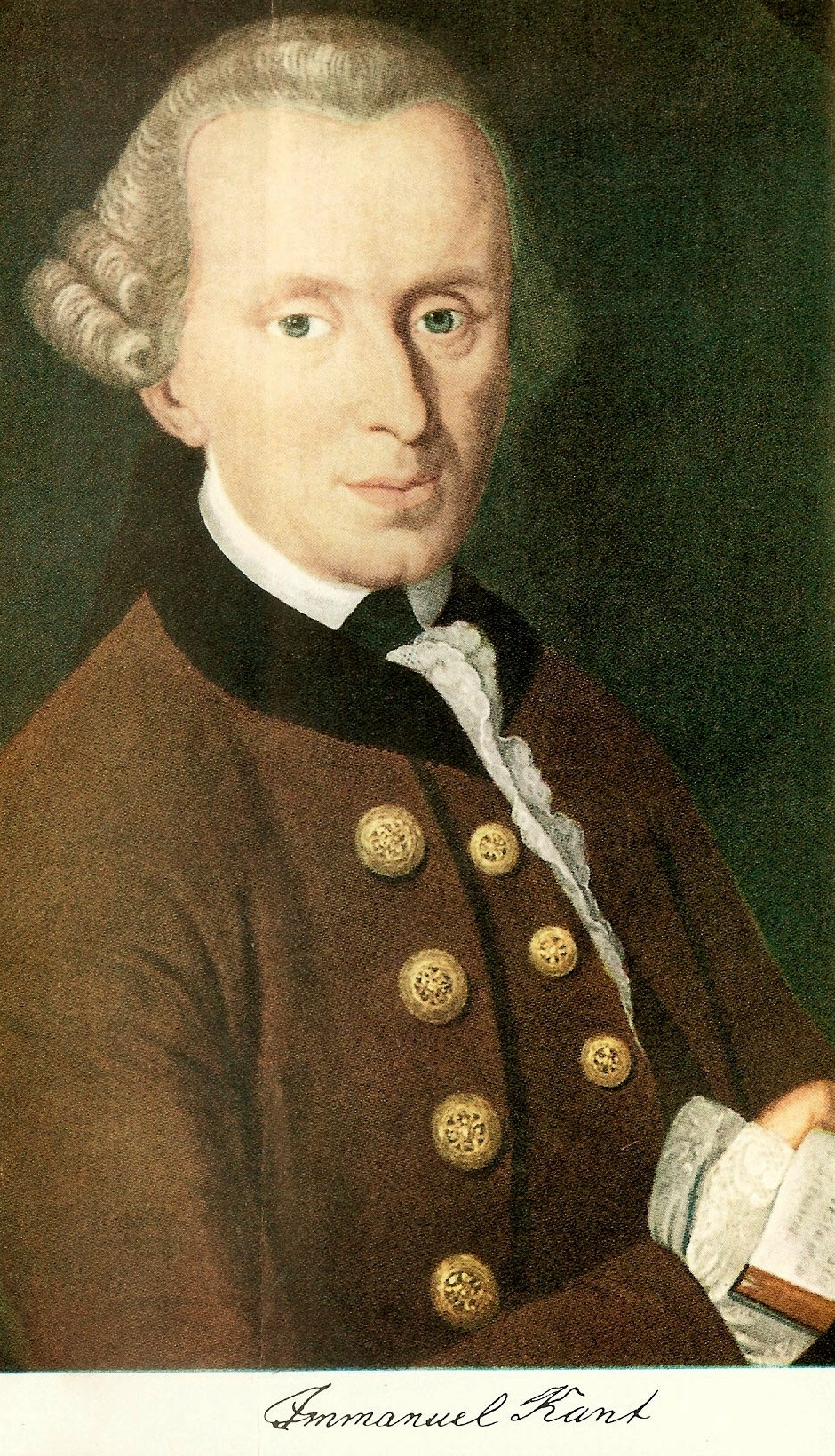
Arthur Schopenhauer was a German philosopher renowned for his profound exploration of metaphysics and ethics. His seminal work, *The World as Will and Representation*, first published in 1818 and expanded in 1844, posited that the phenomenal world is merely a manifestation of a blind and irrational noumenal will. This perspective, which built upon Immanuel Kant's transcendental idealism, marked a significant departure from the prevailing German idealism of his time. Schopenhauer's philosophy is often characterized by its pessimistic outlook, emphasizing the suffering inherent in existence and the futility of desire. He was also notable for integrating elements of Indian philosophy, advocating for asceticism and the denial of the self, which distinguished him from many of his contemporaries. Despite his lack of recognition during his lifetime, Schopenhauer's ideas gained traction posthumously, influencing a wide array of fields including philosophy, literature, and psychology. His insights into aesthetics and morality resonated with numerous thinkers and artists, shaping the intellectual landscape of the 19th and 20th centuries. Figures such as Friedrich Nietzsche, Sigmund Freud, and Richard Wagner drew inspiration from his work, cementing his legacy as a pivotal figure in Western philosophy. Schopenhauer's exploration of the human condition continues to provoke thought and discussion, affirming his place as a foundational philosopher of modern existential and pessimistic thought.
Famous Quotes
View all 20 quotes“Talent hits a target no one else can hit. Genius hits a target no one else can see.””
“Compassion is the basis of morality.””
“A man can be himself only so long as he is alone; and if he does not love solitude, he will not love freedom; for it is only when he is alone that he is really free.””
Books from the author
















Link to this page
Add a free, dofollow link to Lex on your blog, forum, syllabus, or reading list.

<a href="https://lex-books.com/author/arthur-schopenhauer"><img src="https://lex-books.com/badges/read-on-lex.svg" alt="Arthur Schopenhauer on Lex" width="160" height="40"></a>[](https://lex-books.com/author/arthur-schopenhauer)[url=https://lex-books.com/author/arthur-schopenhauer][img]https://lex-books.com/badges/read-on-lex.svg[/img][/url]Arthur Schopenhauer on Lex: https://lex-books.com/author/arthur-schopenhauer