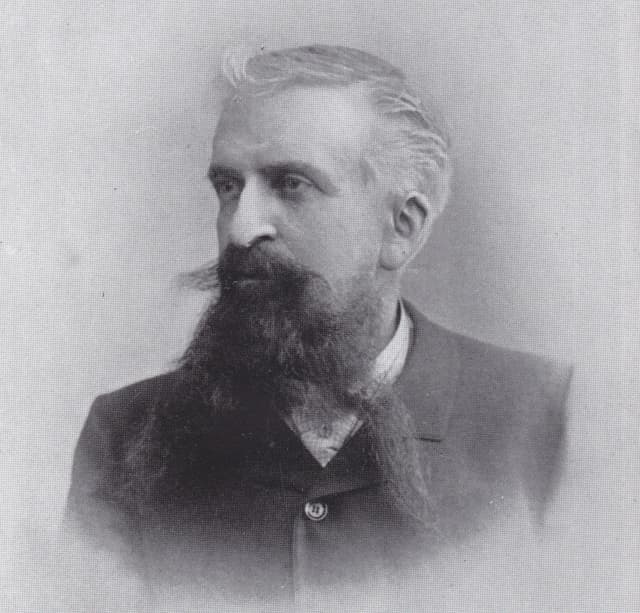
Gustave Le Bon
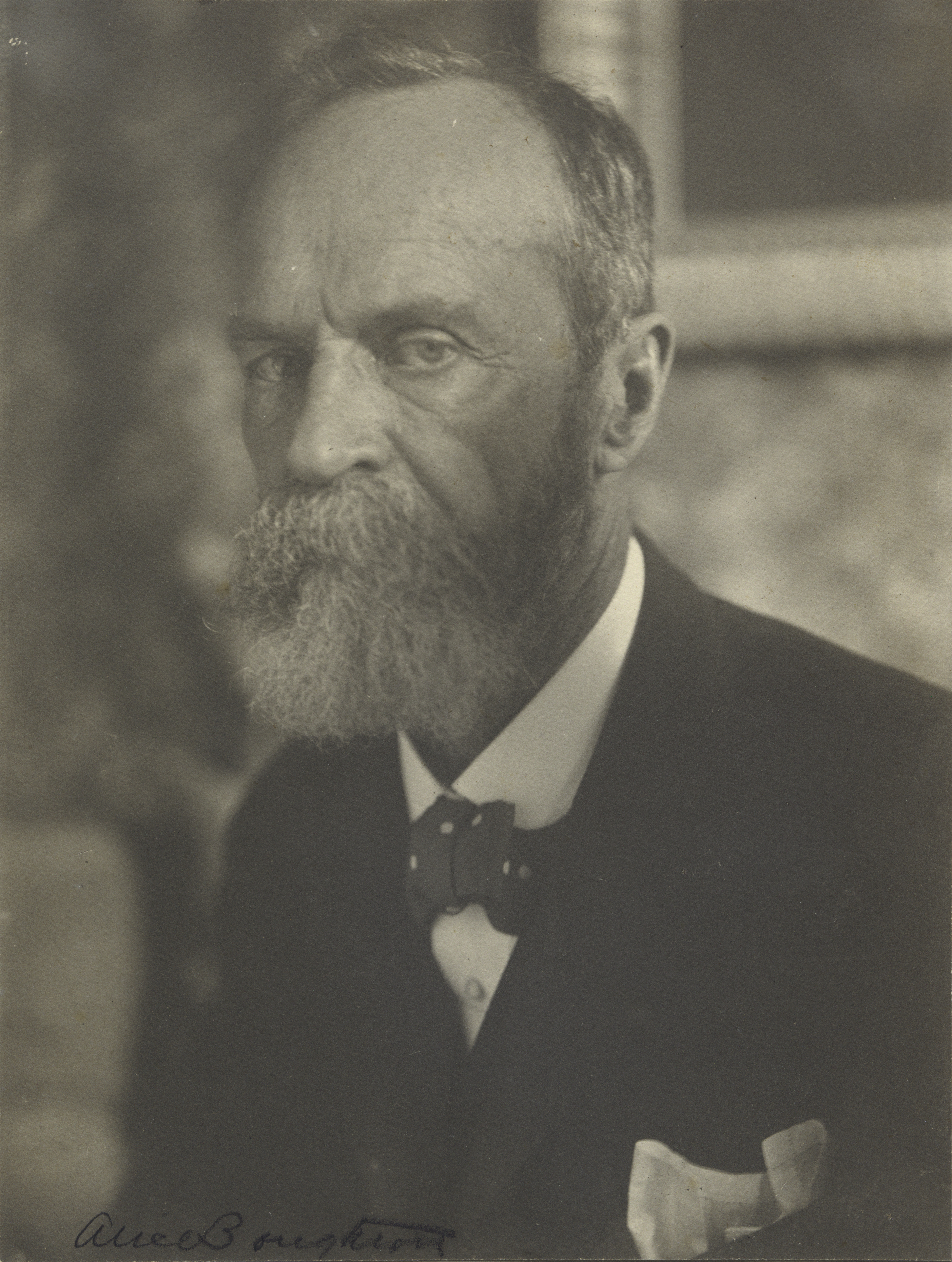
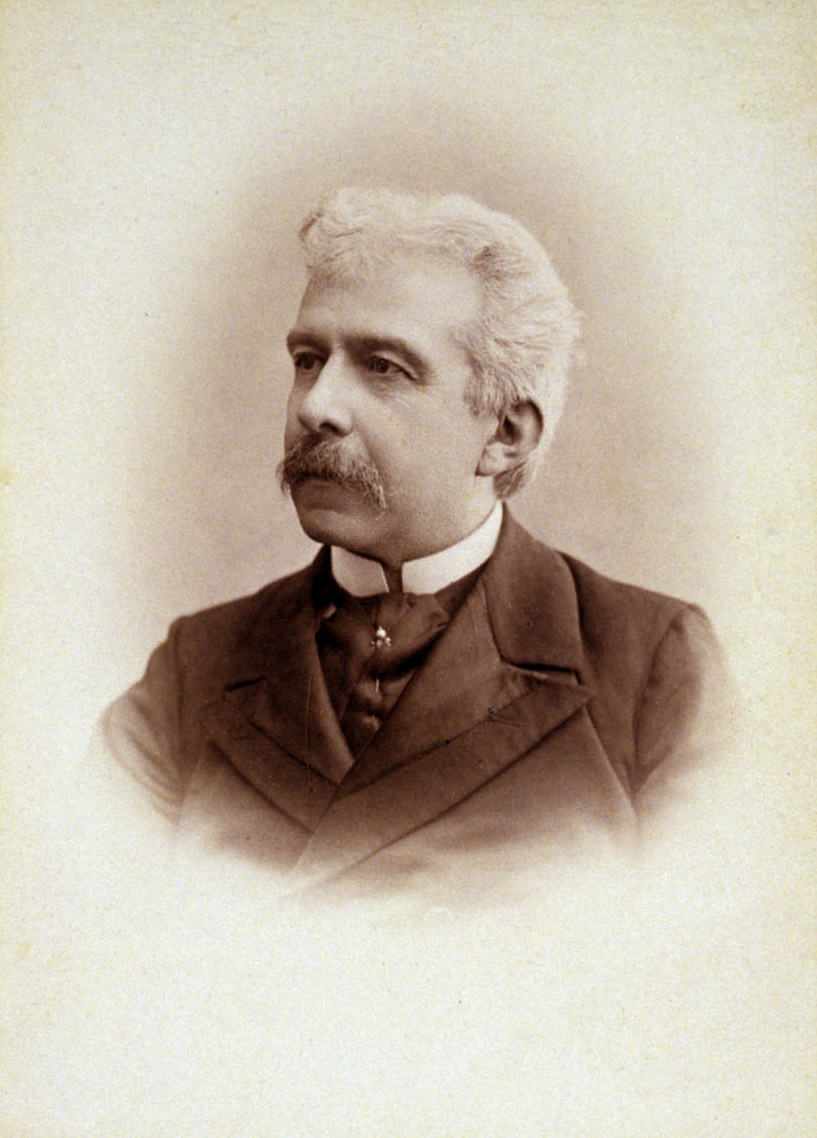
Gustave Le Bon was a prominent French polymath whose contributions spanned multiple disciplines, including anthropology, psychology, sociology, and medicine. Born in Nogent-le-Rotrou, he earned his medical degree from the University of Paris in 1866 but chose to pursue a career in writing instead of practicing medicine. His experiences during the Franco-Prussian War and the Paris Commune profoundly influenced his worldview, leading him to travel extensively across Europe, Asia, and North Africa. These journeys informed his anthropological studies and helped him develop an essentialist view of humanity, as well as invent a portable cephalometer. Le Bon is best known for his seminal work, "The Crowd: A Study of the Popular Mind," published in 1895, which laid the foundation for the field of crowd psychology. He argued that crowds possess a collective psychological identity that transcends the sum of their individual members, shaped by what he termed the 'racial unconscious.' His theories not only influenced psychology and sociology but also anticipated concepts in physics, such as mass-energy equivalence, showcasing his diverse intellectual pursuits. Le Bon's eclectic interests and groundbreaking ideas left a lasting impact on social sciences and continue to be referenced in discussions of group behavior and psychology.
Famous Quotes
View all 3 quotes“The masses have never thirsted after truth. They turn aside from evidence that is not to their taste, preferring to deify error, if error seduce them. Whoever can supply them with illusions is easily their master; whoever attempts to destroy their illusions is always their victim. An individual in a crowd is a grain of sand amid other grains of sand, which the wind stirs up at will.”
“إن العرب هم الذين علموا العالم كيف تتفق حرية الفكر مع استقامة الدين.”
“قد تطيح مؤامرة بالطاغية, ولكن ماذا تستطيع أن تفعل ضد عقيدة راسخة ؟”
Books from the author


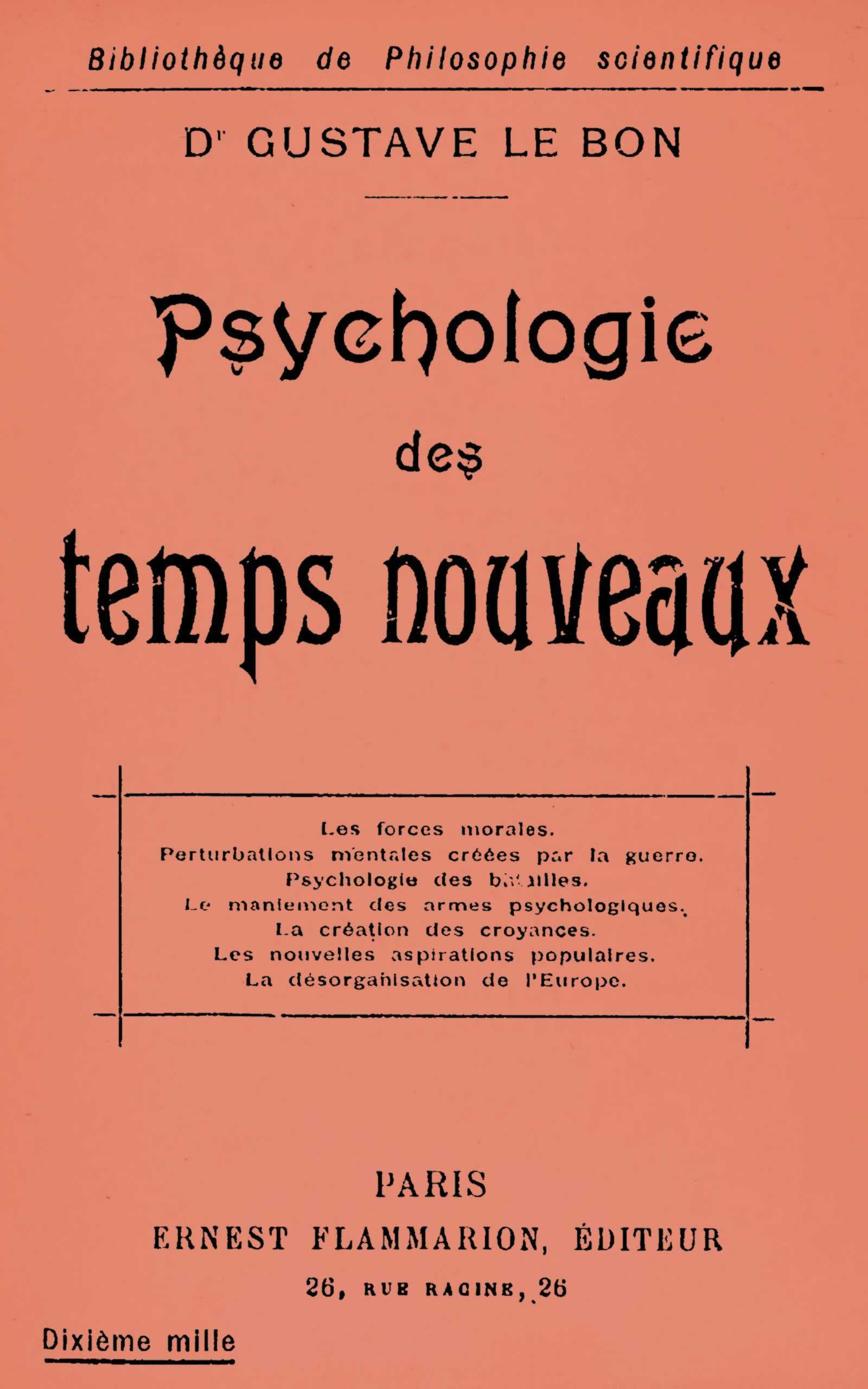
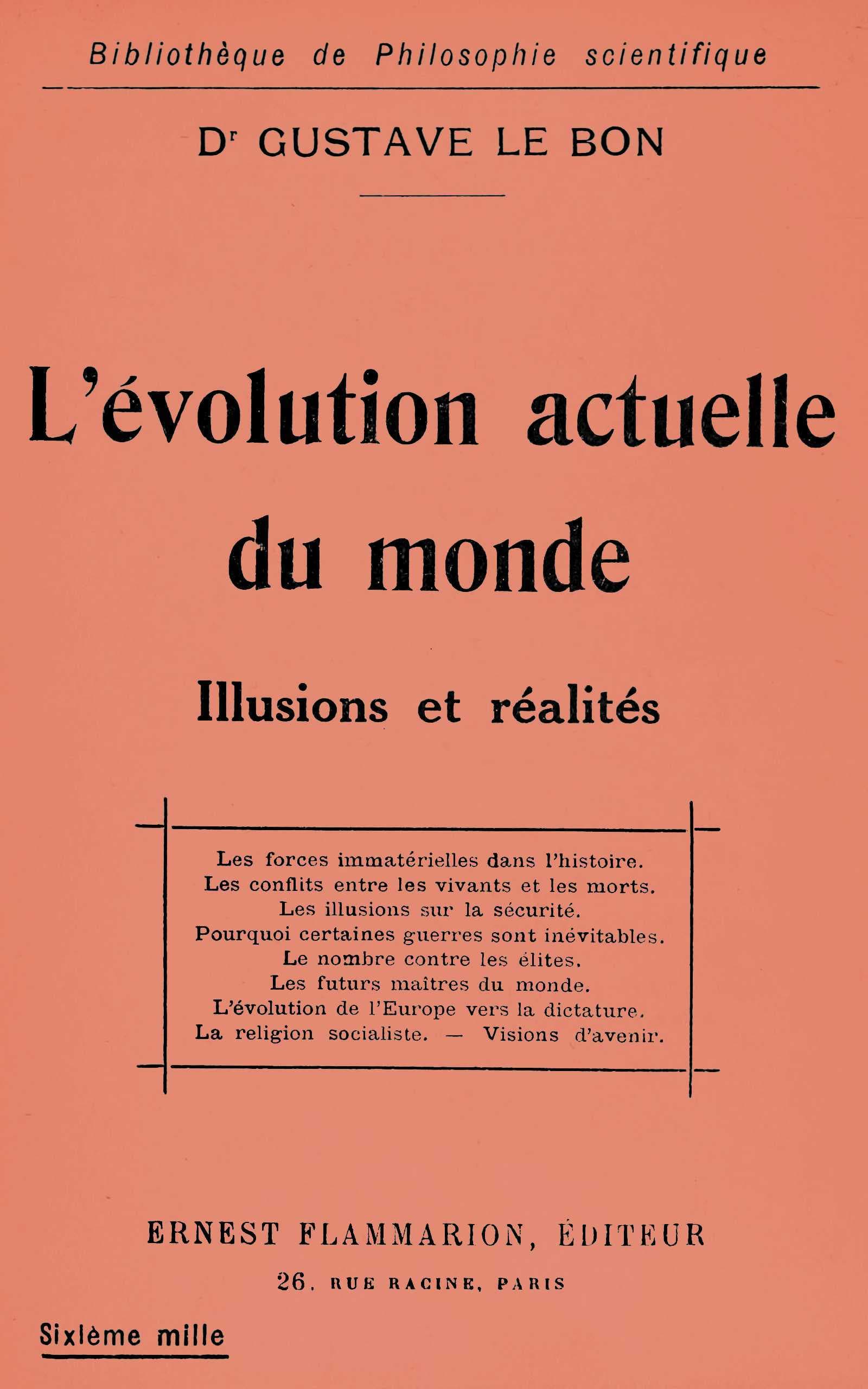
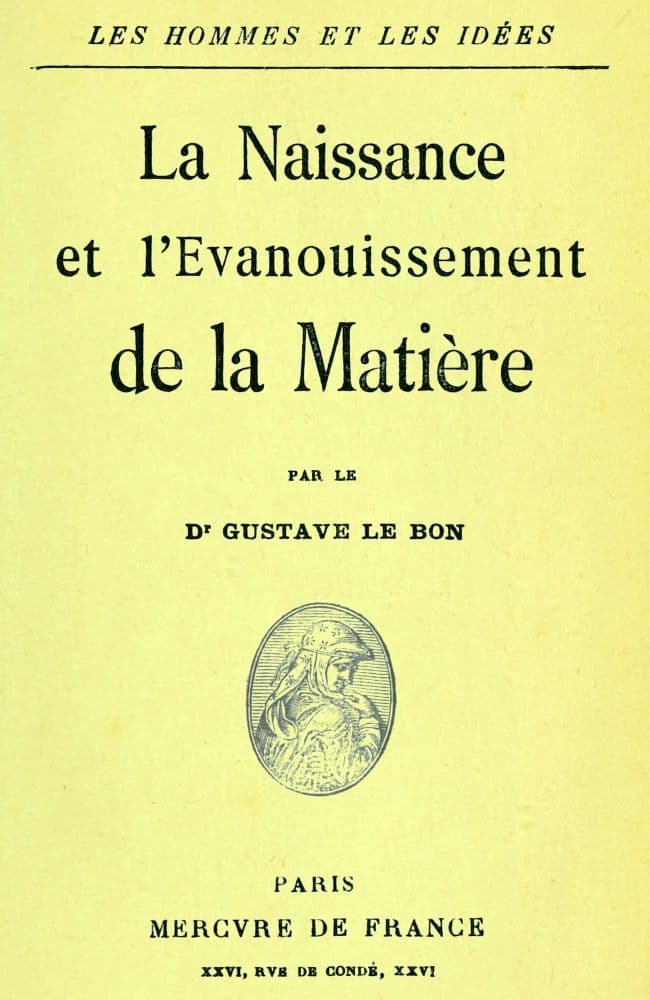



Link to this page
Add a free, dofollow link to Lex on your blog, forum, syllabus, or reading list.

<a href="https://lex-books.com/author/gustave-le-bon"><img src="https://lex-books.com/badges/read-on-lex.svg" alt="Gustave Le Bon on Lex" width="160" height="40"></a>[](https://lex-books.com/author/gustave-le-bon)[url=https://lex-books.com/author/gustave-le-bon][img]https://lex-books.com/badges/read-on-lex.svg[/img][/url]Gustave Le Bon on Lex: https://lex-books.com/author/gustave-le-bon