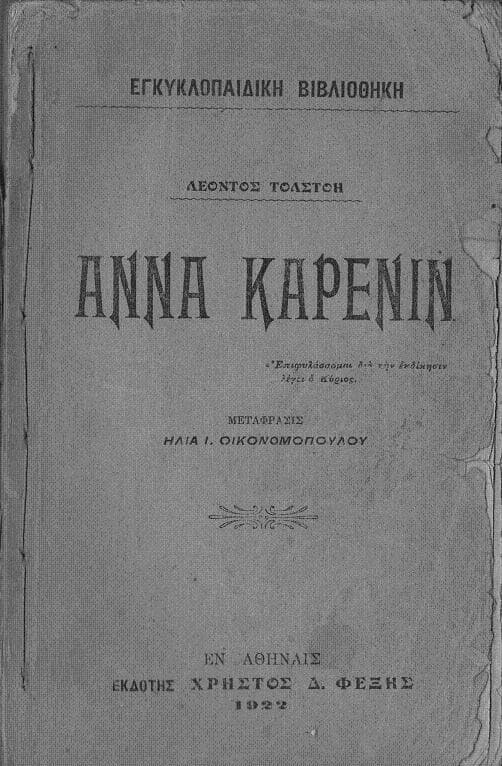
Ana Karenina

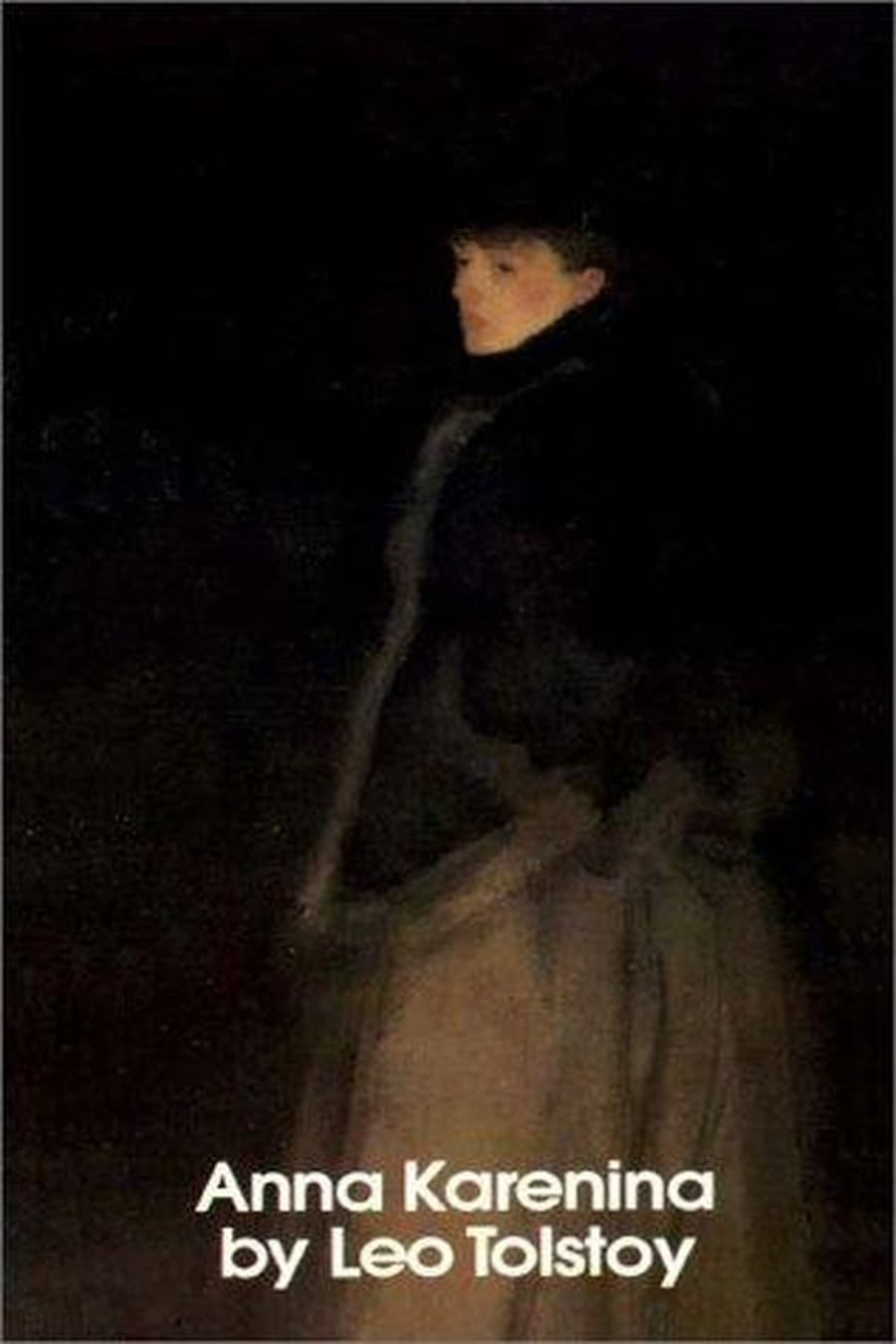
In 1870s Russia, Anna Karenina abandons her respectable life for a devastating love affair with the dashing Count Vronsky. When she leaves her husband and son for her lover, she forfeits her place in society and begins a psychological descent that Tolstoy traces with unflinching precision. Parallel to this tragic trajectory runs the story of Konstantin Levin, a landowner who rejects St Petersburg sophistication for honest work and finds meaning in simple, purposeful living. His eventual happiness stands in stark contrast to Anna's unraveling, creating a novel that asks whether passion can ever be compatible with peace. Tolstoy's masterpiece operates on multiple levels: it's a devastating love story, a sharp critique of aristocratic society, and a philosophical meditation on happiness, faith, and what it means to live well. The prose moves with effortless authority from salons to snow-covered estates, from the corridors of power to the intimate chambers of a jealous heart. Anna Karenina endures because it captures something universal about the cost of choosing desire over duty, and because its characters remain disturbingly, beautifully human more than a century later. For readers who want a novel that will shake them.
Editions

Link to this book
Add a free, dofollow link to Lex on your blog, forum, syllabus, or reading list.

<a href="https://lex-books.com/book/ana-karenina-20097e61-85e0-4258-bdf8-df9c0ba31369"><img src="https://lex-books.com/badges/read-on-lex.svg" alt="Read Ana Karenina by Leo Tolstoy free on Lex" width="160" height="40"></a>[](https://lex-books.com/book/ana-karenina-20097e61-85e0-4258-bdf8-df9c0ba31369)[url=https://lex-books.com/book/ana-karenina-20097e61-85e0-4258-bdf8-df9c0ba31369][img]https://lex-books.com/badges/read-on-lex.svg[/img][/url]Read Ana Karenina by Leo Tolstoy free on Lex: https://lex-books.com/book/ana-karenina-20097e61-85e0-4258-bdf8-df9c0ba31369Cite this book
Reading this edition for a paper or guide? Copy a citation.
Tolstoy, Leo. Ana Karenina. Lex, lex-books.com/book/ana-karenina-20097e61-85e0-4258-bdf8-df9c0ba31369.Tolstoy, L. (n.d.). Ana Karenina. Lex. https://lex-books.com/book/ana-karenina-20097e61-85e0-4258-bdf8-df9c0ba31369Tolstoy, Leo. Ana Karenina. Lex. https://lex-books.com/book/ana-karenina-20097e61-85e0-4258-bdf8-df9c0ba31369.