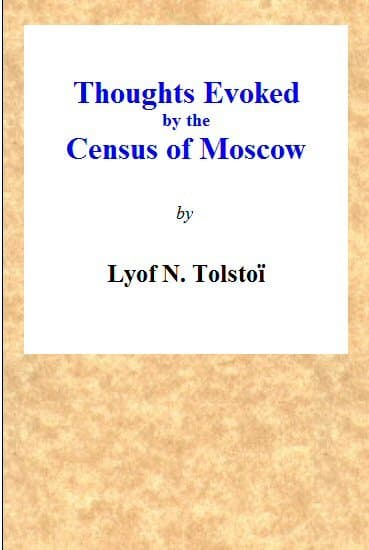
What to Do? Thoughts Evoked by the Census of Moscow
What to Do? Thoughts Evoked by the Census of Moscow
Translated by Isabel Florence Hapgood
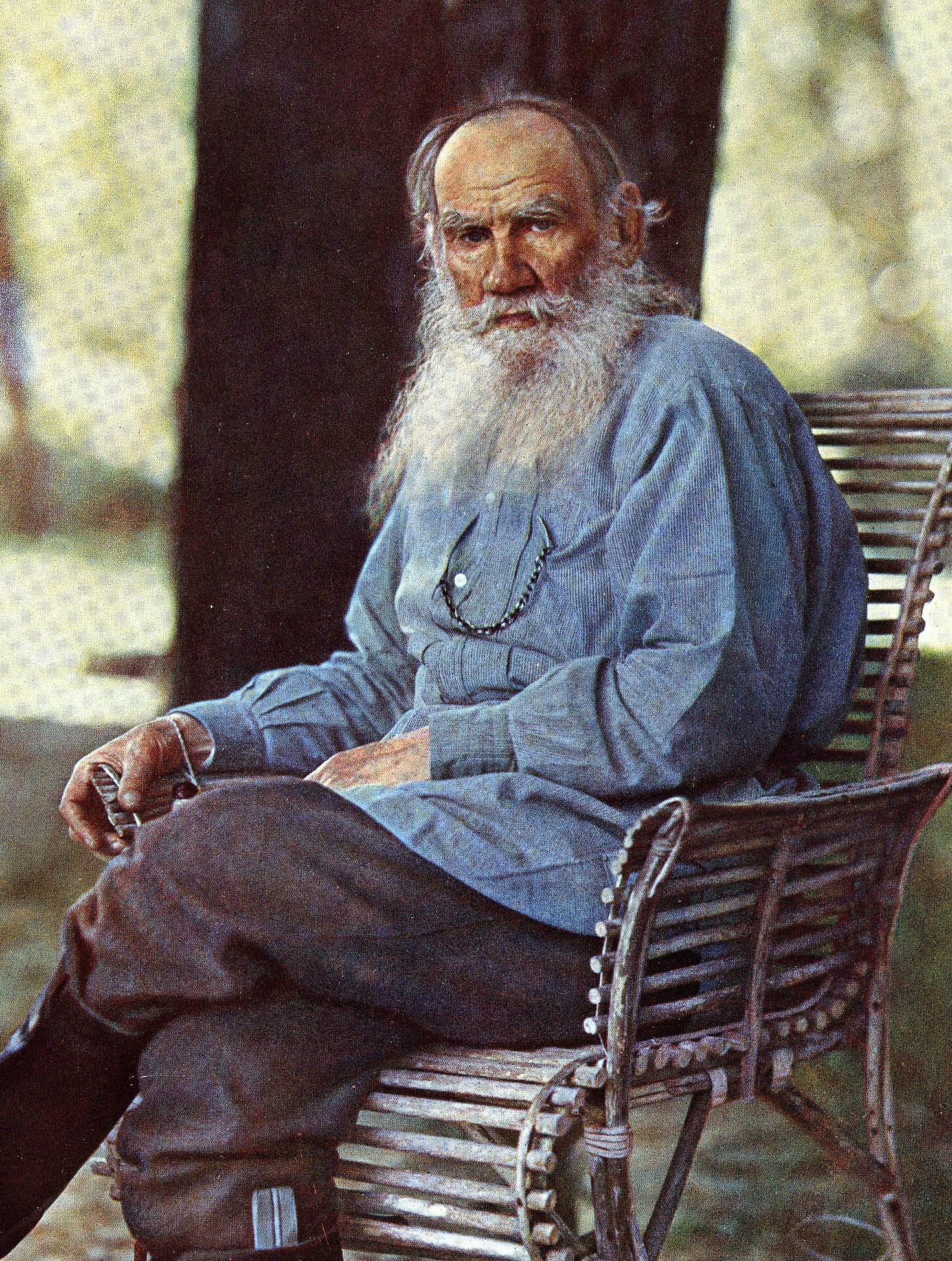
In the winter of 1882, Leo Tolstoy moved from his rural estate to Moscow and encountered something that shattered his conscience: a city where beggars surrounded him on every corner, where families lived in underground cellars, where poverty wasn't an abstraction but a daily brutal fact. What began as a newspaper assignment for the census became a reckoning with the moral failures of his own privileged existence. Tolstoy interweaves his personal reckoning with a broader critique of how society collects data on suffering without confronting it. The census, he argues, risks becoming a mechanism for comfortable observation rather than meaningful action - a way to document poverty while insulating oneself from any obligation to remedy it. Through vivid encounters with Moscow's poorest residents, he poses an uncomfortable challenge: what does it mean to witness suffering and do nothing? His answer is characteristically radical - that true Christian ethics demand not merely sympathy but transformed living. Over a century later, Tolstoy's essay retains its power to disturb. It speaks to anyone who has ever scrolled past a statistics about global poverty and felt the vague discomfort of unearned privilege. It remains essential reading for anyone asking what we owe to those whose suffering we have learned not to see.
Editions
X-Ray
“I sit on a man's back choking him and making him carry me, and yet assure myself and others that I am sorry for him and wish to lighten his load by all means possible… except by getting off his back.””
— Leo Tolstoy
“All the wounds of society, the wounds of poverty, of vice, of ignorance”
— Leo Tolstoy
“Money, in itself, is evil. And therefore he who gives money gives evil. ””
— Leo Tolstoy
“Great and real affairs are always simple and modest.And so it is with the most important affair before us: the solution of the terrible contradictions amid which we live.And the things that solve those contradictions are these modest, imperceptible, apparently ridiculous acts: serving oneself, doing physical labour for ourselves and if possible for others - which we rich people have to do if we understand the misfortune, wrongfulness, and danger of the position into which we have fallen.””
— Leo Tolstoy
“There can only be two tests of the utility of one man's activity for another: the external, consisting in the recognition of this utility by him who is benefited, and the internal, a desire to benefit another which lies at the root of the activity of him who confers the benefit.””
— Leo Tolstoy
Link to this book
Add a free, dofollow link to Lex on your blog, forum, syllabus, or reading list.

<a href="https://lex-books.com/book/what-to-do-thoughts-evoked-by-the-census-of-moscow-04d0ae2a-3d16-4df2-9f18-6eb8f913b243"><img src="https://lex-books.com/badges/read-on-lex.svg" alt="Read What to Do? Thoughts Evoked by the Census of Moscow by Leo Tolstoy free on Lex" width="160" height="40"></a>[](https://lex-books.com/book/what-to-do-thoughts-evoked-by-the-census-of-moscow-04d0ae2a-3d16-4df2-9f18-6eb8f913b243)[url=https://lex-books.com/book/what-to-do-thoughts-evoked-by-the-census-of-moscow-04d0ae2a-3d16-4df2-9f18-6eb8f913b243][img]https://lex-books.com/badges/read-on-lex.svg[/img][/url]Read What to Do? Thoughts Evoked by the Census of Moscow by Leo Tolstoy free on Lex: https://lex-books.com/book/what-to-do-thoughts-evoked-by-the-census-of-moscow-04d0ae2a-3d16-4df2-9f18-6eb8f913b243Cite this book
Reading this edition for a paper or guide? Copy a citation.
Tolstoy, Leo. What to Do? Thoughts Evoked by the Census of Moscow. Lex, lex-books.com/book/what-to-do-thoughts-evoked-by-the-census-of-moscow-04d0ae2a-3d16-4df2-9f18-6eb8f913b243.Tolstoy, L. (n.d.). What to Do? Thoughts Evoked by the Census of Moscow. Lex. https://lex-books.com/book/what-to-do-thoughts-evoked-by-the-census-of-moscow-04d0ae2a-3d16-4df2-9f18-6eb8f913b243Tolstoy, Leo. What to Do? Thoughts Evoked by the Census of Moscow. Lex. https://lex-books.com/book/what-to-do-thoughts-evoked-by-the-census-of-moscow-04d0ae2a-3d16-4df2-9f18-6eb8f913b243.