The First Distiller
1886
Leo Tolstoy writing a comic morality play about a devil teaching a peasant to distill vodka. That's the entire premise, and it's as audacious as it sounds. Written in 1886 during Tolstoy's later moral awakening, The First Distiller dispenses with the epic grandeur of War and Peace in favor of something stranger and more unsettling: a folk tale about how one man's discovery of alcohol destroys his village. A mysterious Labourer arrives at a hardworking peasant's farm and introduces him to the art of distillation. What begins as abundance curdles into greed, then violence, then total collapse. Families splinter. Neighbors turn on each other. The harvest that should have fed the community instead fuels its unraveling. Tolstoy, writing as a committed Christian anarchist and teetotaler, layers the allegorical and the viciously funny: the devil earns his crust by teaching humans to destroy themselves. The play endures because it's both a period-specific polemic against alcohol and a timeless study of how temptation exploits plenty. For readers who want to see Tolstoy unafraid, unsentimental, and unexpectedly funny.
Editions
Link to this book
Add a free, dofollow link to Lex on your blog, forum, syllabus, or reading list.

<a href="https://lex-books.com/book/the-first-distiller-676b1a50-4839-4d54-bcc6-b72225edfca0"><img src="https://lex-books.com/badges/read-on-lex.svg" alt="Read The First Distiller by Leo Tolstoy free on Lex" width="160" height="40"></a>[](https://lex-books.com/book/the-first-distiller-676b1a50-4839-4d54-bcc6-b72225edfca0)[url=https://lex-books.com/book/the-first-distiller-676b1a50-4839-4d54-bcc6-b72225edfca0][img]https://lex-books.com/badges/read-on-lex.svg[/img][/url]Read The First Distiller by Leo Tolstoy free on Lex: https://lex-books.com/book/the-first-distiller-676b1a50-4839-4d54-bcc6-b72225edfca0Cite this book
Reading this edition for a paper or guide? Copy a citation.
Tolstoy, Leo. The First Distiller. Lex, lex-books.com/book/the-first-distiller-676b1a50-4839-4d54-bcc6-b72225edfca0.Tolstoy, L. (1886). The First Distiller. Lex. https://lex-books.com/book/the-first-distiller-676b1a50-4839-4d54-bcc6-b72225edfca0Tolstoy, Leo. The First Distiller. Lex. https://lex-books.com/book/the-first-distiller-676b1a50-4839-4d54-bcc6-b72225edfca0.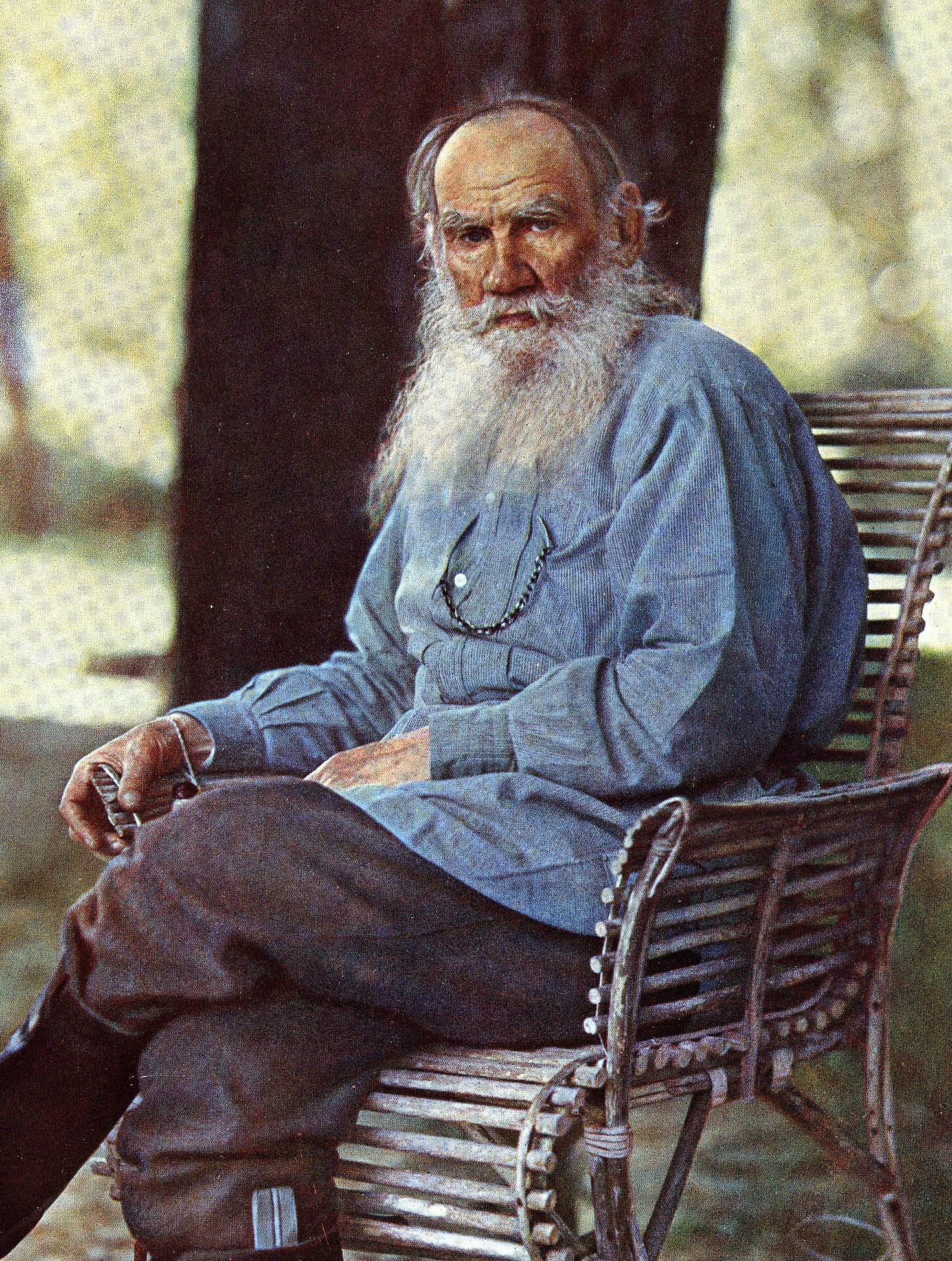





![Night Watches [complete]](/_next/image?url=https%3A%2F%2Fd3b2n8gj62qnwr.cloudfront.net%2FCOVERS%2Fgutenberg_covers75k%2Febook-12161.png&w=3840&q=75)