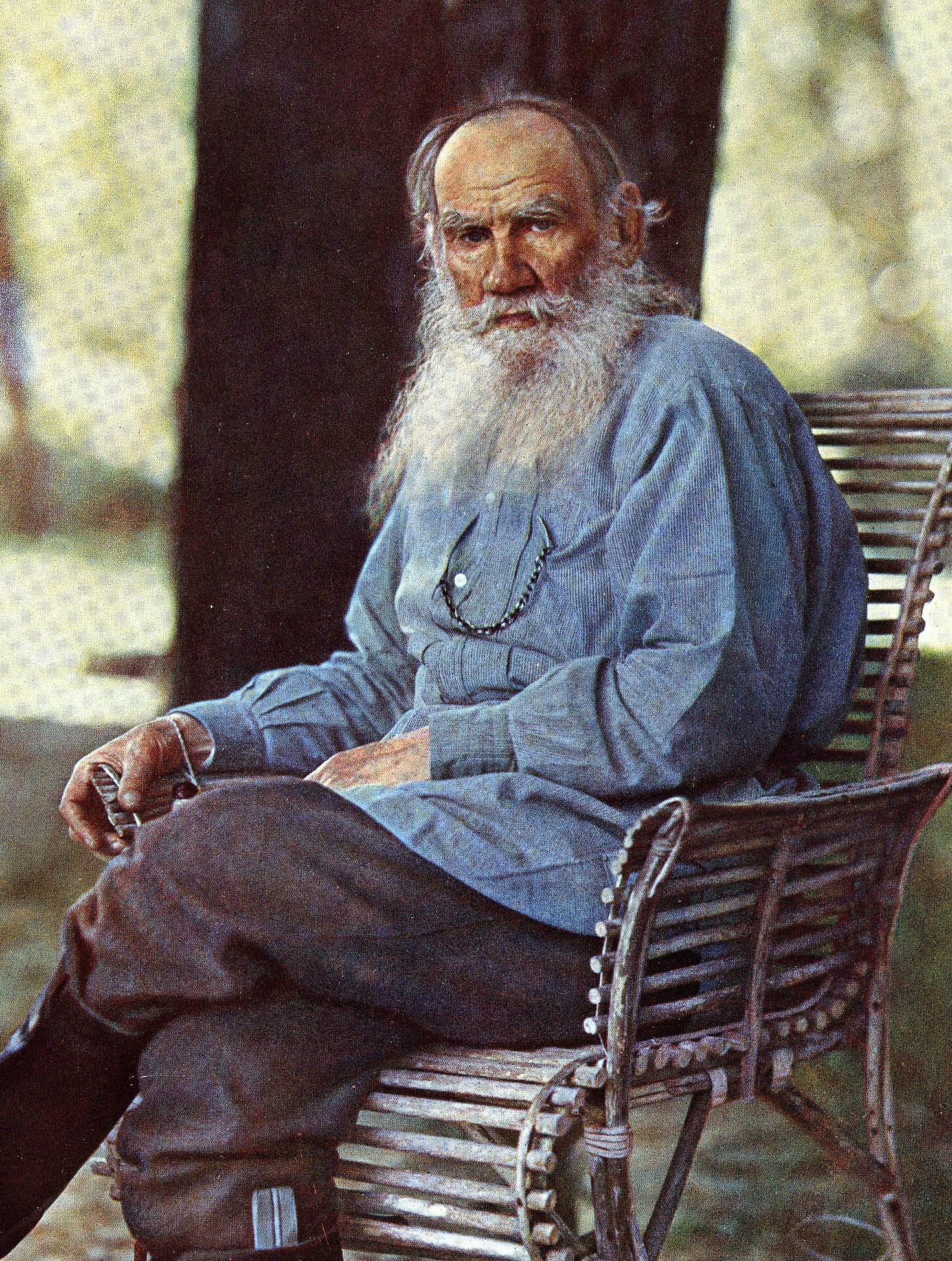
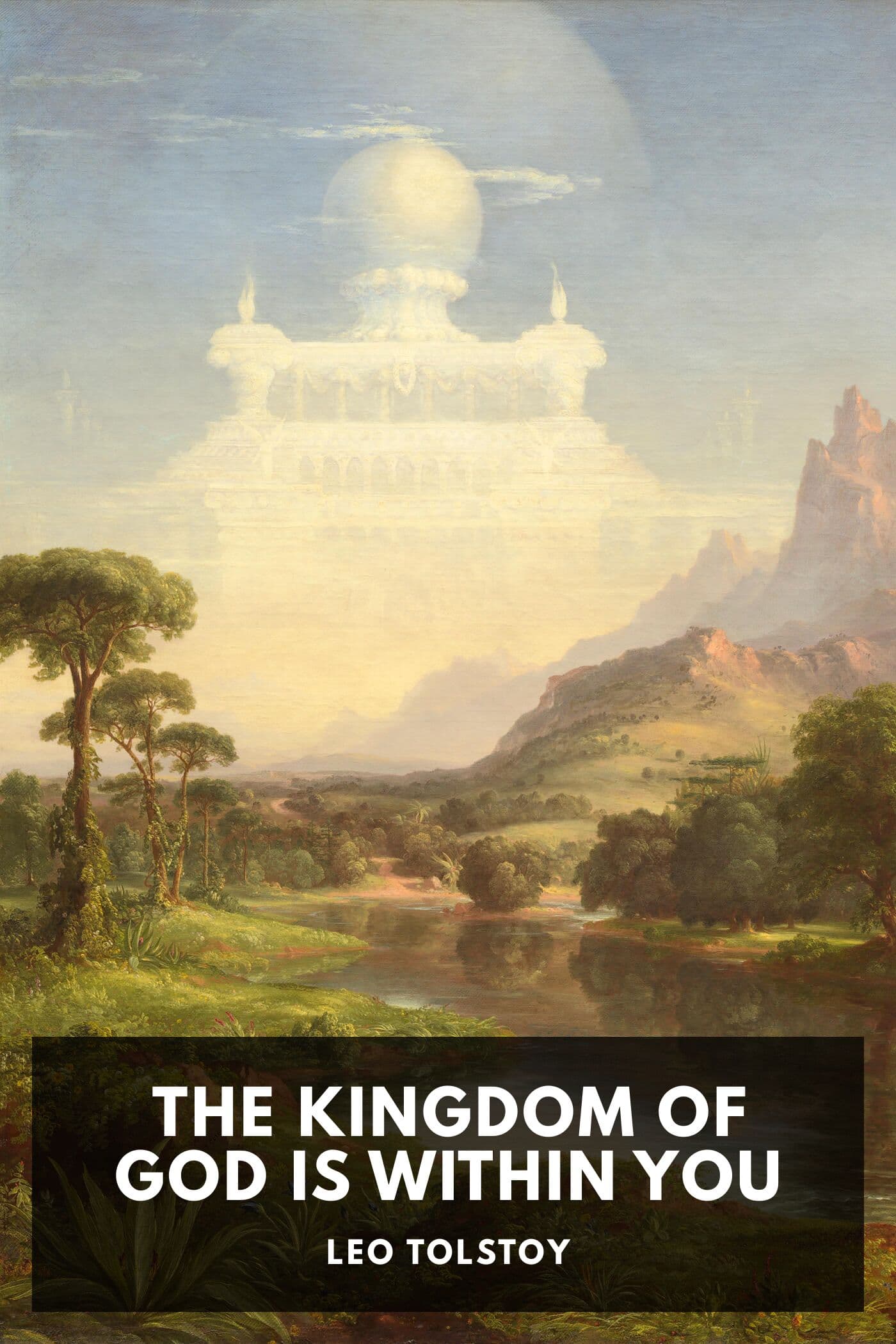
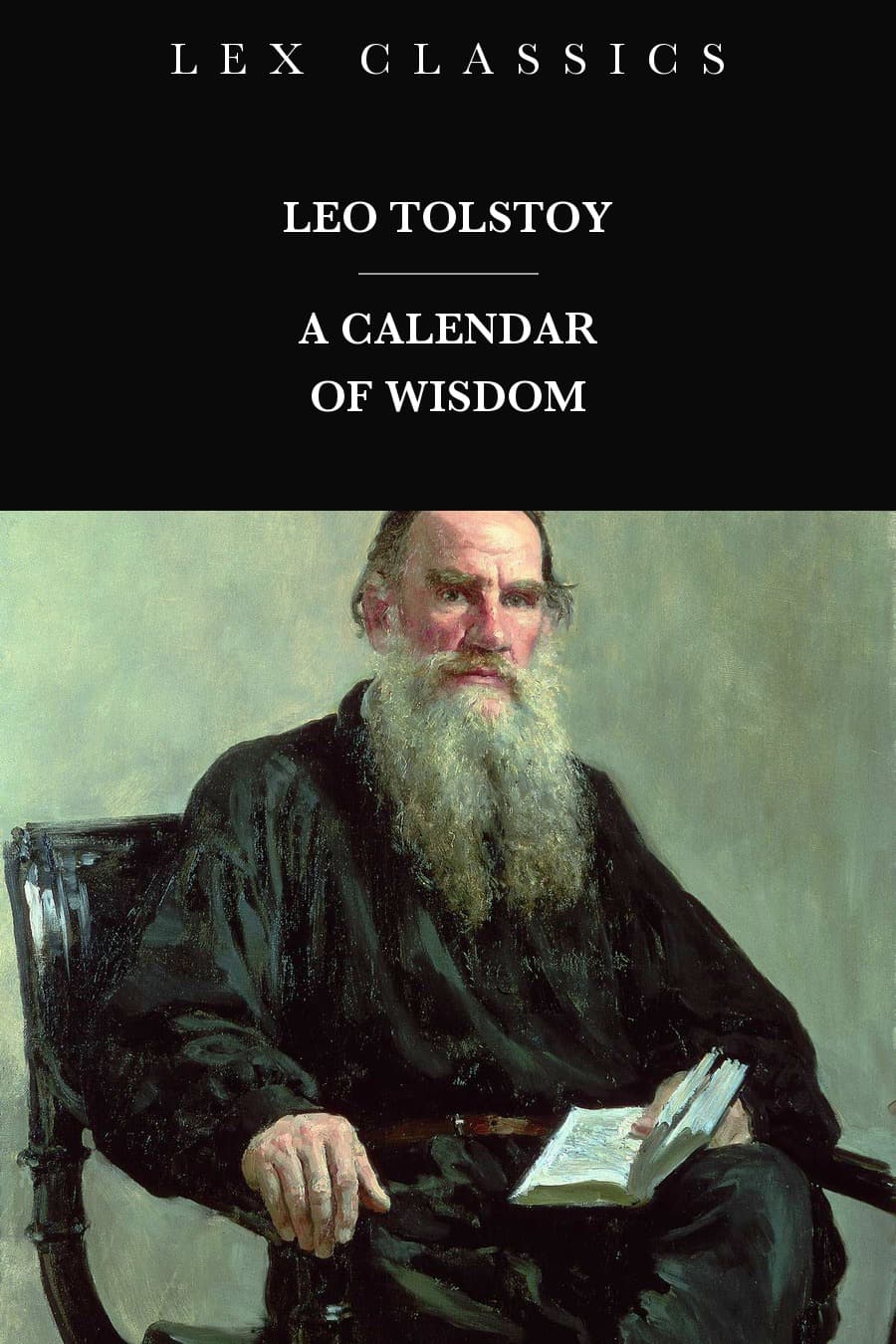
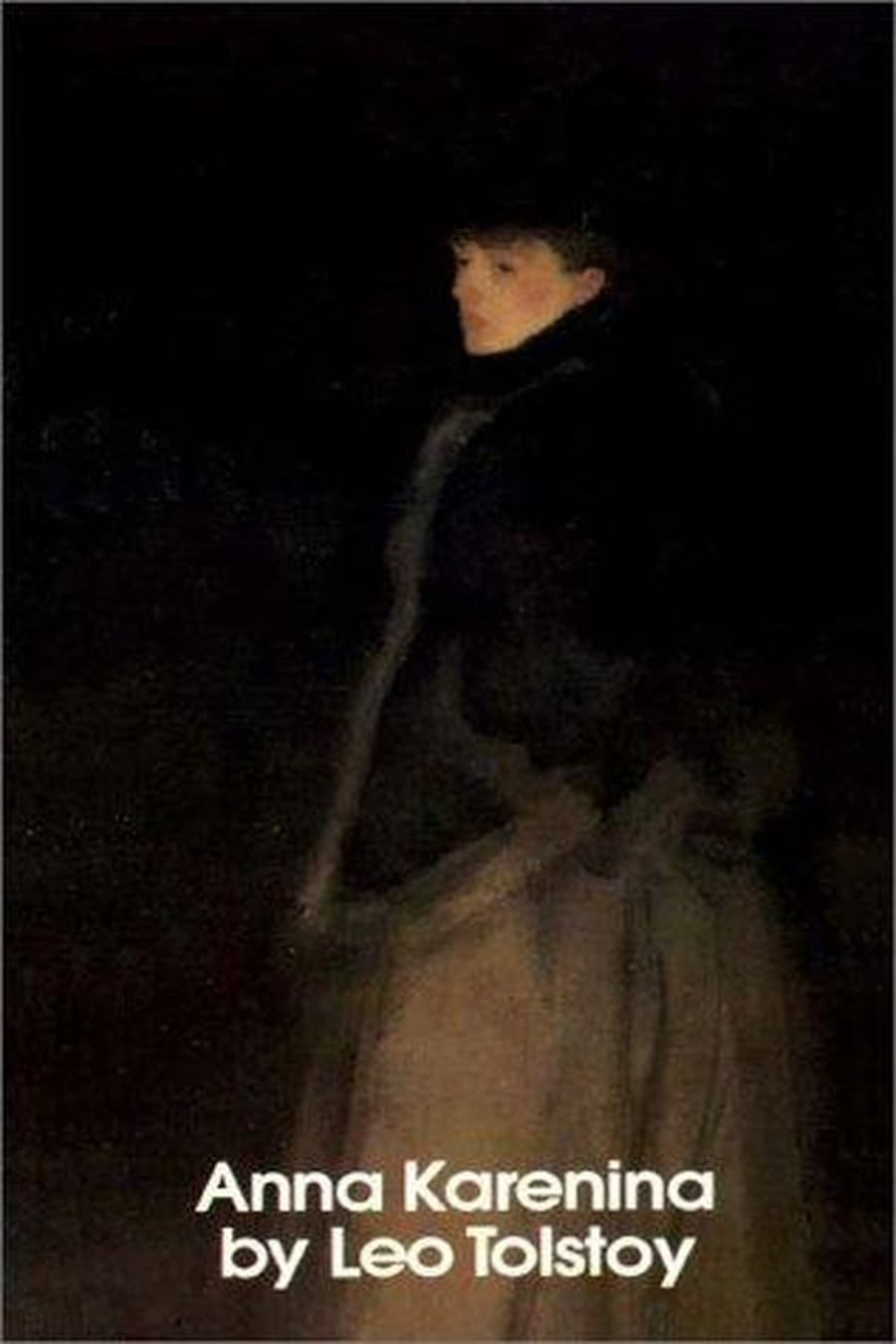
The Awakening: (the Resurrection)
1899
A young woman in a dirty prison uniform is being brought to court on a spring morning so beautiful it feels like an insult. She is Katherine Maslova, once a servant, once seduced and abandoned by a nobleman, now convicted of murder she did not commit. The first pages of Tolstoy's final masterpiece establish his fury at a world that grinds the vulnerable into dust and calls it justice. Prince Dmitri Nekhludoff sits in that courtroom and recognizes her. He was the one who seduced her years ago, set her on the path to ruin. As the trial unfolds and he sees the machinery of law and society at work, he begins an awakening that will consume his life. He abandons his estates, his entitlements, his entire world of comfortable sin to follow Maslova into the frozen hell of Siberian exile, seeking not her forgiveness but the possibility of his own redemption. This is Tolstoy at his most激进, more interested in salvation than in art. The novel tears through the Russian penal system, through aristocratic hypocrisy, through the lies society tells itself about justice and morality. It asks whether awakening is even possible when the systems designed to punish are themselves the crime. For readers who want fiction that refuses to look away from suffering, that demands its characters earn their resurrection through action, not prayer.
Editions
X-Ray
“One of the commonest and most generally accepted delusions is that every man can be qualified in some particular way -- said to be kind, wicked, stupid, energetic, apathetic, and so on. People are not like that. We may say of a man that he is more often kind than cruel, more often wise than stupid, more often energetic than apathetic or vice versa; but it could never be true to say of one man that he is kind or wise, and of another that he is wicked or stupid. Yet we are always classifying mankind in this way. And it is wrong. Human beings are like rivers; the water is one and the same in all of them but every river is narrow in some places, flows swifter in others; here it is broad, there still, or clear, or cold, or muddy or warm. It is the same with men. Every man bears within him the germs of every human quality, and now manifests one, now another, and frequently is quite unlike himself, while still remaining the same man.””
— Leo Tolstoy
“Every man and every living creature has a sacred right to the gladness of springtime.””
— Leo Tolstoy
“Though men in their hundreds of thousands had tried their hardest to disfigure that little corner of the earth where they had crowded themselves together, paving the ground with stones so that nothing could grow, weeding out every blade of vegetation, filling the air with the fumes of coal and gas, cutting down trees and driving away every beast and every bird -- spring, however, was still spring, even in the town. The sun shone warm, the grass, wherever it had not been scraped away, revived and showed green not only on the narrow strips of lawn on the boulevards but between the paving-stones as well, and the birches, the poplars and the wild cherry-trees were unfolding their sticky, fragrant leaves, and the swelling buds were bursting on the lime trees; the jackdaws, the sparrows and the pigeons were cheerfully getting their nests ready for the spring, and the flies, warmed by the sunshine, buzzed gaily along the walls. All were happy -- plants, birds, insects and children. But grown-up people -- adult men and women -- never left off cheating and tormenting themselves and one another. It was not this spring morning which they considered sacred and important, not the beauty of God's world, given to all creatures to enjoy -- a beauty which inclines the heart to peace, to harmony and to love. No, what they considered sacred and important were their own devices for wielding power over each other.””
— Leo Tolstoy
“The whole trouble lies in that people think that there are conditions excluding the necessity of love in their intercourse with man, but such conditions do not exist. Things may be treated without love; one may chop wood, make bricks, forge iron without love, but one can no more deal with people without love than one can handle bees without care.””
— Leo Tolstoy
“It is usually imagined that a thief, a murderer, a spy, a prostitute, acknowledging his profession as evil, is ashamed of it. But the contrary is true. People whom fate and their sin-mistakes have placed in a certain position, however false that position may be, form a view of life in general which makes their position seem good and admissible. In order to keep up their view of life, these people instinctively keep to the circle of those people who share their views of life and their own place in it. This surprises us, where the persons concerned are thieves, bragging about their dexterity, prostitutes vaunting their depravity, or murderers boasting of their cruelty. This surprises us only because the circle, the atmosphere in which these people live, is limited, and we are outside it. But can we not observe the same phenomenon which the rich boast of their wealth, i.e., robbery; the commanders in the army pride themselves on their victories, i.e., murder; and those in high places vaunt their power, i.e., violence? We do not see the perversion in the views of life held by these people, only because the circle formed by them is more extensive, and we ourselves are moving inside of it.””
— Leo Tolstoy
“All were happy -- plants, birds, insects and children. But grown-up people -- adult men and women -- never left off cheating and tormenting themselves and one another. It was not this spring morning which they considered sacred and important, not the beauty of God's world, given to all creatures to enjoy -- a beauty which inclines the heart to peace, to harmony and to love.””
— Leo Tolstoy
“It was clear that everything considered important and good was insignificant and repulsive, and that all this glamour and luxury hid the old well-known crimes, which not only remained unpunished but were adorned with all the splendor men can devise.””
— Leo Tolstoy
“There are many faiths, but the spirit is one”
— Leo Tolstoy
“All these institutions [prisons] seemed purposely invented for the production of depravity and vice, condensed to such a degree that no other conditions could produce it, and for the spreading of this condensed depravity and vice broadcast among the whole population.””
— Leo Tolstoy
Link to this book
Add a free, dofollow link to Lex on your blog, forum, syllabus, or reading list.

<a href="https://lex-books.com/book/the-awakening-the-resurrection-6746f52f-fd08-48ea-ba2c-a0f8e85c6767"><img src="https://lex-books.com/badges/read-on-lex.svg" alt="Read The Awakening: (the Resurrection) by Leo Tolstoy free on Lex" width="160" height="40"></a>[](https://lex-books.com/book/the-awakening-the-resurrection-6746f52f-fd08-48ea-ba2c-a0f8e85c6767)[url=https://lex-books.com/book/the-awakening-the-resurrection-6746f52f-fd08-48ea-ba2c-a0f8e85c6767][img]https://lex-books.com/badges/read-on-lex.svg[/img][/url]Read The Awakening: (the Resurrection) by Leo Tolstoy free on Lex: https://lex-books.com/book/the-awakening-the-resurrection-6746f52f-fd08-48ea-ba2c-a0f8e85c6767Cite this book
Reading this edition for a paper or guide? Copy a citation.
Tolstoy, Leo. The Awakening: (the Resurrection). Lex, lex-books.com/book/the-awakening-the-resurrection-6746f52f-fd08-48ea-ba2c-a0f8e85c6767.Tolstoy, L. (1899). The Awakening: (the Resurrection). Lex. https://lex-books.com/book/the-awakening-the-resurrection-6746f52f-fd08-48ea-ba2c-a0f8e85c6767Tolstoy, Leo. The Awakening: (the Resurrection). Lex. https://lex-books.com/book/the-awakening-the-resurrection-6746f52f-fd08-48ea-ba2c-a0f8e85c6767.