
Dante Alighieri
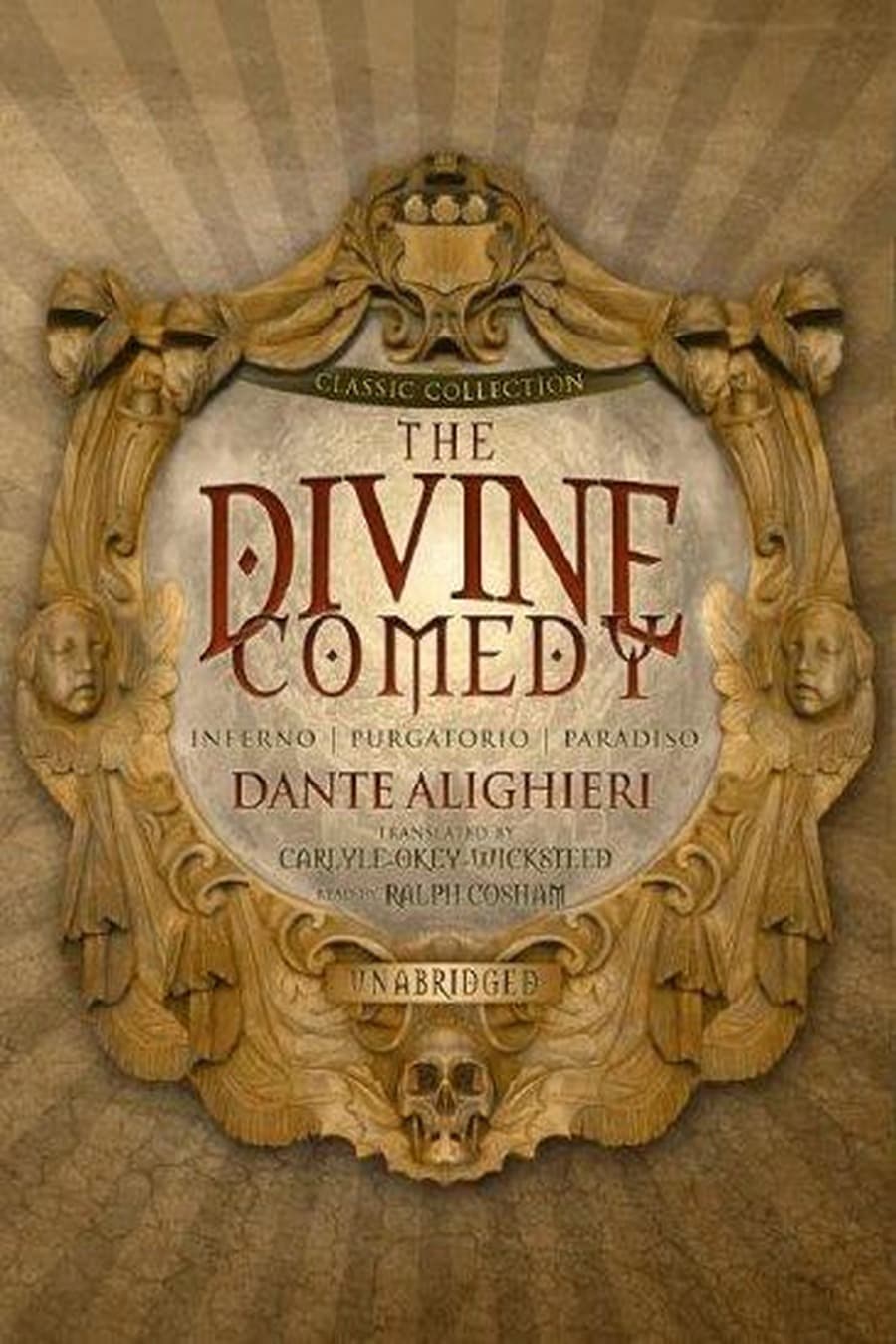
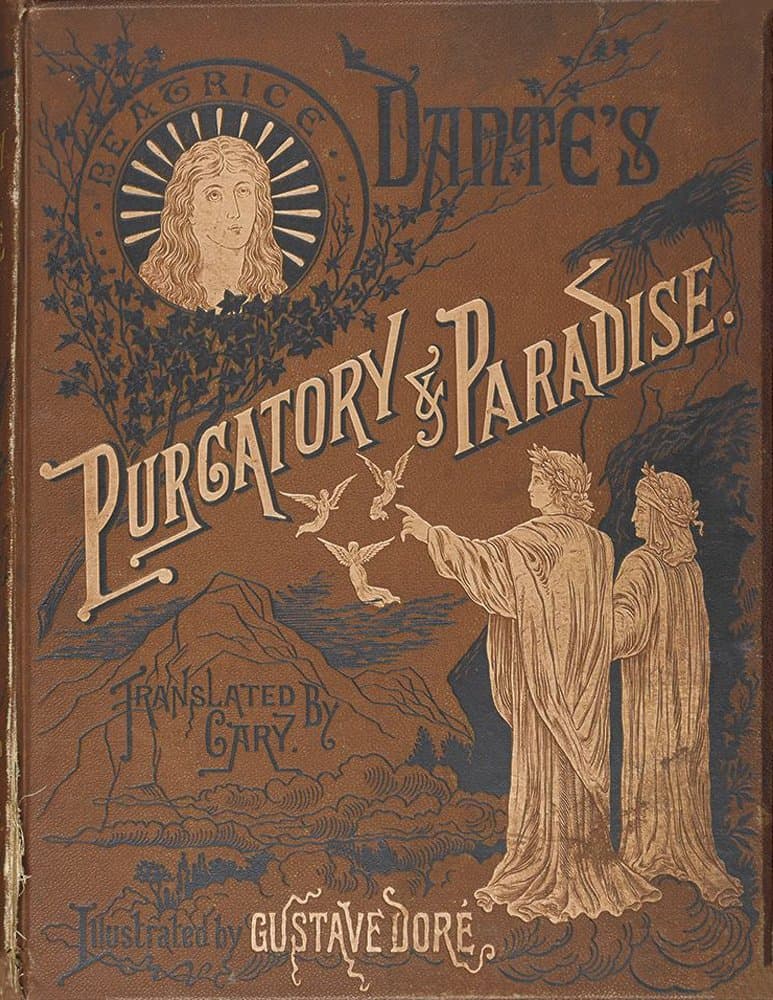
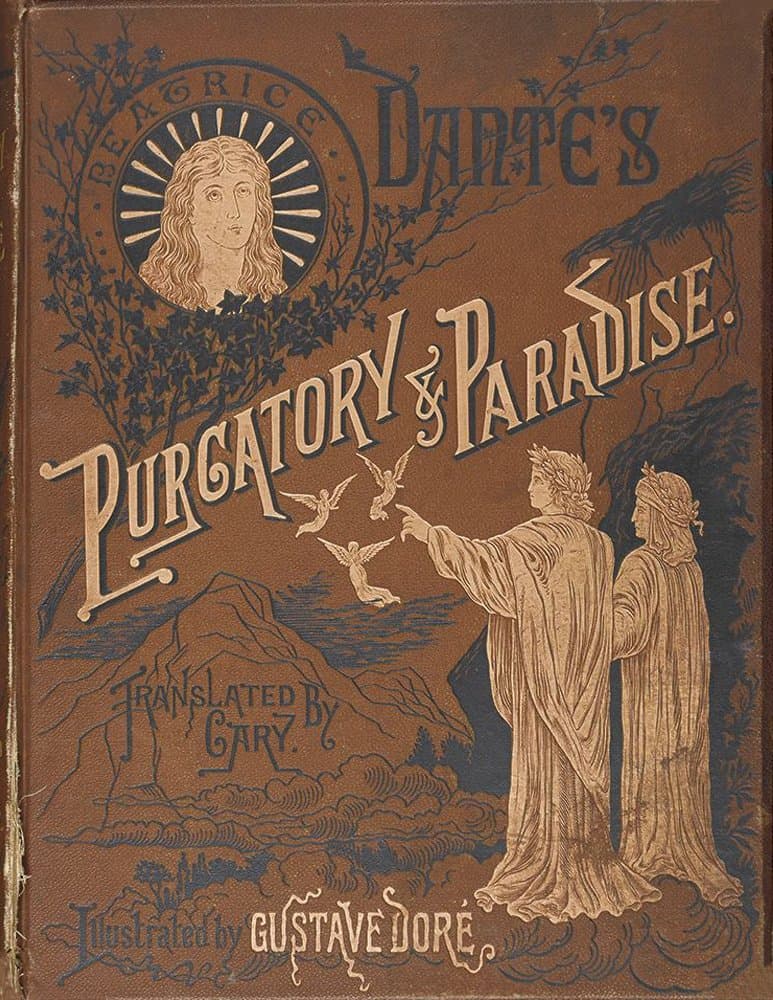
Dante Alighieri was an Italian poet, writer, and philosopher whose work has had a profound impact on literature and the Italian language. Born in Florence, he became a prominent figure in the cultural and political life of his city. His most celebrated work, the Divine Comedy, is an epic poem that explores themes of morality, redemption, and the human experience through a vivid allegorical journey through Hell, Purgatory, and Paradise. This monumental piece is not only a cornerstone of medieval literature but also a pioneering work that helped to establish the use of the Tuscan dialect as the standard for the Italian language. Dante's influence extends beyond his literary achievements; he is often regarded as the father of the Italian language and a precursor to the Renaissance. His exploration of complex philosophical and theological concepts in the Divine Comedy has inspired countless writers, artists, and thinkers throughout the centuries. Dante's unique blend of personal narrative and universal themes has cemented his legacy as one of the most significant figures in Western literature, making his works essential reading for understanding the evolution of literary tradition and thought.
Famous Quotes
View all 19 quotes“My course is set for an uncharted sea.””
“The hottest places in hell are reserved for those who, in times of great moral crisis, maintain their neutrality.””
Books from the author




















Link to this page
Add a free, dofollow link to Lex on your blog, forum, syllabus, or reading list.

<a href="https://lex-books.com/author/dante-alighieri"><img src="https://lex-books.com/badges/read-on-lex.svg" alt="Dante Alighieri on Lex" width="160" height="40"></a>[](https://lex-books.com/author/dante-alighieri)[url=https://lex-books.com/author/dante-alighieri][img]https://lex-books.com/badges/read-on-lex.svg[/img][/url]Dante Alighieri on Lex: https://lex-books.com/author/dante-alighieri