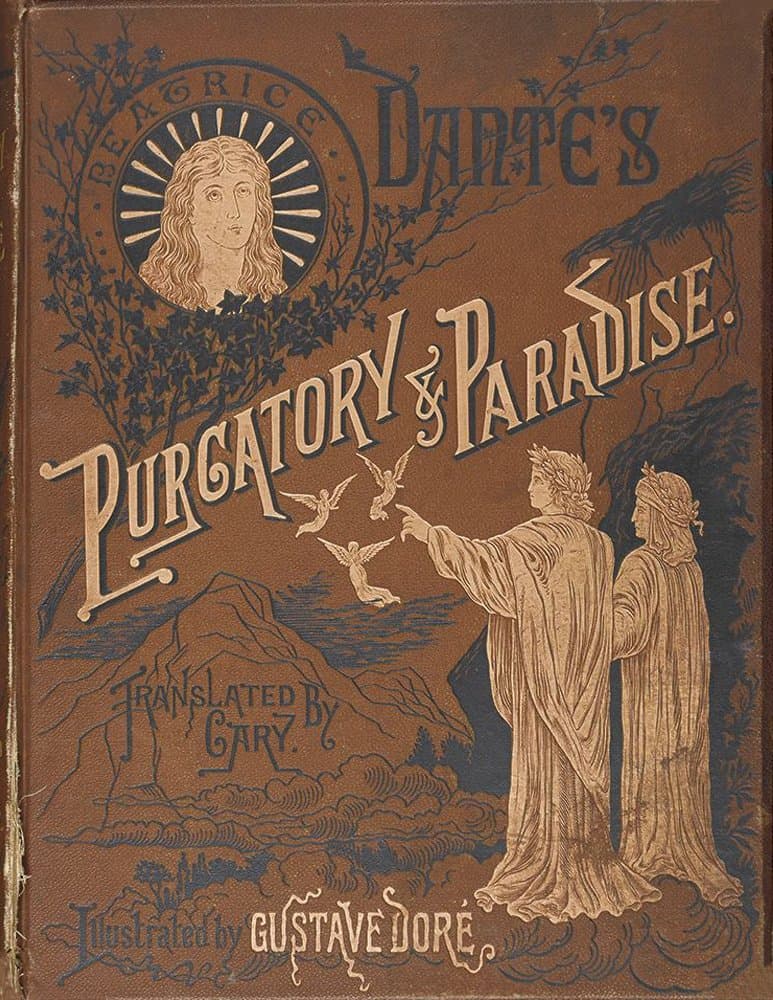
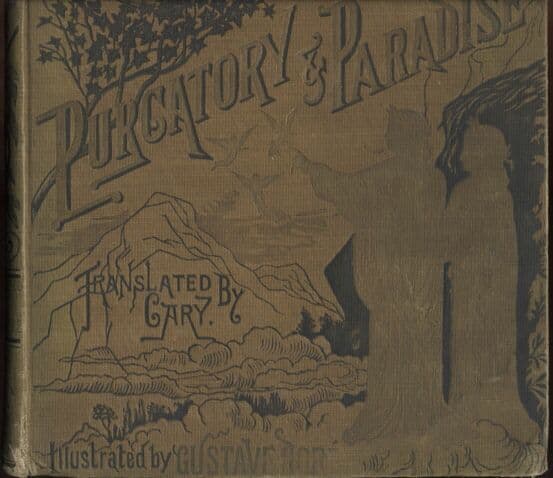
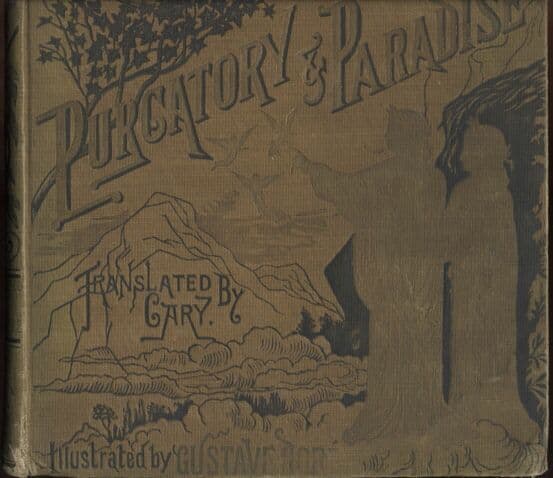
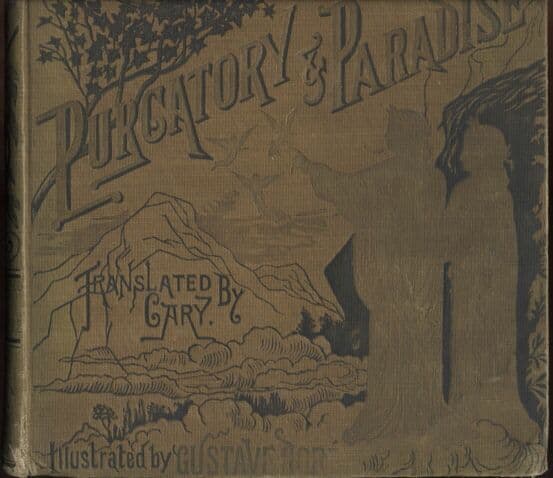
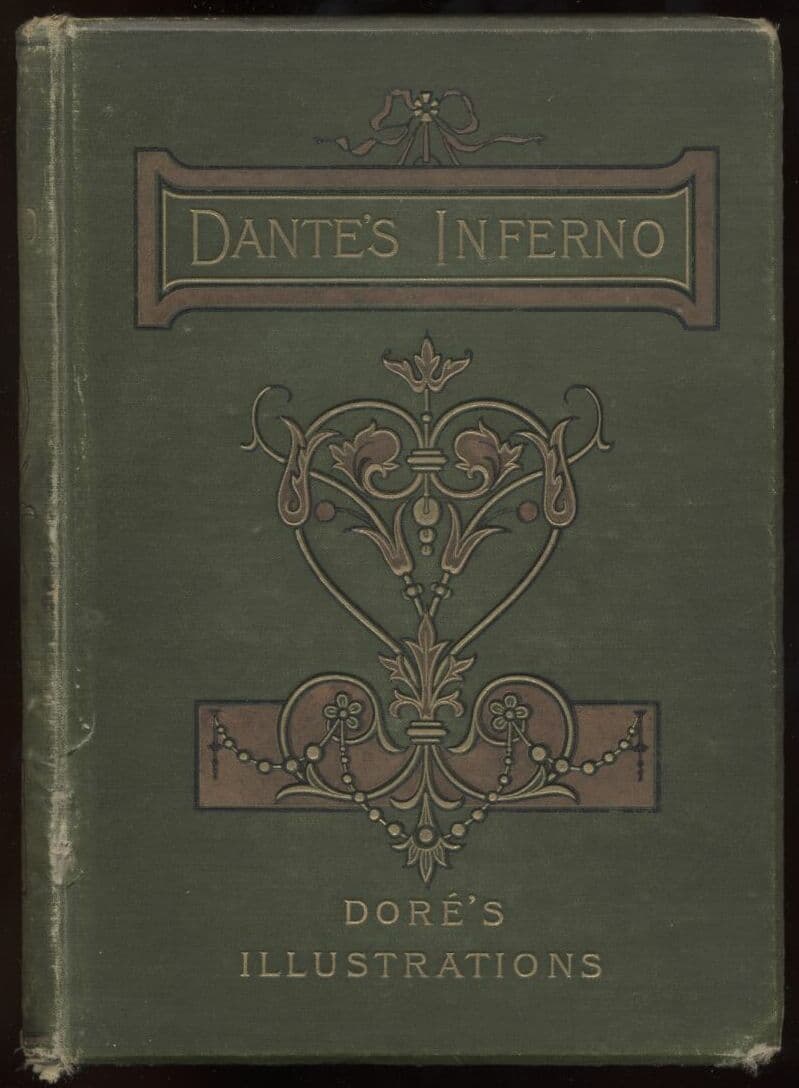
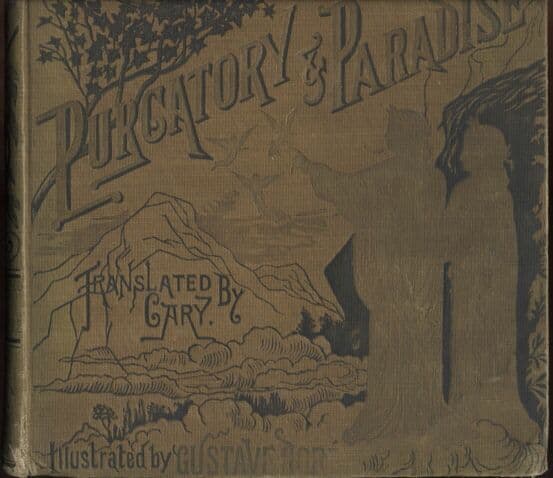
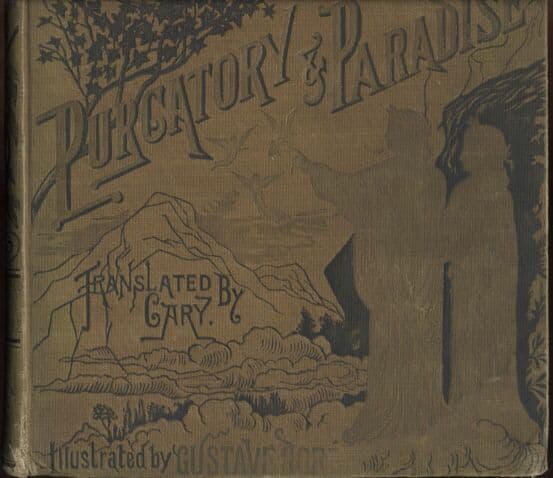
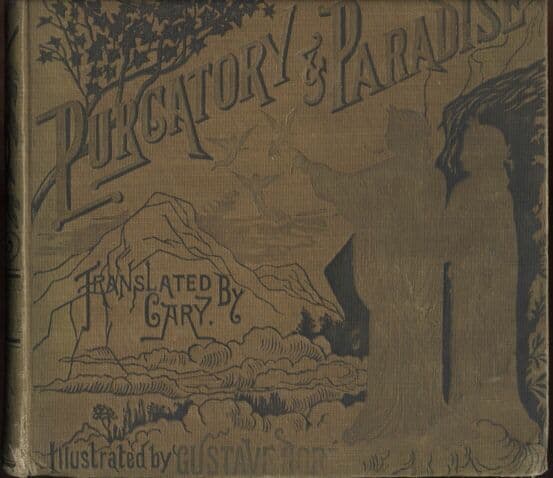
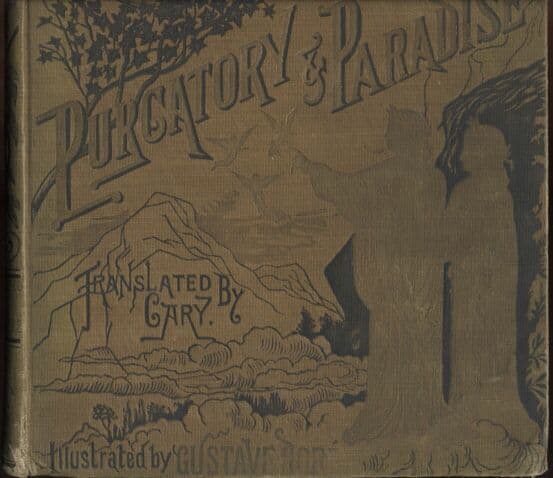
The Divine Comedy by Dante, Illustrated, Purgatory, Volume 2
1472
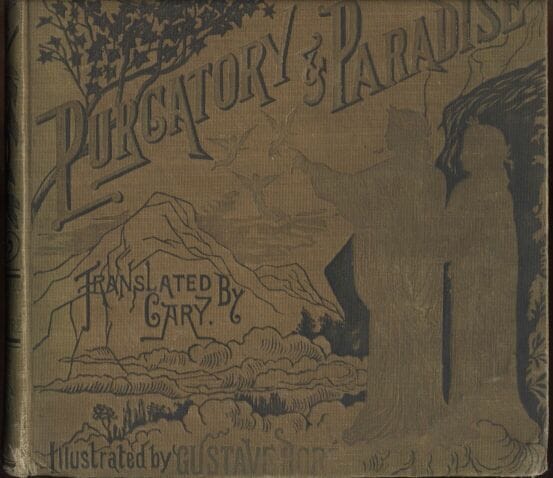
The Divine Comedy by Dante, Illustrated, Purgatory, Volume 2
1472
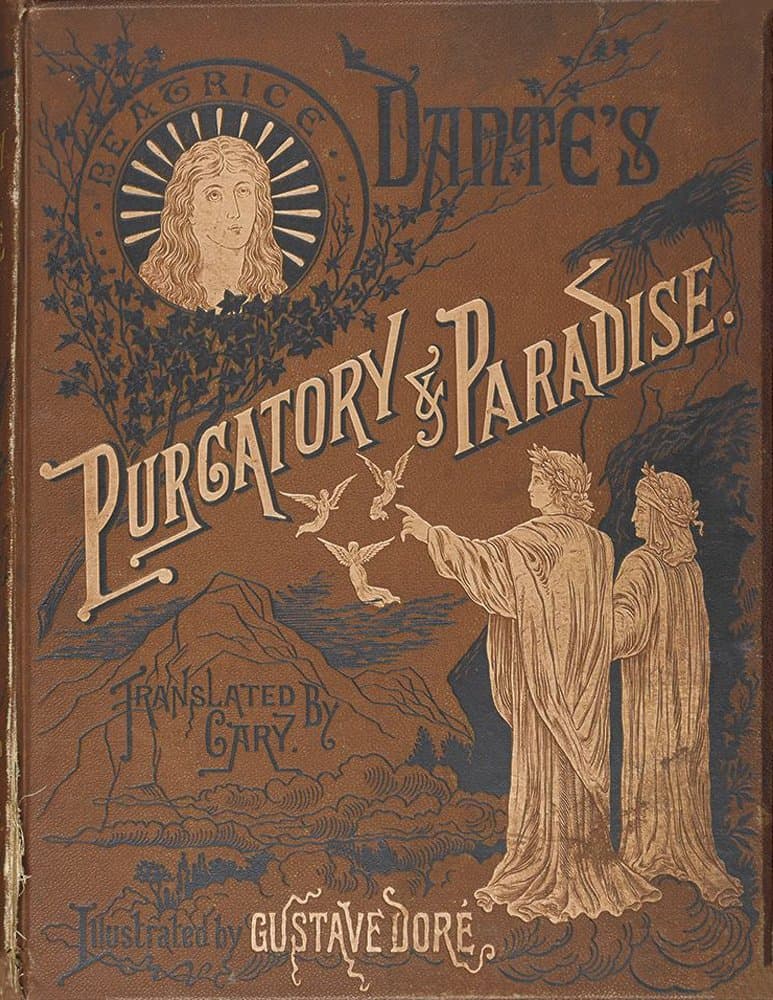
Translated by Henry Francis Cary
Where the Inferno descended into horror, Purgatorio rises toward light. In this middle cantica of Dante's masterwork, the poet continues his journey through the afterlife, ascending the mountain of purgatory where souls purge their sins before ascending to heaven. The tone shifts decisively from the Inferno's darkness: here the air brightens, hope emerges, and suffering becomes purification rather than eternal punishment. Dante, guided still by the Roman poet Virgil, passes through seven terraces, each devoted to a vice turned inward against oneself (pride, envy, wrath, sloth, greed, gluttony, lust), watching as the souls work willingly at their redemption. These are not the damned who refused to repent, but the penitent who chose grace before death. The poetry blooms with new tenderness as Dante encounters souls eager to share their stories, their regrets, and their hard-won wisdom. The journey culminates in the Earthly Paradise, where Beatrice finally appears to guide him toward the celestial spheres. This is Dante at his most luminous: not merely a chronicler of punishment, but a poet of hope, transformation, and the soul's capacity for change.
Editions

Link to this book
Add a free, dofollow link to Lex on your blog, forum, syllabus, or reading list.

<a href="https://lex-books.com/book/the-divine-comedy-by-dante-illustrated-purgatory-volume-2-2c240c23-ceb3-48c2-b510-c3debe9b4e7c"><img src="https://lex-books.com/badges/read-on-lex.svg" alt="Read The Divine Comedy by Dante, Illustrated, Purgatory, Volume 2 by Dante Alighieri free on Lex" width="160" height="40"></a>[](https://lex-books.com/book/the-divine-comedy-by-dante-illustrated-purgatory-volume-2-2c240c23-ceb3-48c2-b510-c3debe9b4e7c)[url=https://lex-books.com/book/the-divine-comedy-by-dante-illustrated-purgatory-volume-2-2c240c23-ceb3-48c2-b510-c3debe9b4e7c][img]https://lex-books.com/badges/read-on-lex.svg[/img][/url]Read The Divine Comedy by Dante, Illustrated, Purgatory, Volume 2 by Dante Alighieri free on Lex: https://lex-books.com/book/the-divine-comedy-by-dante-illustrated-purgatory-volume-2-2c240c23-ceb3-48c2-b510-c3debe9b4e7cCite this book
Reading this edition for a paper or guide? Copy a citation.
Alighieri, Dante. The Divine Comedy by Dante, Illustrated, Purgatory, Volume 2. Lex, lex-books.com/book/the-divine-comedy-by-dante-illustrated-purgatory-volume-2-2c240c23-ceb3-48c2-b510-c3debe9b4e7c.Alighieri, D. (1472). The Divine Comedy by Dante, Illustrated, Purgatory, Volume 2. Lex. https://lex-books.com/book/the-divine-comedy-by-dante-illustrated-purgatory-volume-2-2c240c23-ceb3-48c2-b510-c3debe9b4e7cAlighieri, Dante. The Divine Comedy by Dante, Illustrated, Purgatory, Volume 2. Lex. https://lex-books.com/book/the-divine-comedy-by-dante-illustrated-purgatory-volume-2-2c240c23-ceb3-48c2-b510-c3debe9b4e7c.