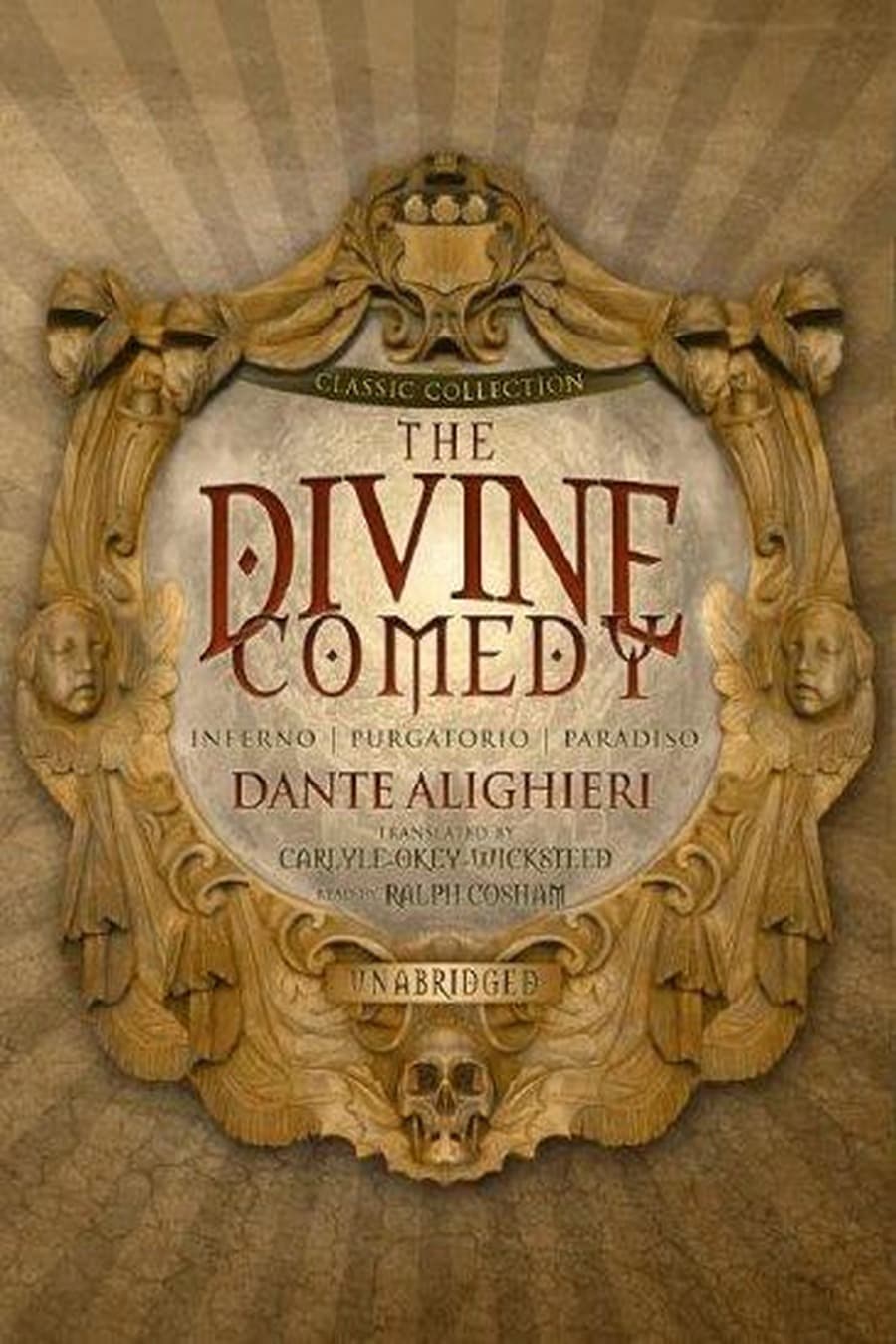
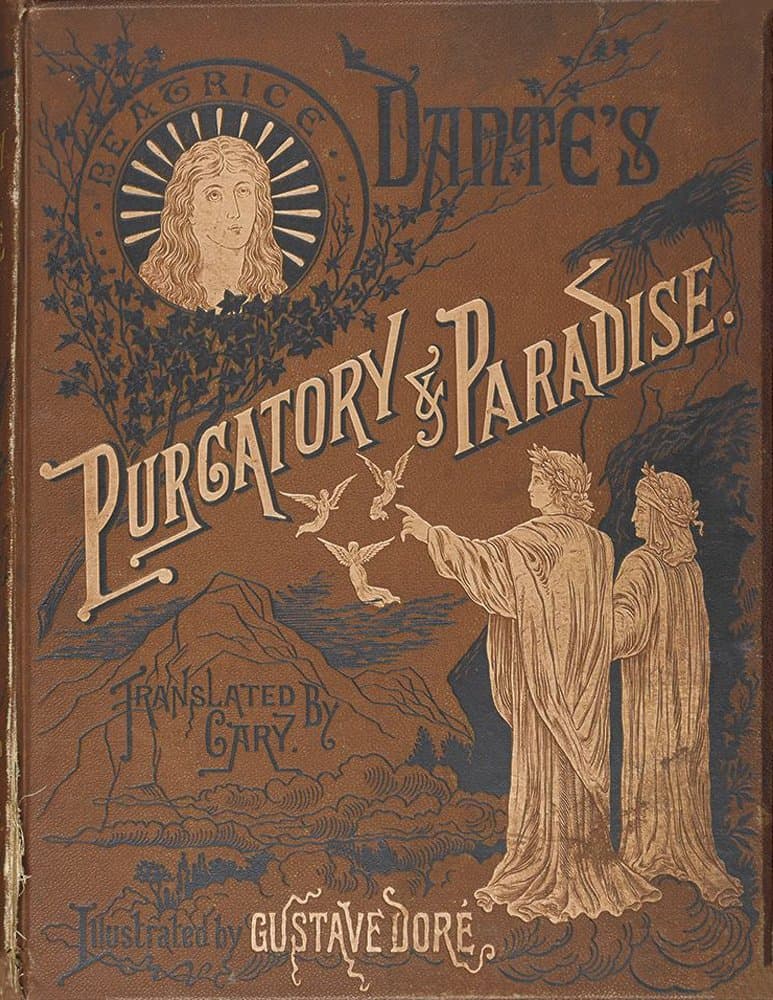
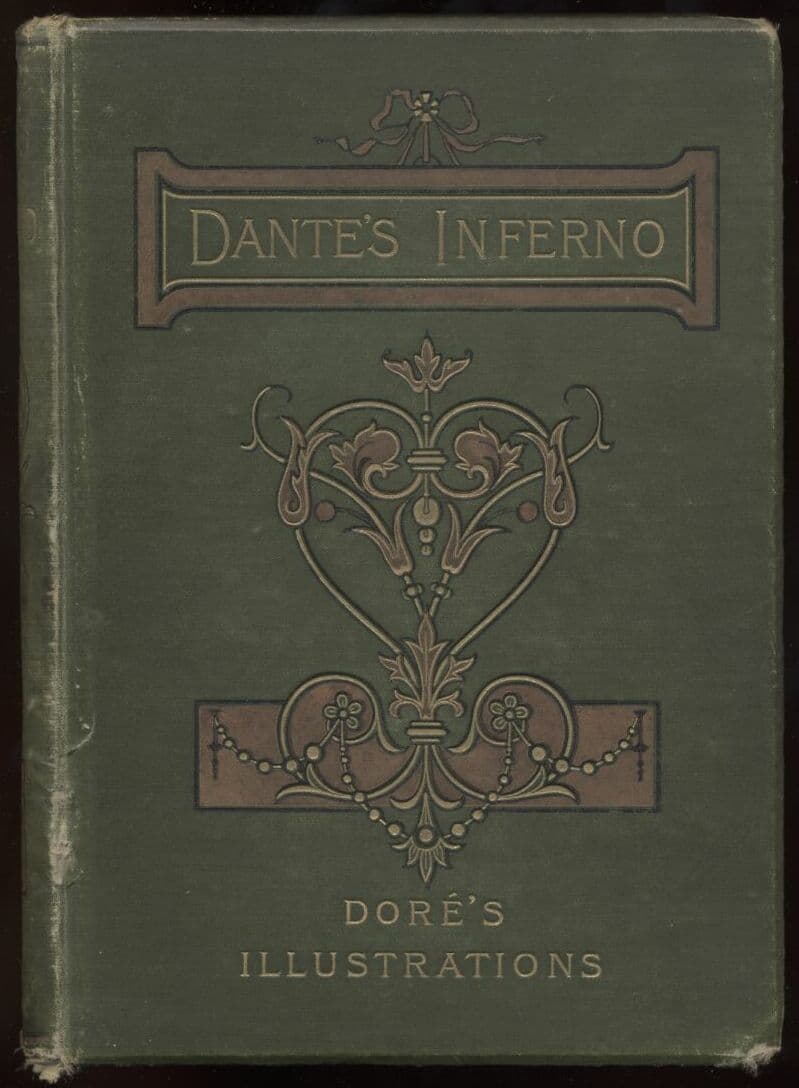
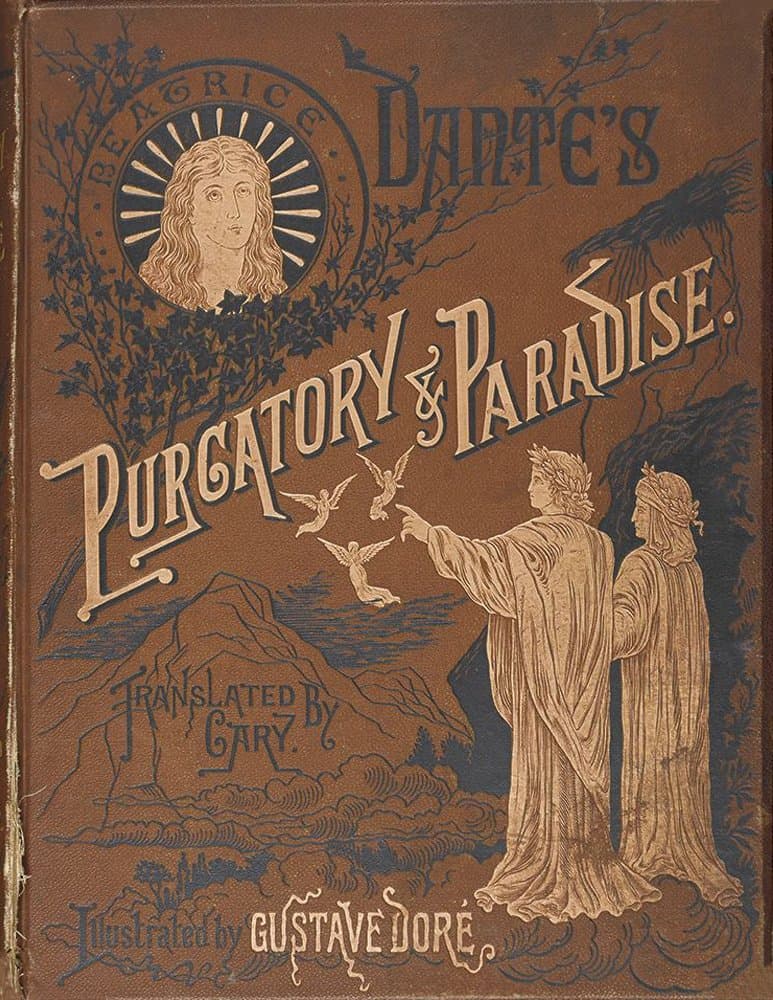
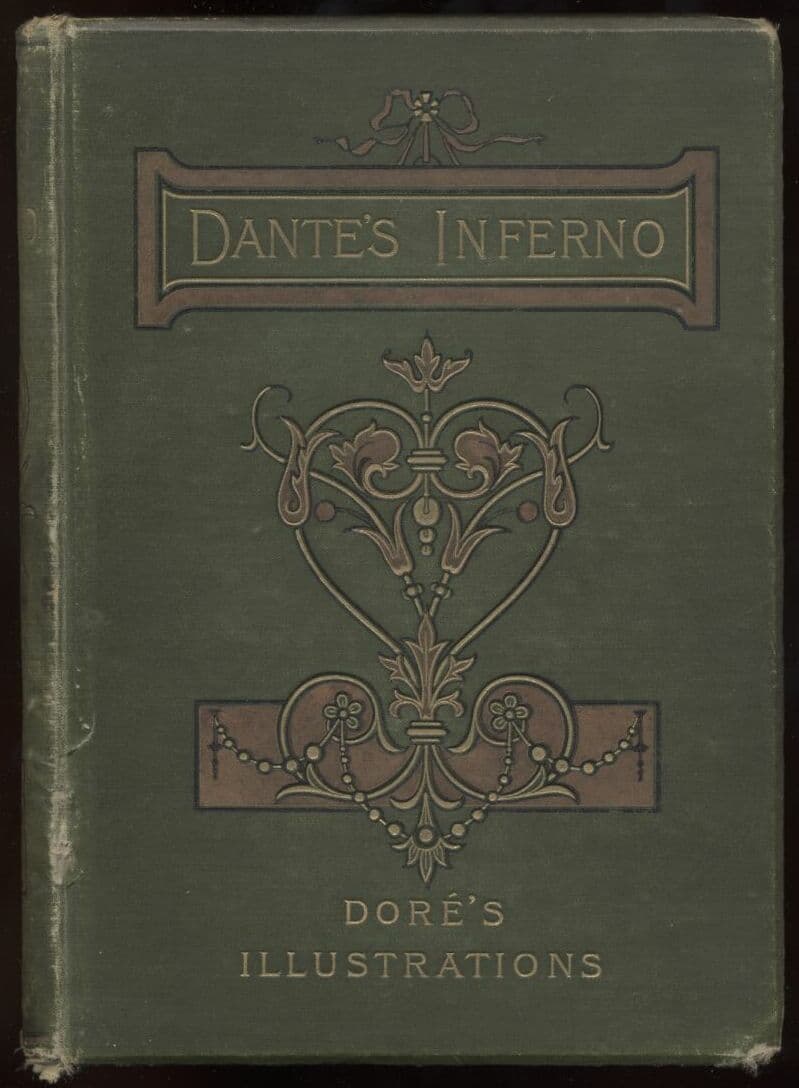
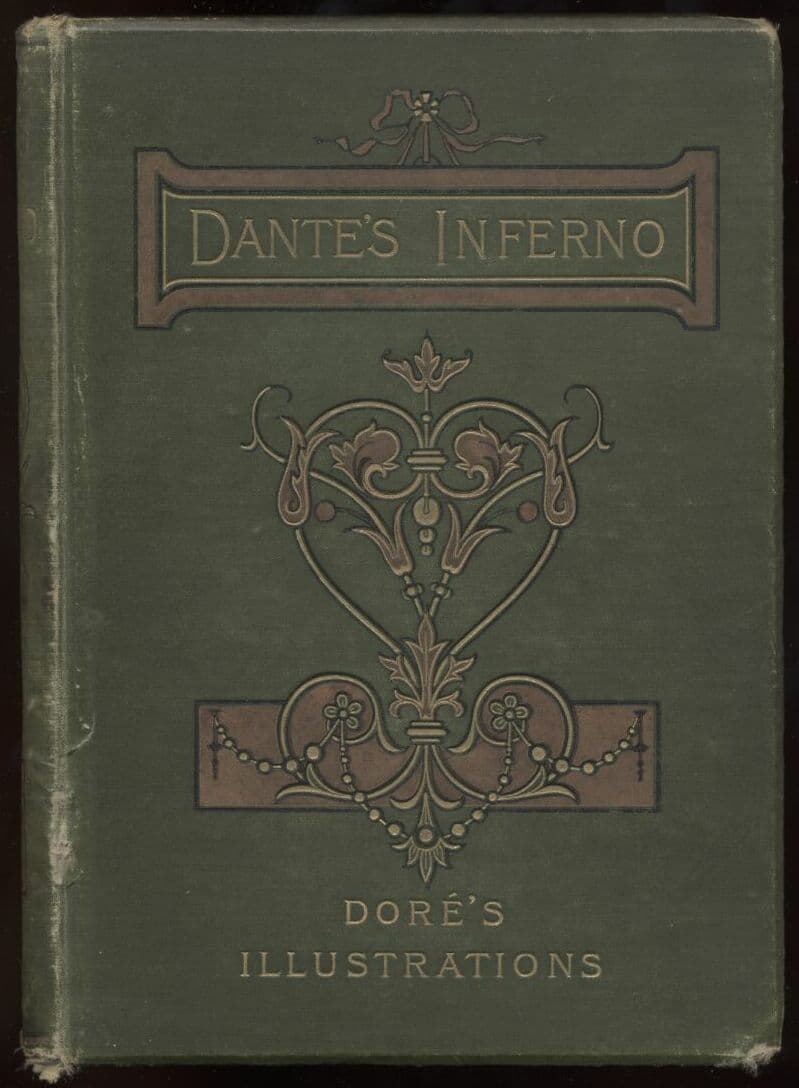
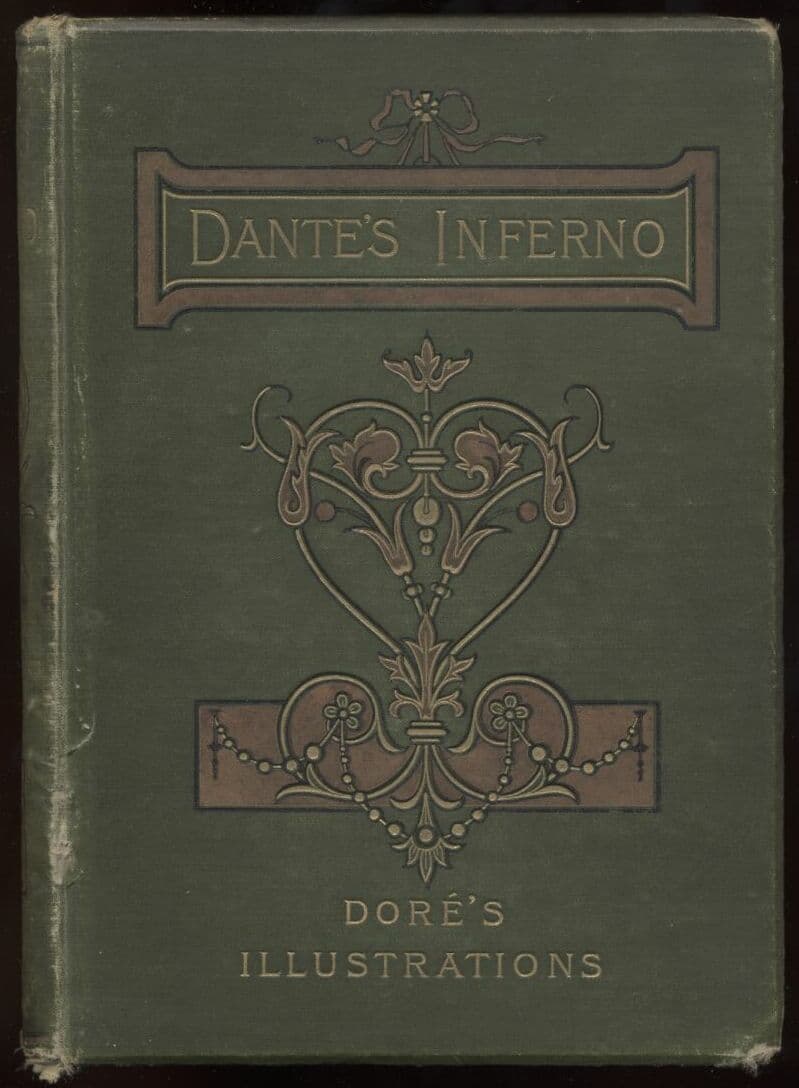
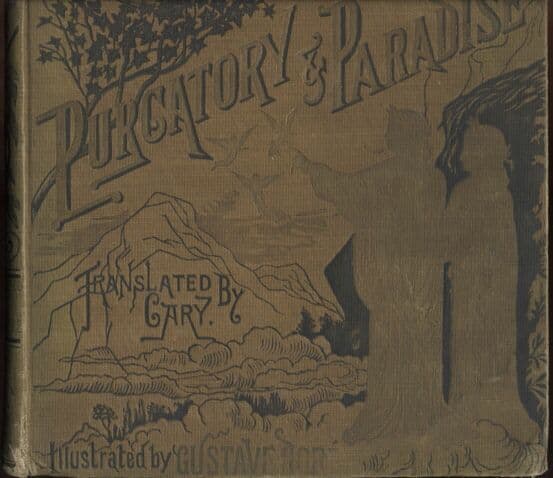
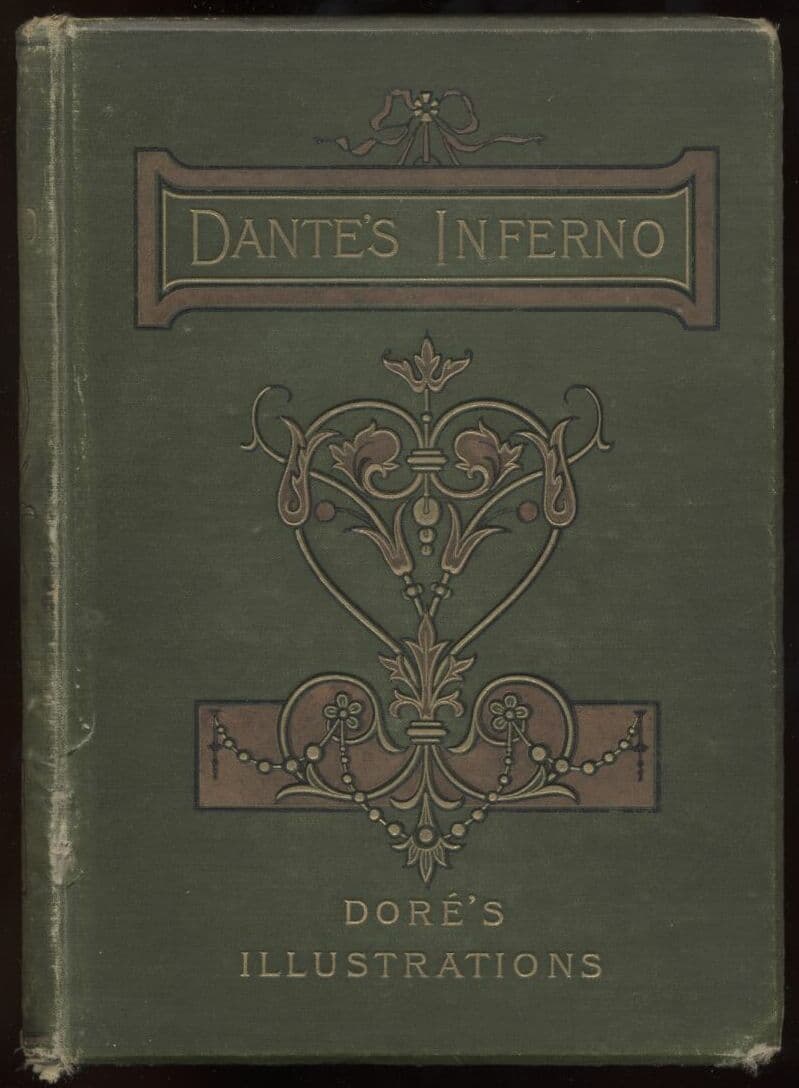
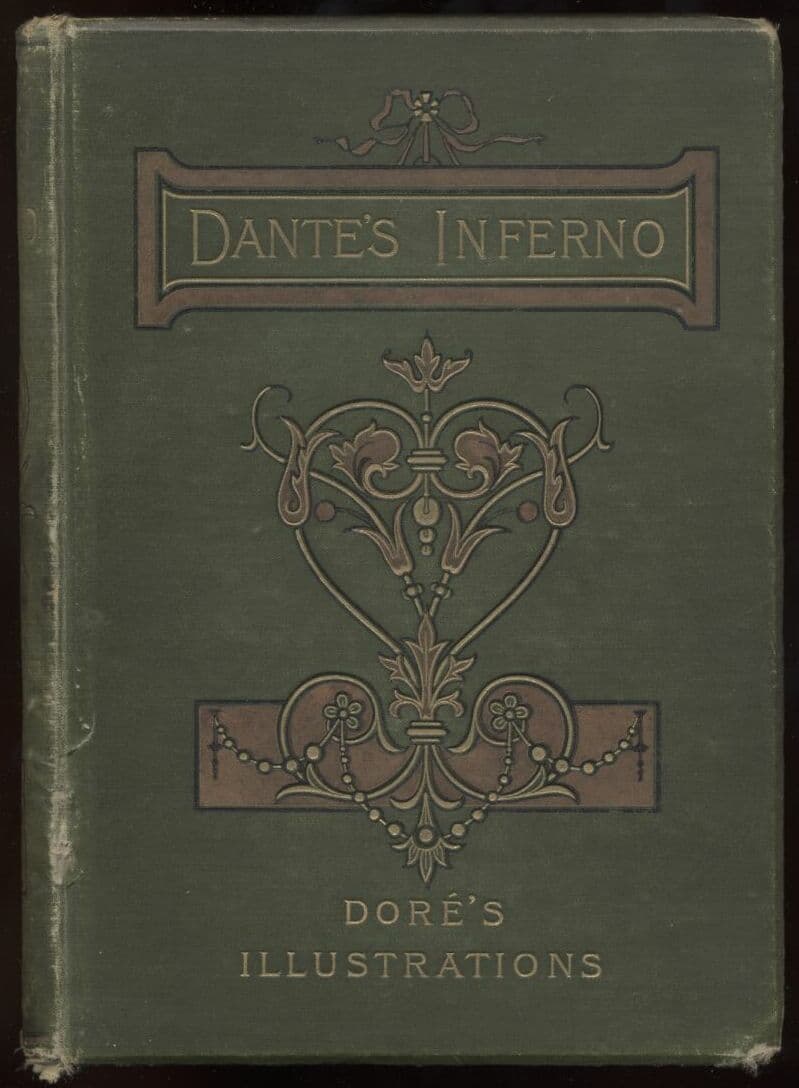
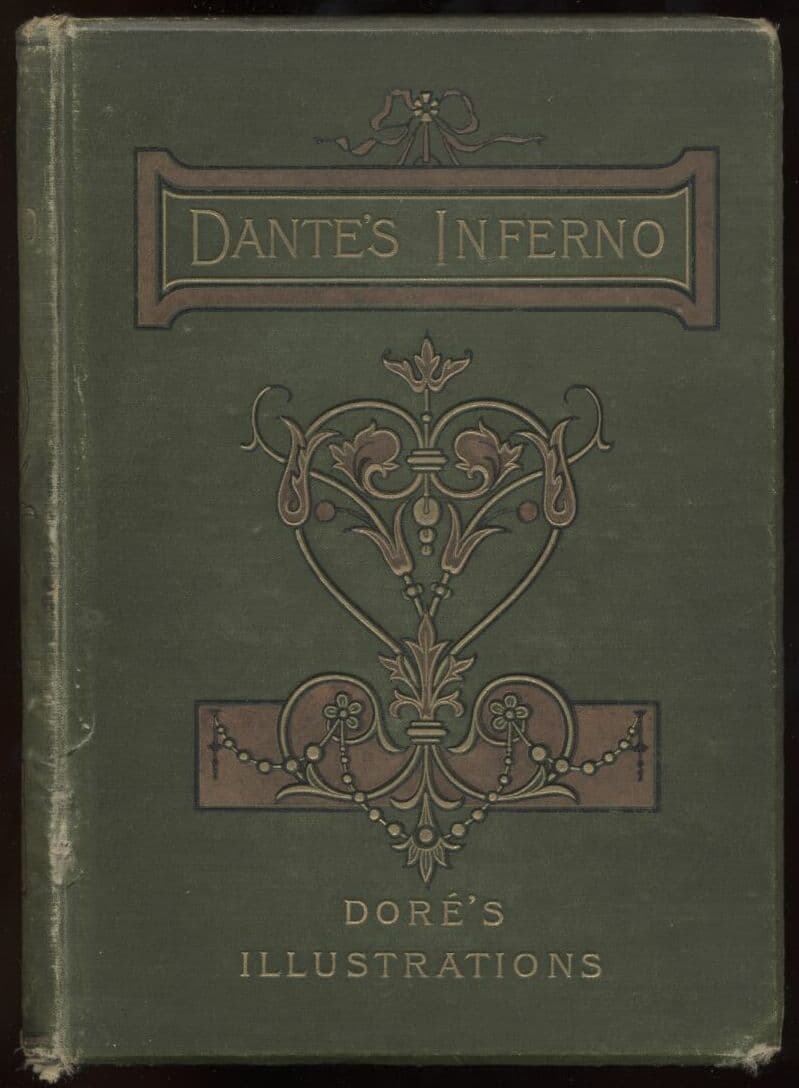
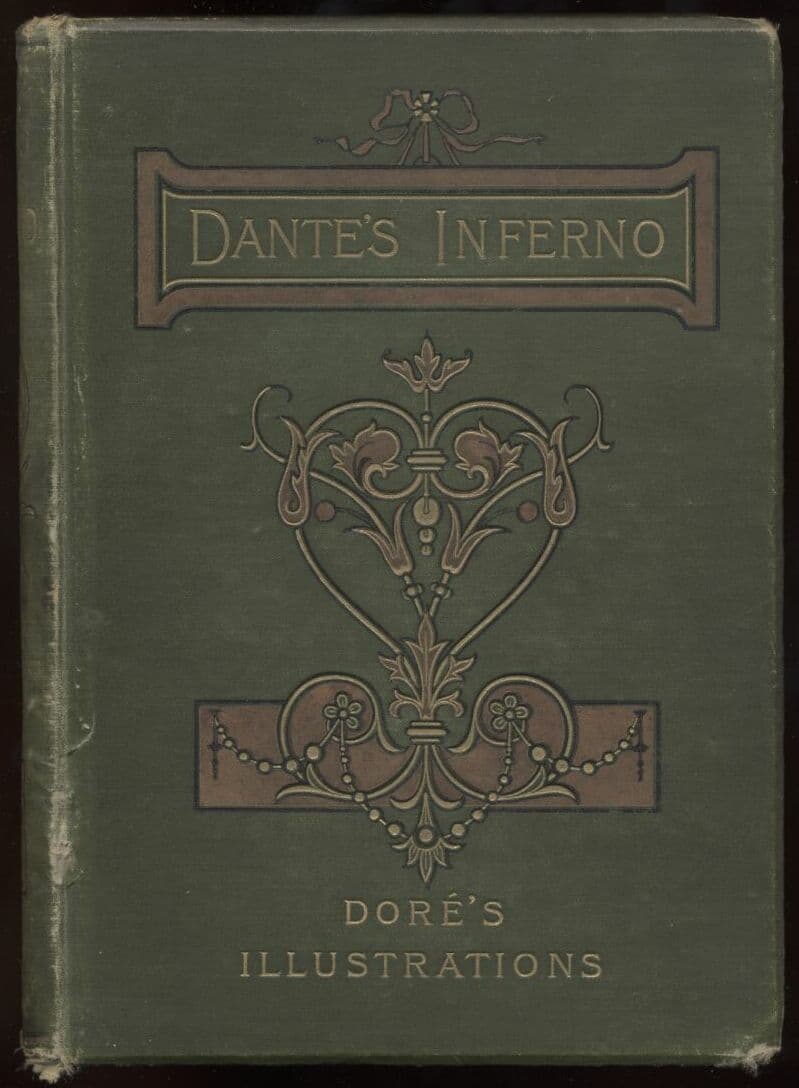
Divine Comedy, Longfellow's Translation, Hell
1865
Divine Comedy, Longfellow's Translation, Hell
1865
Translated by Henry Wadsworth Longfellow
Written in the early 14th century, Dante's Divine Comedy remains the most terrifying and beautiful inventory of the human soul ever committed to verse. The poet finds himself lost in a dark wood on Good Friday, 1300, blocked from salvation by three beasts象征 the sins of incontinence, violence, and fraud. Entering Hell, he descends through nine concentric circles with the Roman poet Virgil as his guide, witnessing punishments that precisely fit their crimes: gluttons rolled in filth, suicides transformed into gnarled trees, flatterers submerged in excrement, and traitors frozen in a lake of ice at the very center where Satan himself chews on Judas and Brutus. Yet this is no mere horror show. Dante's inferno is a theology of consequence, a map of how every act of cruelty, cowardice, and corruption ends. The poem crackles with specific, unforgettable souls: Francesca reading romance and falling into eternal wind, Count Ugolino gnawing forever on his enemy's skull. It endures because Dante made hell feel not abstract but immediate, personal, and terrifyingly just.
Editions
X-Ray
“All hope abandon, ye who enter here.””
— Dante Alighieri
“The more a thing is perfect, the more it feels pleasure and pain.””
— Dante Alighieri
“L'amor che move il sole e l'altre stelle.””
— Dante Alighieri
“The devil is not as black as he is painted.””
— Dante Alighieri
“Through me you pass into the city of woe:Through me you pass into eternal pain:Through me among the people lost for aye.Justice the founder of my fabric moved:To rear me was the task of power divine,Supremest wisdom, and primeval love.Before me things create were none, save thingsEternal, and eternal I shall endure.All hope abandon, ye who enter here.””
— Dante Alighieri
“Consider your origin. You were not formed to live like brutes but to follow virtue and knowledge.””
— Dante Alighieri
“O human race, born to fly upward, wherefore at a little wind dost thou so fall?””
— Dante Alighieri
“Into the eternal darkness, into fire and into ice. ””
— Dante Alighieri
“The man who lies asleep will never waken fame, and his desire and all his life drift past him like a dream, and the traces of his memory fade from time like smoke in air, or ripples on a stream.””
— Dante Alighieri
Link to this book
Add a free, dofollow link to Lex on your blog, forum, syllabus, or reading list.

<a href="https://lex-books.com/book/divine-comedy-longfellow-s-translation-hell-0dac2156-19f6-4b89-9027-91541a3c3e3f"><img src="https://lex-books.com/badges/read-on-lex.svg" alt="Read Divine Comedy, Longfellow's Translation, Hell by Dante Alighieri free on Lex" width="160" height="40"></a>[](https://lex-books.com/book/divine-comedy-longfellow-s-translation-hell-0dac2156-19f6-4b89-9027-91541a3c3e3f)[url=https://lex-books.com/book/divine-comedy-longfellow-s-translation-hell-0dac2156-19f6-4b89-9027-91541a3c3e3f][img]https://lex-books.com/badges/read-on-lex.svg[/img][/url]Read Divine Comedy, Longfellow's Translation, Hell by Dante Alighieri free on Lex: https://lex-books.com/book/divine-comedy-longfellow-s-translation-hell-0dac2156-19f6-4b89-9027-91541a3c3e3fCite this book
Reading this edition for a paper or guide? Copy a citation.
Alighieri, Dante. Divine Comedy, Longfellow's Translation, Hell. Lex, lex-books.com/book/divine-comedy-longfellow-s-translation-hell-0dac2156-19f6-4b89-9027-91541a3c3e3f.Alighieri, D. (1865). Divine Comedy, Longfellow's Translation, Hell. Lex. https://lex-books.com/book/divine-comedy-longfellow-s-translation-hell-0dac2156-19f6-4b89-9027-91541a3c3e3fAlighieri, Dante. Divine Comedy, Longfellow's Translation, Hell. Lex. https://lex-books.com/book/divine-comedy-longfellow-s-translation-hell-0dac2156-19f6-4b89-9027-91541a3c3e3f.