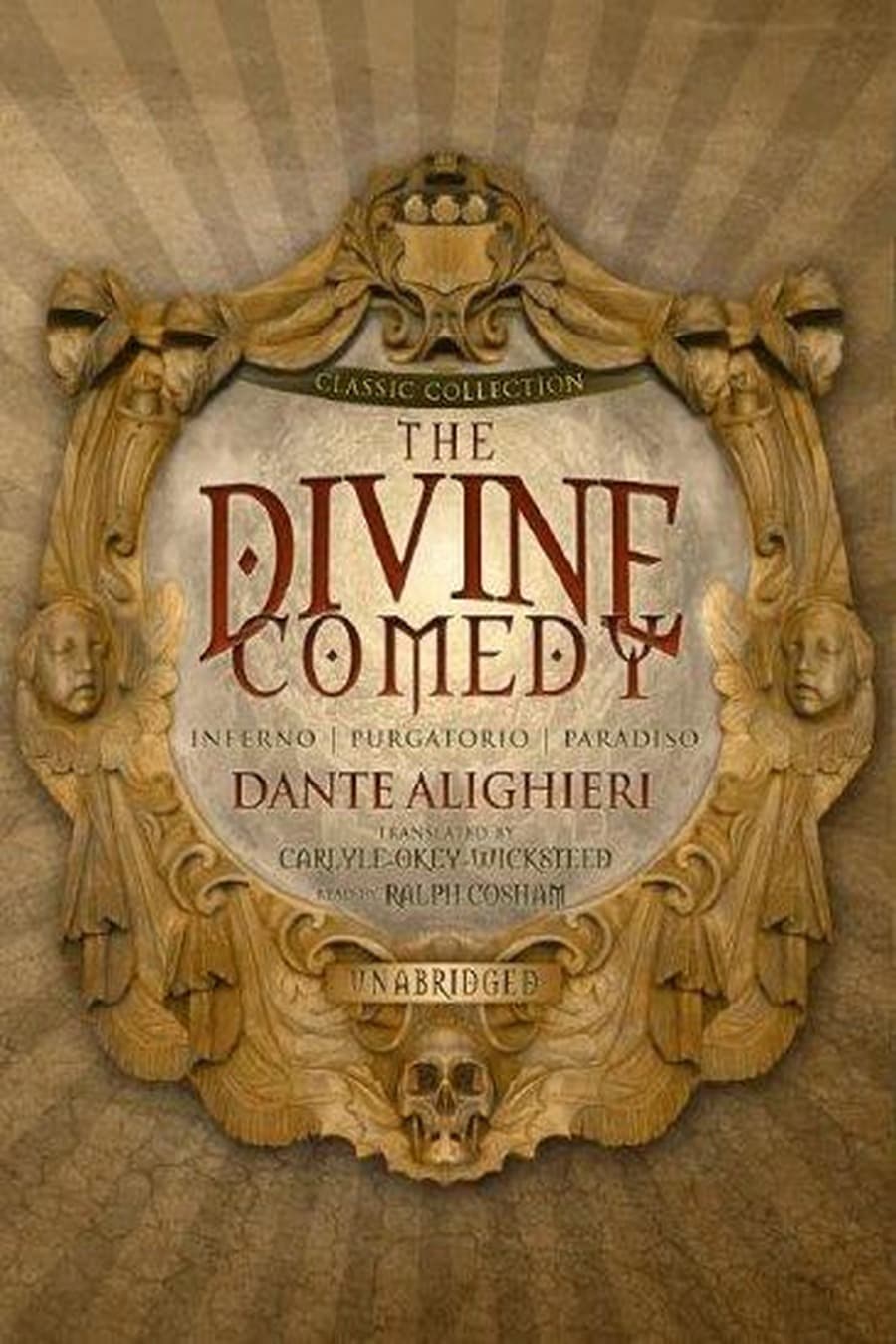
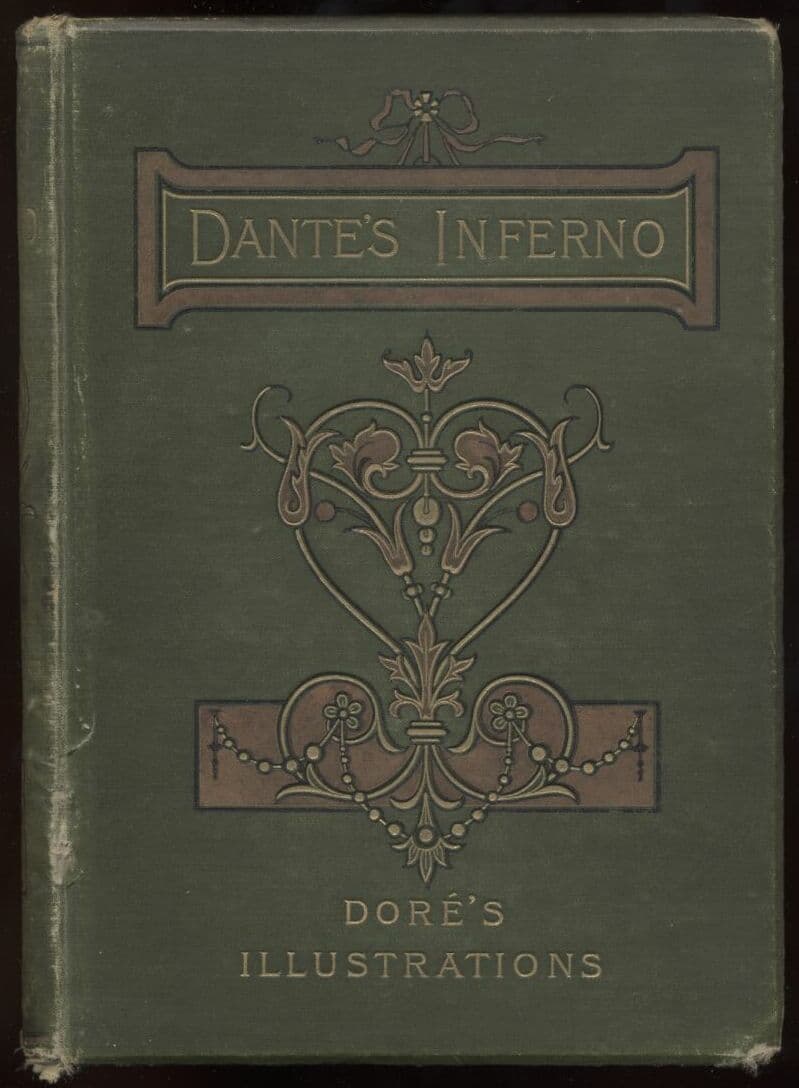
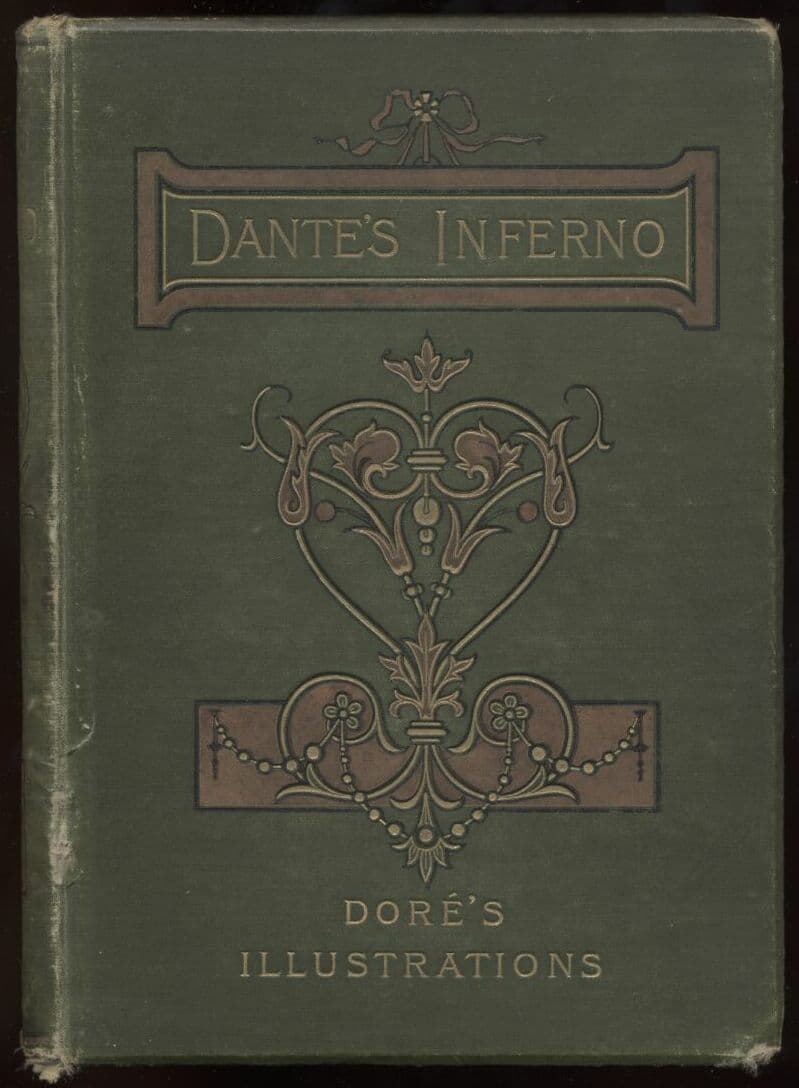
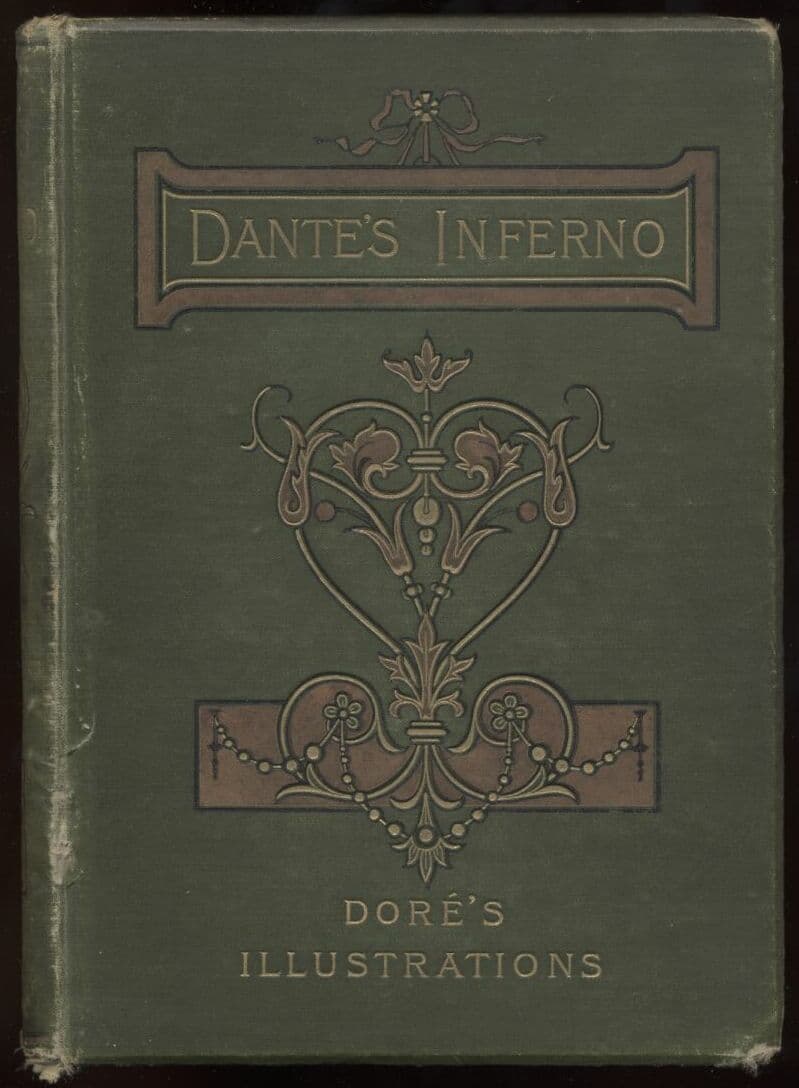
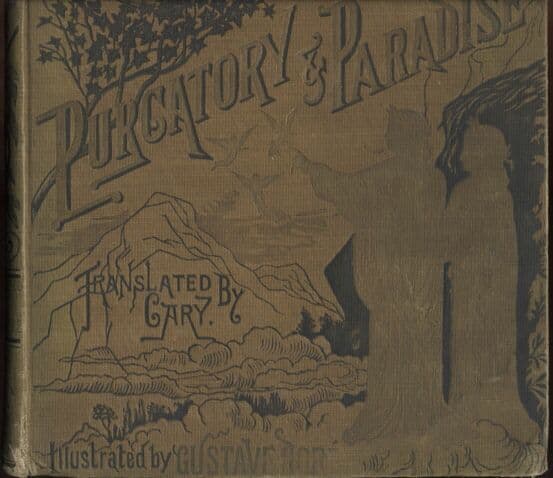
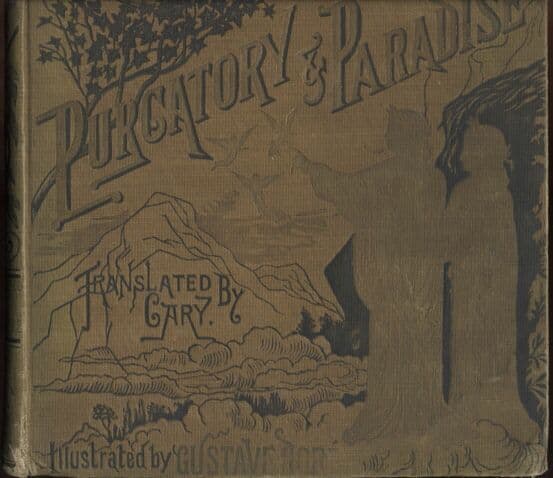
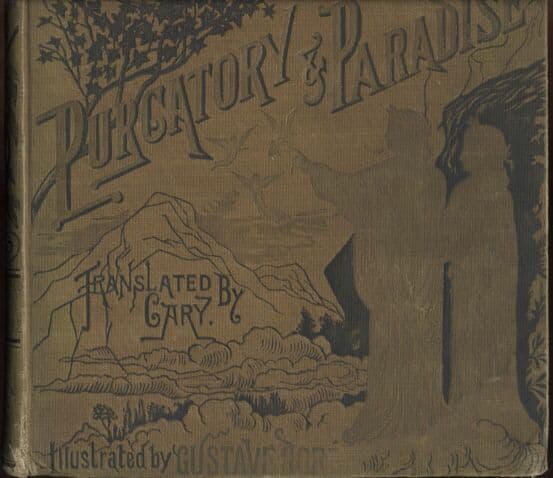
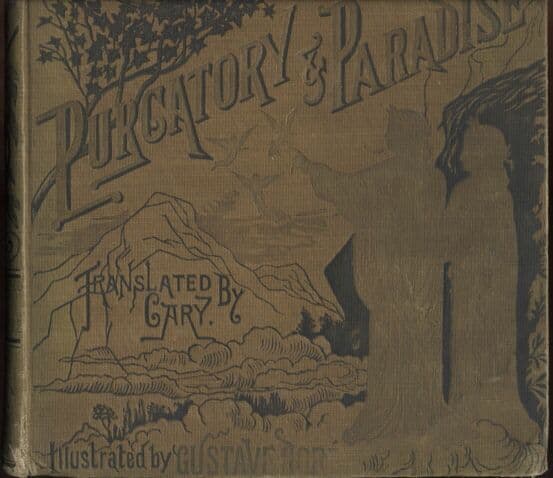
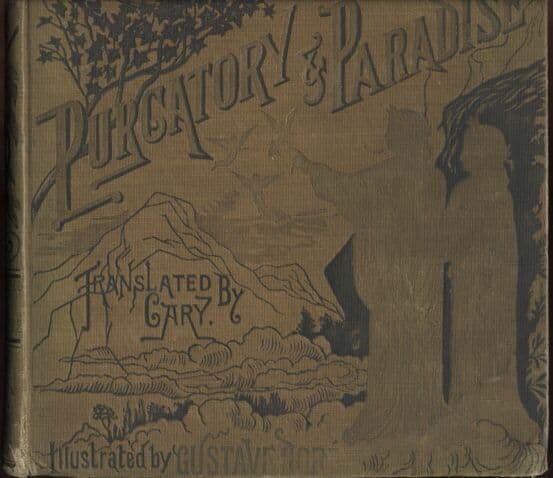
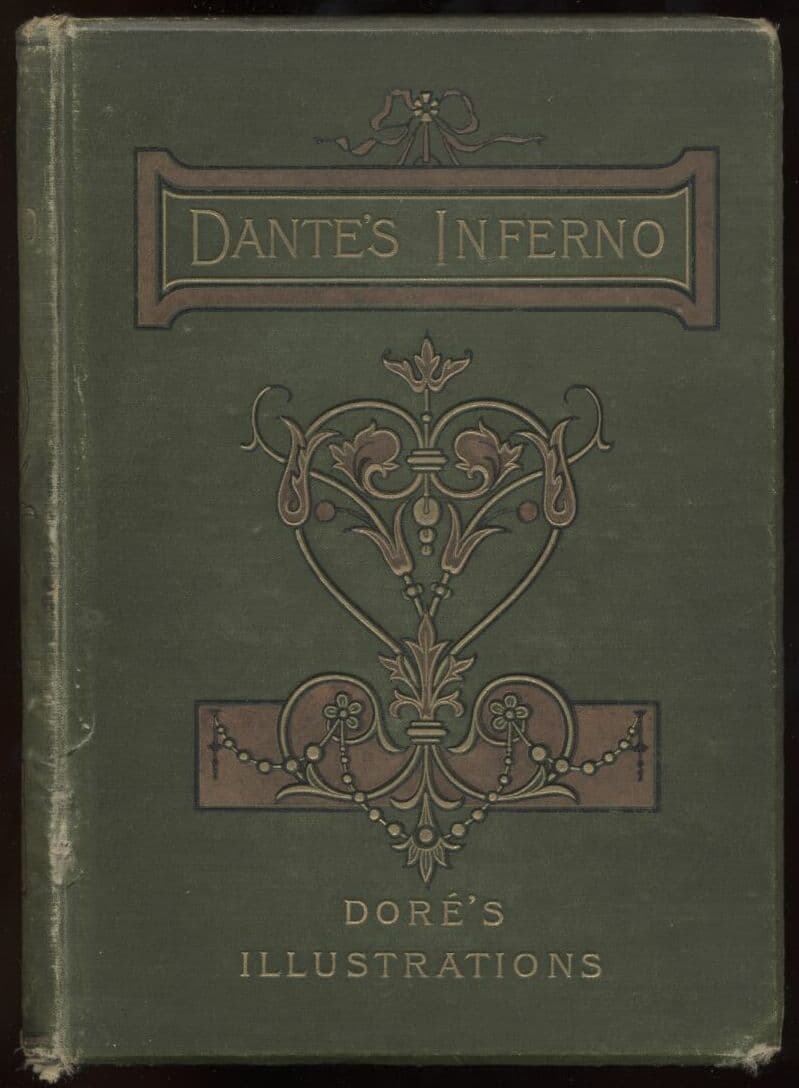
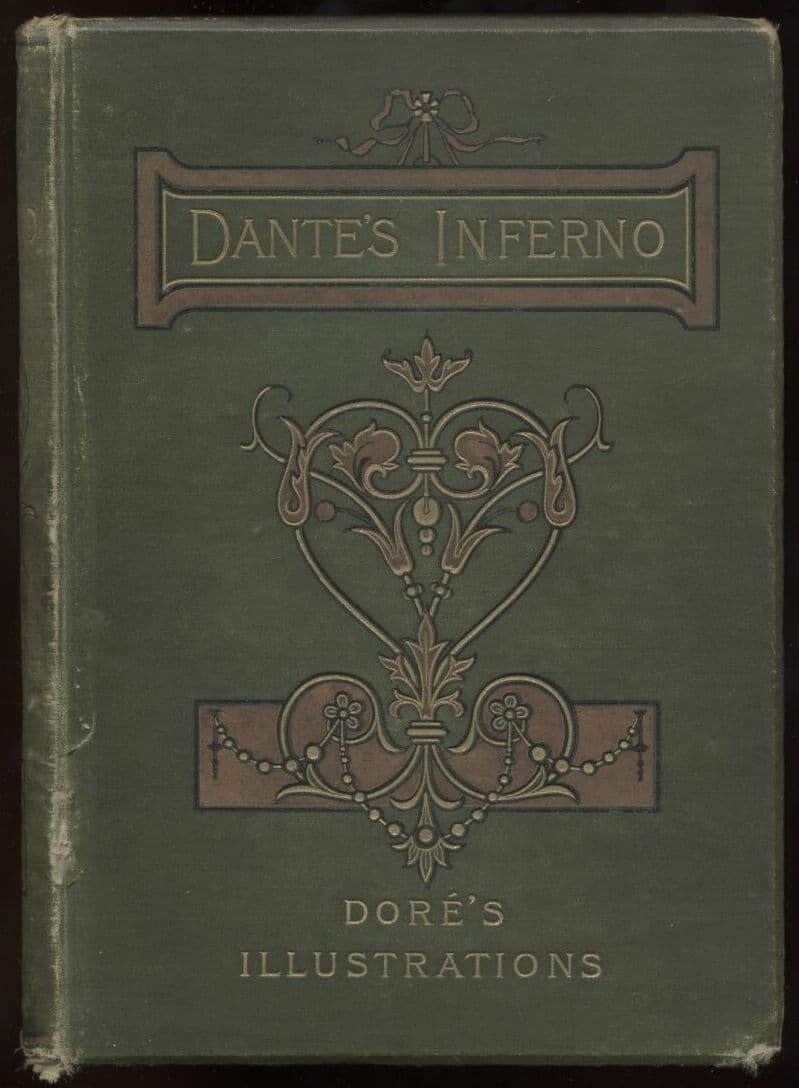
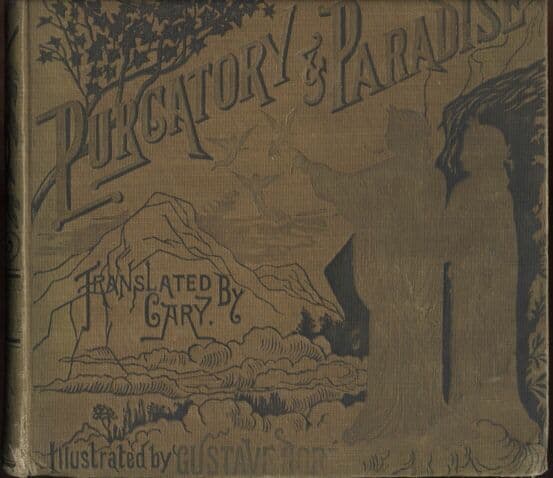
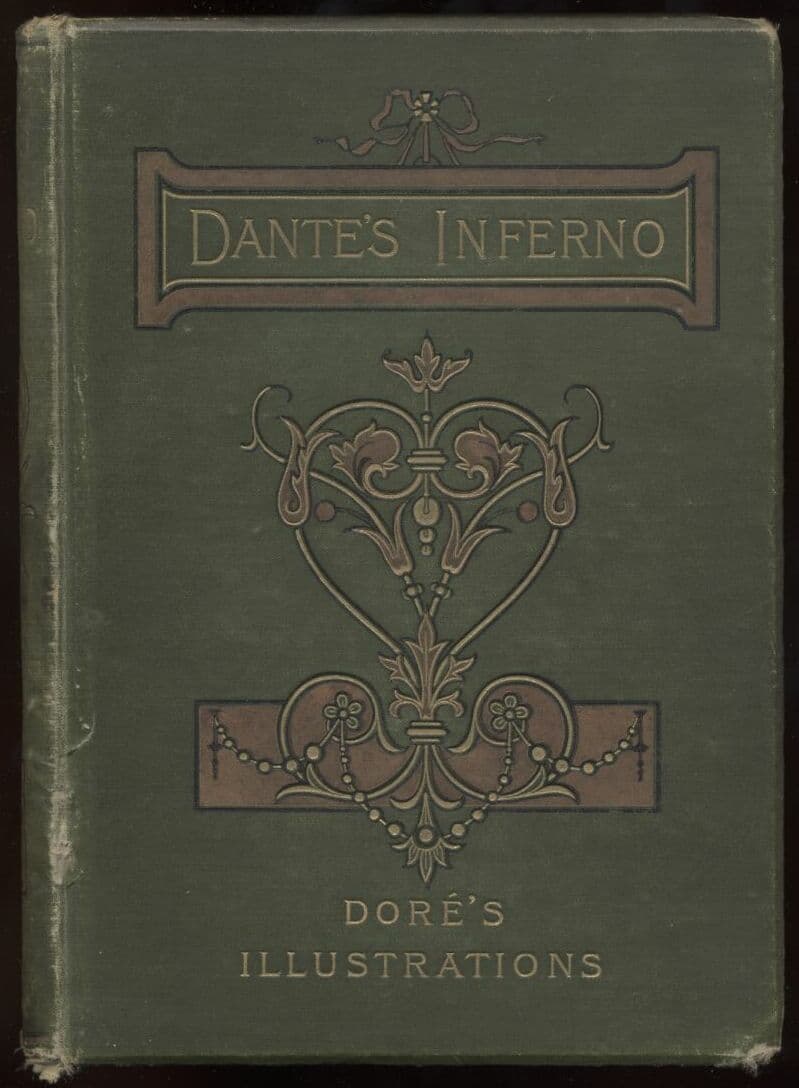
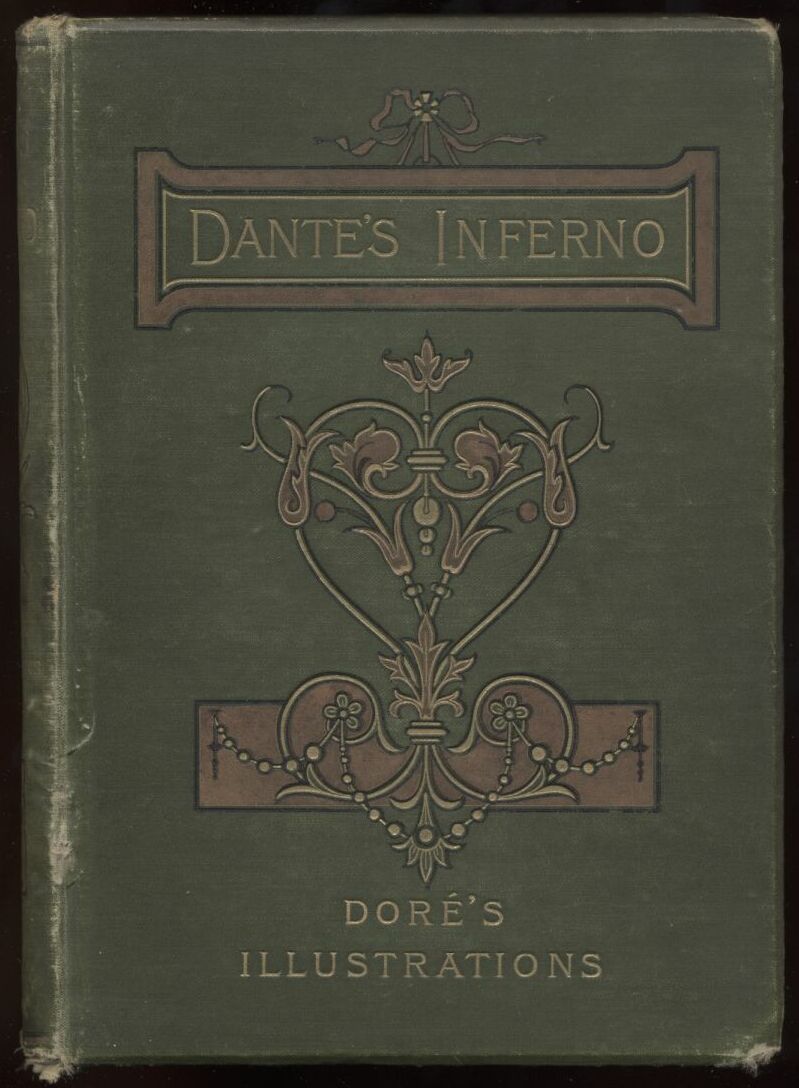
The Divine Comedy by Dante, Illustrated, Hell, Volume 10
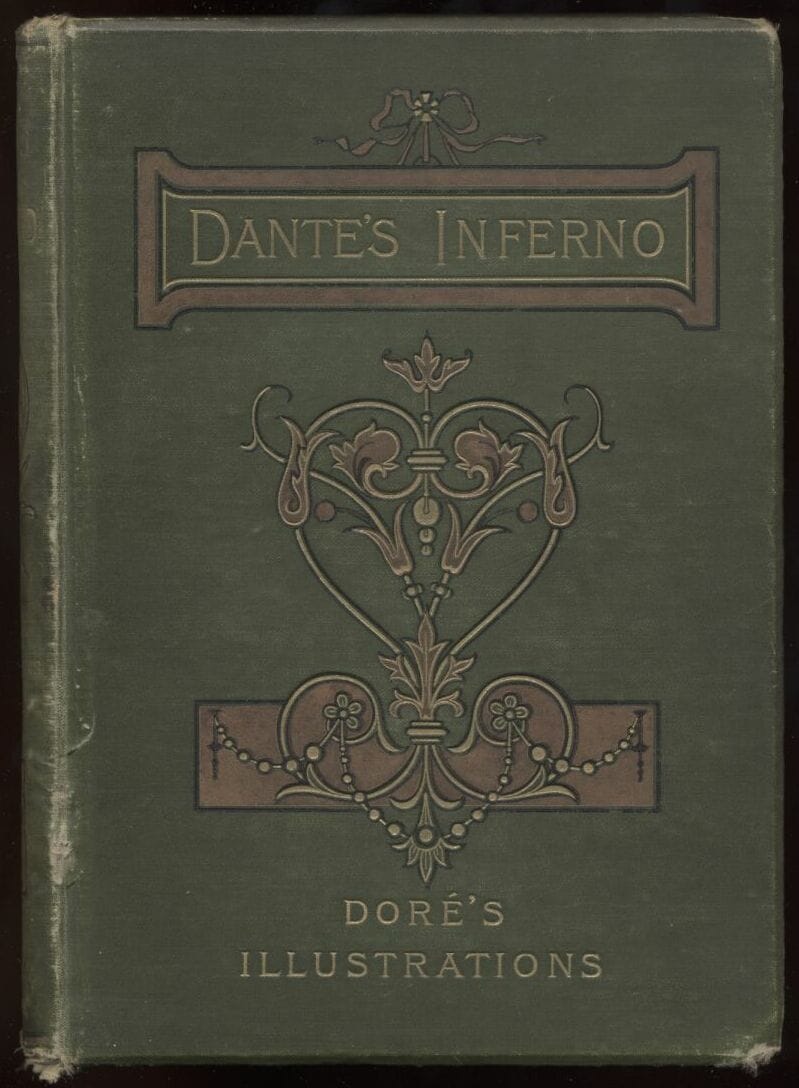
The Divine Comedy by Dante, Illustrated, Hell, Volume 10
Translated by Henry Francis Cary
Dante's Inferno is not a comfortable read. It is a descent into the architectural nightmare of divine justice, where every sin finds its perfect punishment in frozen hell. This volume carries you to the bottom of the funnel: the ninth circle, Cocytus, where traitors freeze in ice up to their necks. Here, Dante witnesses Count Ugolino, condemned to gnaw eternally on his enemy's skull in a tale of political betrayal and starvation. Here, in the very center of Hell, three mouths tear apart Judas Iscariot, Brutus, and Cassius, their bodies rent by Satan himself. The horror is specific, deliberate, unflinching. Through it all, Virgil guides the terrified pilgrim, and the descent becomes a meditation on what it means to betray, to starve, to be utterly abandoned by God. This is where the Inferno reaches its darkest point, and where Dante's genius burns brightest. Five centuries later, we still descend because the poem asks something essential: what do we owe to justice, and what does justice owe to us.
Editions
X-Ray
The narrator and pilgrim journeying through Hell. He is a living soul guided by Virgil, experiencing the punishments of the damned while learning moral lessons.
Dante's guide through Hell, representing human reason and classical wisdom. He leads Dante safely through the frozen lake of Cocytus and past Satan himself.
A traitor frozen in Cocytus who eternally gnaws on Archbishop Ruggieri's head. He tells the tragic story of how he and his sons starved to death in the Tower of Famine.
The Archbishop of Pisa who betrayed Count Ugolino, causing his imprisonment and death along with his sons. He is eternally punished by having his head gnawed by Ugolino.
About The Divine Comedy by Dante, Illustrated, Hell, Volume 10
Chapter Summaries
- 32
- Dante and Virgil descend to the frozen lake of Cocytus, where traitors are imprisoned in ice. They encounter various traitors including Camiccione and the violent interrogation of Bocca degli Abati, who betrayed Florence at Montaperti.
- 33
- Count Ugolino tells the tragic story of how Archbishop Ruggieri betrayed him, leading to his imprisonment with his sons in the Tower of Famine where they all starved to death. Dante then encounters Friar Alberigo in Ptolomea, learning that some souls fall to Hell while their bodies remain alive on Earth.
- 34
- Dante and Virgil encounter Satan frozen at the center of Hell, with three faces eternally chewing Judas, Brutus, and Cassius. They climb down Satan's body, pass through the center of the Earth, and emerge on the other side to see the stars again, completing their journey through Hell.
Key Themes
- Divine Justice vs. Human Sympathy
- Dante struggles between understanding God's perfect justice and feeling human compassion for the damned. This is most evident in his reaction to Count Ugolino's story, where he condemns Pisa for punishing innocent children.
- The Nature of Ultimate Evil
- Satan is portrayed not as an active force of evil but as a passive, frozen figure, suggesting that ultimate evil is the absence of love and movement. His three faces represent the perversion of the Trinity.
- Betrayal and Its Consequences
- The lowest circle of Hell is reserved for traitors, showing that betrayal of trust is the worst sin. The various regions punish different types of betrayal, from family to country to guests to benefactors.
Characters
- Dante(protagonist)
- The narrator and pilgrim journeying through Hell. He is a living soul guided by Virgil, experiencing the punishments of the damned while learning moral lessons.
- Virgil(major)
- Dante's guide through Hell, representing human reason and classical wisdom. He leads Dante safely through the frozen lake of Cocytus and past Satan himself.
- Count Ugolino(major)
- A traitor frozen in Cocytus who eternally gnaws on Archbishop Ruggieri's head. He tells the tragic story of how he and his sons starved to death in the Tower of Famine.
- Archbishop Ruggieri(major)
- The Archbishop of Pisa who betrayed Count Ugolino, causing his imprisonment and death along with his sons. He is eternally punished by having his head gnawed by Ugolino.
- Satan (Dis/Lucifer)(antagonist)
- The ultimate embodiment of evil, frozen at the center of Hell. He has three faces and eternally chews on the greatest traitors: Judas, Brutus, and Cassius.
- Judas Iscariot(major)
- The apostle who betrayed Jesus Christ, suffering the worst punishment in Hell by being chewed head-first in Satan's central mouth.
Link to this book
Add a free, dofollow link to Lex on your blog, forum, syllabus, or reading list.

<a href="https://lex-books.com/book/the-divine-comedy-by-dante-illustrated-hell-volume-10-8d70d80d-ea3e-4262-bce3-b7319389a6eb"><img src="https://lex-books.com/badges/read-on-lex.svg" alt="Read The Divine Comedy by Dante, Illustrated, Hell, Volume 10 by Dante Alighieri free on Lex" width="160" height="40"></a>[](https://lex-books.com/book/the-divine-comedy-by-dante-illustrated-hell-volume-10-8d70d80d-ea3e-4262-bce3-b7319389a6eb)[url=https://lex-books.com/book/the-divine-comedy-by-dante-illustrated-hell-volume-10-8d70d80d-ea3e-4262-bce3-b7319389a6eb][img]https://lex-books.com/badges/read-on-lex.svg[/img][/url]Read The Divine Comedy by Dante, Illustrated, Hell, Volume 10 by Dante Alighieri free on Lex: https://lex-books.com/book/the-divine-comedy-by-dante-illustrated-hell-volume-10-8d70d80d-ea3e-4262-bce3-b7319389a6ebCite this book
Reading this edition for a paper or guide? Copy a citation.
Alighieri, Dante. The Divine Comedy by Dante, Illustrated, Hell, Volume 10. Lex, lex-books.com/book/the-divine-comedy-by-dante-illustrated-hell-volume-10-8d70d80d-ea3e-4262-bce3-b7319389a6eb.Alighieri, D. (n.d.). The Divine Comedy by Dante, Illustrated, Hell, Volume 10. Lex. https://lex-books.com/book/the-divine-comedy-by-dante-illustrated-hell-volume-10-8d70d80d-ea3e-4262-bce3-b7319389a6ebAlighieri, Dante. The Divine Comedy by Dante, Illustrated, Hell, Volume 10. Lex. https://lex-books.com/book/the-divine-comedy-by-dante-illustrated-hell-volume-10-8d70d80d-ea3e-4262-bce3-b7319389a6eb.