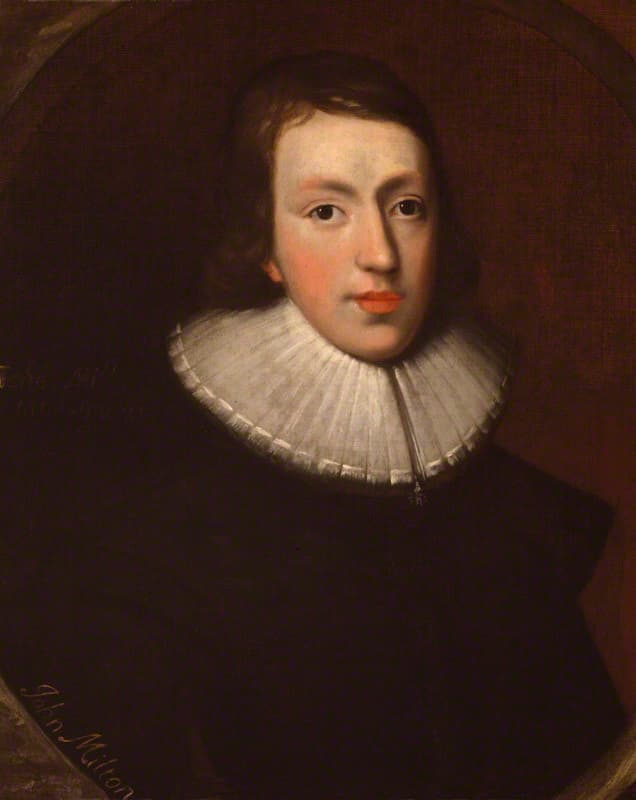
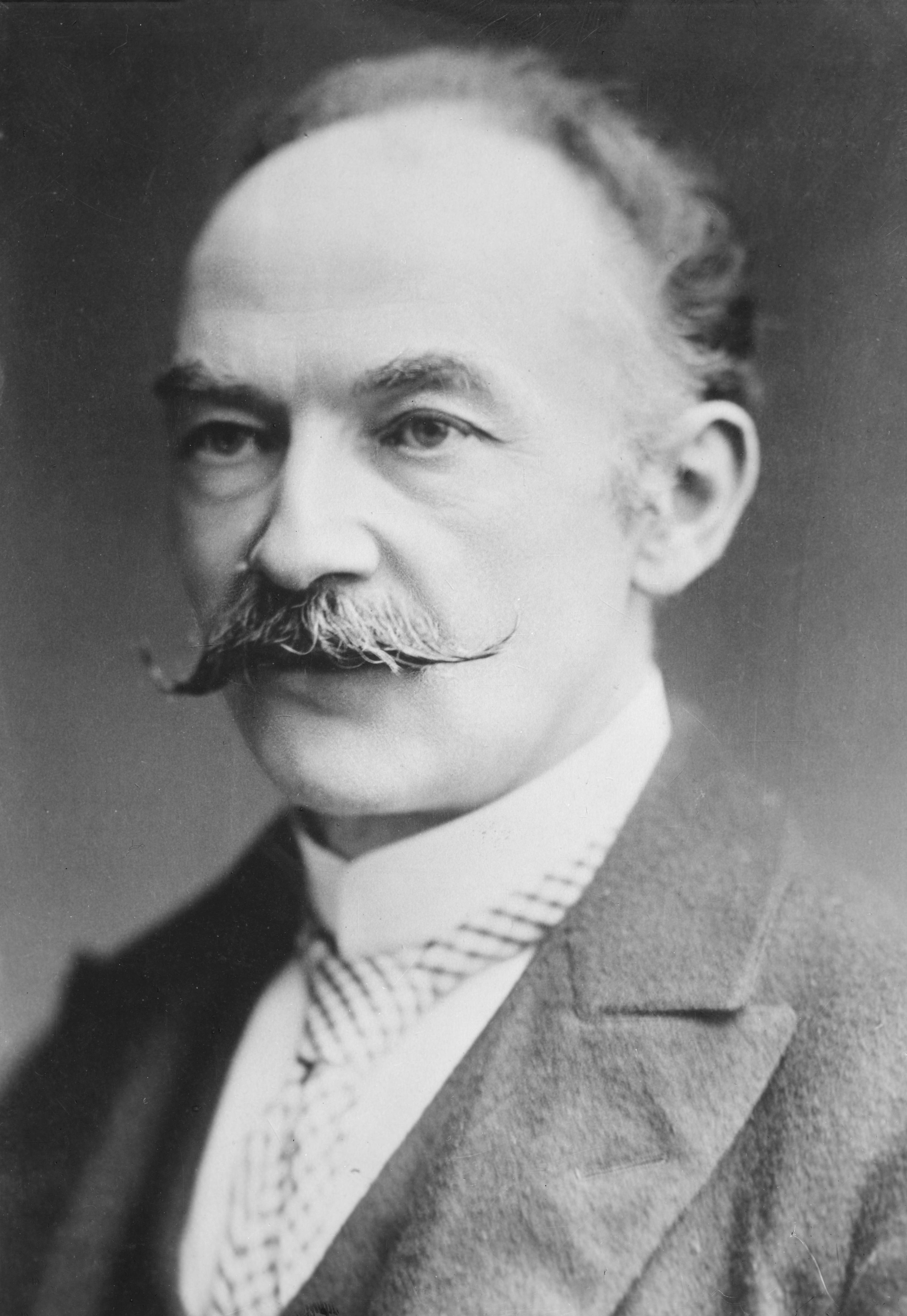
John Milton
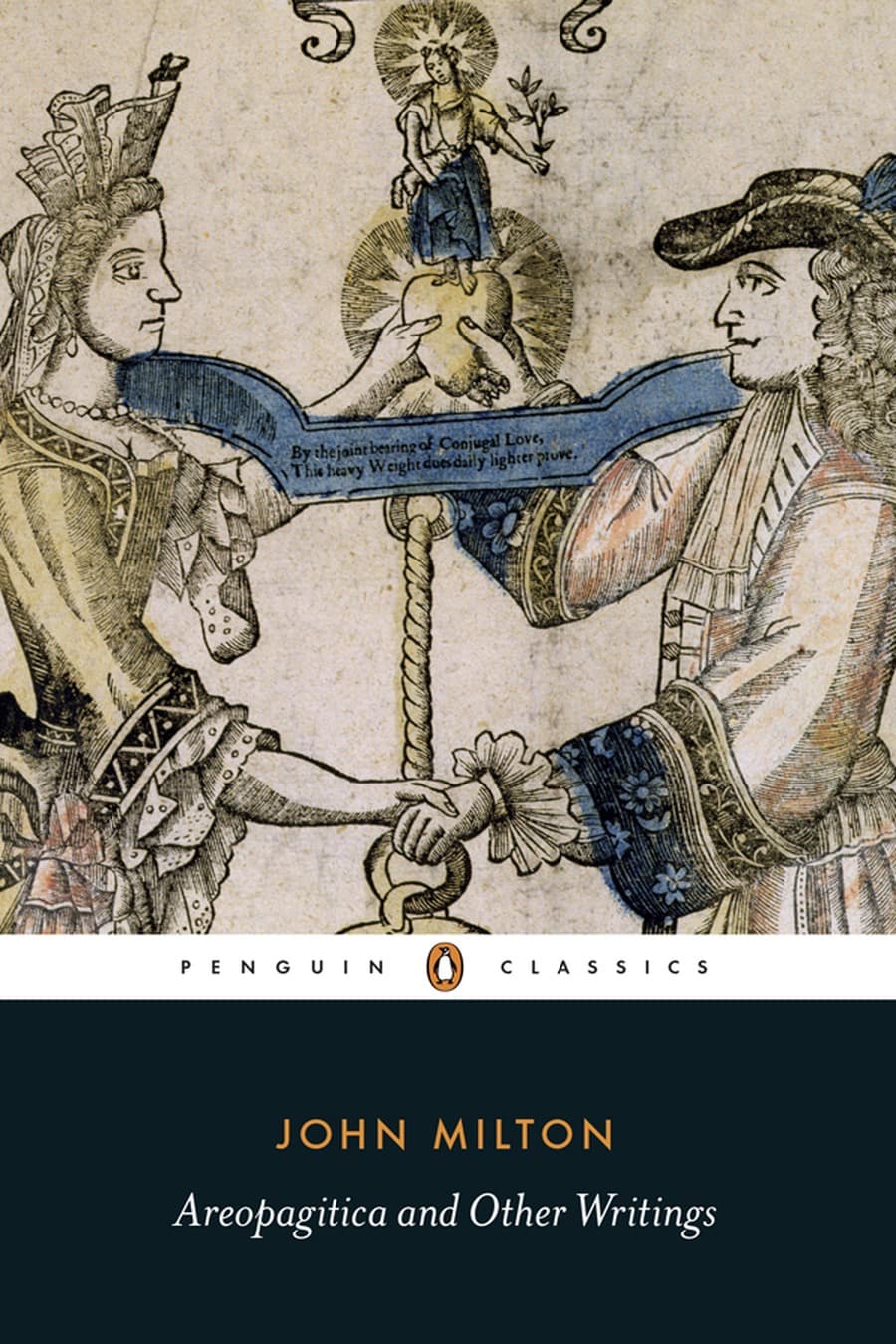
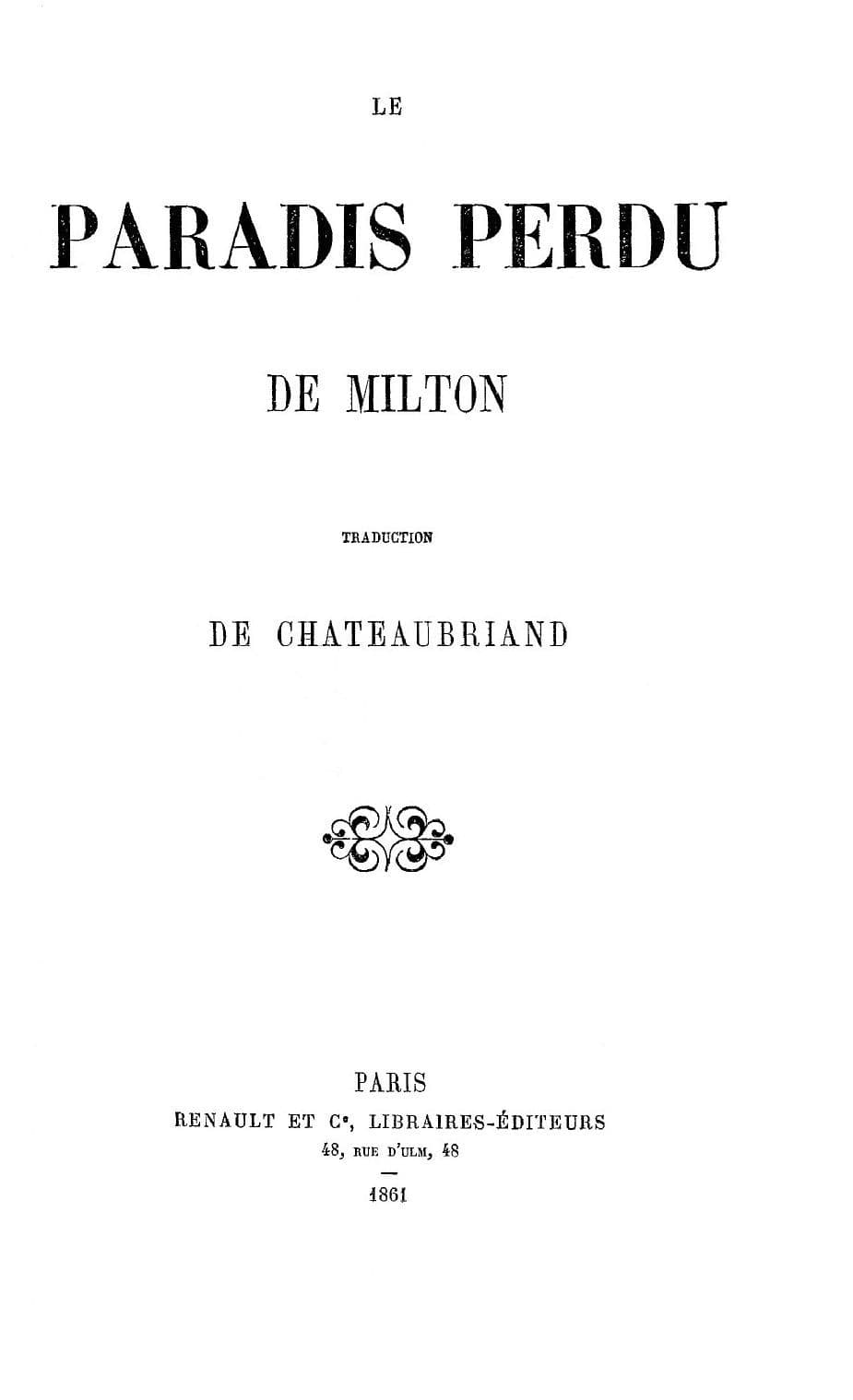
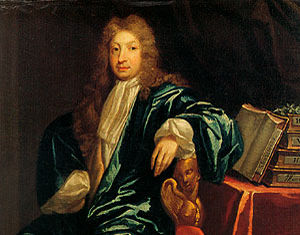
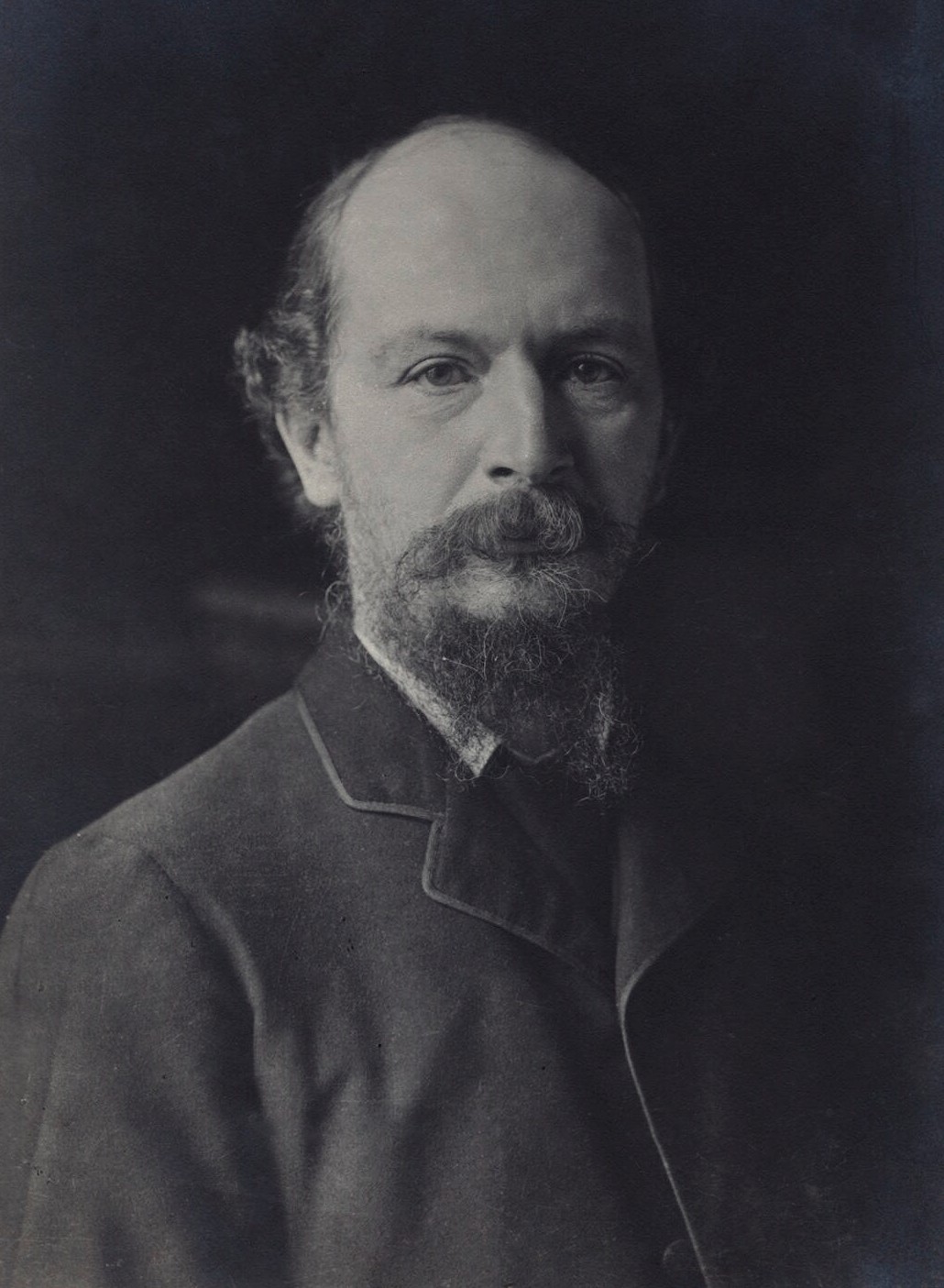
John Milton was an influential English poet, polemicist, and civil servant, best known for his epic poem, Paradise Lost, published in 1667. Written during a period of significant religious and political turmoil, this monumental work explores the themes of the fall of man, the temptation of Adam and Eve by Satan, and their subsequent expulsion from the Garden of Eden. Paradise Lost not only solidified Milton's reputation as one of the greatest poets in the English language but also marked a turning point in literary history with its use of blank verse and unrhymed lines, a technique he pioneered outside of theatrical works. In addition to his poetic contributions, Milton was a passionate advocate for freedom of speech, as evidenced by his famous pamphlet Areopagitica, which condemned pre-publication censorship. His writings reflect a deep commitment to republican ideals, a stance that garnered both admiration and criticism throughout his life and beyond. Despite fluctuating critical reception over the centuries, Milton's legacy endures, influencing countless poets and writers, including William Blake and William Wordsworth, who revered him as a literary titan. His innovative use of language and form continues to resonate, securing his place as a foundational figure in English literature.
Famous Quotes
View all 19 quotes“The mind is its own place, and in itself can make a heaven of hell, a hell of heaven..””
“For books are not absolutely dead things, but do contain a potency of life in them to be as active as that soul was whose progeny they are; nay, they do preserve as in a vial the purest efficacy and extraction of that living intellect that bred them.””
Books from the author


Link to this page
Add a free, dofollow link to Lex on your blog, forum, syllabus, or reading list.

<a href="https://lex-books.com/author/john-milton"><img src="https://lex-books.com/badges/read-on-lex.svg" alt="John Milton on Lex" width="160" height="40"></a>[](https://lex-books.com/author/john-milton)[url=https://lex-books.com/author/john-milton][img]https://lex-books.com/badges/read-on-lex.svg[/img][/url]John Milton on Lex: https://lex-books.com/author/john-milton