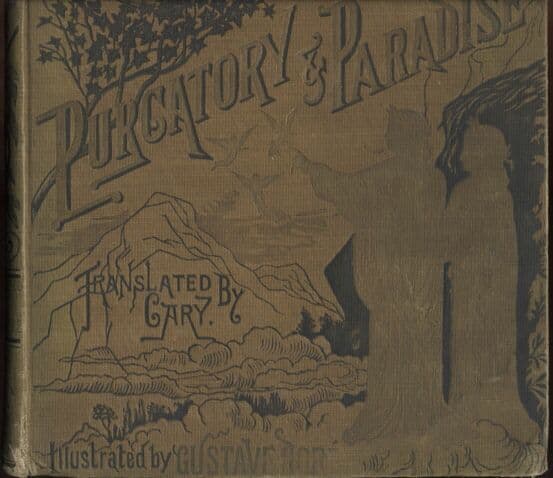
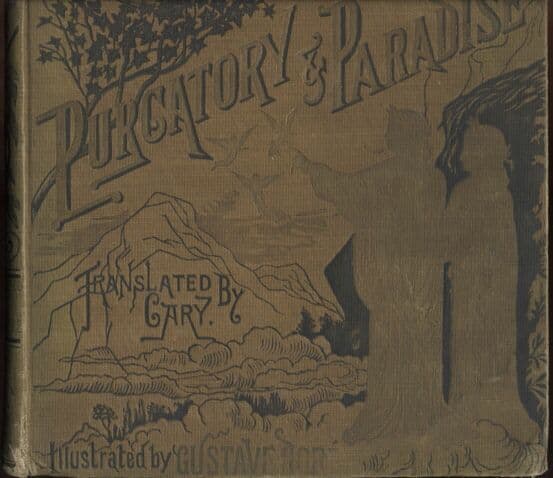
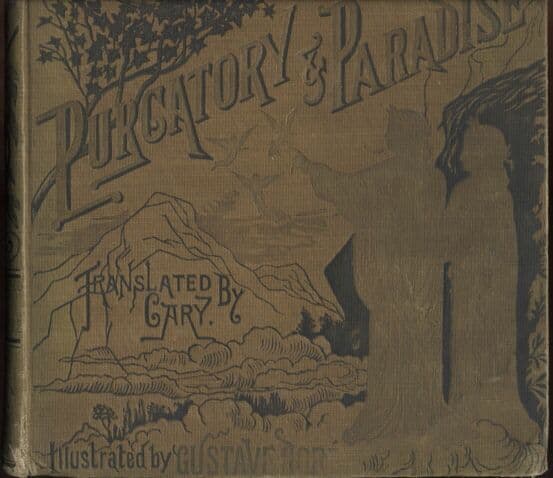
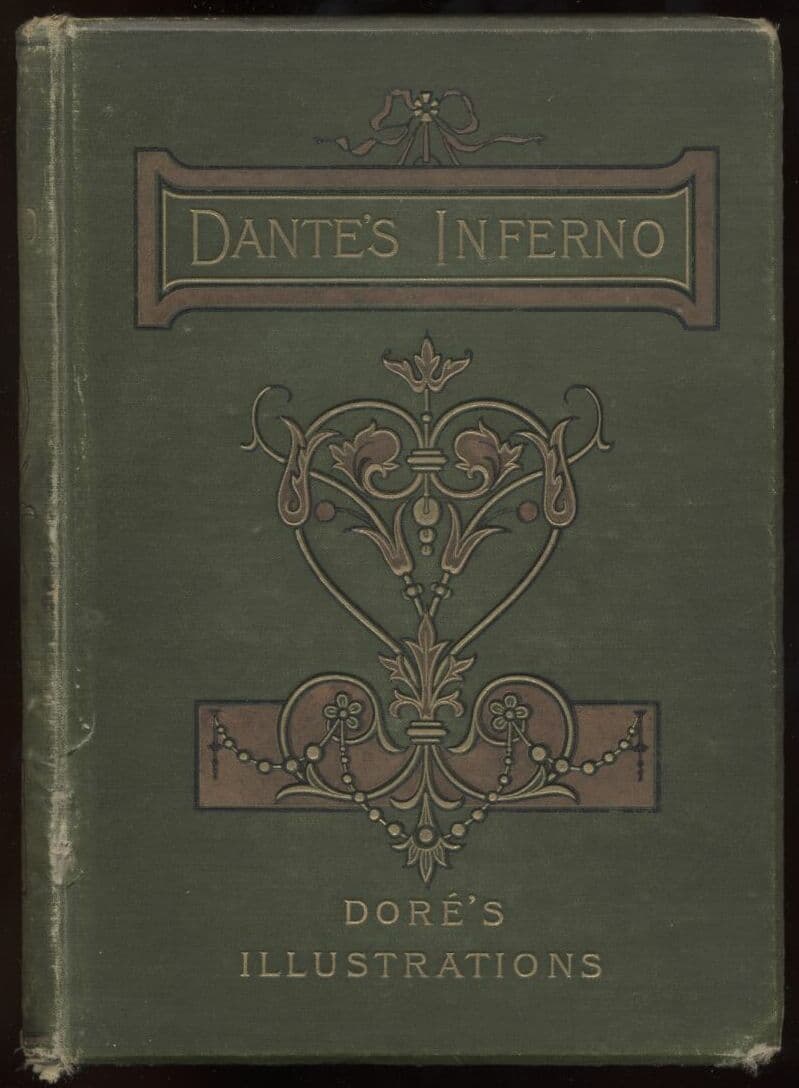
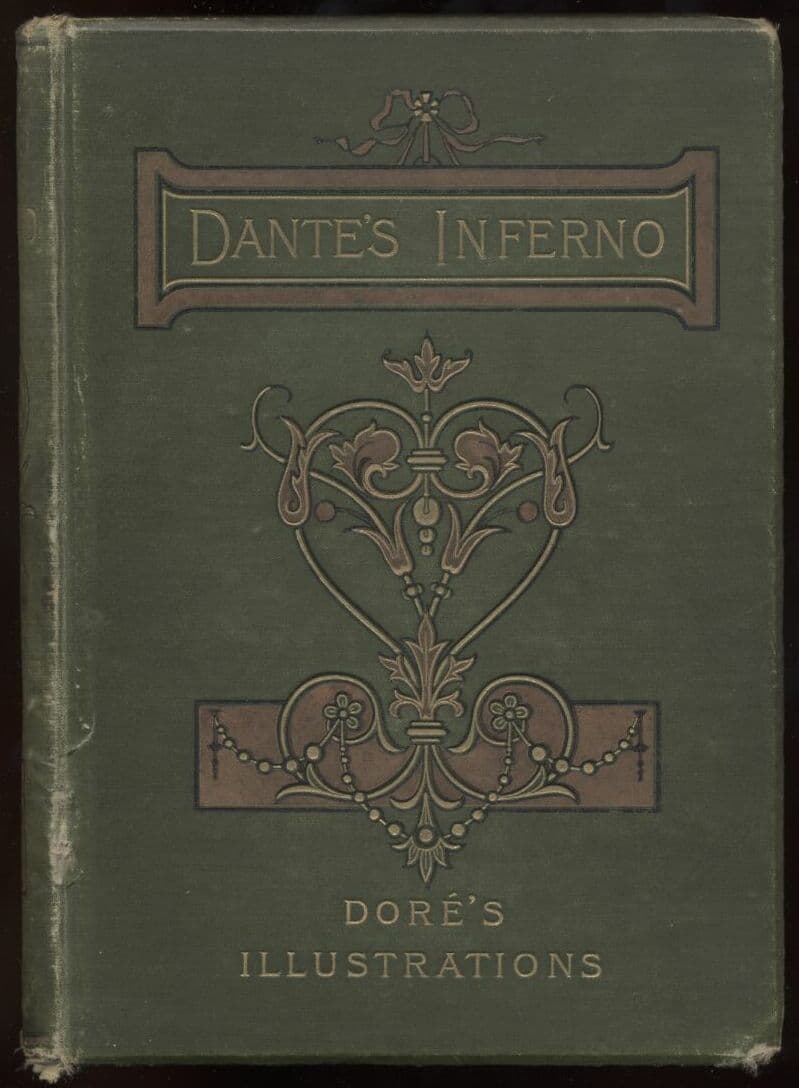
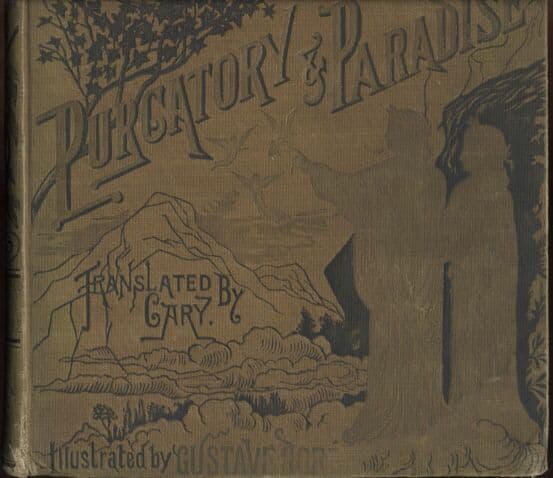
The Banquet (il Convito)
1887
Dante wrote this radical philosophical treatise not in Latin, the scholarly language of Europe, but in Italian vernacular, insisting that wisdom should feed everyone, not just the learned. The Banquet (Il Convito) uses the metaphor of a feast: knowledge is the nourishment, Dante the servitor, and the reader invited to table. Structured in four tracts, it moves from the nature of love through the forms it takes, the role of reason in guiding human action, and finally the marriage of love with virtue. This is Dante the philosopher, not Dante the poet of The Divine Comedy, though both emerge from the same towering intellect. Here he draws on Aristotle, classical philosophy, and his own spiritual evolution to argue that earthly love, properly understood, lifts the soul toward divine understanding. The work completes the journey begun in his earlier Vita Nuova, trading youthful romantic allegory for sustained philosophical argument. It remains a sweeping meditation on how human desire, guided by reason, can become the engine of transcendence.
Editions
X-Ray
“And what is laughter but a flashing of the soul, that is, a light appearing externally as it is within.””
— Dante Alighieri
“What is a smile but the coruscation of the joy of the soul, like the outward shining of an inward light””
— Dante Alighieri
“Nobility is the perfection in each thing of its proper nature.””
— Dante Alighieri
Link to this book
Add a free, dofollow link to Lex on your blog, forum, syllabus, or reading list.

<a href="https://lex-books.com/book/the-banquet-il-convito-250a7762-e1f6-4681-9d74-1082d1658666"><img src="https://lex-books.com/badges/read-on-lex.svg" alt="Read The Banquet (il Convito) by Dante Alighieri free on Lex" width="160" height="40"></a>[](https://lex-books.com/book/the-banquet-il-convito-250a7762-e1f6-4681-9d74-1082d1658666)[url=https://lex-books.com/book/the-banquet-il-convito-250a7762-e1f6-4681-9d74-1082d1658666][img]https://lex-books.com/badges/read-on-lex.svg[/img][/url]Read The Banquet (il Convito) by Dante Alighieri free on Lex: https://lex-books.com/book/the-banquet-il-convito-250a7762-e1f6-4681-9d74-1082d1658666Cite this book
Reading this edition for a paper or guide? Copy a citation.
Alighieri, Dante. The Banquet (il Convito). Lex, lex-books.com/book/the-banquet-il-convito-250a7762-e1f6-4681-9d74-1082d1658666.Alighieri, D. (1887). The Banquet (il Convito). Lex. https://lex-books.com/book/the-banquet-il-convito-250a7762-e1f6-4681-9d74-1082d1658666Alighieri, Dante. The Banquet (il Convito). Lex. https://lex-books.com/book/the-banquet-il-convito-250a7762-e1f6-4681-9d74-1082d1658666.