The Divine Comedy

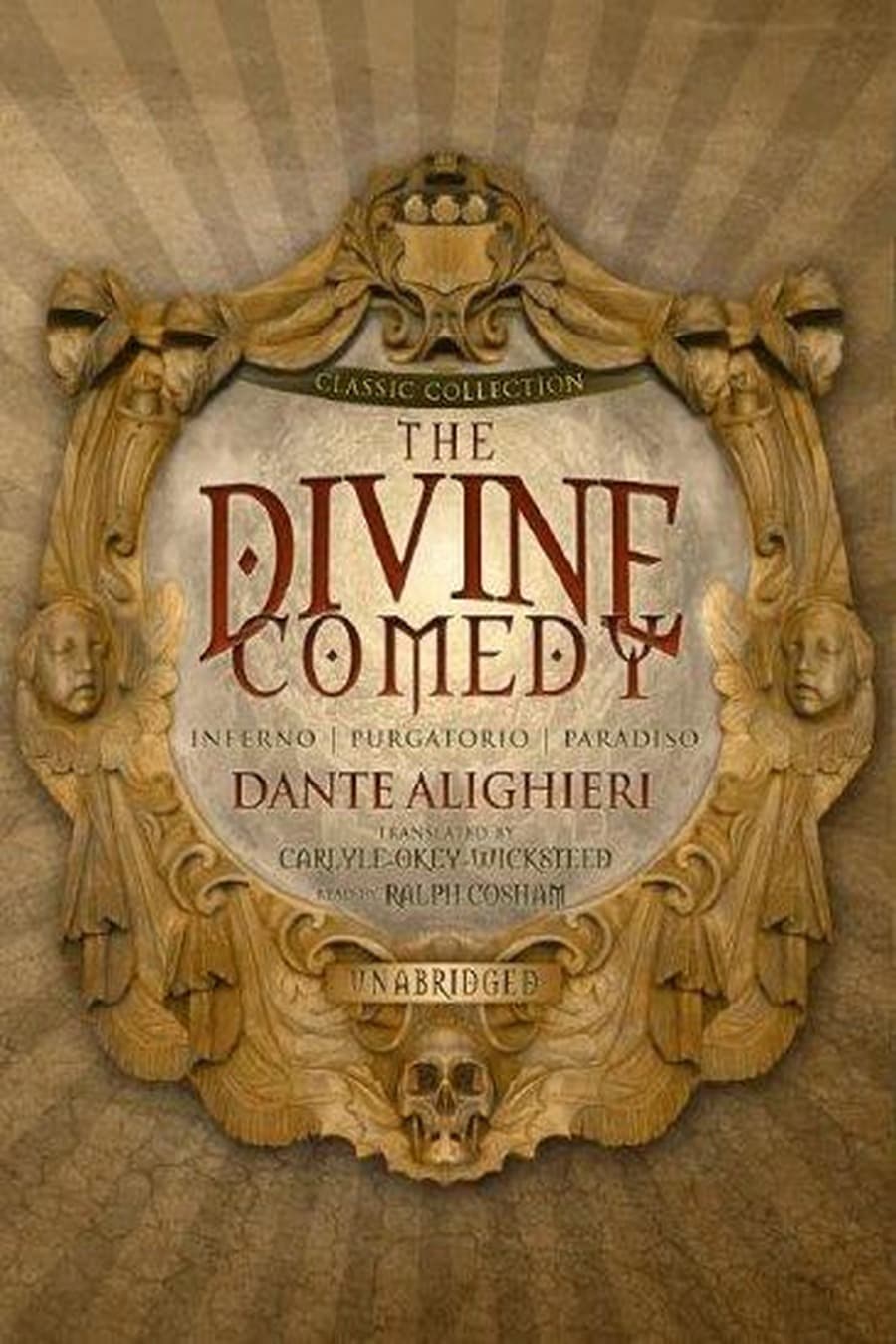
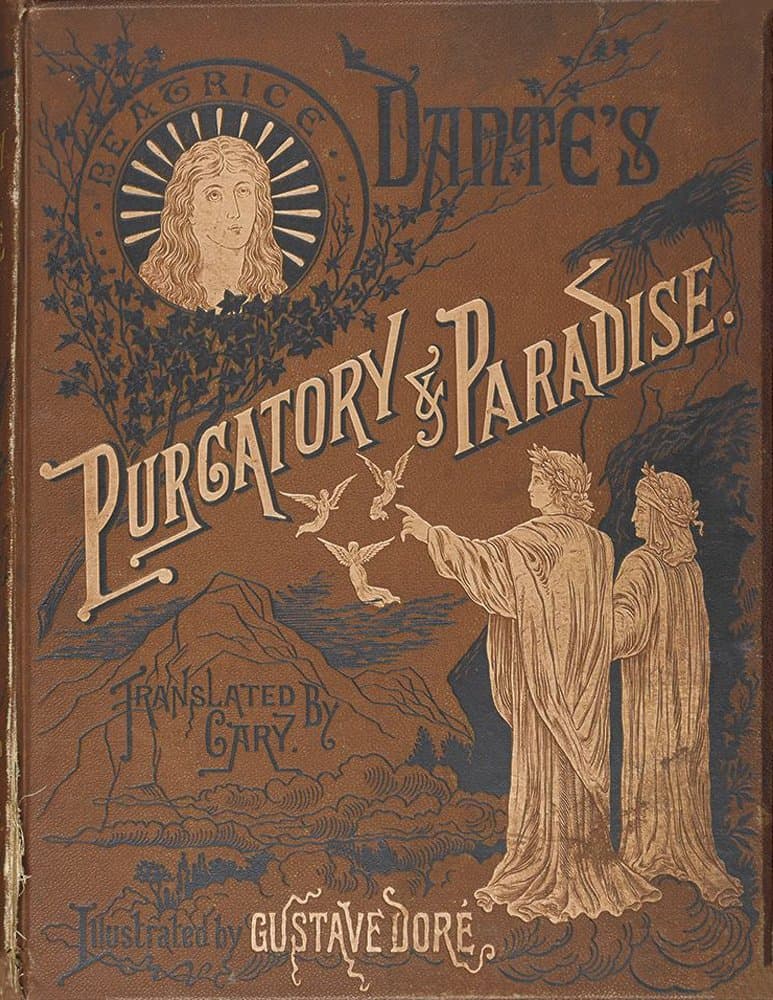
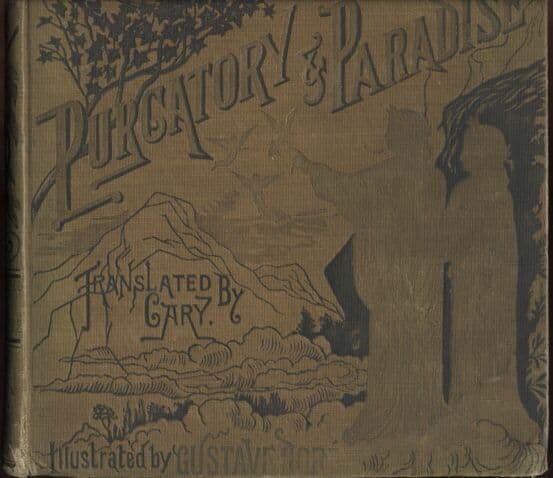
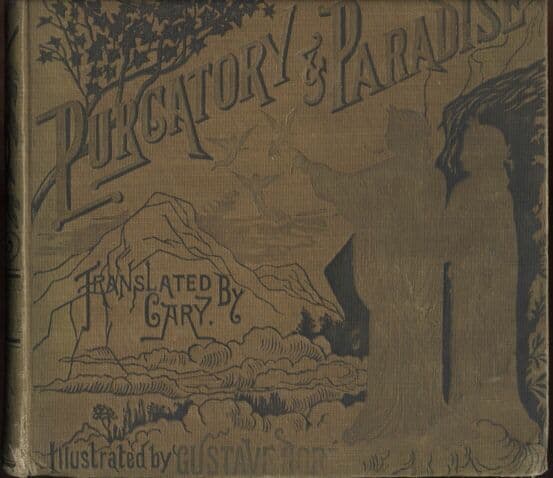
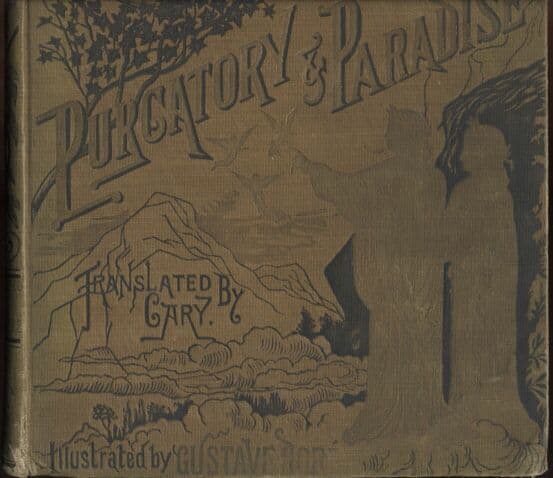
Embark on an unparalleled journey through the Christian afterlife in Dante Alighieri's *The Divine Comedy*, a towering epic that codified the Italian language and shaped Western thought. Lost in a dark wood, Dante is guided by the Roman poet Virgil through the meticulously structured nine circles of Hell, where sinners face eternal, fitting punishments. From the Vestibule of the Indifferent to the frozen depths of Treachery, each canto is a vivid tableau of moral reckoning, drawing on theological dogma, classical mythology, and the tumultuous political landscape of 14th-century Italy. This descent into damnation is merely the prelude to a meticulous ascent, first through the seven terraces of Purgatory, where souls cleanse themselves of sin, and finally into the nine celestial spheres of Paradise, culminating in a transcendent vision of divine love. More than a theological treatise, *The Divine Comedy* is a profound meditation on justice, sin, redemption, and the human condition. Dante's allegorical masterpiece, here rendered in Henry Wadsworth Longfellow's masterful blank verse, is a testament to the power of imagination and the enduring quest for spiritual understanding. Its intricate symbolism, vivid characterizations (from historical figures to mythological beasts), and lyrical intensity offer an immersive experience into a medieval worldview, while simultaneously grappling with universal questions that resonate with startling clarity today. It's a foundational text, not just for its literary brilliance, but for its audacious attempt to map the unseen, offering both a terrifying warning and a hopeful path towards grace.
Editions

Link to this book
Add a free, dofollow link to Lex on your blog, forum, syllabus, or reading list.

<a href="https://lex-books.com/book/the-divine-comedy-af8878fe-2861-4ec1-88d1-454c6e10237a"><img src="https://lex-books.com/badges/read-on-lex.svg" alt="Read The Divine Comedy by Dante Alighieri free on Lex" width="160" height="40"></a>[](https://lex-books.com/book/the-divine-comedy-af8878fe-2861-4ec1-88d1-454c6e10237a)[url=https://lex-books.com/book/the-divine-comedy-af8878fe-2861-4ec1-88d1-454c6e10237a][img]https://lex-books.com/badges/read-on-lex.svg[/img][/url]Read The Divine Comedy by Dante Alighieri free on Lex: https://lex-books.com/book/the-divine-comedy-af8878fe-2861-4ec1-88d1-454c6e10237aCite this book
Reading this edition for a paper or guide? Copy a citation.
Alighieri, Dante. The Divine Comedy. Lex, lex-books.com/book/the-divine-comedy-af8878fe-2861-4ec1-88d1-454c6e10237a.Alighieri, D. (n.d.). The Divine Comedy. Lex. https://lex-books.com/book/the-divine-comedy-af8878fe-2861-4ec1-88d1-454c6e10237aAlighieri, Dante. The Divine Comedy. Lex. https://lex-books.com/book/the-divine-comedy-af8878fe-2861-4ec1-88d1-454c6e10237a.































![Birds and Nature, Vol. 12 No. 1 [June 1902]illustrated by Color Photography](/_next/image?url=https%3A%2F%2Fd3b2n8gj62qnwr.cloudfront.net%2FCOVERS%2Fgutenberg_covers75k%2Febook-47881.png&w=3840&q=75)