
William Shakespeare
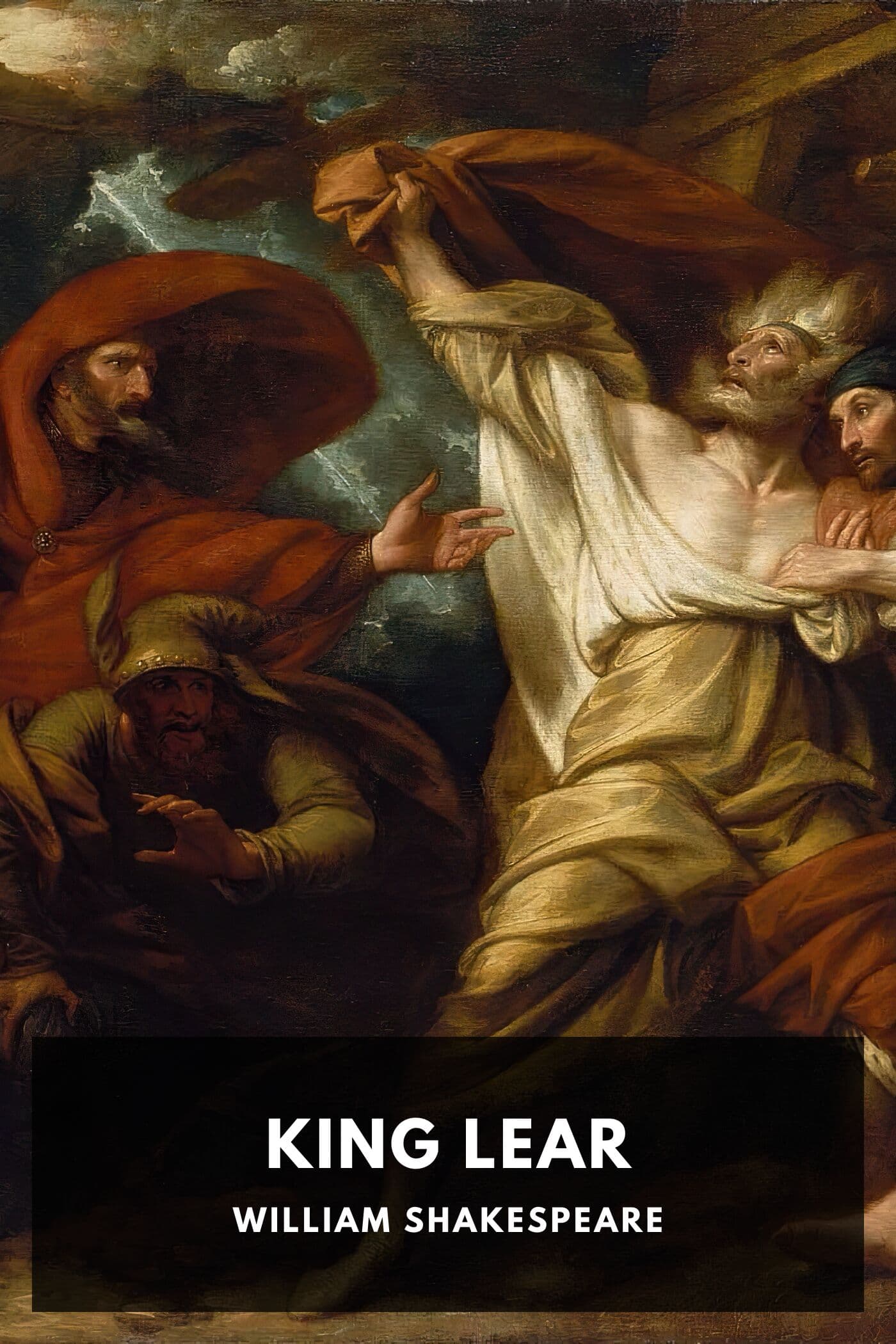
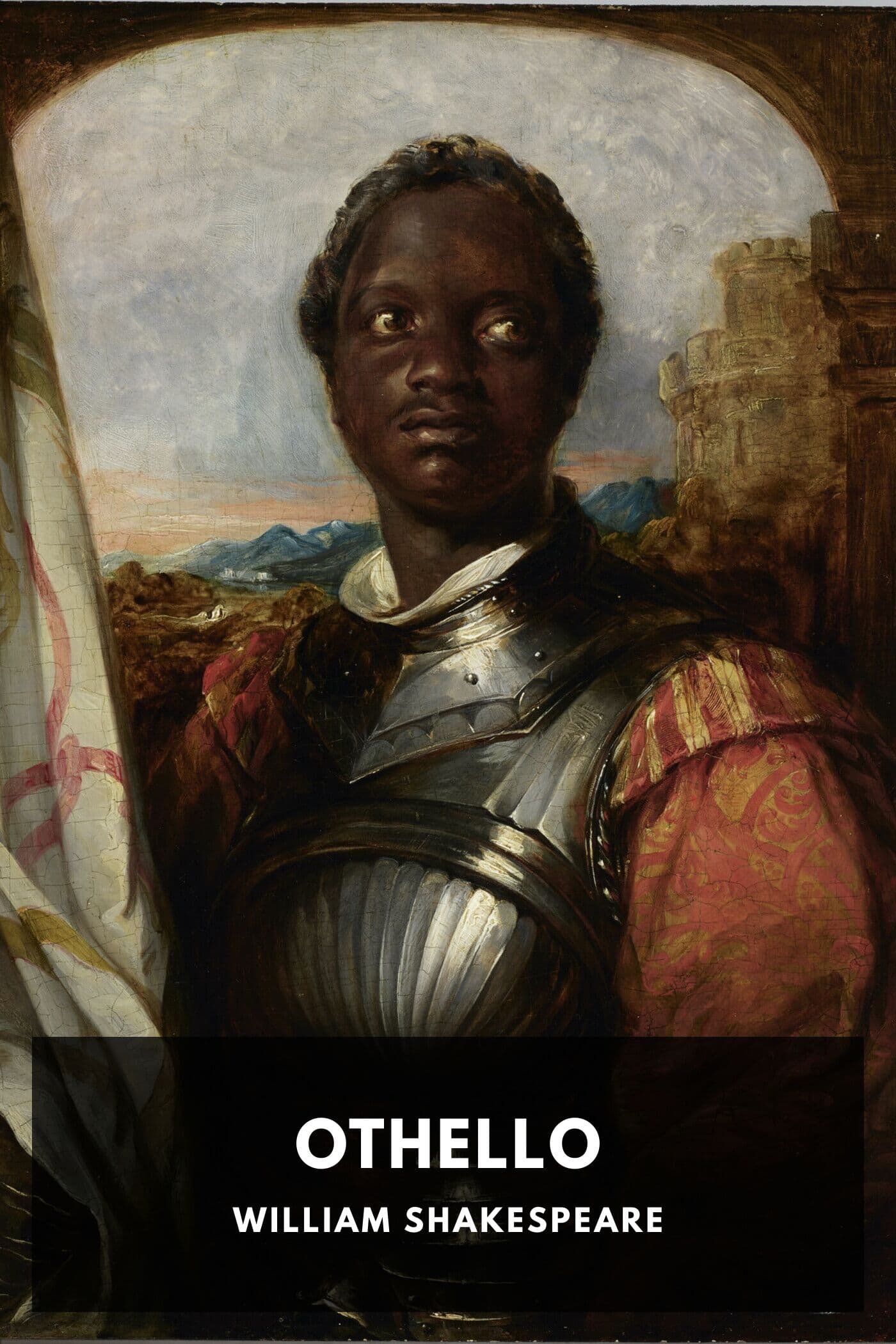
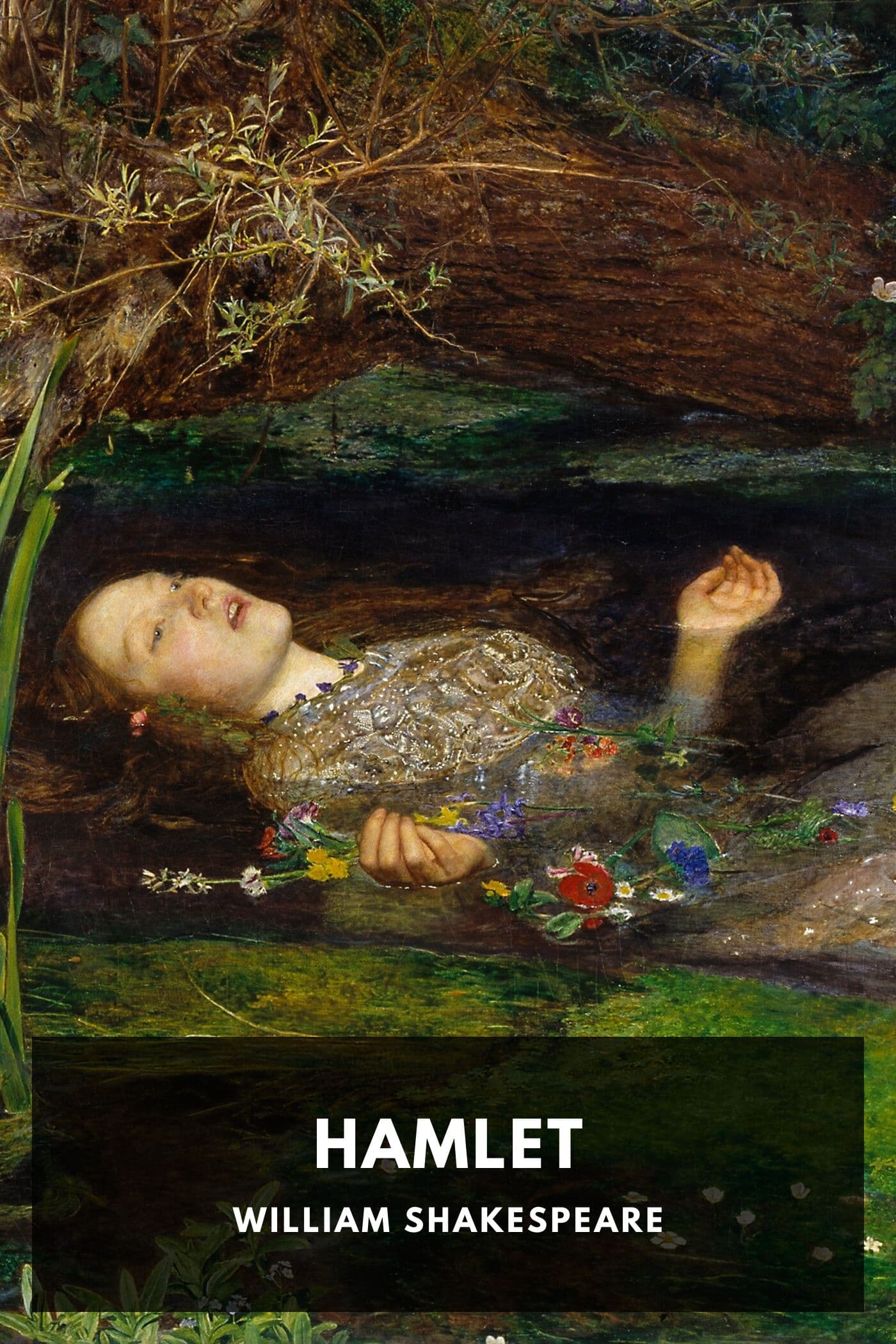
William Shakespeare was an English playwright, poet, and actor, celebrated as the greatest writer in the English language and the world's foremost dramatist. Born in Stratford-upon-Avon, he married Anne Hathaway and had three children. His career in London began between 1585 and 1592, during which he became a prominent member of the Lord Chamberlain's Men, a leading theatrical company that later became known as the King's Men. Shakespeare's body of work includes approximately 39 plays, 154 sonnets, and several narrative poems, with his plays being translated into every major language and performed more than those of any other playwright. Shakespeare's literary output can be categorized into distinct phases, starting with comedies and histories that showcased his talent for character development and wit. His later works, particularly the tragedies such as Hamlet, Othello, King Lear, and Macbeth, are regarded as masterpieces that delve into the complexities of human nature and morality. In his final years, he explored tragicomedies, including The Winter's Tale and The Tempest, which reflect a blend of serious themes with elements of hope and reconciliation. Despite the limited records of his personal life, Shakespeare's influence on literature, theater, and the English language is profound, marking him as a pivotal figure whose works continue to inspire and provoke thought across generations.
Famous Quotes
View all 20 quotes“Love all, trust a few,Do wrong to none: be able for thine enemyRather in power than use; and keep thy friendUnder thy own life's key: be check'd for silence,But never tax'd for speech.””
“Love looks not with the eyes, but with the mind; And therefore is wing'd Cupid painted blind. Nor hath love's mind of any judgment taste; Wings and no eyes figure unheedy haste: And therefore is love said to be a child, Because in choice he is so oft beguil'd.””
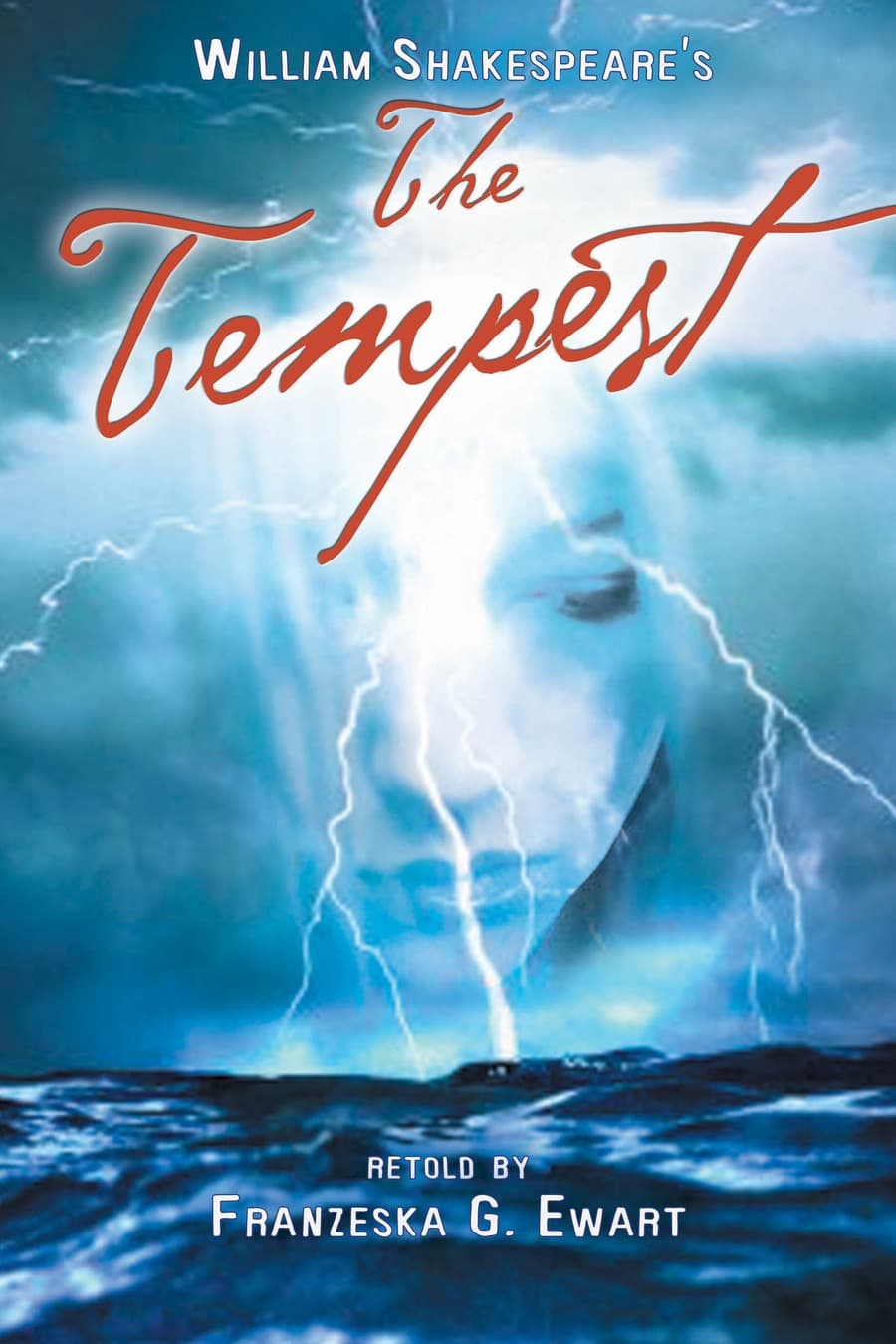
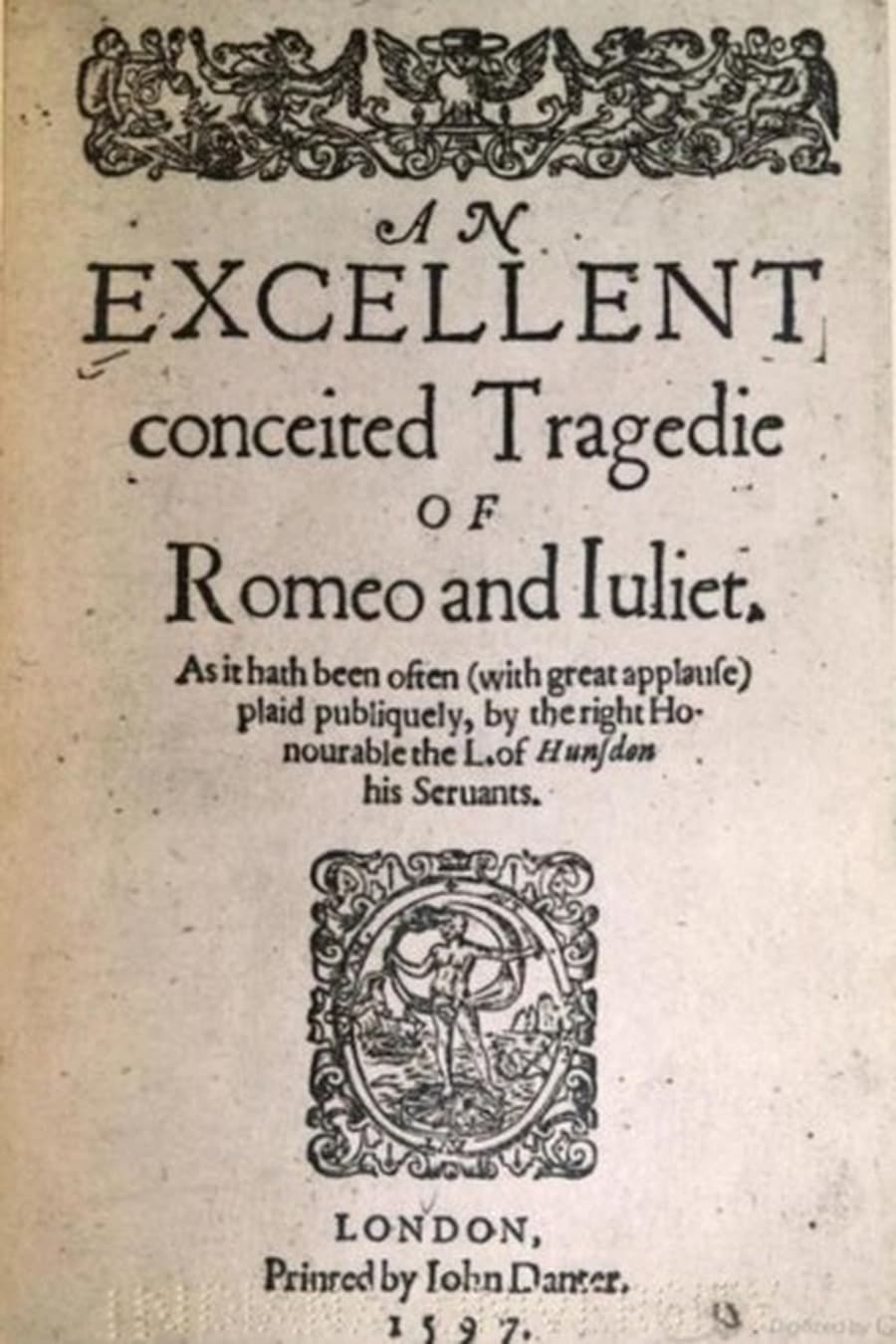
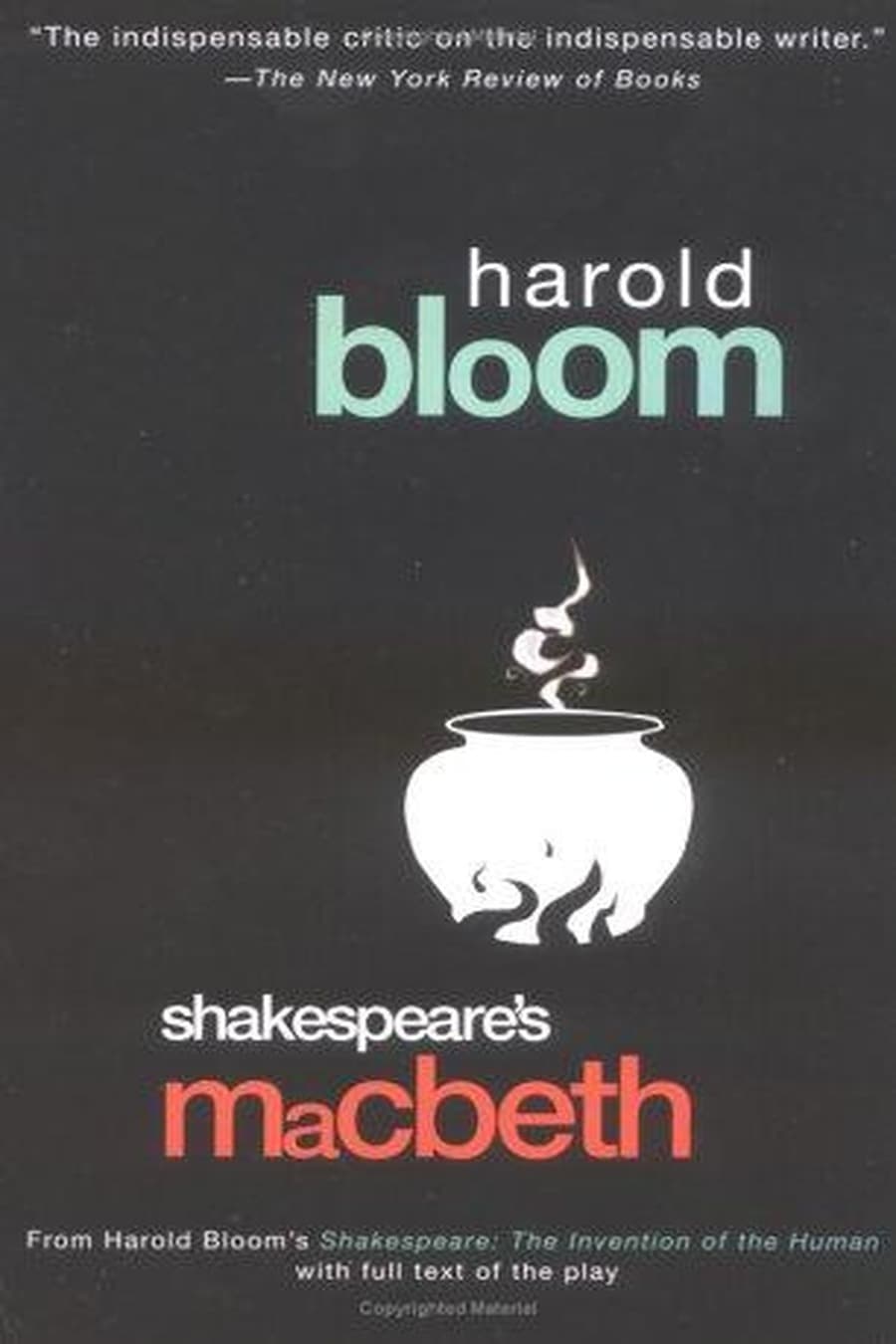
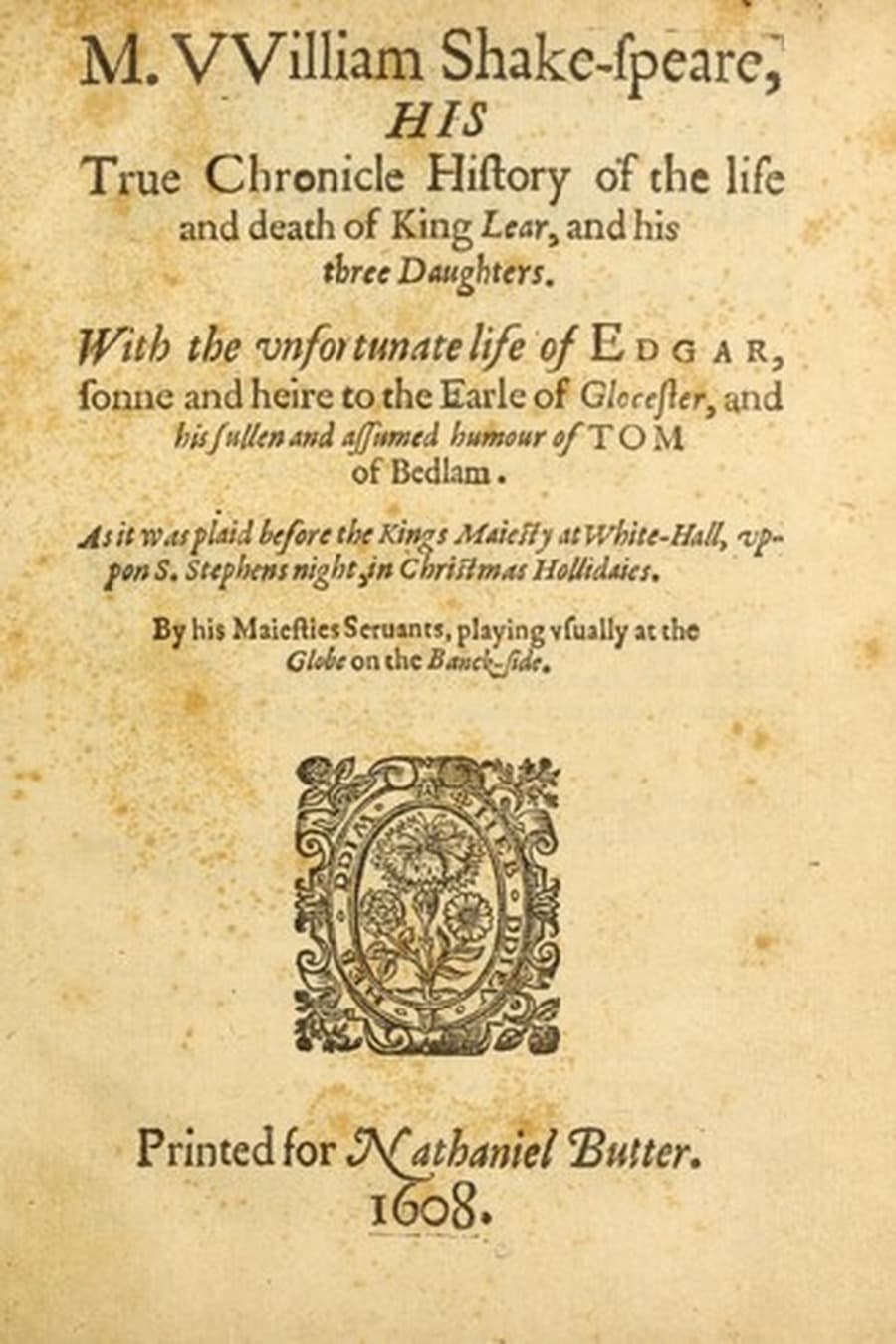
Books from the author








Link to this page
Add a free, dofollow link to Lex on your blog, forum, syllabus, or reading list.

<a href="https://lex-books.com/author/william-shakespeare"><img src="https://lex-books.com/badges/read-on-lex.svg" alt="William Shakespeare on Lex" width="160" height="40"></a>[](https://lex-books.com/author/william-shakespeare)[url=https://lex-books.com/author/william-shakespeare][img]https://lex-books.com/badges/read-on-lex.svg[/img][/url]William Shakespeare on Lex: https://lex-books.com/author/william-shakespeare