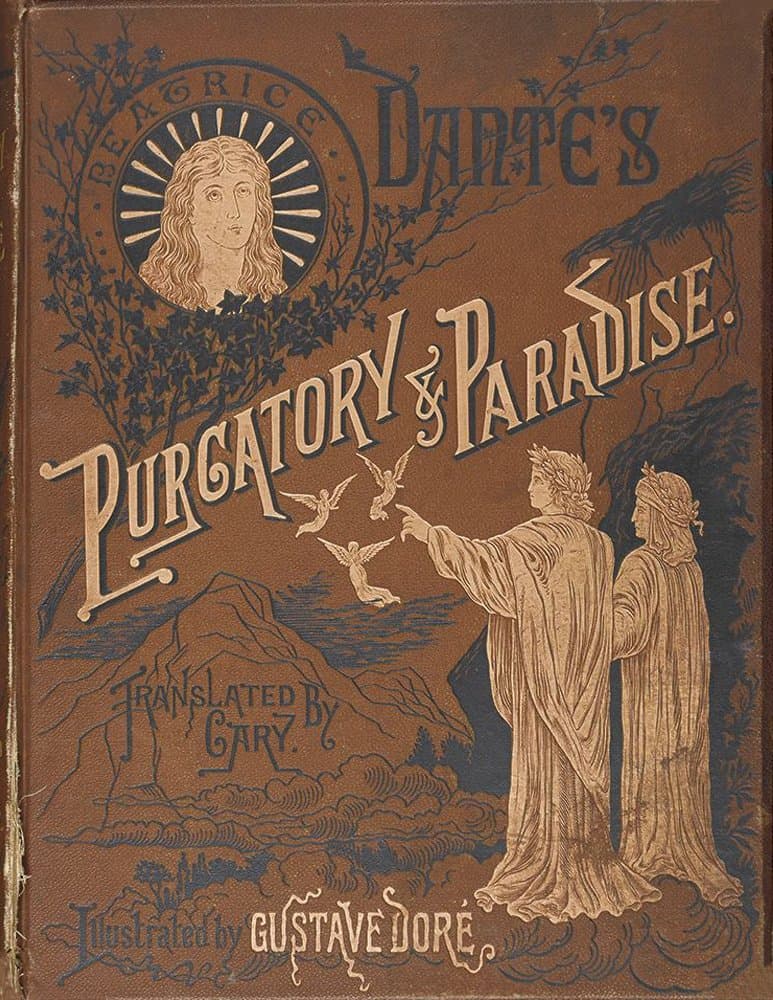
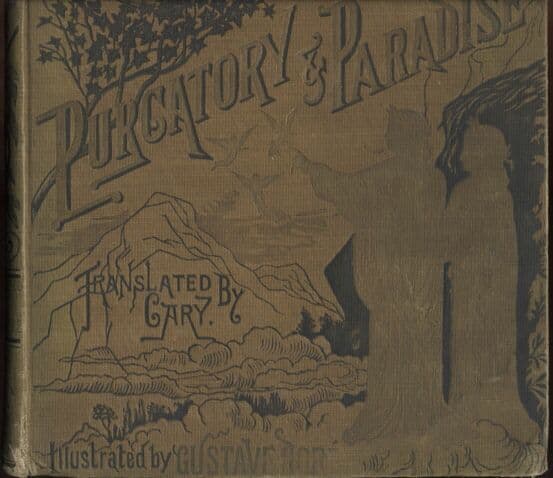
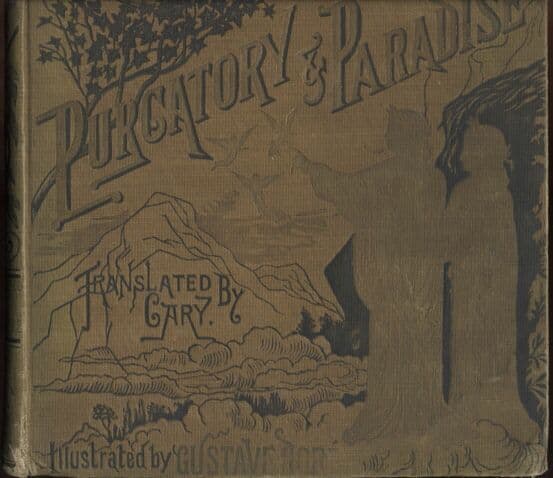
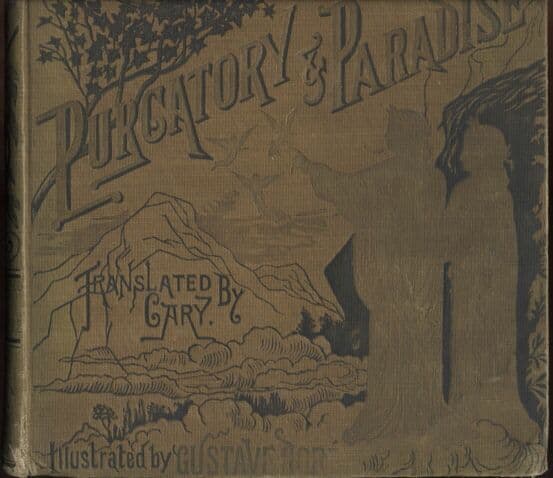
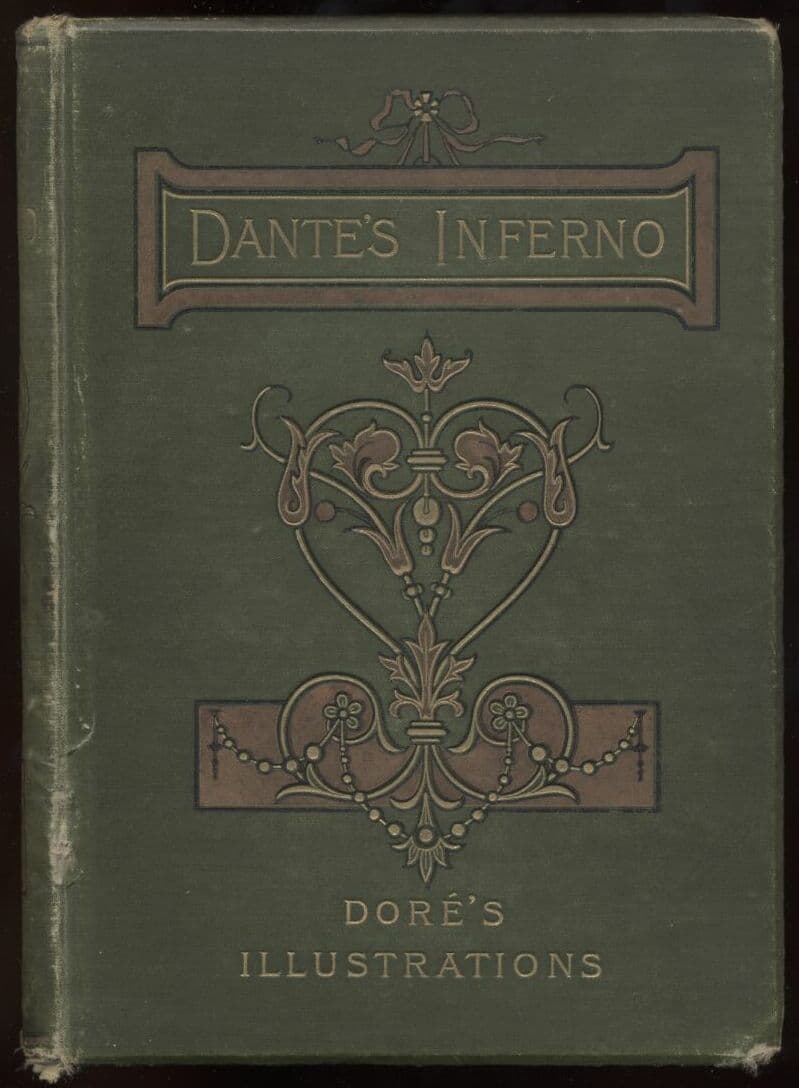
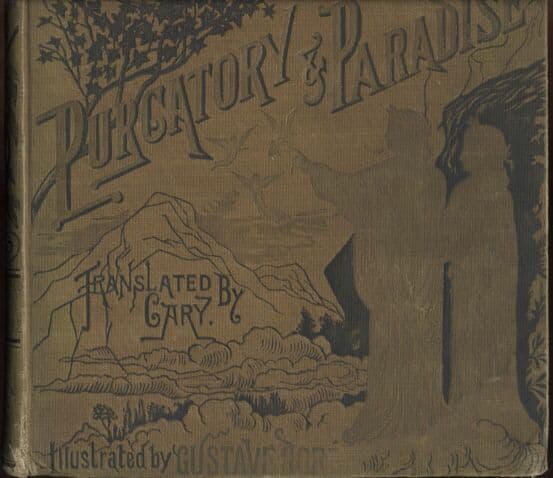
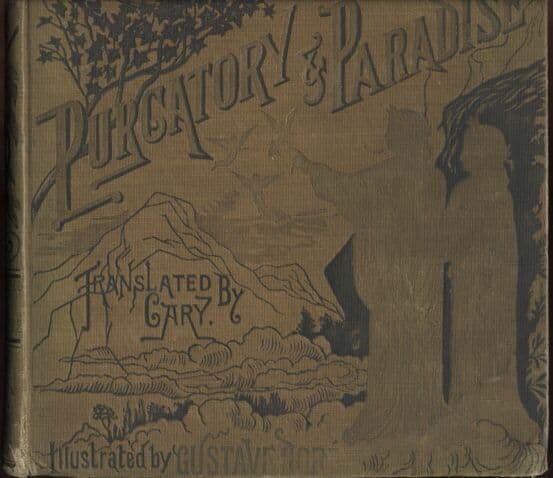
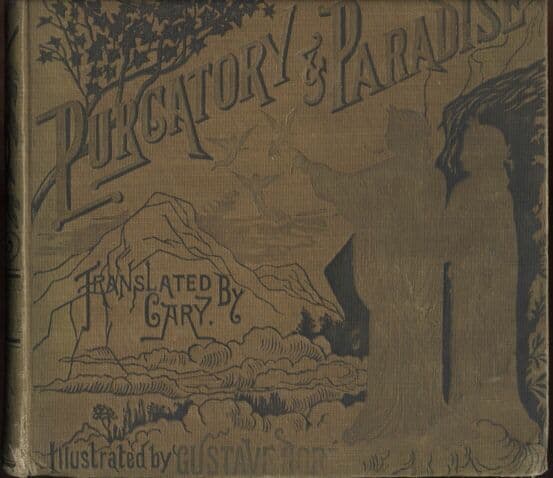
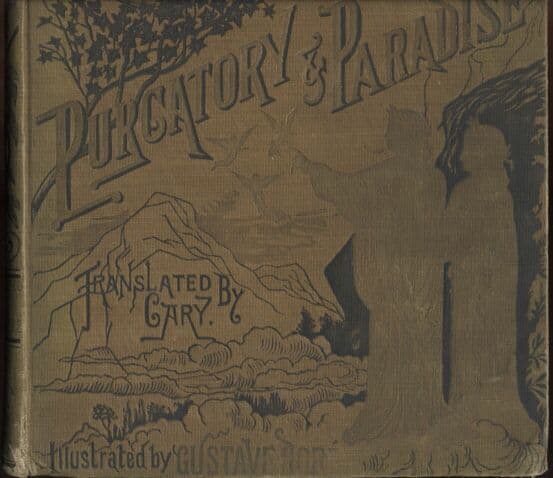
Divine Comedy, Cary's Translation, Purgatory
Divine Comedy, Cary's Translation, Purgatory
Translated by Henry Francis Cary
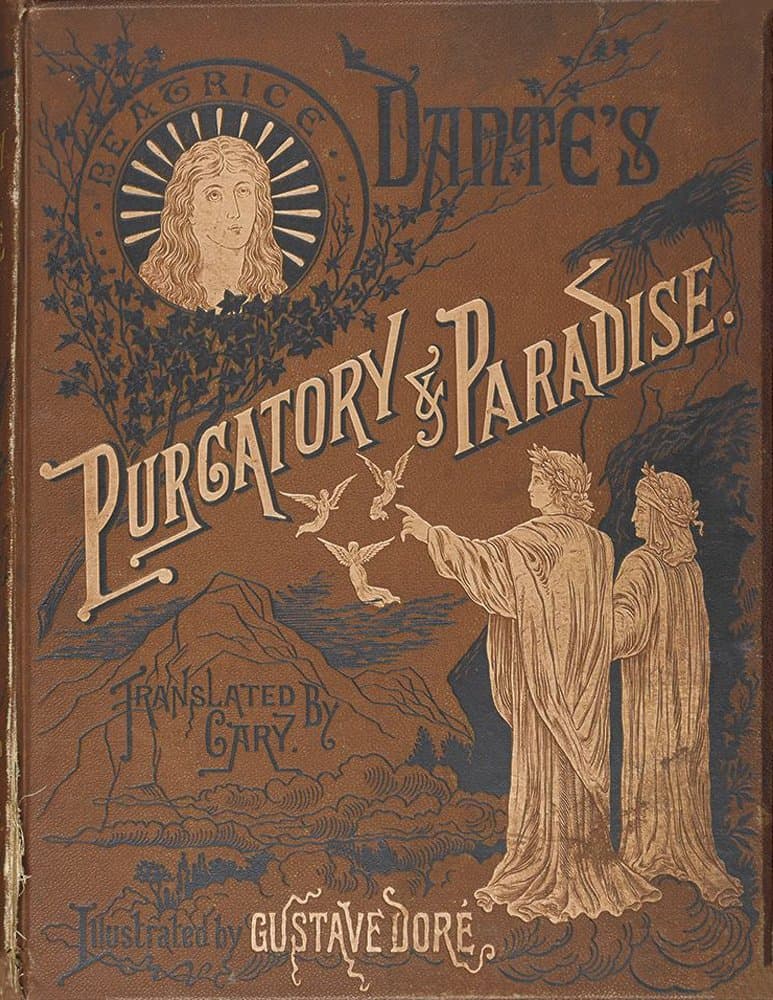
Dante emerges from Hell's chasm into dawn light. The transition is immediate and staggering: where Inferno descended into frozen darkness, Purgatorio climbs. Here, the souls are not damned but healing, not tormented but tempered. They climb the mountain of purgation like pilgrims scaling a great staircase toward the stars, each terrace stripping away a particular sin, pride, envy, wrath, sloth, greed, gluttony, lust, with patience and purpose. Dante the pilgrim must join them, shedding his own spiritual dead weight. Guided still by Virgil, the Roman poet who could only show him Hell's horror, now witnesses something harder: the possibility of redemption. The tone shifts from terror to tenderness, from justice to mercy. Purgatory is where Dante learns that the soul is not fixed, that what damns can be washed clean, that pride must yield to humility, that even the wrathful can learn gentleness. This is the middle of the longest love letter ever written to human potential, and it argues something radical: that we are not doomed to what we have been.
Editions
X-Ray
“All hope abandon, ye who enter here.””
— Dante Alighieri
“The more a thing is perfect, the more it feels pleasure and pain.””
— Dante Alighieri
“L'amor che move il sole e l'altre stelle.””
— Dante Alighieri
“The devil is not as black as he is painted.””
— Dante Alighieri
“Through me you pass into the city of woe:Through me you pass into eternal pain:Through me among the people lost for aye.Justice the founder of my fabric moved:To rear me was the task of power divine,Supremest wisdom, and primeval love.Before me things create were none, save thingsEternal, and eternal I shall endure.All hope abandon, ye who enter here.””
— Dante Alighieri
“Consider your origin. You were not formed to live like brutes but to follow virtue and knowledge.””
— Dante Alighieri
“O human race, born to fly upward, wherefore at a little wind dost thou so fall?””
— Dante Alighieri
“Into the eternal darkness, into fire and into ice. ””
— Dante Alighieri
“The man who lies asleep will never waken fame, and his desire and all his life drift past him like a dream, and the traces of his memory fade from time like smoke in air, or ripples on a stream.””
— Dante Alighieri
Link to this book
Add a free, dofollow link to Lex on your blog, forum, syllabus, or reading list.

<a href="https://lex-books.com/book/divine-comedy-cary-s-translation-purgatory-536e8ca5-7b3a-43c9-8f5b-9d2e70f2f01e"><img src="https://lex-books.com/badges/read-on-lex.svg" alt="Read Divine Comedy, Cary's Translation, Purgatory by Dante Alighieri free on Lex" width="160" height="40"></a>[](https://lex-books.com/book/divine-comedy-cary-s-translation-purgatory-536e8ca5-7b3a-43c9-8f5b-9d2e70f2f01e)[url=https://lex-books.com/book/divine-comedy-cary-s-translation-purgatory-536e8ca5-7b3a-43c9-8f5b-9d2e70f2f01e][img]https://lex-books.com/badges/read-on-lex.svg[/img][/url]Read Divine Comedy, Cary's Translation, Purgatory by Dante Alighieri free on Lex: https://lex-books.com/book/divine-comedy-cary-s-translation-purgatory-536e8ca5-7b3a-43c9-8f5b-9d2e70f2f01eCite this book
Reading this edition for a paper or guide? Copy a citation.
Alighieri, Dante. Divine Comedy, Cary's Translation, Purgatory. Lex, lex-books.com/book/divine-comedy-cary-s-translation-purgatory-536e8ca5-7b3a-43c9-8f5b-9d2e70f2f01e.Alighieri, D. (n.d.). Divine Comedy, Cary's Translation, Purgatory. Lex. https://lex-books.com/book/divine-comedy-cary-s-translation-purgatory-536e8ca5-7b3a-43c9-8f5b-9d2e70f2f01eAlighieri, Dante. Divine Comedy, Cary's Translation, Purgatory. Lex. https://lex-books.com/book/divine-comedy-cary-s-translation-purgatory-536e8ca5-7b3a-43c9-8f5b-9d2e70f2f01e.