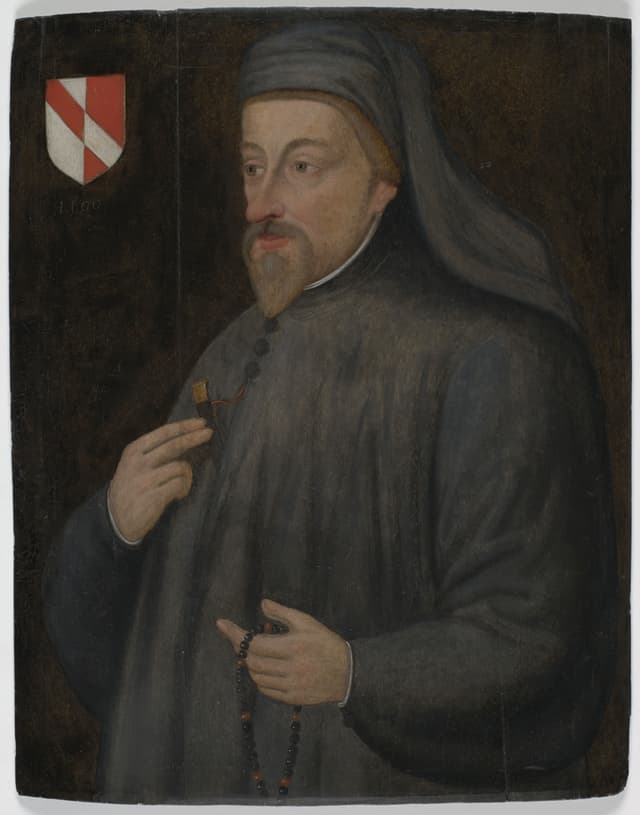
Geoffrey Chaucer
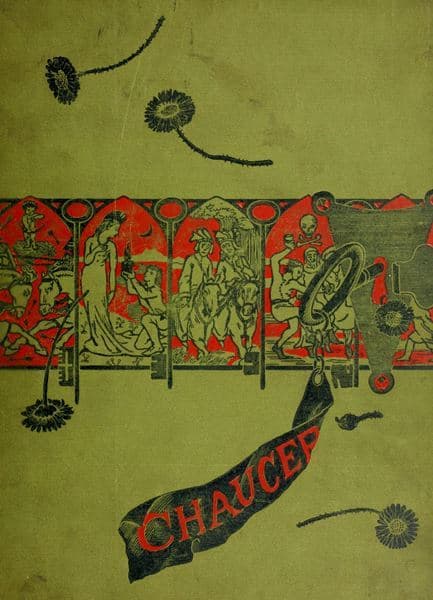
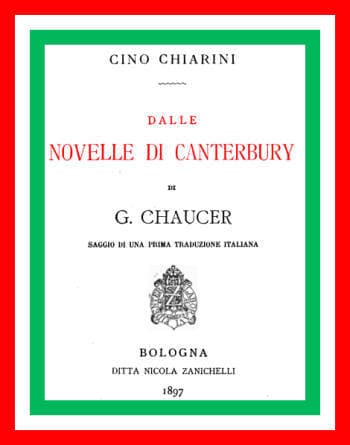
Geoffrey Chaucer was an influential English poet and civil servant, widely regarded as the 'father of English literature' and 'father of English poetry.' Born around 1343, Chaucer's literary career flourished during a time of significant social and political change in England. His most celebrated work, The Canterbury Tales, is a collection of stories narrated by a diverse group of pilgrims traveling to Canterbury. This groundbreaking work not only showcased his mastery of the English vernacular but also provided keen insights into the complexities of medieval society, blending humor, satire, and moral reflection. Chaucer's use of iambic pentameter and his innovative narrative techniques set the stage for future English poets and writers, establishing him as a pivotal figure in the evolution of English literature. Chaucer's legacy extends beyond his poetry; he was the first writer to be interred in Poets' Corner at Westminster Abbey, a testament to his enduring influence. His ability to capture the human experience through a rich tapestry of characters and stories has left an indelible mark on literature. Chaucer's works have inspired countless authors and continue to be studied for their linguistic innovation and social commentary, solidifying his place as a foundational figure in the literary canon.
Famous Quotes
View all 19 quotes“Patience is a conquering virtue.””
“The lyf so short, the craft so long to lerne.””
“What is better than wisdom? Woman. And what is better than a good woman? Nothing.””
Books from the author
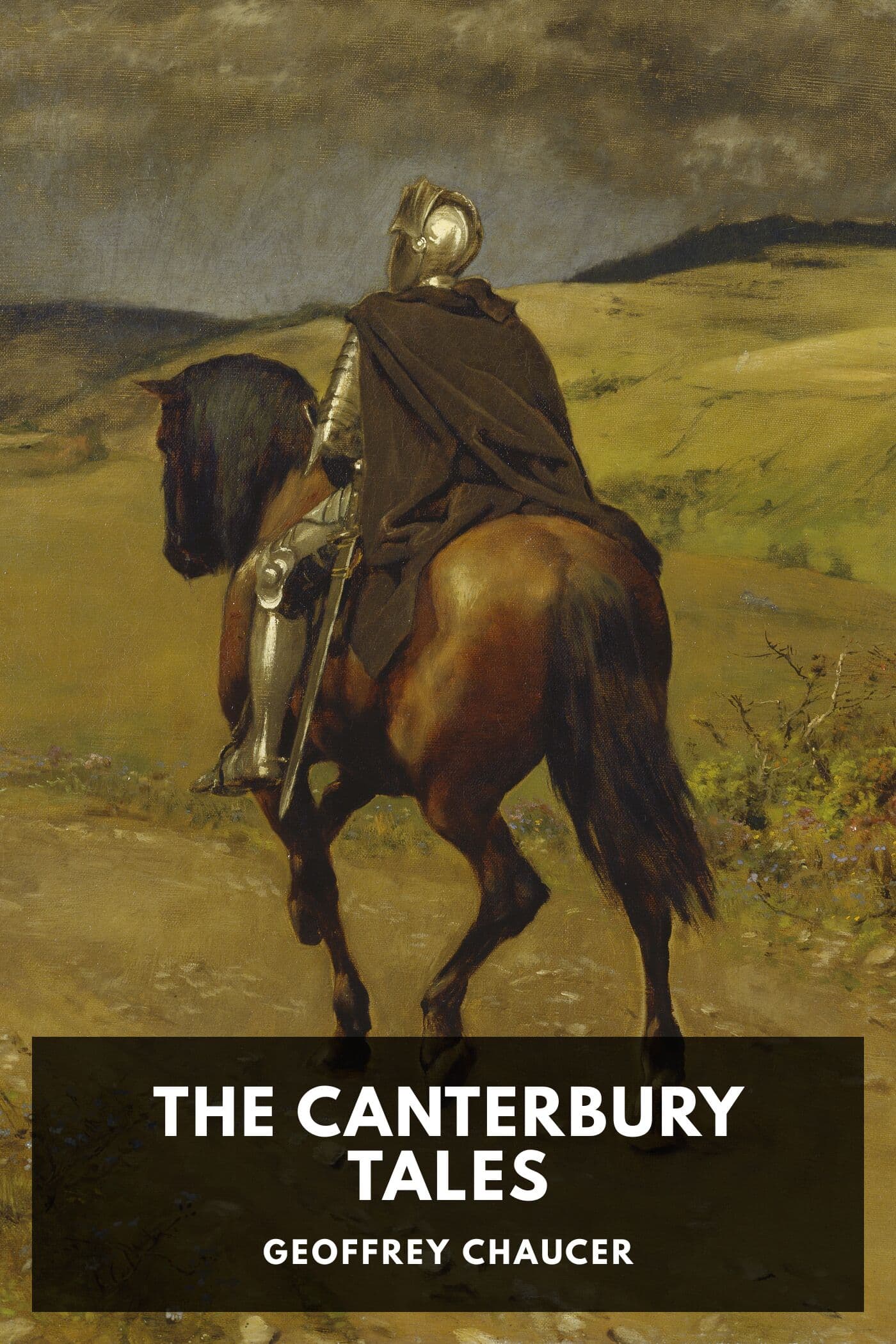




Link to this page
Add a free, dofollow link to Lex on your blog, forum, syllabus, or reading list.

<a href="https://lex-books.com/author/geoffrey-chaucer"><img src="https://lex-books.com/badges/read-on-lex.svg" alt="Geoffrey Chaucer on Lex" width="160" height="40"></a>[](https://lex-books.com/author/geoffrey-chaucer)[url=https://lex-books.com/author/geoffrey-chaucer][img]https://lex-books.com/badges/read-on-lex.svg[/img][/url]Geoffrey Chaucer on Lex: https://lex-books.com/author/geoffrey-chaucer