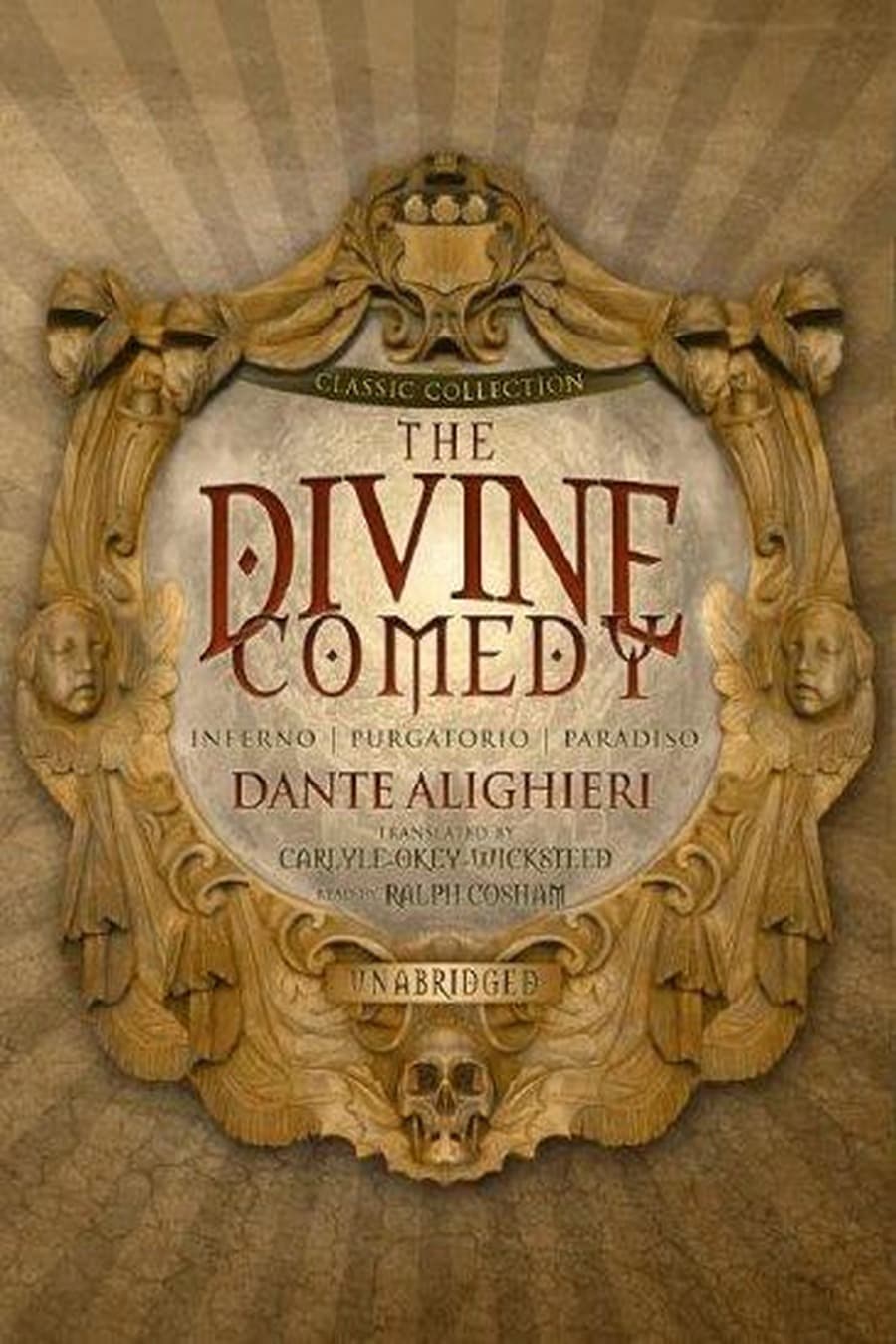
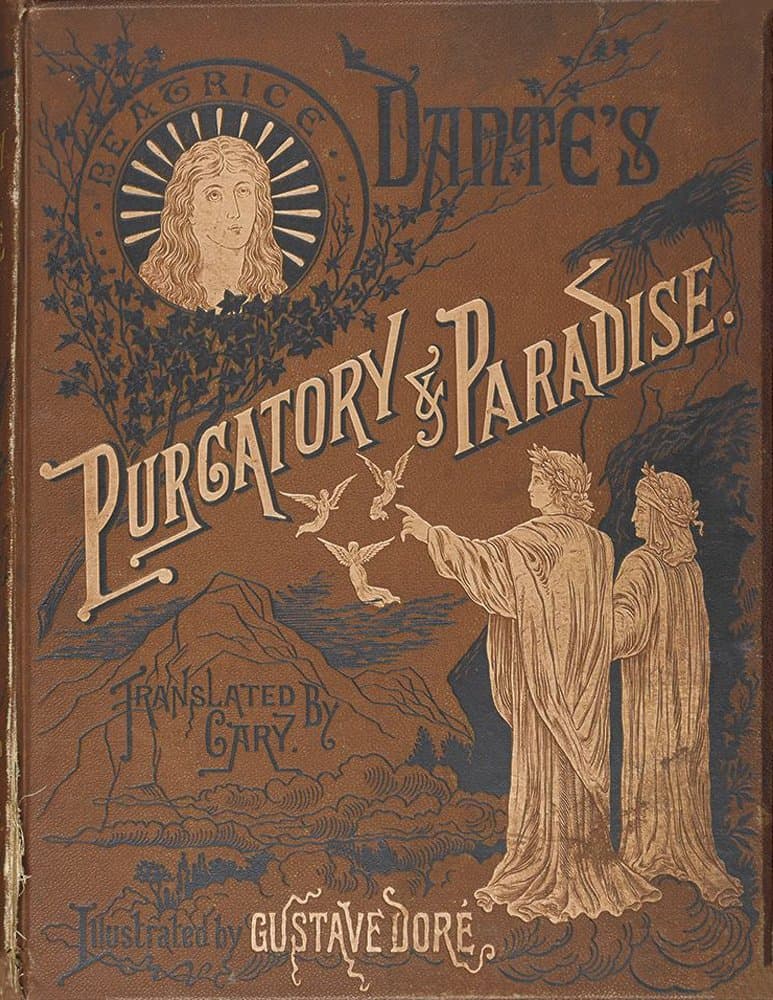
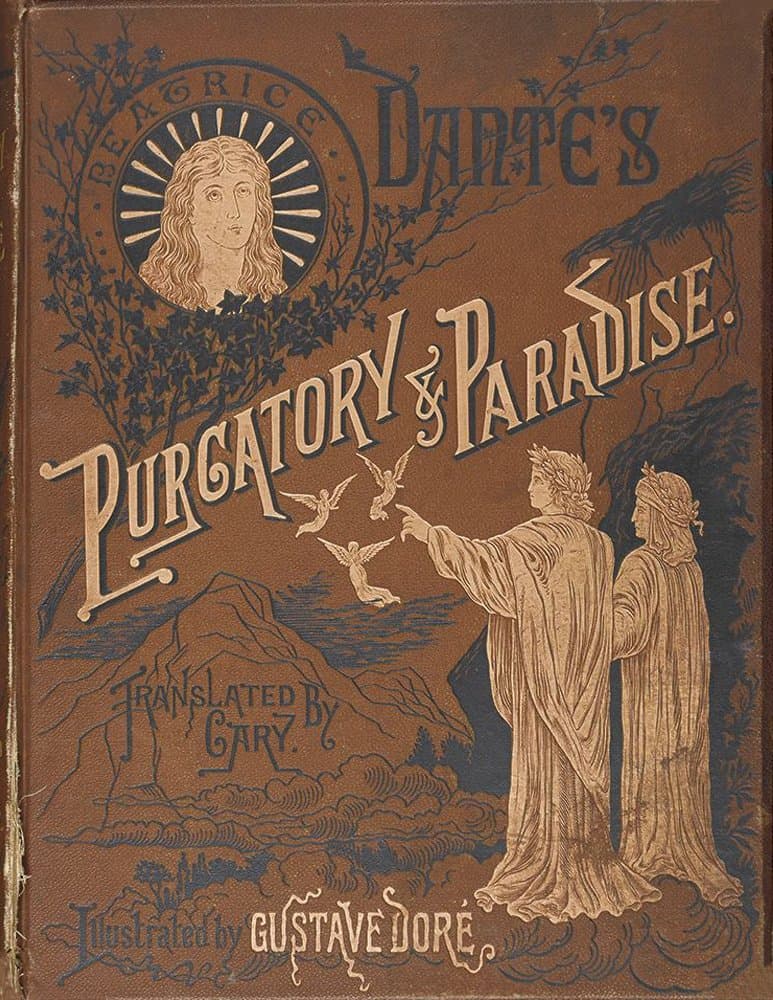
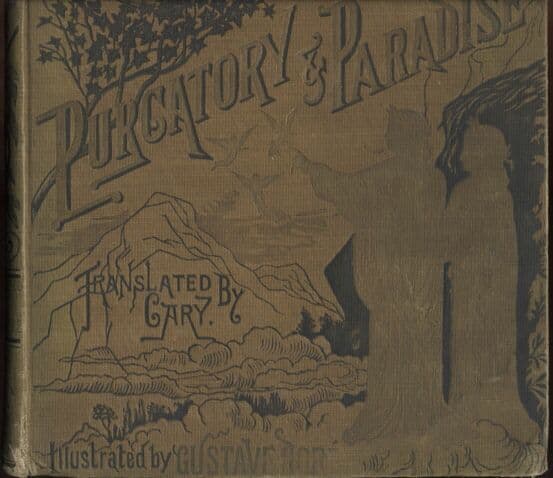
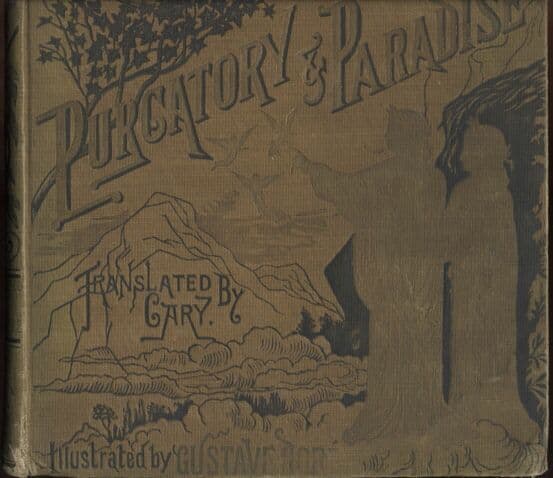
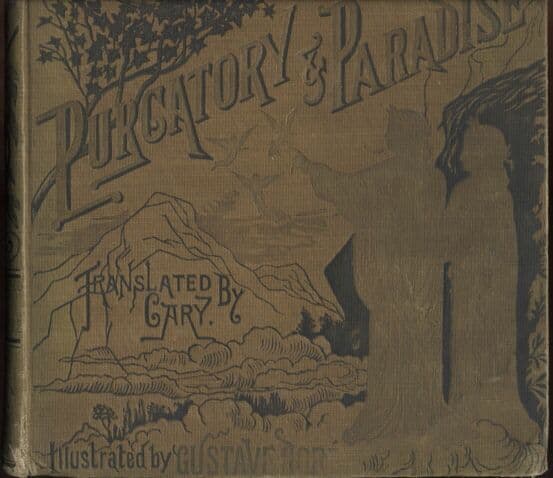
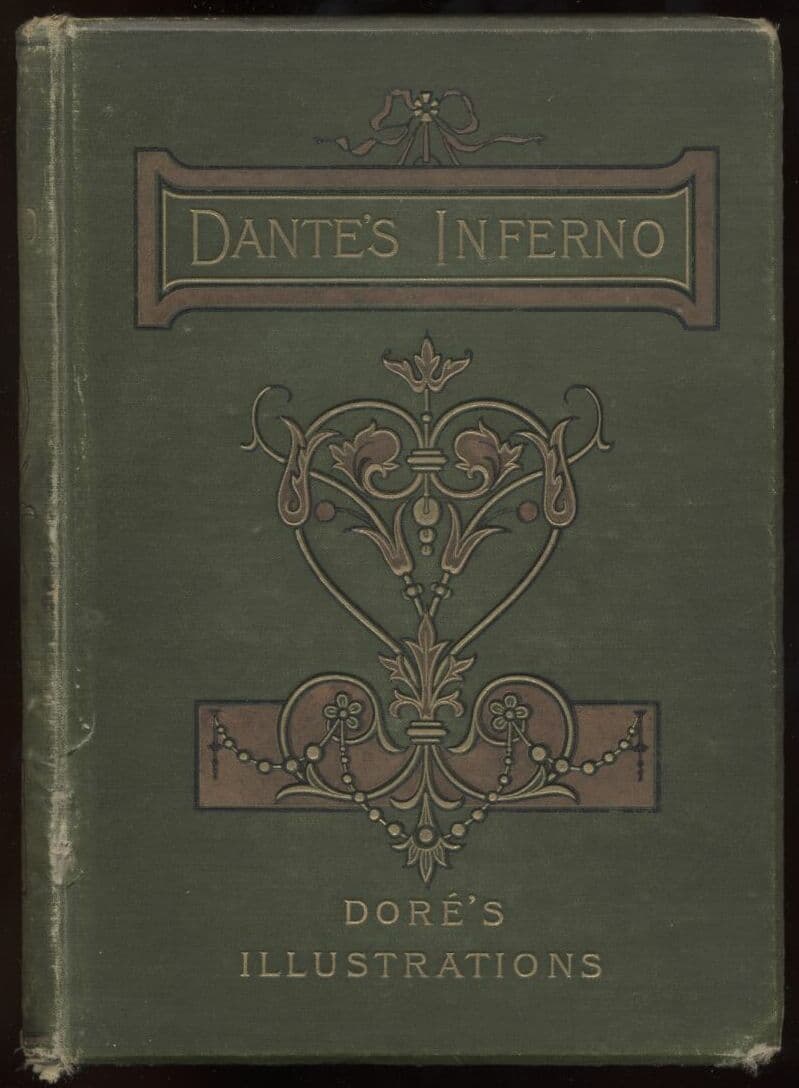
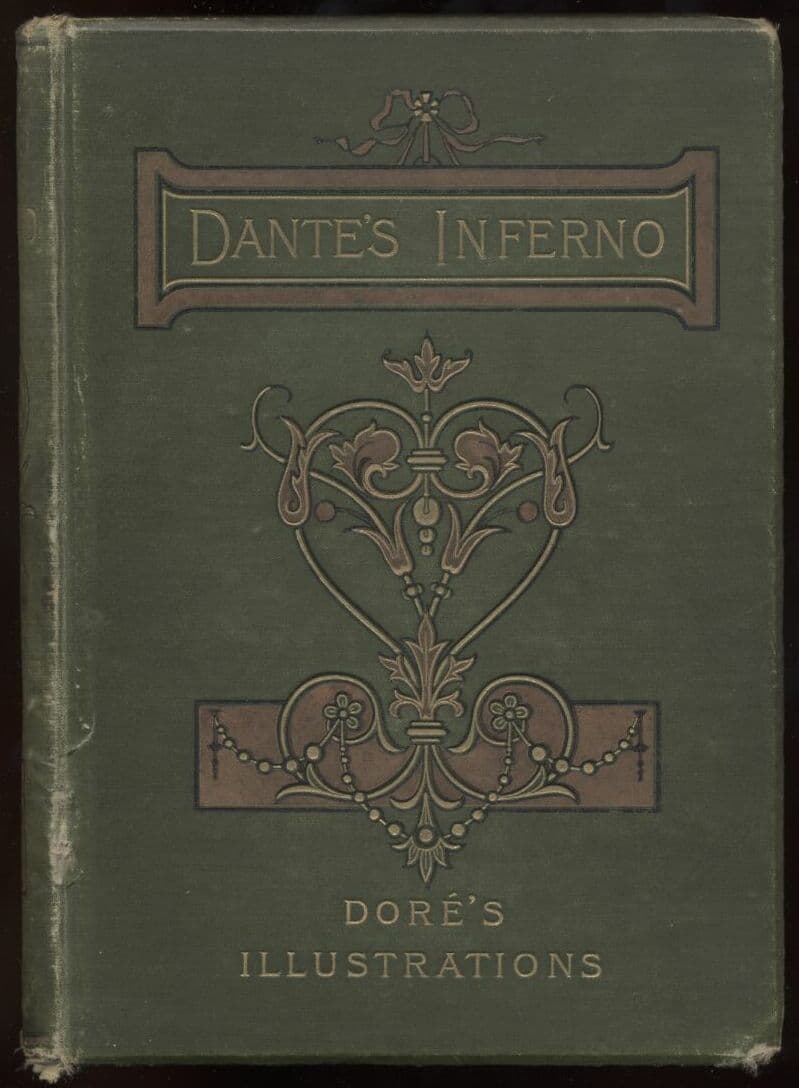
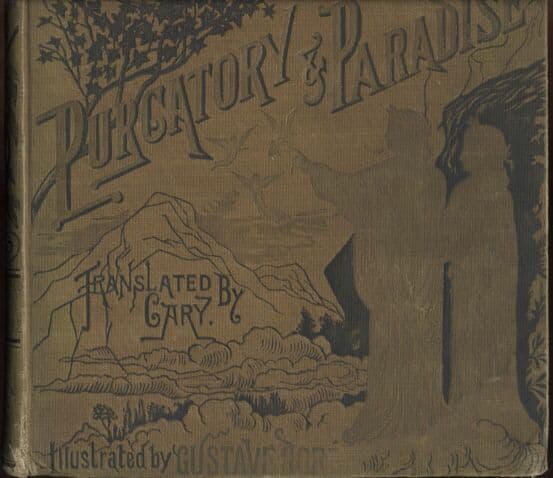
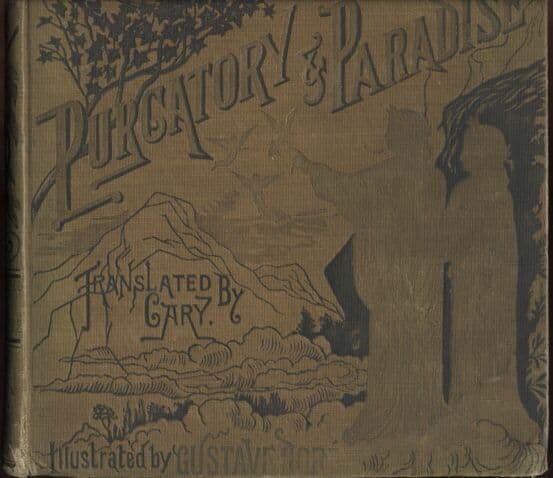
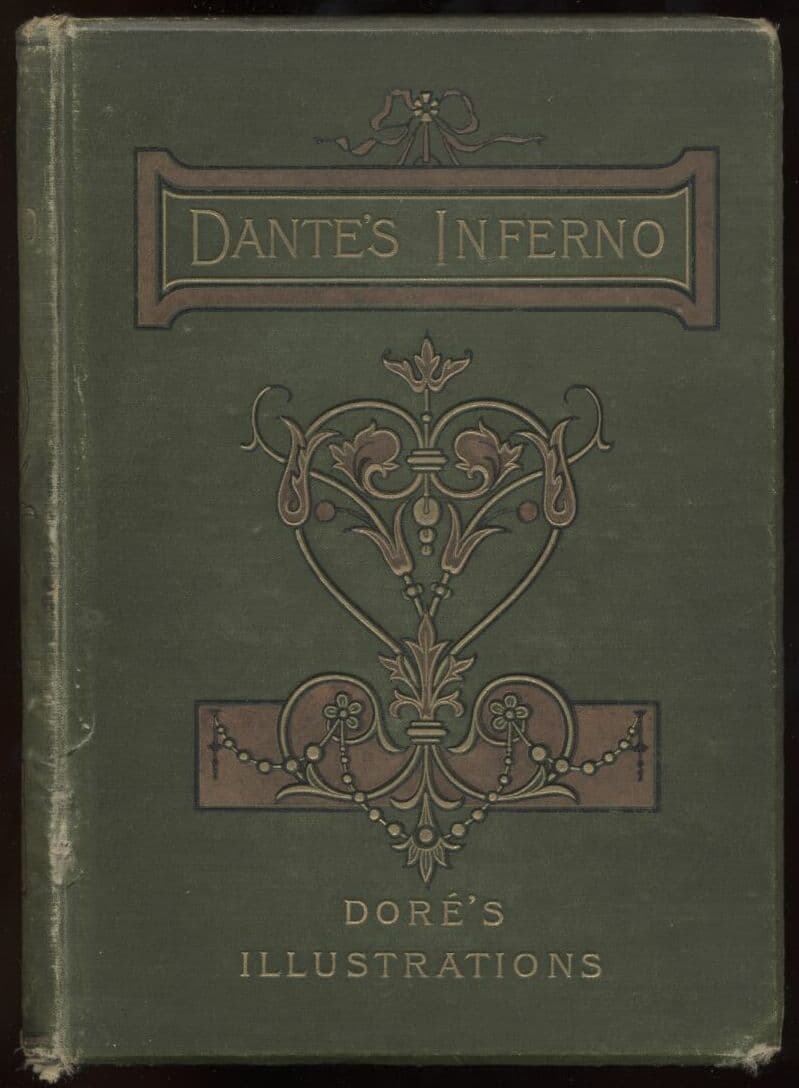
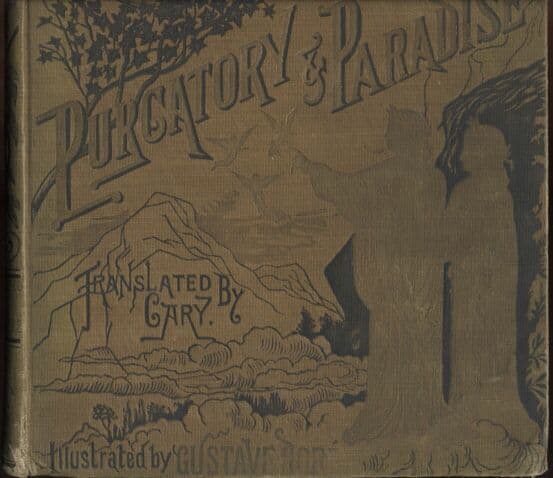
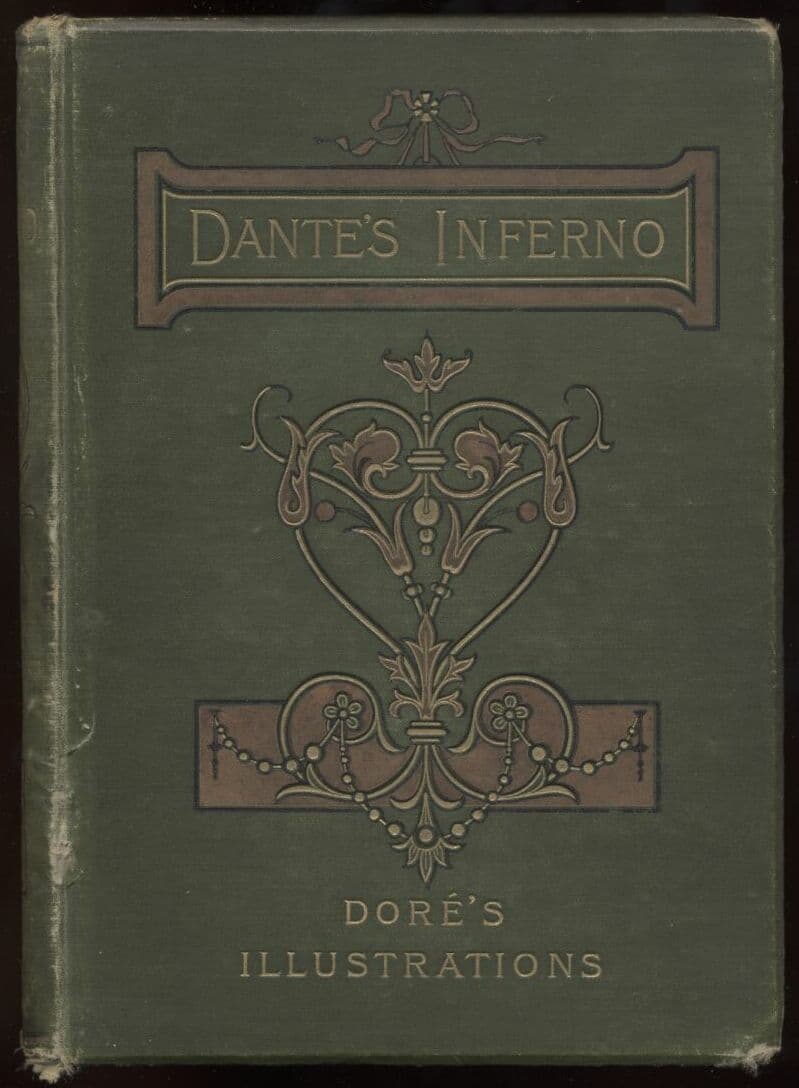
Divine Comedy, Longfellow's Translation, Paradise
1867
Divine Comedy, Longfellow's Translation, Paradise
1867
Translated by Henry Wadsworth Longfellow
The Paradiso is the luminous conclusion to Dante's cosmic poem, the place where all of creation converges upon its source. Having journeyed through Hell's torments and Purgatory's cleansing slopes, Dante now ascends through the celestial spheres guided by Beatrice, his lady, his inspiration, his theological instructor. Each heaven, from the Moon's trembling shades to Saturn's contemplative silence to the Fixed Stars' triumphal glory, holds souls whose positions reveal the precise justice of God's grace. But this is no cold theological exercise. Dante weeps at beauty. He marvels at order. He struggles to comprehend what his eyes see and his language cannot hold. The Paradiso reaches its climax in the Empyrean, where Aquinas and Bonaventure illuminate divine providence, and finally in the Beatific Vision: that impossible sight of God triune, the center of all love and light. Longfellow's 1867 translation captures terraces of medieval verse that Dante invented to make the ineffable sing. This is the record of one human soul reaching upward, and in the reaching, illuminating what it means to yearn.
Editions
X-Ray
“All hope abandon, ye who enter here.””
— Dante Alighieri
“The more a thing is perfect, the more it feels pleasure and pain.””
— Dante Alighieri
“L'amor che move il sole e l'altre stelle.””
— Dante Alighieri
“The devil is not as black as he is painted.””
— Dante Alighieri
“Through me you pass into the city of woe:Through me you pass into eternal pain:Through me among the people lost for aye.Justice the founder of my fabric moved:To rear me was the task of power divine,Supremest wisdom, and primeval love.Before me things create were none, save thingsEternal, and eternal I shall endure.All hope abandon, ye who enter here.””
— Dante Alighieri
“Consider your origin. You were not formed to live like brutes but to follow virtue and knowledge.””
— Dante Alighieri
“O human race, born to fly upward, wherefore at a little wind dost thou so fall?””
— Dante Alighieri
“Into the eternal darkness, into fire and into ice. ””
— Dante Alighieri
“The man who lies asleep will never waken fame, and his desire and all his life drift past him like a dream, and the traces of his memory fade from time like smoke in air, or ripples on a stream.””
— Dante Alighieri
Link to this book
Add a free, dofollow link to Lex on your blog, forum, syllabus, or reading list.

<a href="https://lex-books.com/book/divine-comedy-longfellow-s-translation-paradise-5b401913-0b86-48f9-a8e6-8281ff989377"><img src="https://lex-books.com/badges/read-on-lex.svg" alt="Read Divine Comedy, Longfellow's Translation, Paradise by Dante Alighieri free on Lex" width="160" height="40"></a>[](https://lex-books.com/book/divine-comedy-longfellow-s-translation-paradise-5b401913-0b86-48f9-a8e6-8281ff989377)[url=https://lex-books.com/book/divine-comedy-longfellow-s-translation-paradise-5b401913-0b86-48f9-a8e6-8281ff989377][img]https://lex-books.com/badges/read-on-lex.svg[/img][/url]Read Divine Comedy, Longfellow's Translation, Paradise by Dante Alighieri free on Lex: https://lex-books.com/book/divine-comedy-longfellow-s-translation-paradise-5b401913-0b86-48f9-a8e6-8281ff989377Cite this book
Reading this edition for a paper or guide? Copy a citation.
Alighieri, Dante. Divine Comedy, Longfellow's Translation, Paradise. Lex, lex-books.com/book/divine-comedy-longfellow-s-translation-paradise-5b401913-0b86-48f9-a8e6-8281ff989377.Alighieri, D. (1867). Divine Comedy, Longfellow's Translation, Paradise. Lex. https://lex-books.com/book/divine-comedy-longfellow-s-translation-paradise-5b401913-0b86-48f9-a8e6-8281ff989377Alighieri, Dante. Divine Comedy, Longfellow's Translation, Paradise. Lex. https://lex-books.com/book/divine-comedy-longfellow-s-translation-paradise-5b401913-0b86-48f9-a8e6-8281ff989377.