
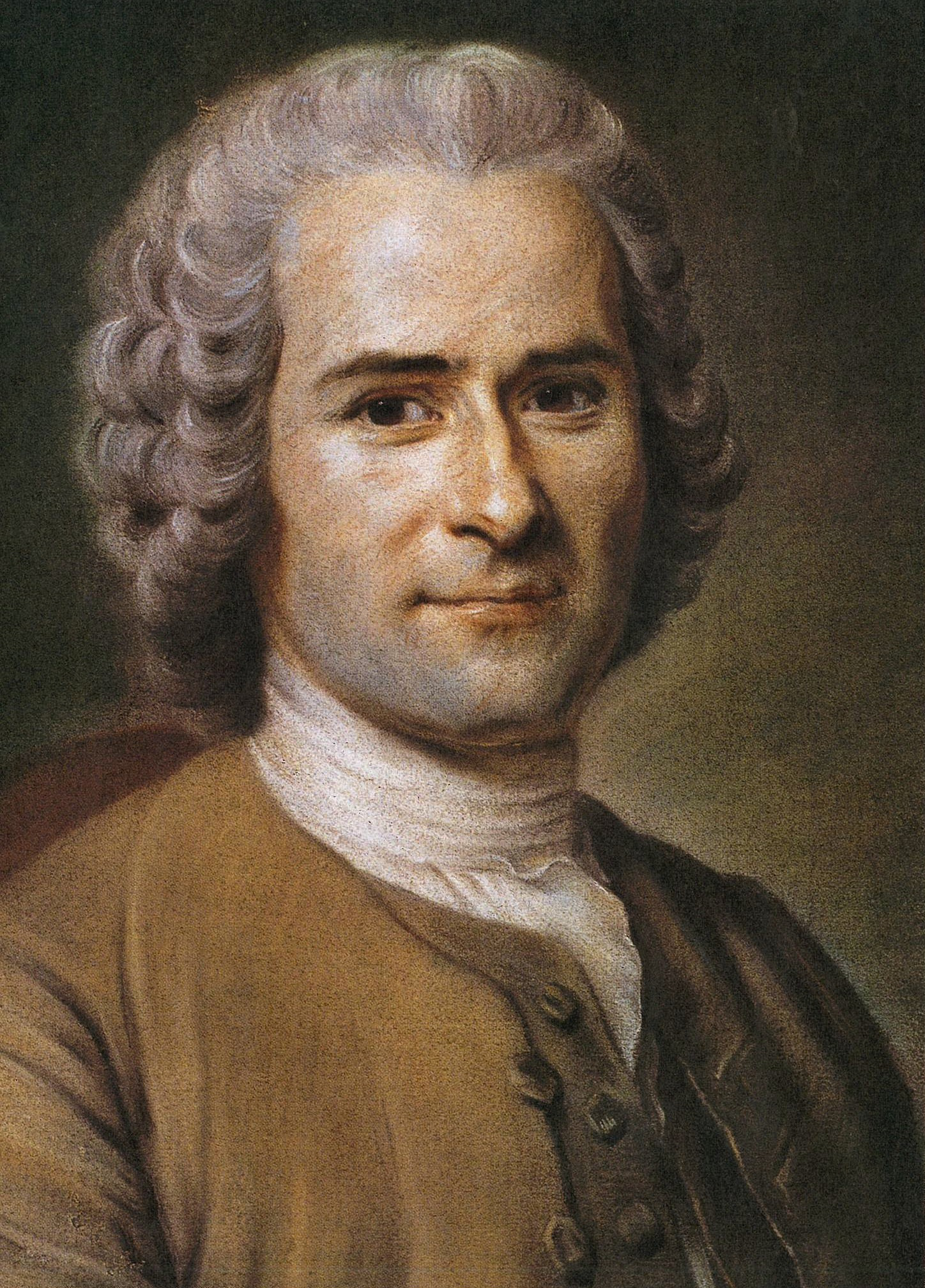
Michel de Montaigne
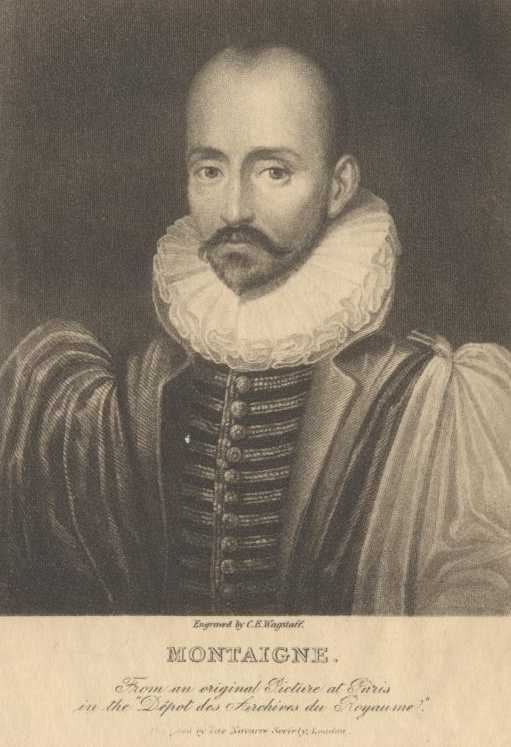
Michel de Montaigne was a pivotal figure in the French Renaissance, renowned for his profound contributions to philosophy and literature. He is best known for popularizing the essay as a distinct literary form, blending personal anecdotes with deep intellectual inquiry. His seminal work, 'Essais,' showcases a unique style that reflects his belief in the importance of self-exploration and critical thought. Montaigne's essays, characterized by their digressive nature and personal reflections, were initially met with criticism for their perceived lack of proper structure. However, they ultimately paved the way for future generations of writers and thinkers, influencing the development of modern literature and philosophy. Montaigne's legacy is marked by his exploration of skepticism, encapsulated in his famous phrase, 'Que sçay-je?' ('What do I know?'). This inquiry into the nature of knowledge and understanding resonated through the ages, establishing him as a precursor to Enlightenment thought. While he was primarily recognized as a statesman during his lifetime, his literary innovations have since earned him a place among the most significant philosophers in Western history, shaping the landscape of personal essay writing and reflective thought.
Famous Quotes
View all 19 quotes“The most certain sign of wisdom is cheerfulness. ””
“On the highest throne in the world, we still sit only on our own bottom.””
“The greatest thing in the world is to know how to belong to oneself.””
Books from the author























Link to this page
Add a free, dofollow link to Lex on your blog, forum, syllabus, or reading list.

<a href="https://lex-books.com/author/michel-de-montaigne"><img src="https://lex-books.com/badges/read-on-lex.svg" alt="Michel de Montaigne on Lex" width="160" height="40"></a>[](https://lex-books.com/author/michel-de-montaigne)[url=https://lex-books.com/author/michel-de-montaigne][img]https://lex-books.com/badges/read-on-lex.svg[/img][/url]Michel de Montaigne on Lex: https://lex-books.com/author/michel-de-montaigne