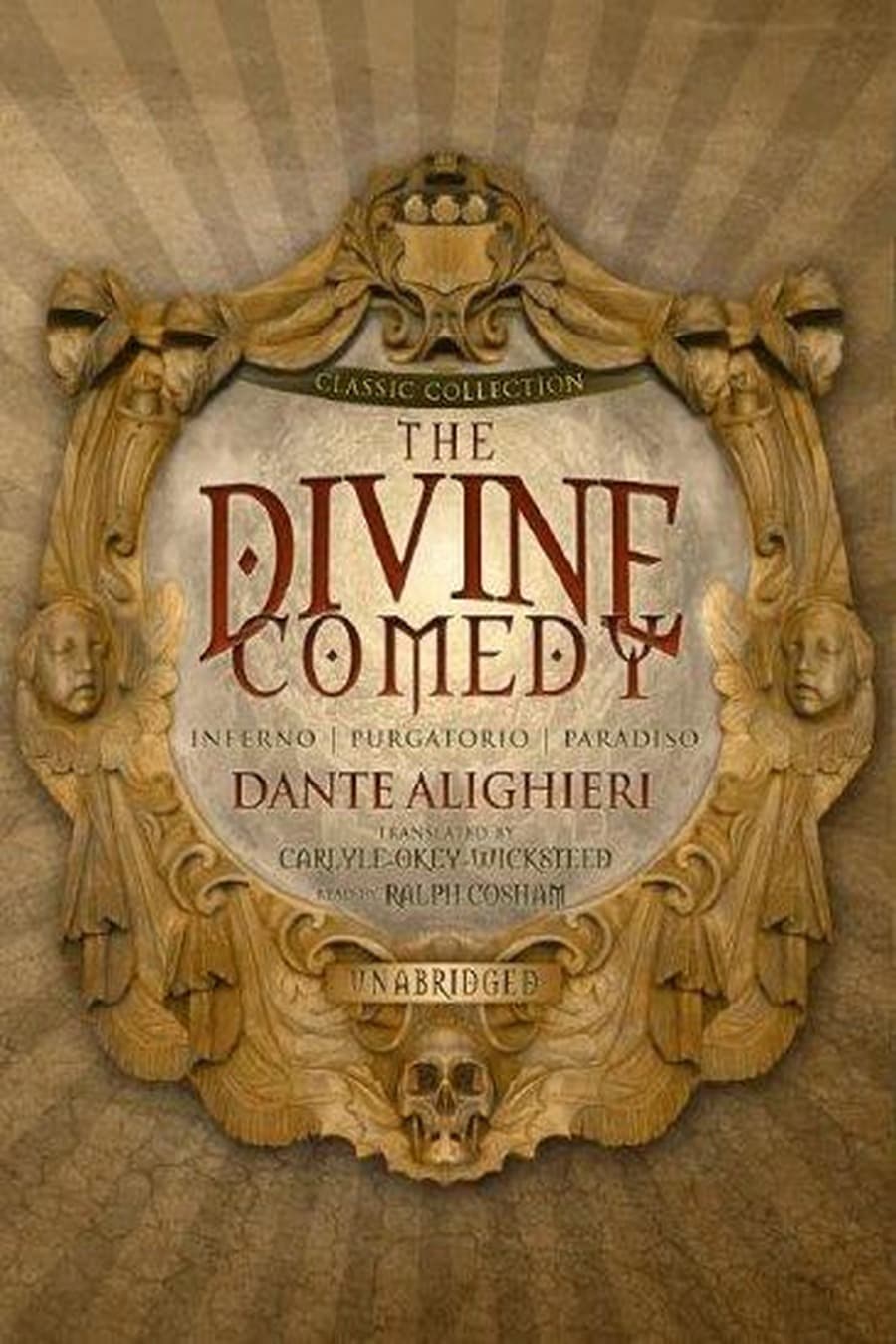
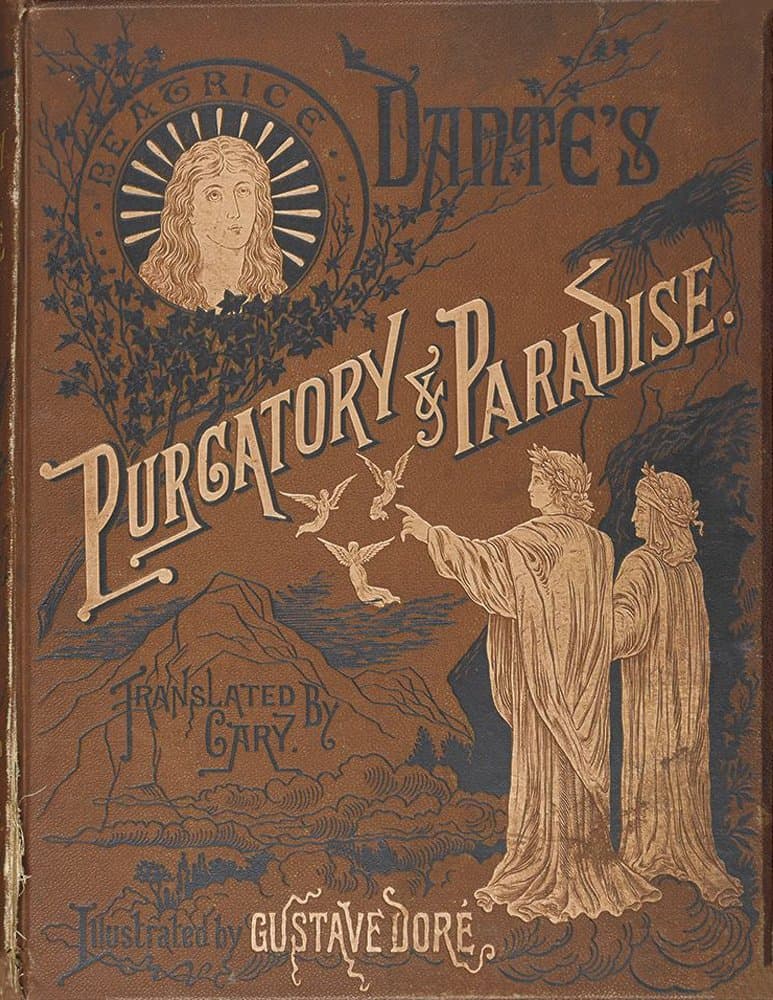
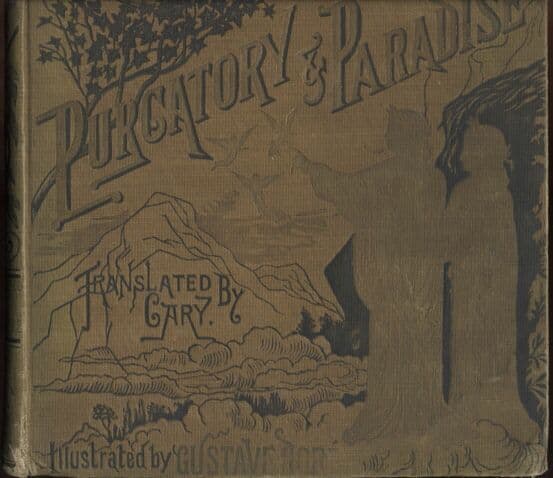
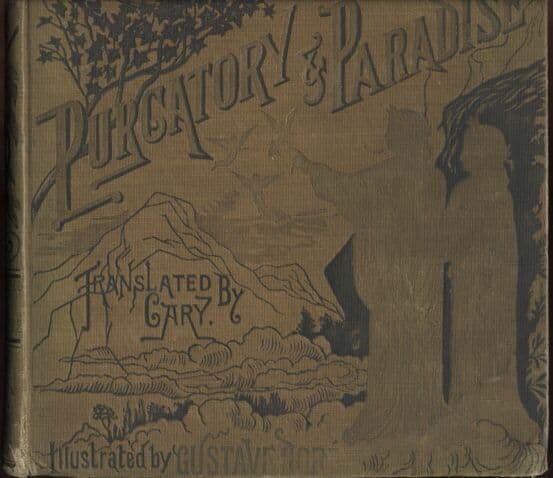
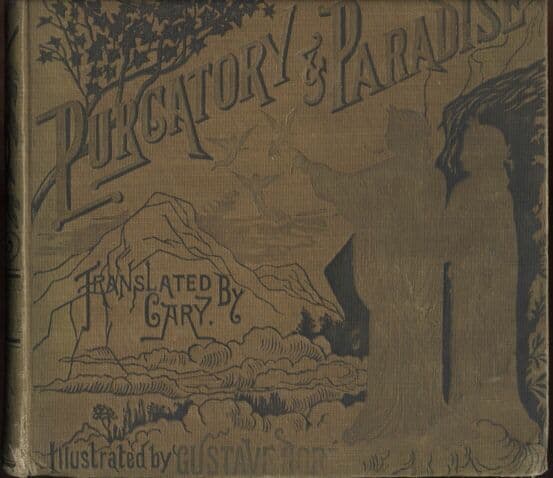
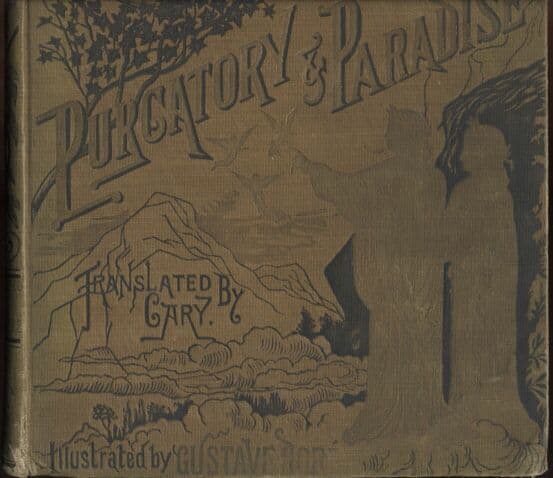
The Divine Comedy, Volume 1, Hell
1320
The Divine Comedy, Volume 1, Hell
1320
Translated by Charles Eliot Norton
Dante wrote this poem in exile, a political refugee looking back at Florence with fury and longing. The Inferno is his descent into the underworld, guided by the ghost of Virgil, and what he finds there is not mere horror but a precise, mathematical architecture of divine justice. Each circle of Hell punishes a specific sin with a punishment that mirrors the sin itself - the gluttonous walled in filth, the hoarders rolling boulders in eternal futility, the traitors frozen in a lake of ice. Dante populates his Hell with everyone from ancient philosophers to his own political enemies, making the journey intensely personal. This is not abstract theology. It is a man looking into the abyss and letting it look back. The Inferno endures because it asks what we owe to the dead, what we owe to the living, and whether understanding evil means being marked by it forever.
Editions

X-Ray
“Do not be afraid; our fateCannot be taken from us; it is a gift.””
— Dante Alighieri
“In the middle of the journey of our life I found myself within a dark woods where the straight way was lost.””
— Dante Alighieri
“Amor, ch'al cor gentile ratto s'apprendeprese costui de la bella personache mi fu tolta; e 'l modo ancor m'offende.Amor, che a nullo amato amar perdona,Mi prese del costui piacer sì forte,Che, come vedi, ancor non m'abbandona...""Love, which quickly arrests the gentle heart,Seized him with my beautiful formThat was taken from me, in a manner which still grieves me.Love, which pardons no beloved from loving,took me so strongly with delight in himThat, as you see, it still abandons me not...””
— Dante Alighieri
“There is no greater sorrow then to recall our times of joy in wretchedness.””
— Dante Alighieri
“They yearn for what they fear for.””
— Dante Alighieri
“Through me you go into a city of weeping; through me you go into eternal pain; through me you go amongst the lost people””
— Dante Alighieri
“From there we came outside and saw the stars””
— Dante Alighieri
“Because your question searches for deep meaning,I shall explain in simple words””
— Dante Alighieri
“But the stars that marked our starting fall away.We must go deeper into greater pain,for it is not permitted that we stay.””
— Dante Alighieri
Link to this book
Add a free, dofollow link to Lex on your blog, forum, syllabus, or reading list.

<a href="https://lex-books.com/book/the-divine-comedy-volume-1-hell-cd31ba91-5dc9-4f2f-8e59-87177013782e"><img src="https://lex-books.com/badges/read-on-lex.svg" alt="Read The Divine Comedy, Volume 1, Hell by Dante Alighieri free on Lex" width="160" height="40"></a>[](https://lex-books.com/book/the-divine-comedy-volume-1-hell-cd31ba91-5dc9-4f2f-8e59-87177013782e)[url=https://lex-books.com/book/the-divine-comedy-volume-1-hell-cd31ba91-5dc9-4f2f-8e59-87177013782e][img]https://lex-books.com/badges/read-on-lex.svg[/img][/url]Read The Divine Comedy, Volume 1, Hell by Dante Alighieri free on Lex: https://lex-books.com/book/the-divine-comedy-volume-1-hell-cd31ba91-5dc9-4f2f-8e59-87177013782eCite this book
Reading this edition for a paper or guide? Copy a citation.
Alighieri, Dante. The Divine Comedy, Volume 1, Hell. Lex, lex-books.com/book/the-divine-comedy-volume-1-hell-cd31ba91-5dc9-4f2f-8e59-87177013782e.Alighieri, D. (1320). The Divine Comedy, Volume 1, Hell. Lex. https://lex-books.com/book/the-divine-comedy-volume-1-hell-cd31ba91-5dc9-4f2f-8e59-87177013782eAlighieri, Dante. The Divine Comedy, Volume 1, Hell. Lex. https://lex-books.com/book/the-divine-comedy-volume-1-hell-cd31ba91-5dc9-4f2f-8e59-87177013782e.