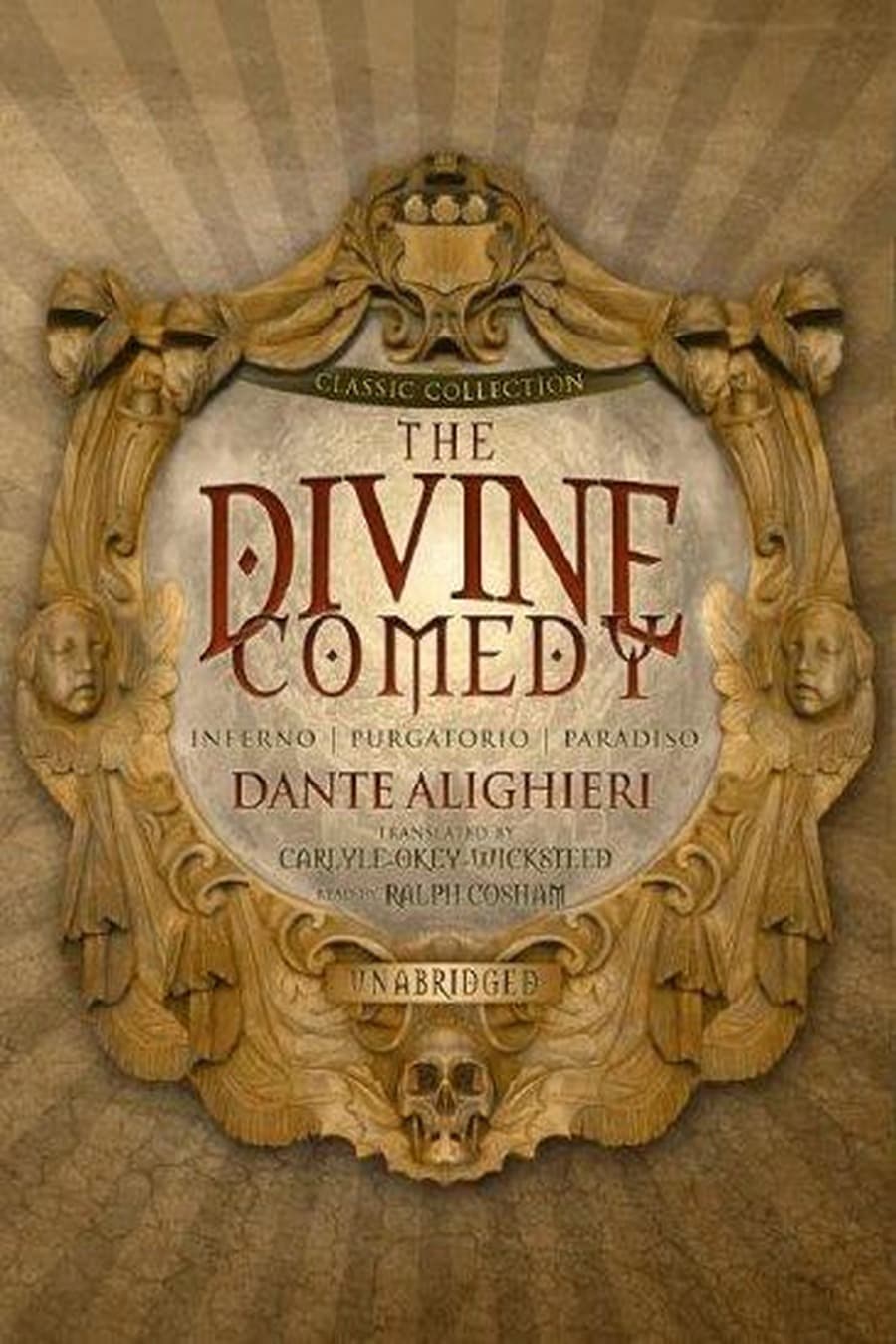
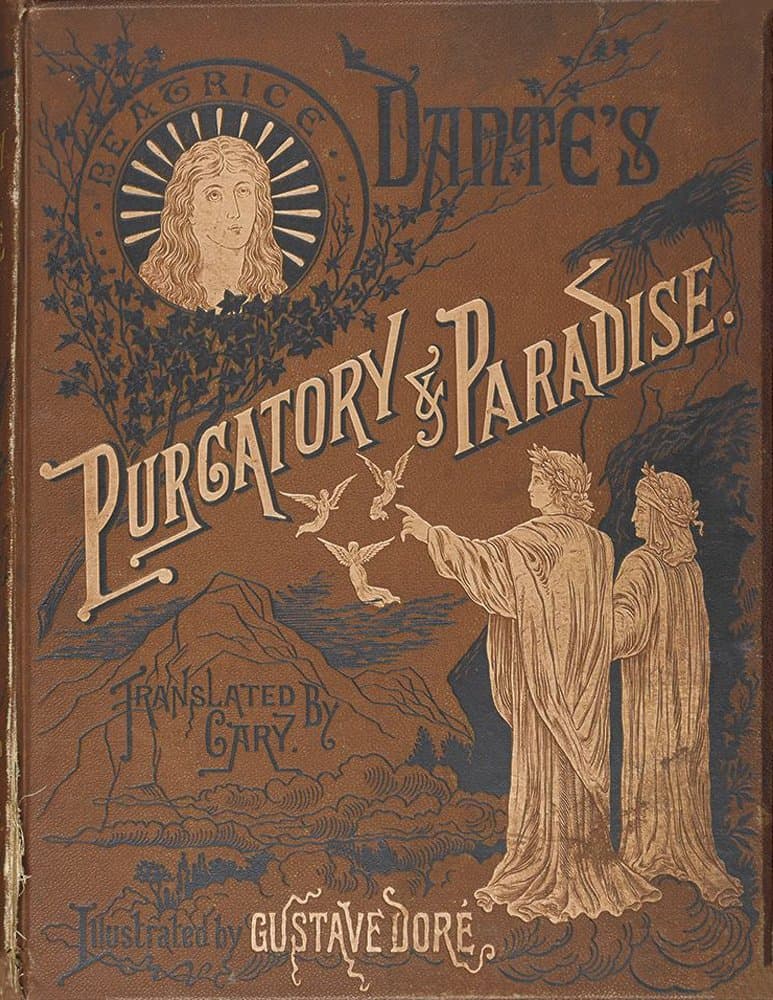
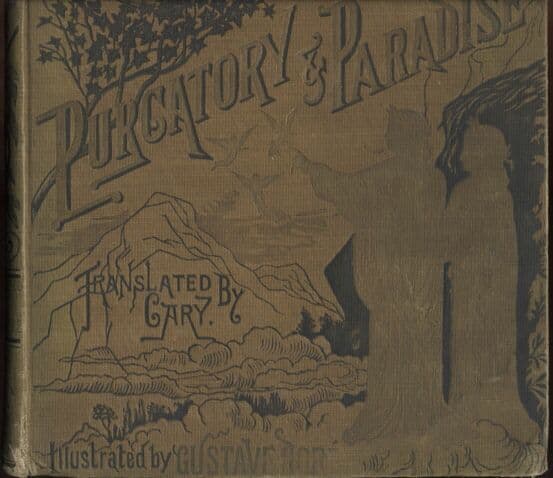
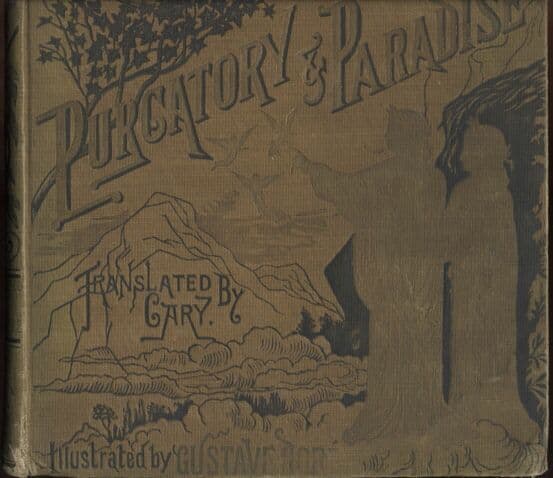
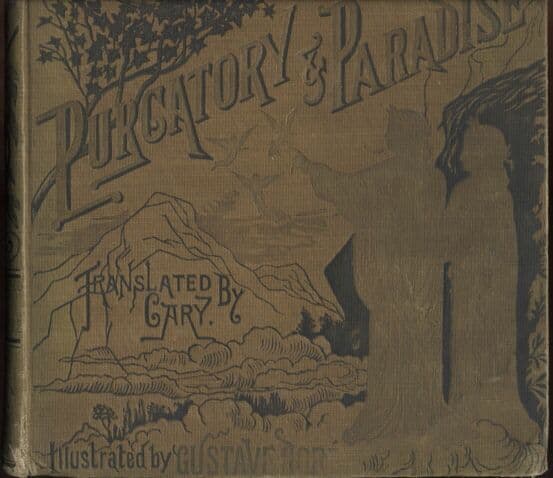
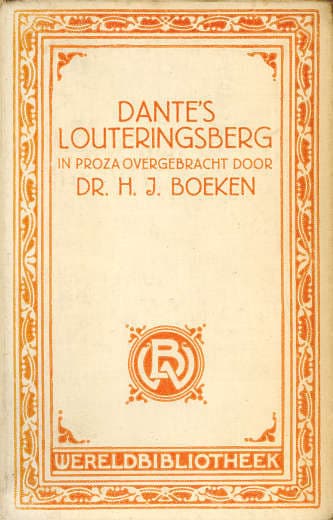
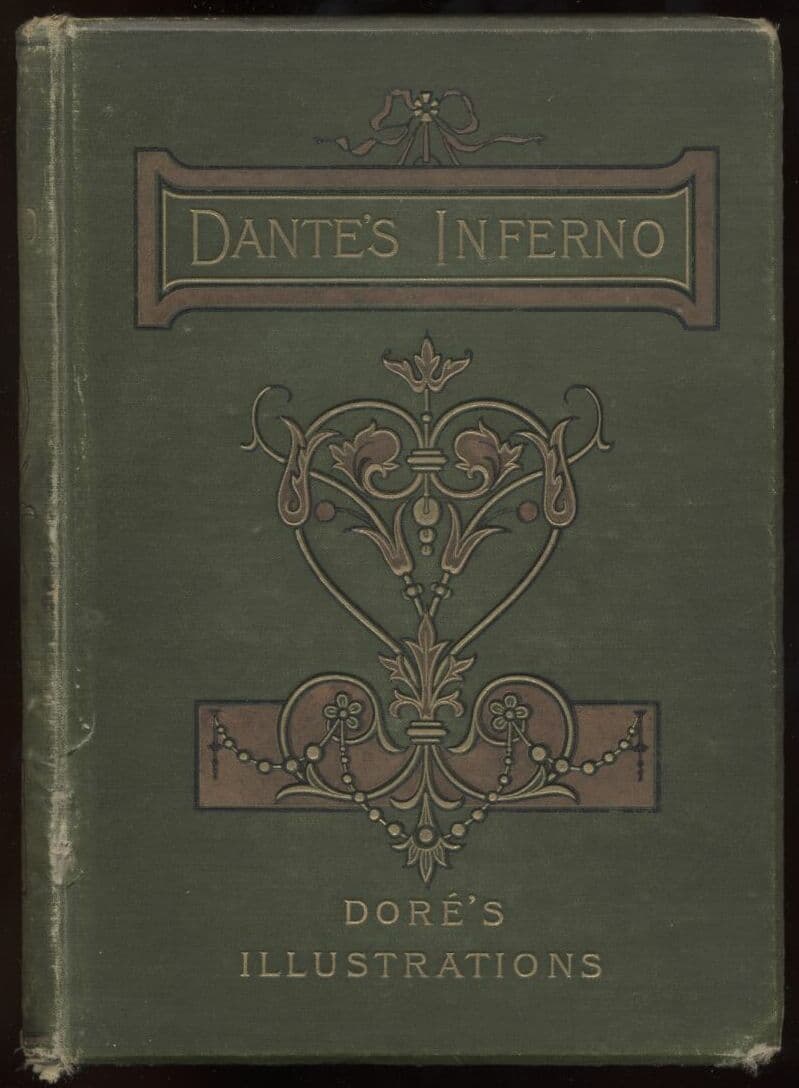
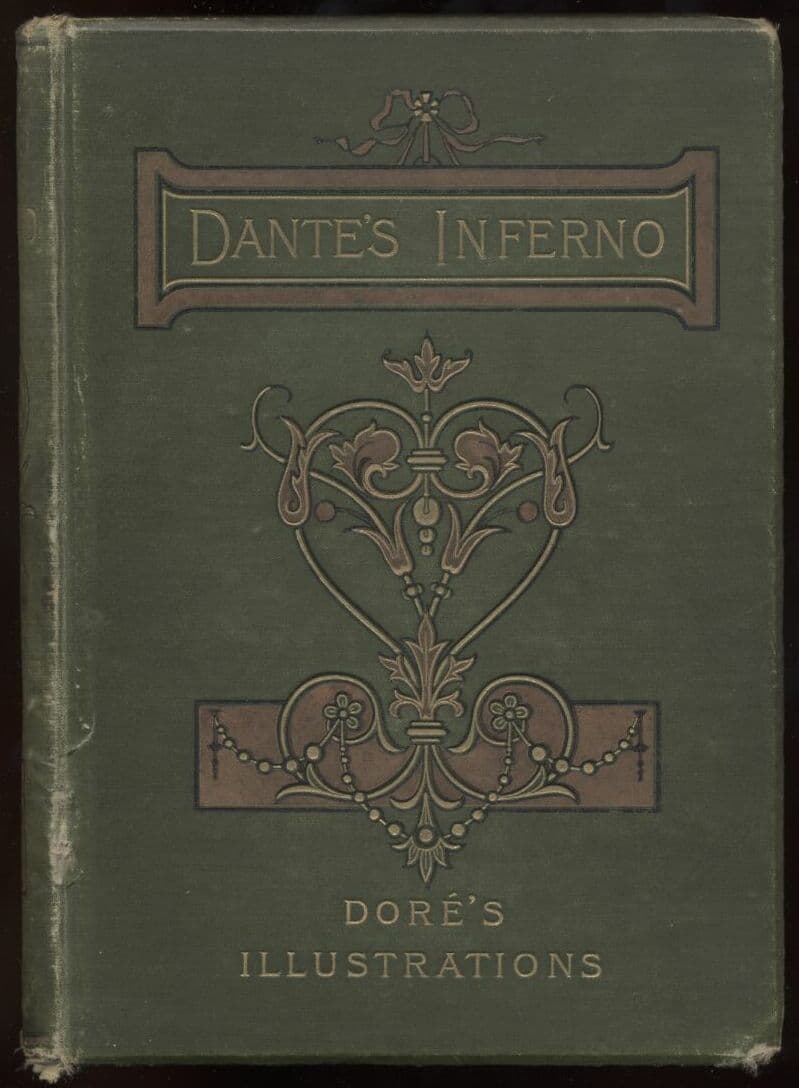
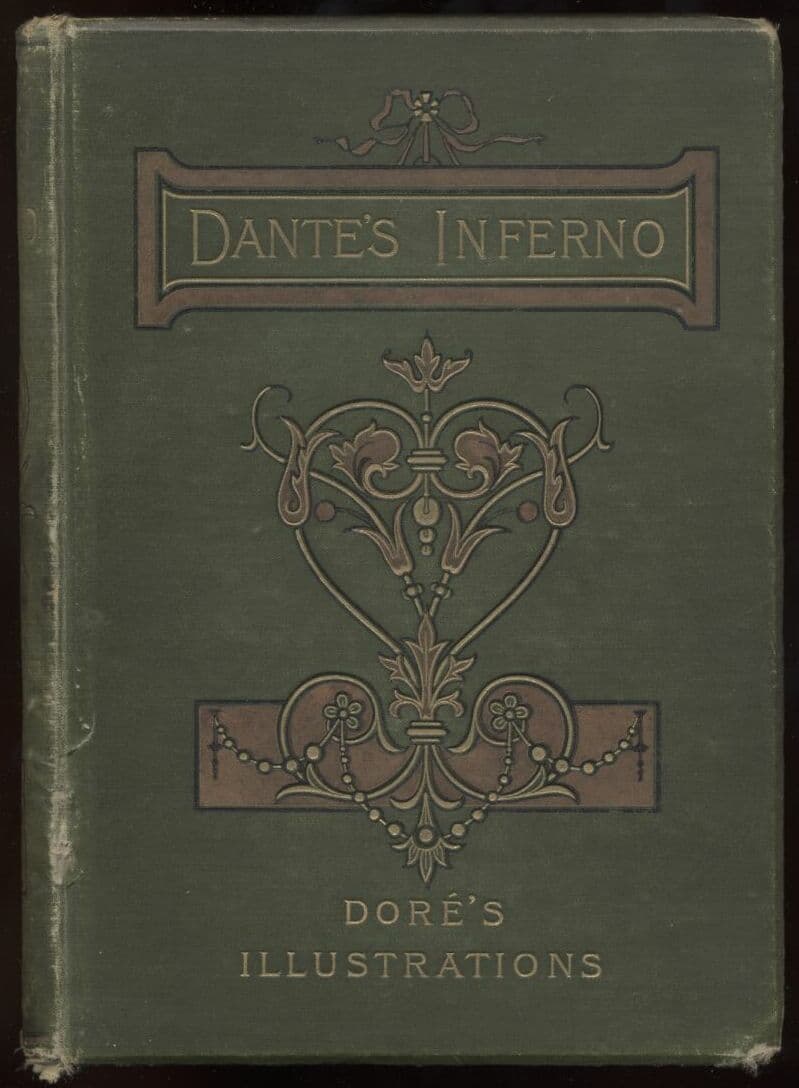
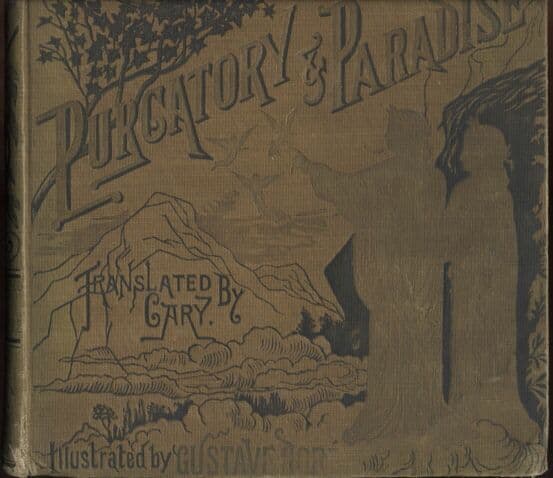
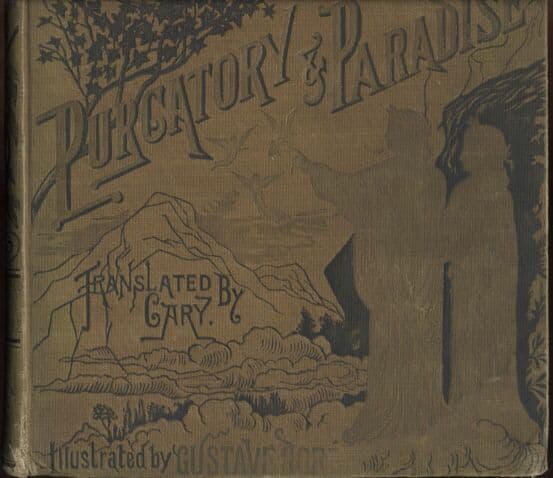
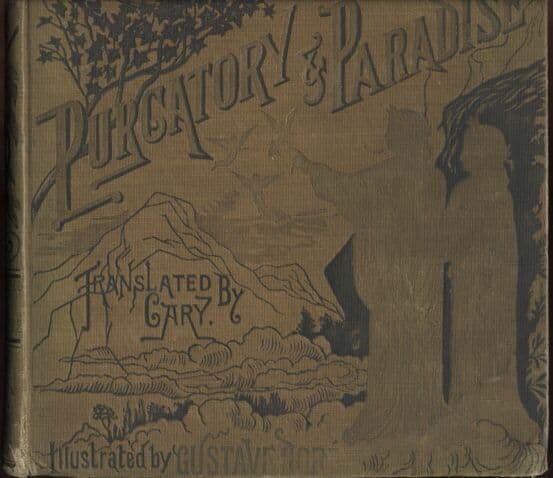
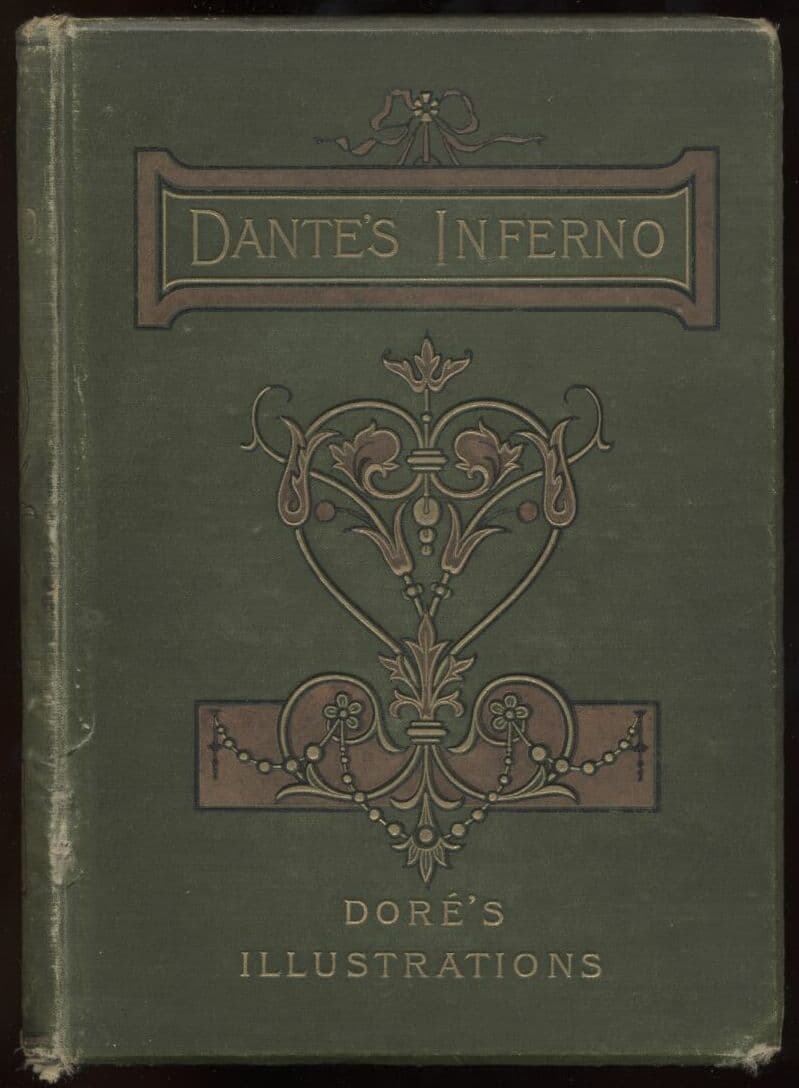
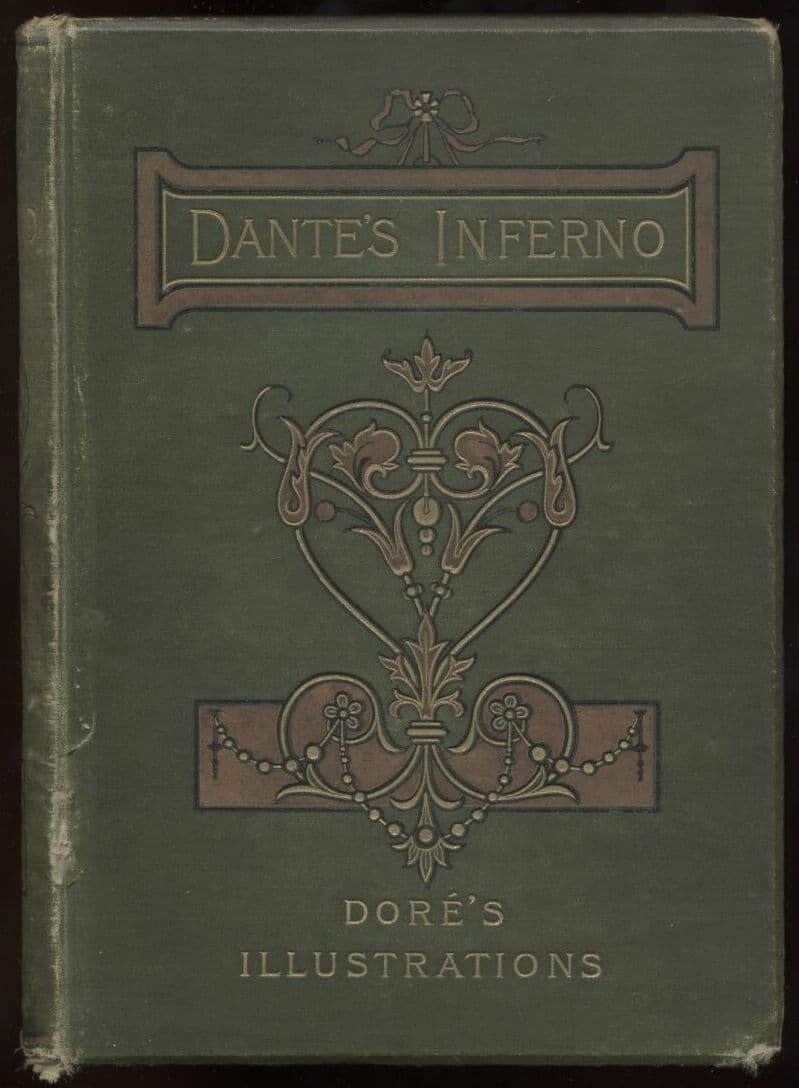
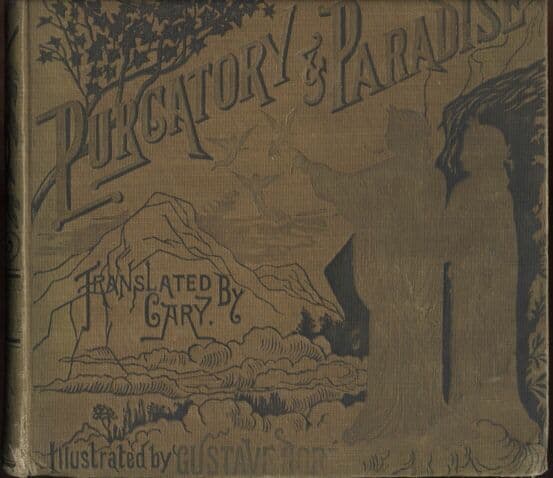
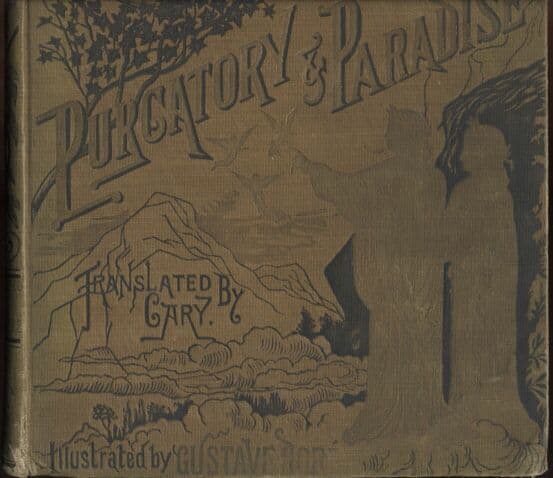
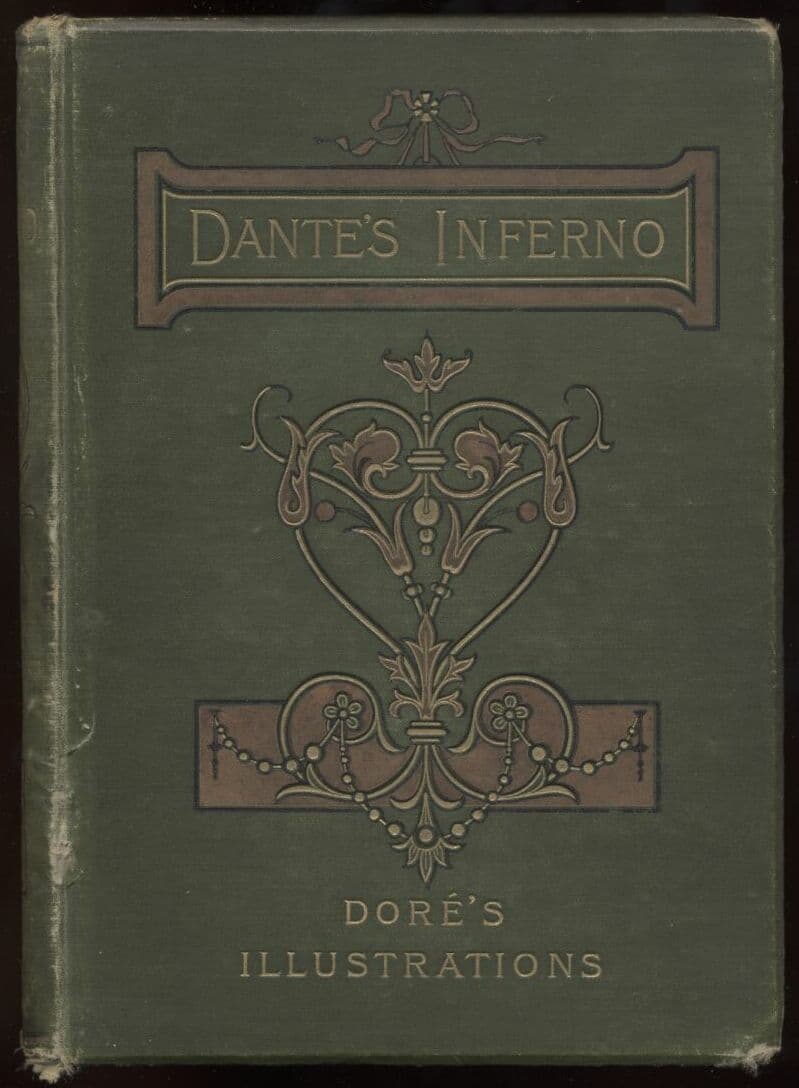
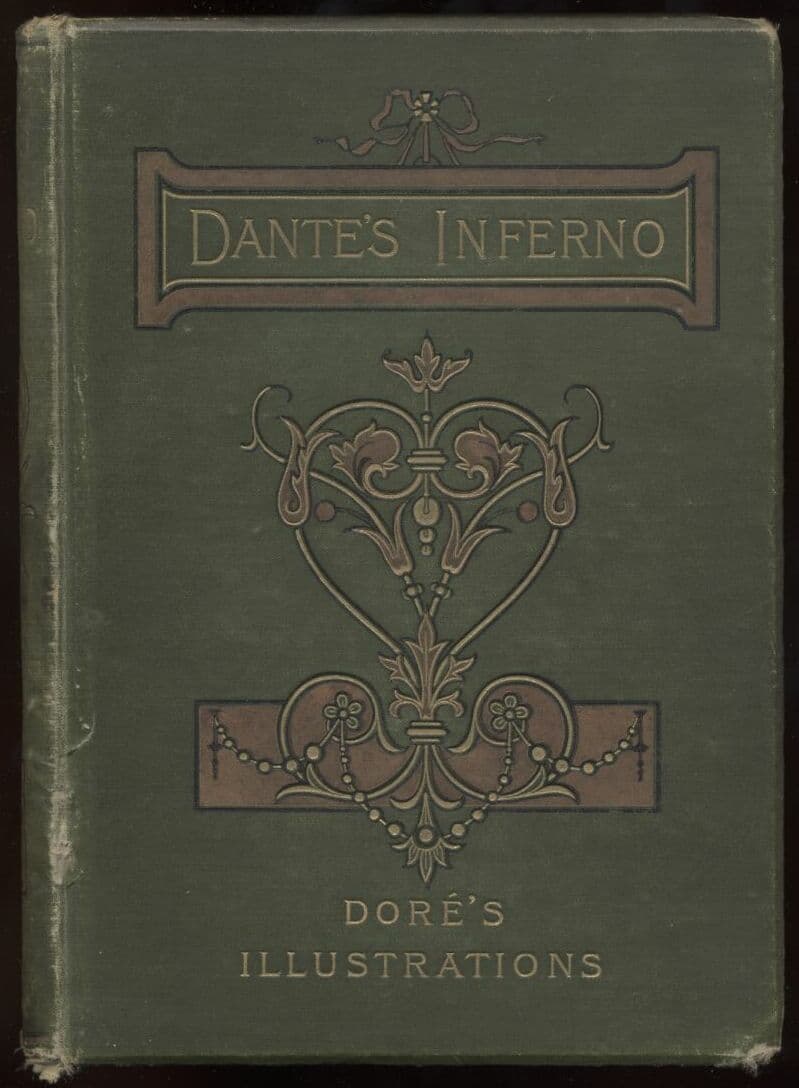
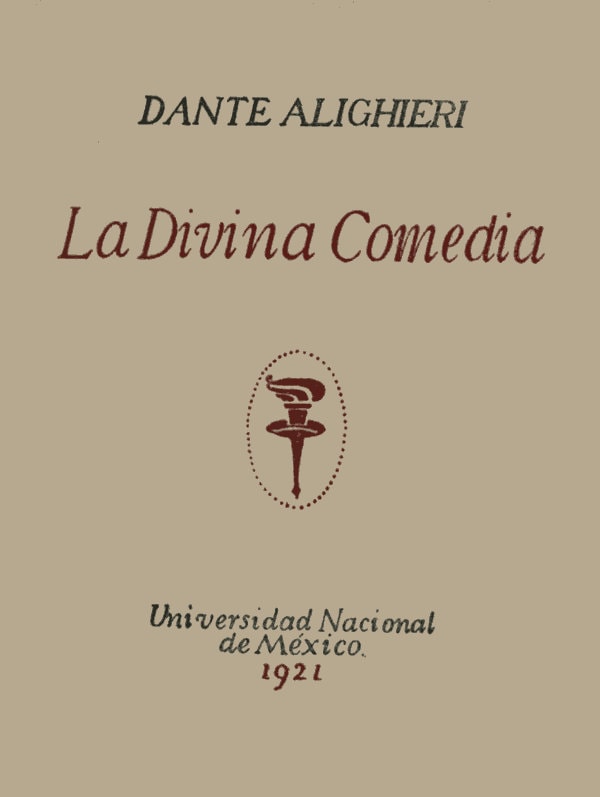
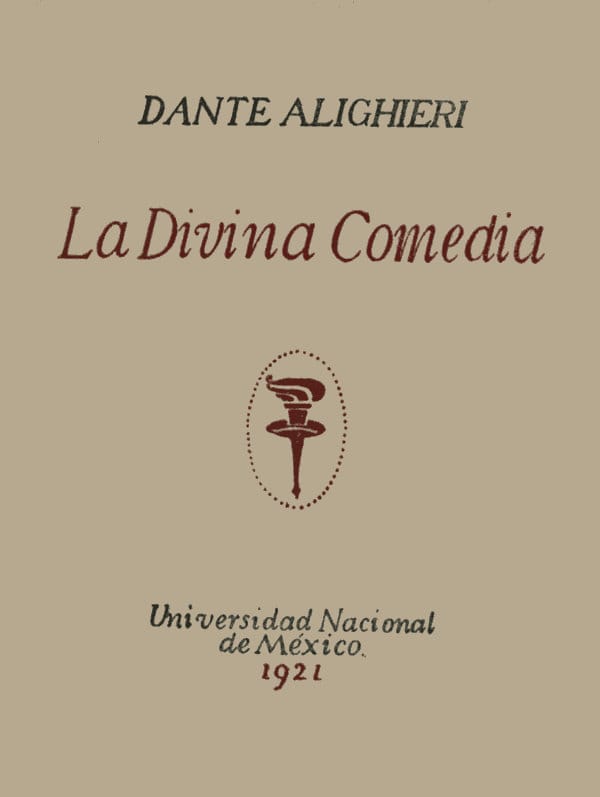
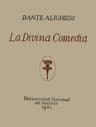
La Divina Comedia
1920
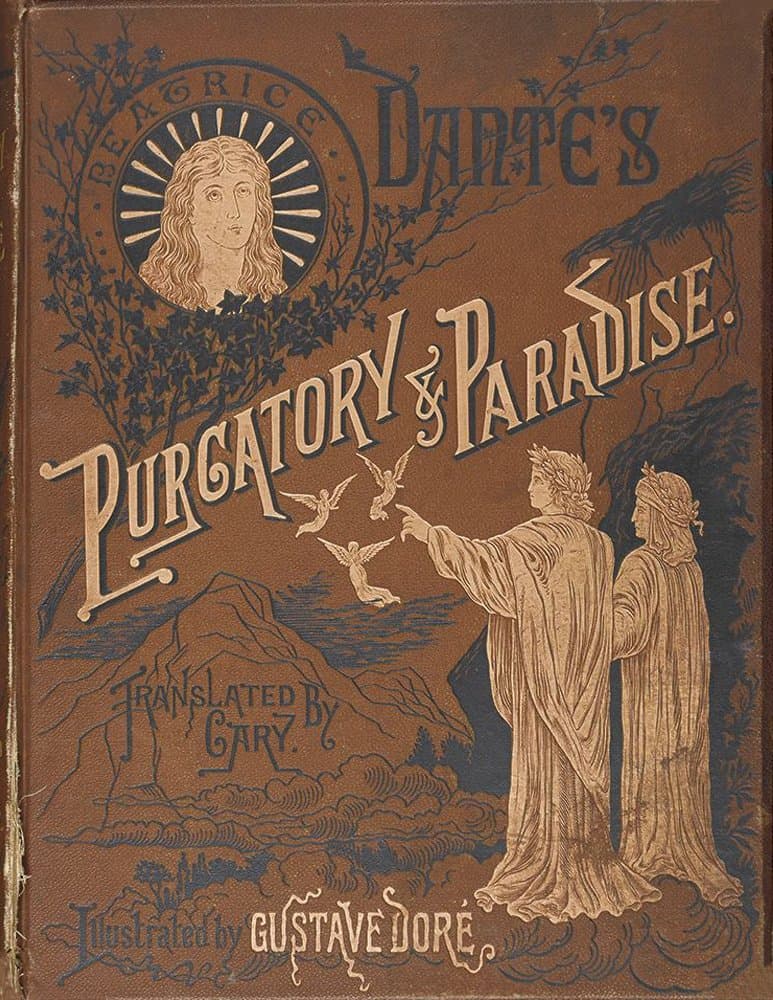
Dante's Divine Comedy is the most influential work of Western literature you've never finished - a journey through the afterlife that maps the entire moral universe. Written in exile from his beloved Florence, Dante embarks on a cosmic voyage beginning in a dark forest on Good Friday, 1300, guided first by the Roman poet Virgil through Hell and Purgatory, then by his lost love Beatrice through Paradise. What begins as a terrifying descent through circles of sin, where traitors freeze in ice and gluttons wallow in filth, becomes an ascent through purification toward blinding divine light. Every soul encountered - from historical emperors to mythological heroes, from corrupt popes to Dante's own political enemies - is frozen in eternal consequence, their punishments precisely fitted to their earthly transgressions. The poem operates on countless levels: personal allegory of a soul finding its way back to God, political screed against Dante's enemies, theologicalSumma in verse, and love letter to a woman he barely knew. Eight centuries later, it remains the key by which the West has tried to unlock the mystery of its own identity. This is for anyone who wants to understand how a medieval Florentine exile imagined eternity - and why his vision still haunts us.
Editions
X-Ray
“All hope abandon, ye who enter here.””
— Dante Alighieri
“The more a thing is perfect, the more it feels pleasure and pain.””
— Dante Alighieri
“L'amor che move il sole e l'altre stelle.””
— Dante Alighieri
“The devil is not as black as he is painted.””
— Dante Alighieri
“Through me you pass into the city of woe:Through me you pass into eternal pain:Through me among the people lost for aye.Justice the founder of my fabric moved:To rear me was the task of power divine,Supremest wisdom, and primeval love.Before me things create were none, save thingsEternal, and eternal I shall endure.All hope abandon, ye who enter here.””
— Dante Alighieri
“Consider your origin. You were not formed to live like brutes but to follow virtue and knowledge.””
— Dante Alighieri
“O human race, born to fly upward, wherefore at a little wind dost thou so fall?””
— Dante Alighieri
“Into the eternal darkness, into fire and into ice. ””
— Dante Alighieri
“The man who lies asleep will never waken fame, and his desire and all his life drift past him like a dream, and the traces of his memory fade from time like smoke in air, or ripples on a stream.””
— Dante Alighieri
Link to this book
Add a free, dofollow link to Lex on your blog, forum, syllabus, or reading list.

<a href="https://lex-books.com/book/la-divina-comedia-d7823406-a988-484e-9893-181bb414426c"><img src="https://lex-books.com/badges/read-on-lex.svg" alt="Read La Divina Comedia by Dante Alighieri free on Lex" width="160" height="40"></a>[](https://lex-books.com/book/la-divina-comedia-d7823406-a988-484e-9893-181bb414426c)[url=https://lex-books.com/book/la-divina-comedia-d7823406-a988-484e-9893-181bb414426c][img]https://lex-books.com/badges/read-on-lex.svg[/img][/url]Read La Divina Comedia by Dante Alighieri free on Lex: https://lex-books.com/book/la-divina-comedia-d7823406-a988-484e-9893-181bb414426cCite this book
Reading this edition for a paper or guide? Copy a citation.
Alighieri, Dante. La Divina Comedia. Lex, lex-books.com/book/la-divina-comedia-d7823406-a988-484e-9893-181bb414426c.Alighieri, D. (1920). La Divina Comedia. Lex. https://lex-books.com/book/la-divina-comedia-d7823406-a988-484e-9893-181bb414426cAlighieri, Dante. La Divina Comedia. Lex. https://lex-books.com/book/la-divina-comedia-d7823406-a988-484e-9893-181bb414426c.