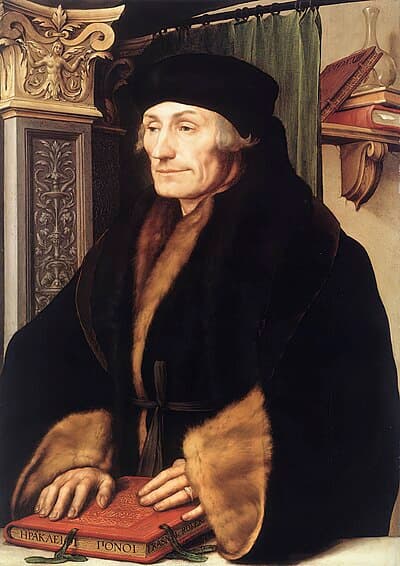
Desiderius Erasmus
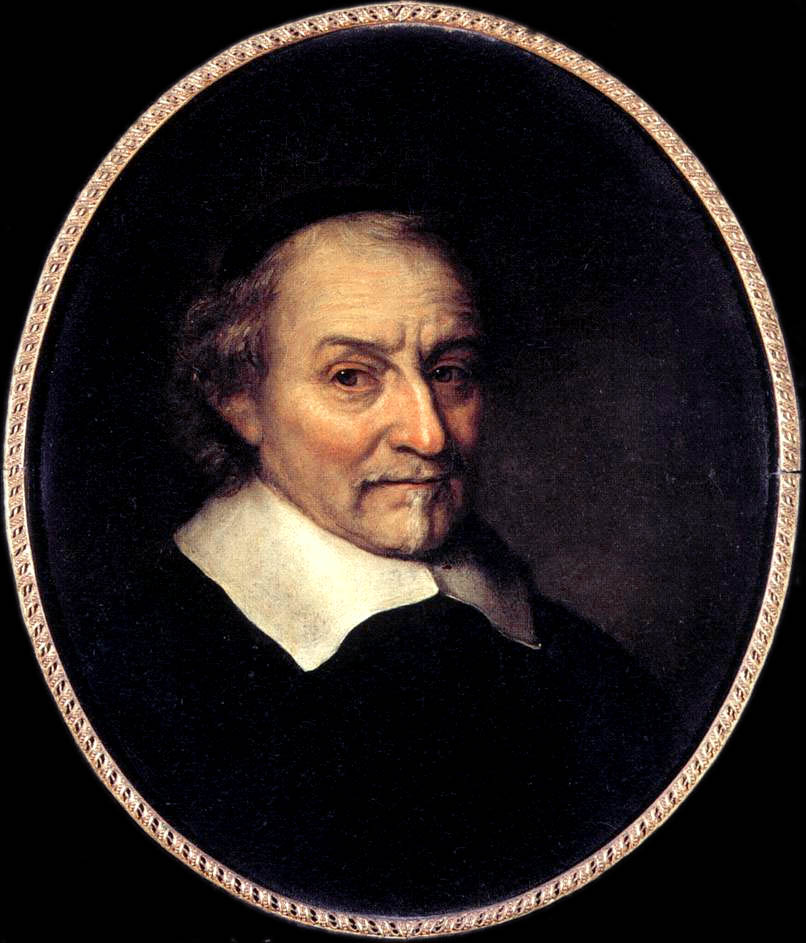
Desiderius Erasmus was a Dutch humanist, theologian, and philosopher who emerged as one of the most significant scholars of the Northern Renaissance. Renowned for his spontaneous and natural Latin style, Erasmus made substantial contributions to classical scholarship, notably through his pioneering editions of the New Testament and the Church Fathers, which included annotations and commentary that had a profound impact on both the Protestant and Catholic Reformations. His notable works, such as 'The Praise of Folly,' 'On Free Will,' and 'Handbook of a Christian Knight,' reflect his commitment to humanist principles and his advocacy for a more thoughtful and tolerant Christianity. Erasmus lived during a time of significant religious upheaval in Europe, and he sought to reform the Catholic Church from within, promoting a theology that emphasized peace and pastoral tolerance. His middle-ground approach, however, often frustrated reformers like Martin Luther and John Calvin, who favored more radical changes. Despite this, Erasmus remained a pivotal figure in the development of Christian humanism and his legacy endures in the fields of theology, literature, and education, influencing generations of thinkers and writers who followed him.
Famous Quotes
View all 19 quotes“When I have a little money, I buy books; and if I have any left, I buy food and clothes.””
“Your library is your paradise.””
“In the land of the blind, the one-eyed man is king.””
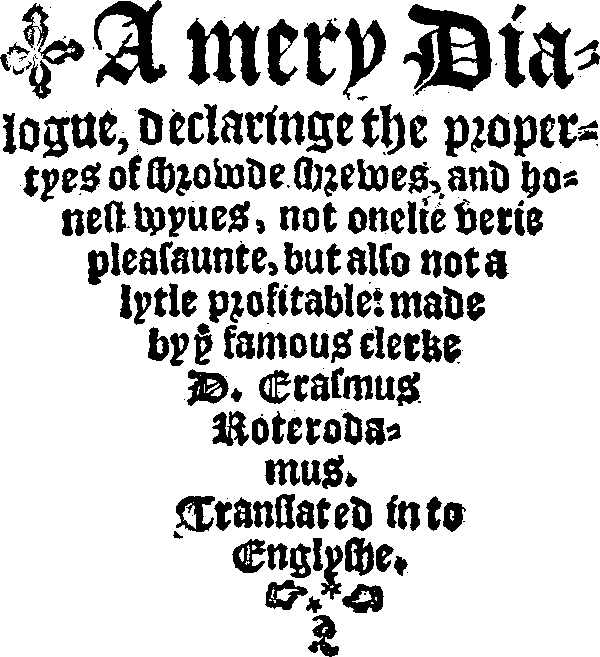
Books from the author
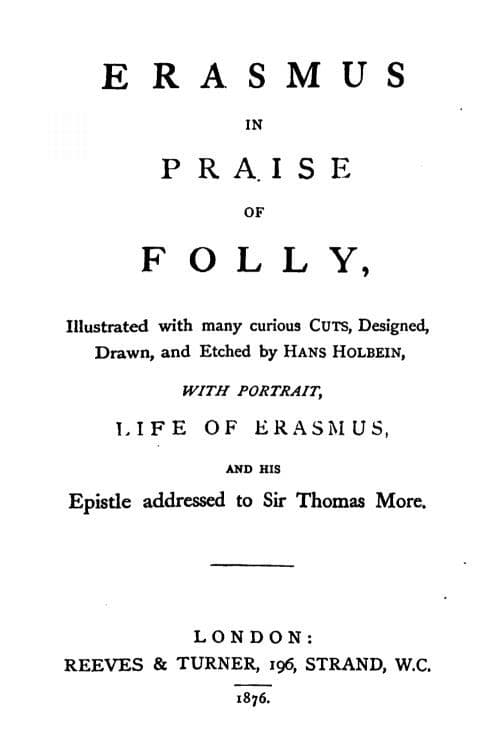

![Two Dyaloges (c. 1549): Wrytten in Laten by the Famous Clerke, D. Erasm[US] of Roterodame, One Called Polyphemus or the Gospeller, the Other Dysposyng of Thynges and Names, Translated in to Englyshe by Edmonde Becke.](/_next/image?url=https%3A%2F%2Fd3b2n8gj62qnwr.cloudfront.net%2FCOVERS%2Fgutenberg_covers75k%2Febook-14500.png&w=3840&q=75)










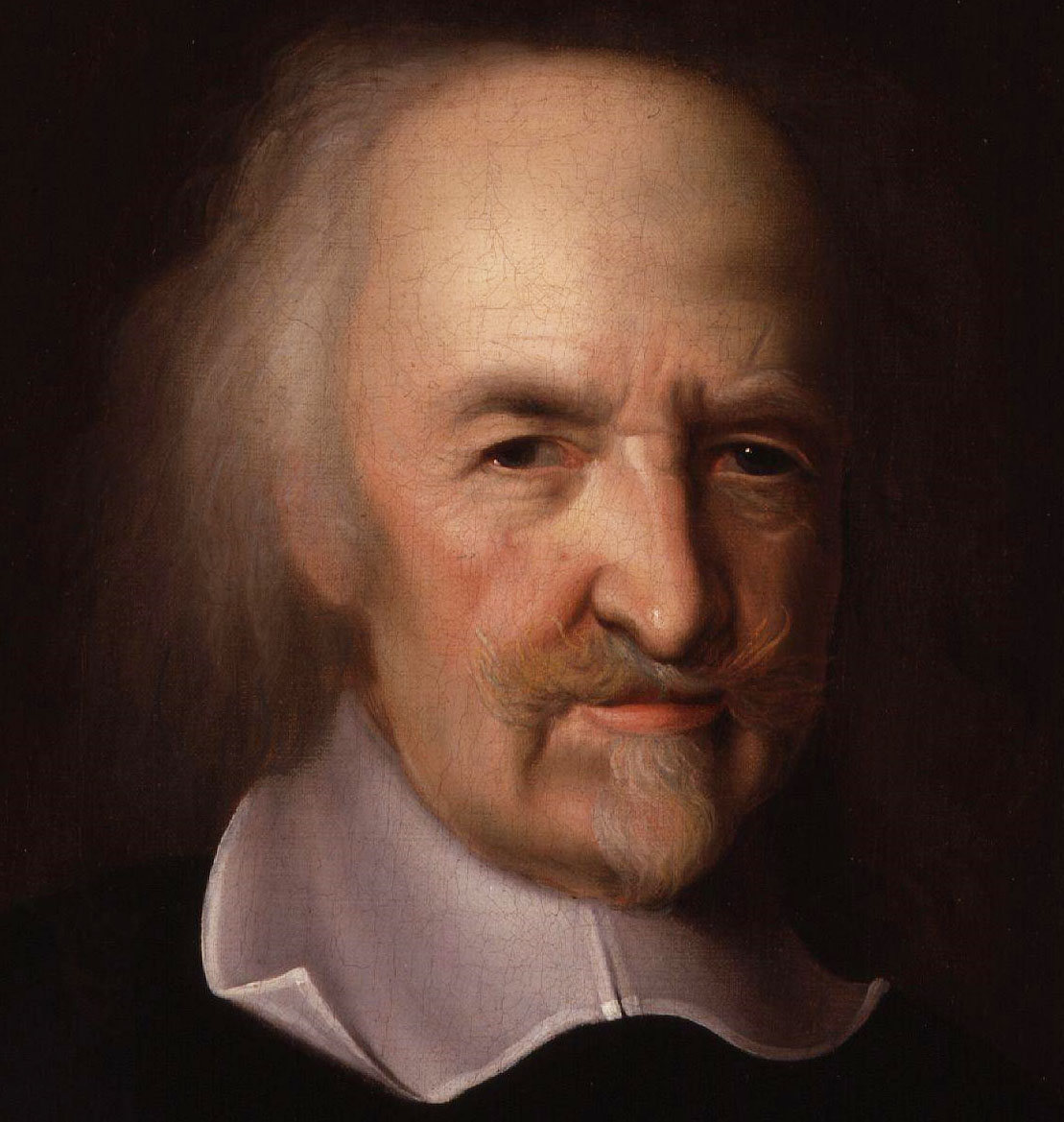
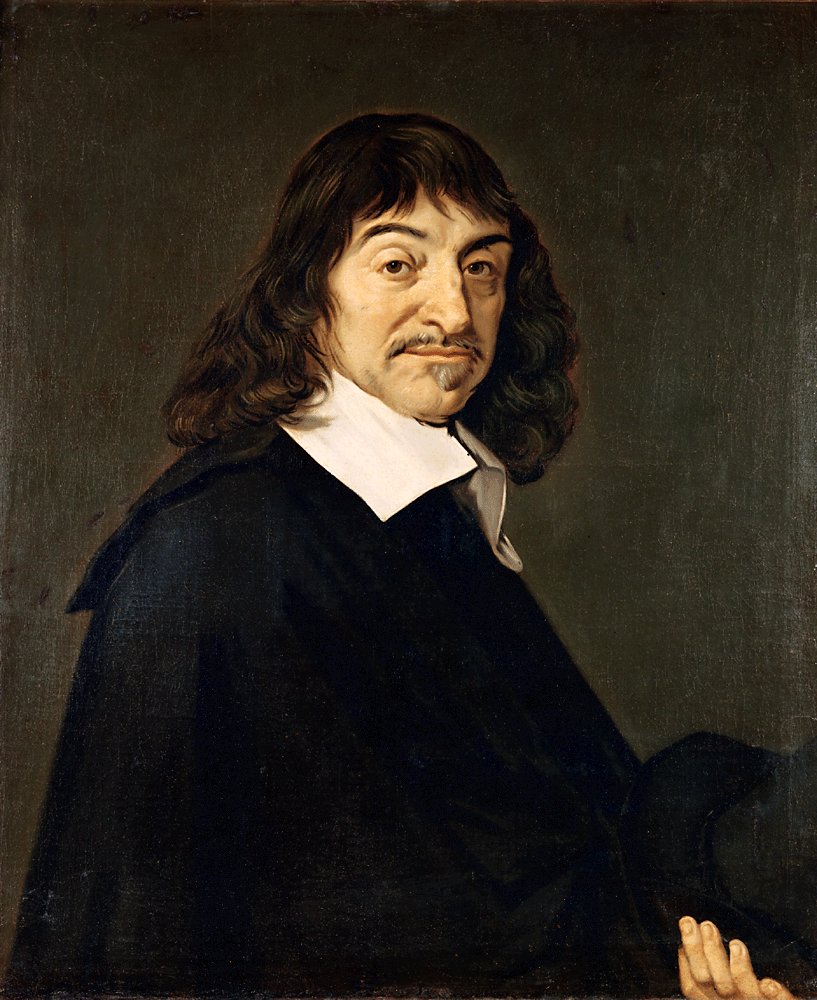
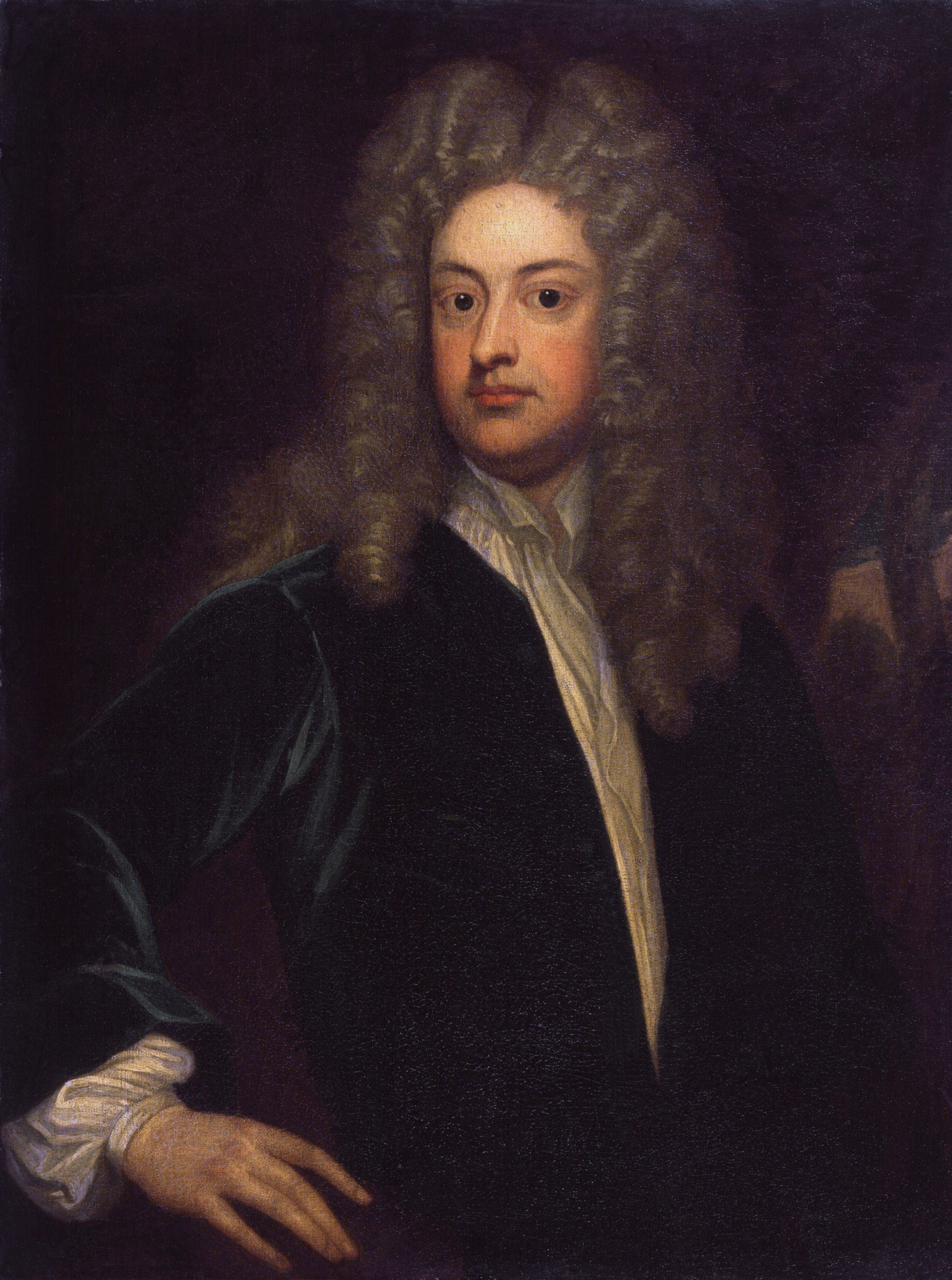
Link to this page
Add a free, dofollow link to Lex on your blog, forum, syllabus, or reading list.

<a href="https://lex-books.com/author/desiderius-erasmus"><img src="https://lex-books.com/badges/read-on-lex.svg" alt="Desiderius Erasmus on Lex" width="160" height="40"></a>[](https://lex-books.com/author/desiderius-erasmus)[url=https://lex-books.com/author/desiderius-erasmus][img]https://lex-books.com/badges/read-on-lex.svg[/img][/url]Desiderius Erasmus on Lex: https://lex-books.com/author/desiderius-erasmus