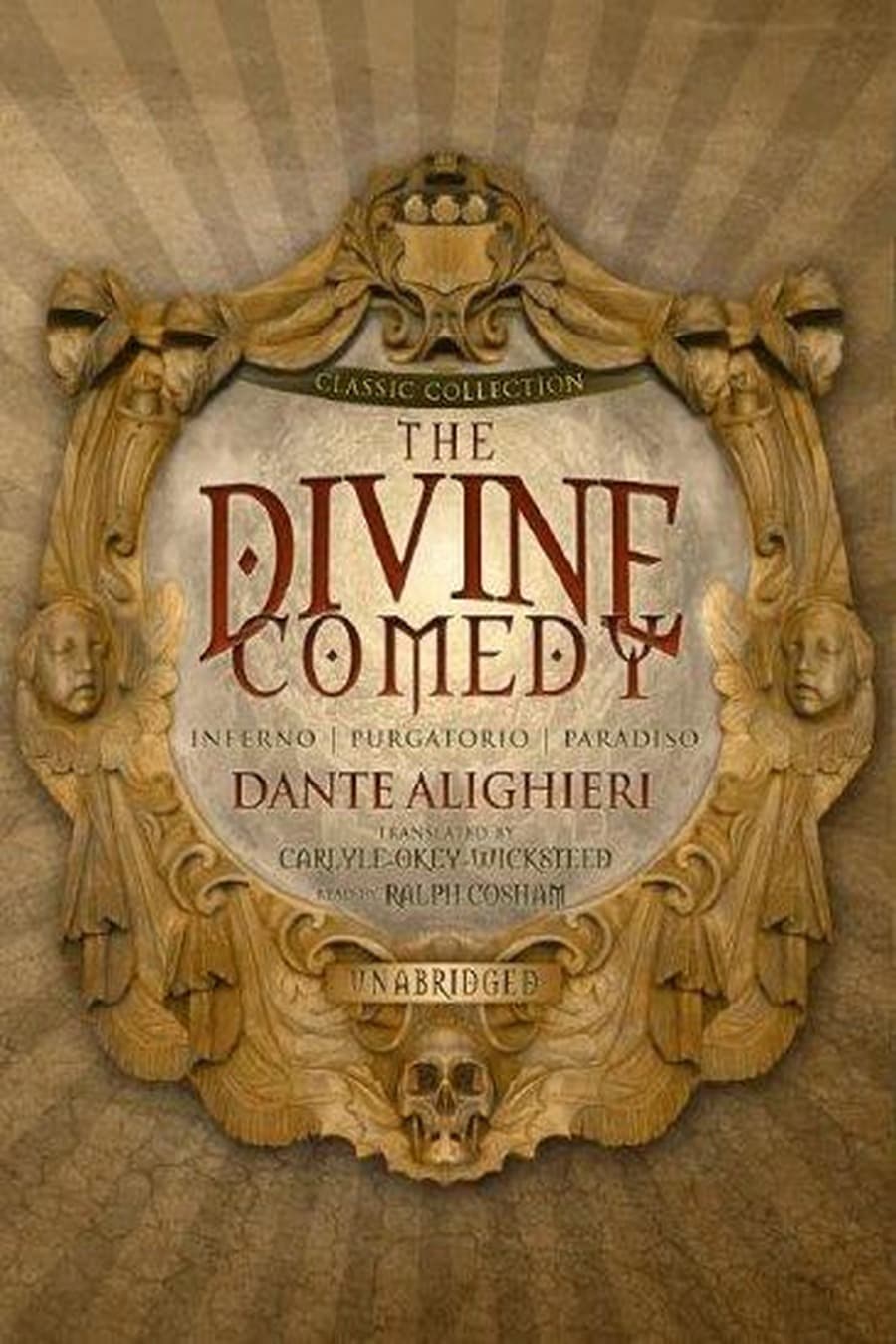
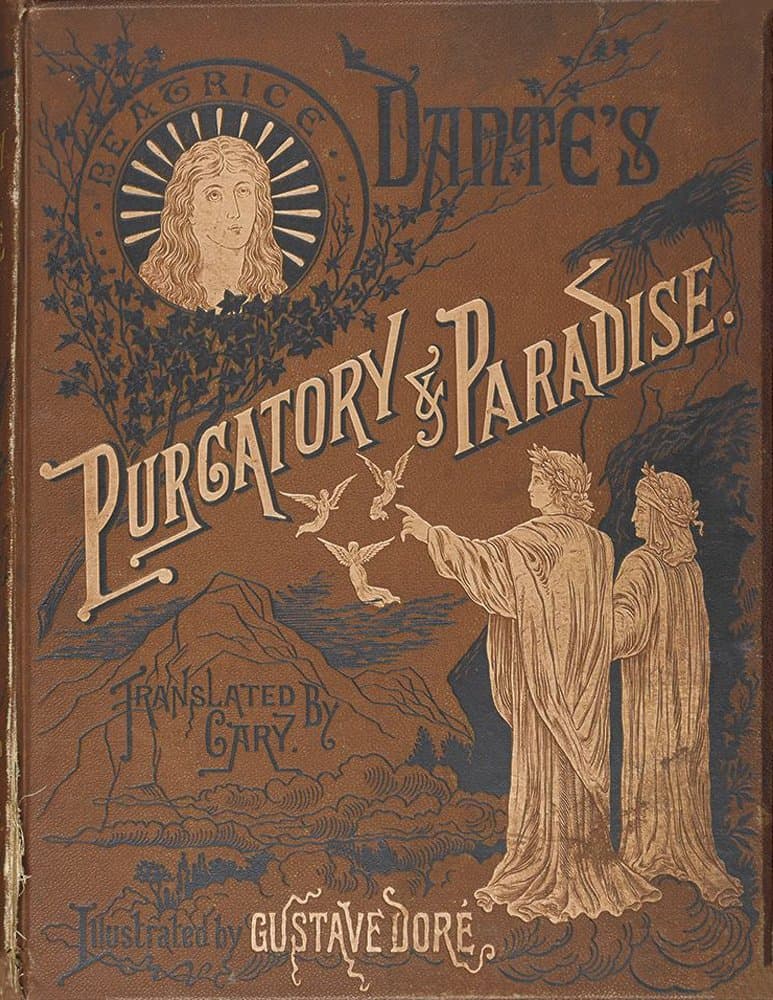
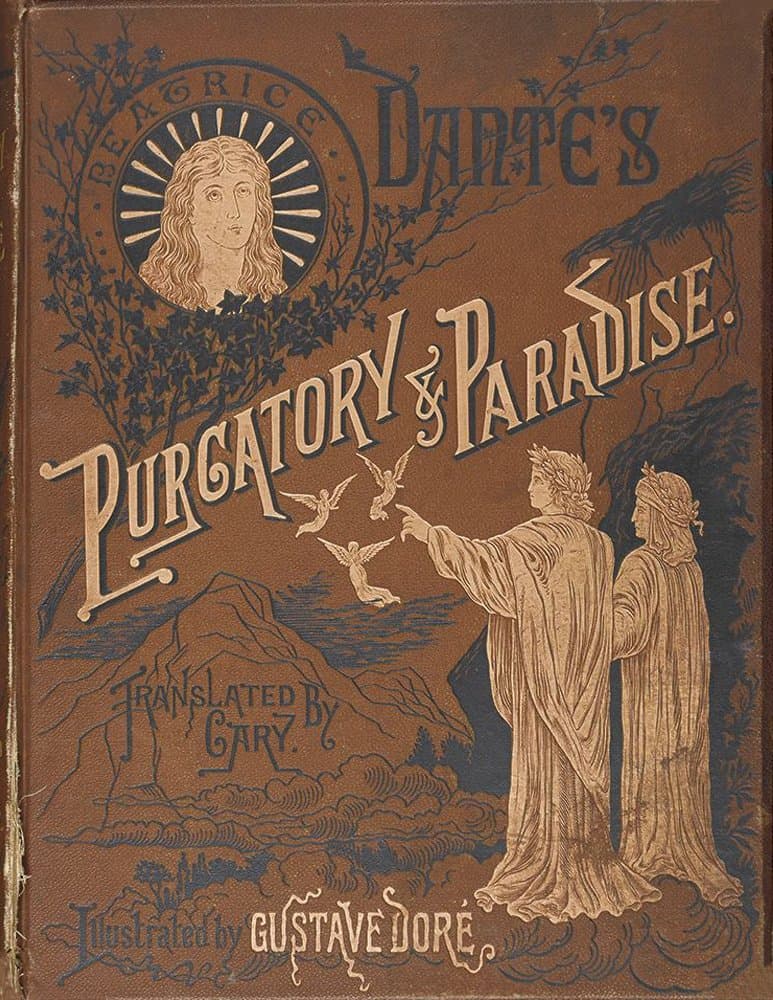
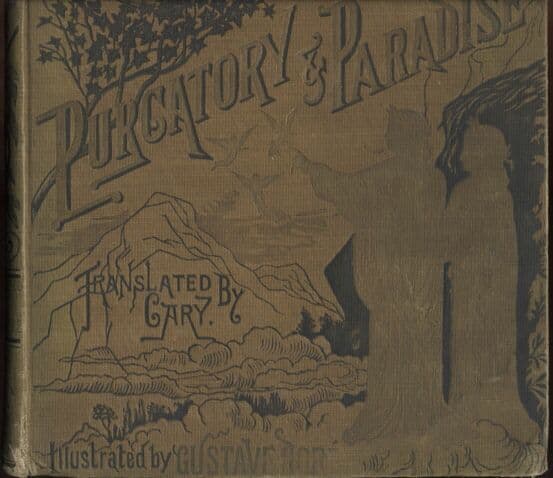
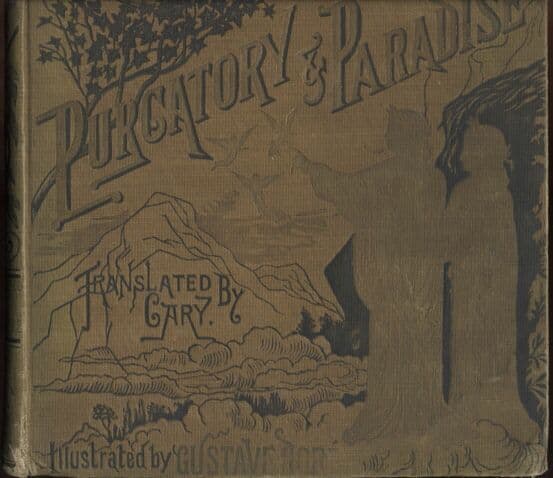
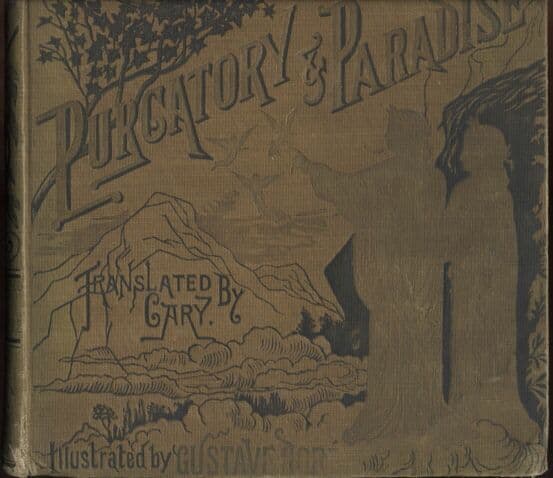
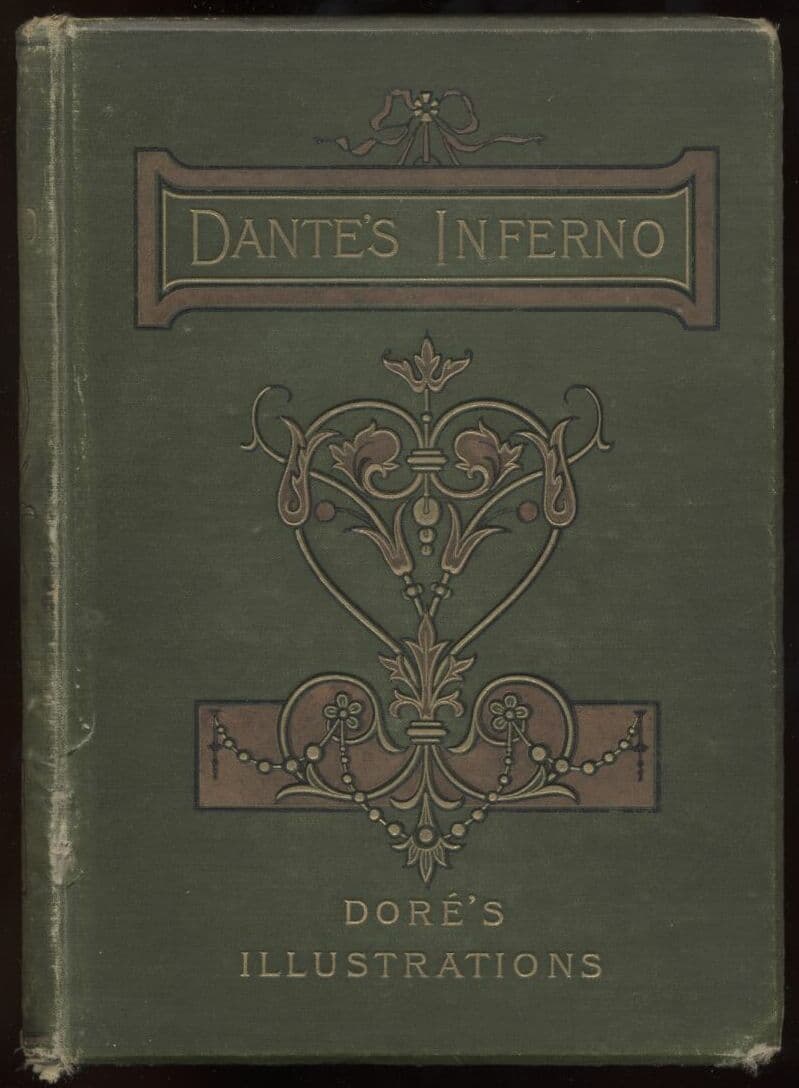
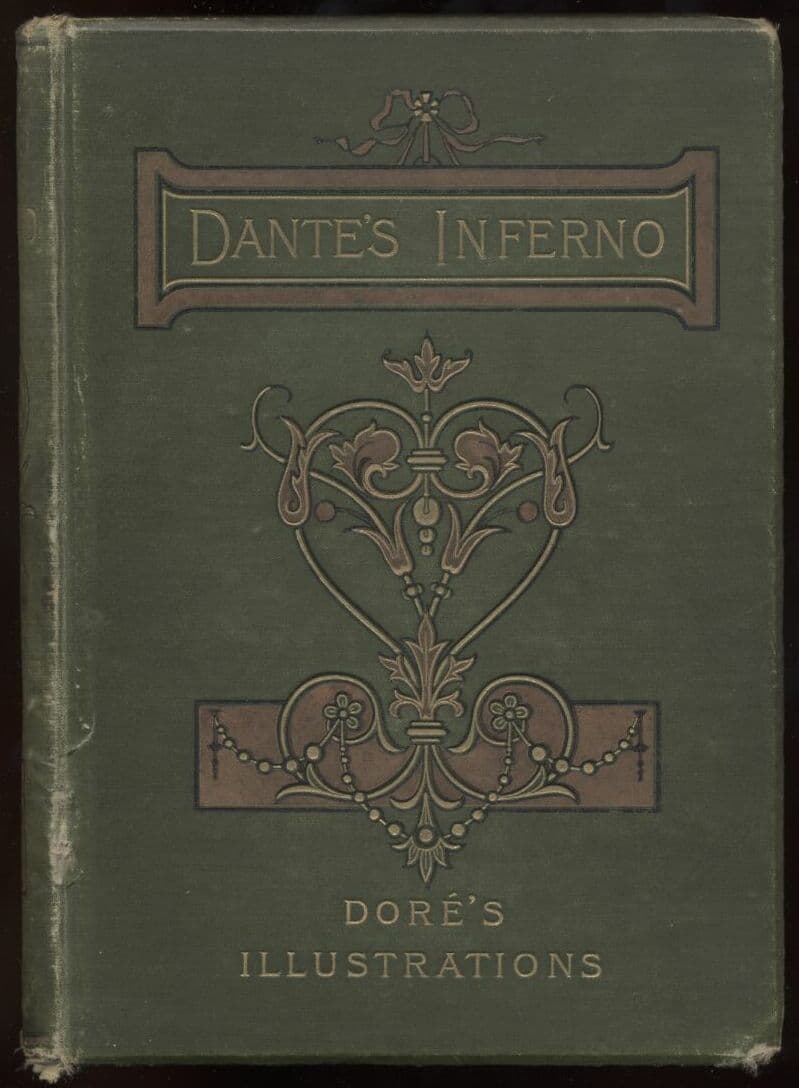
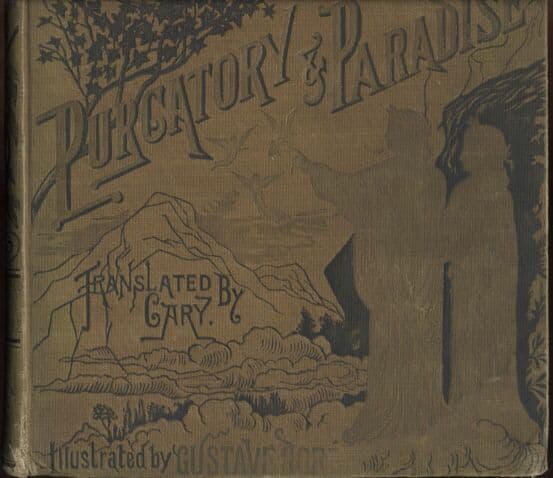
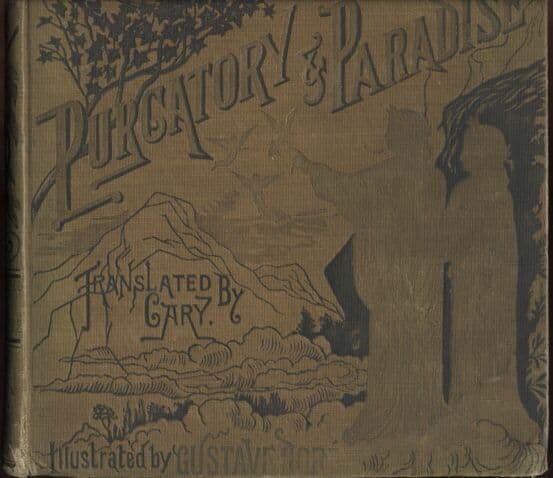
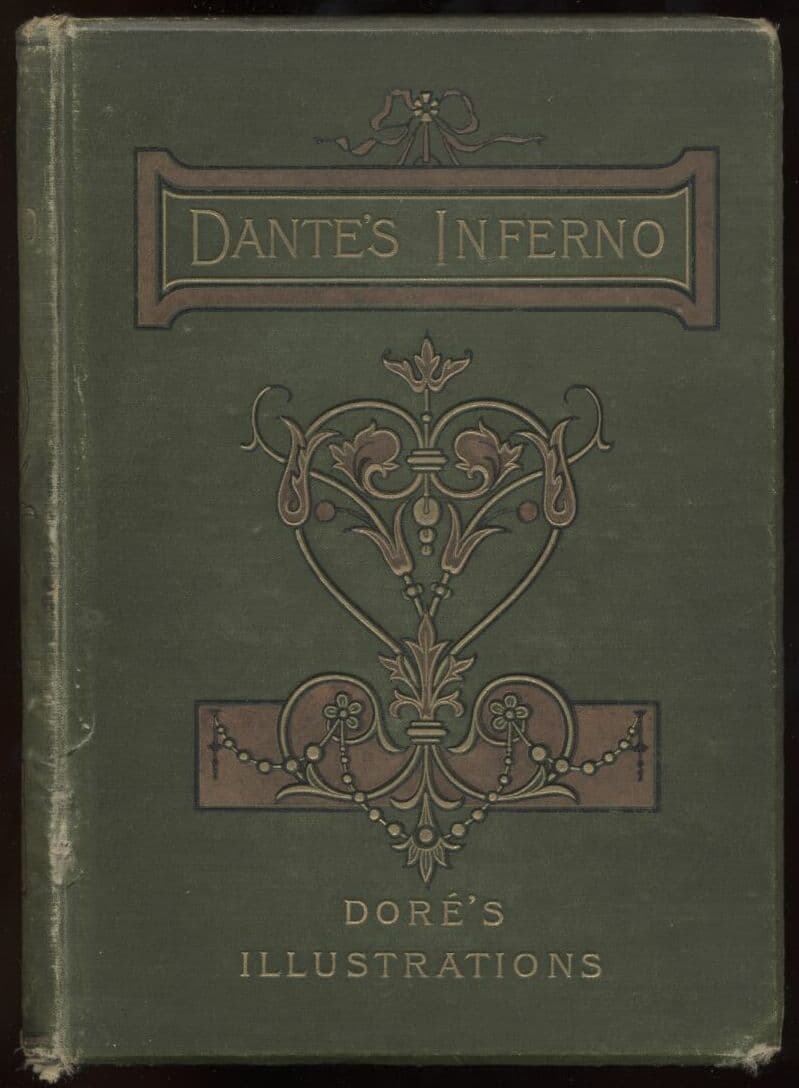
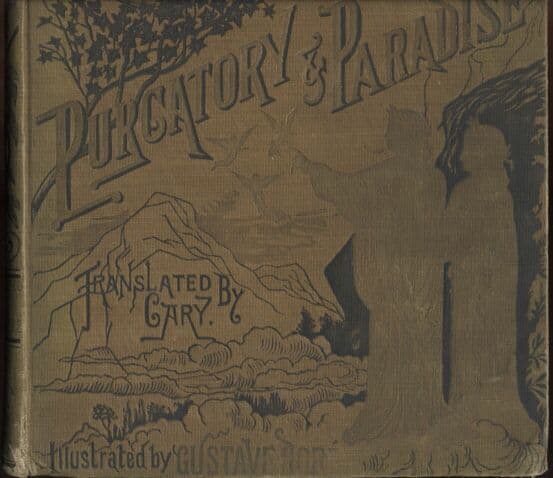
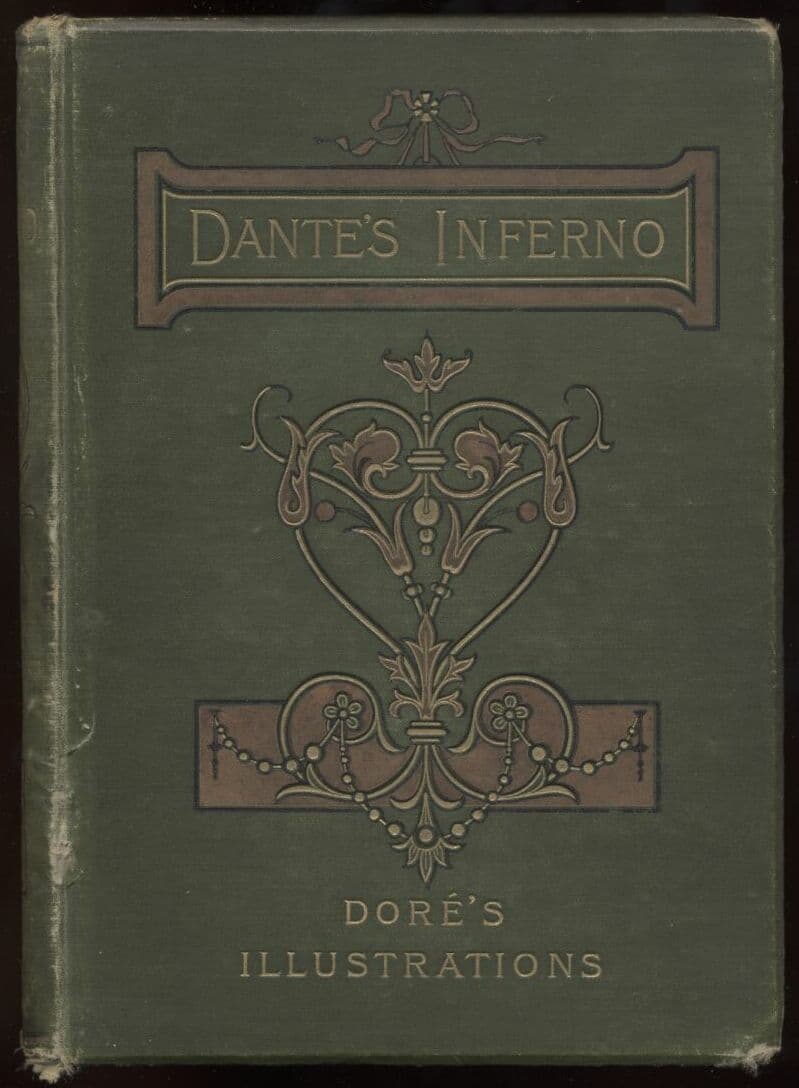
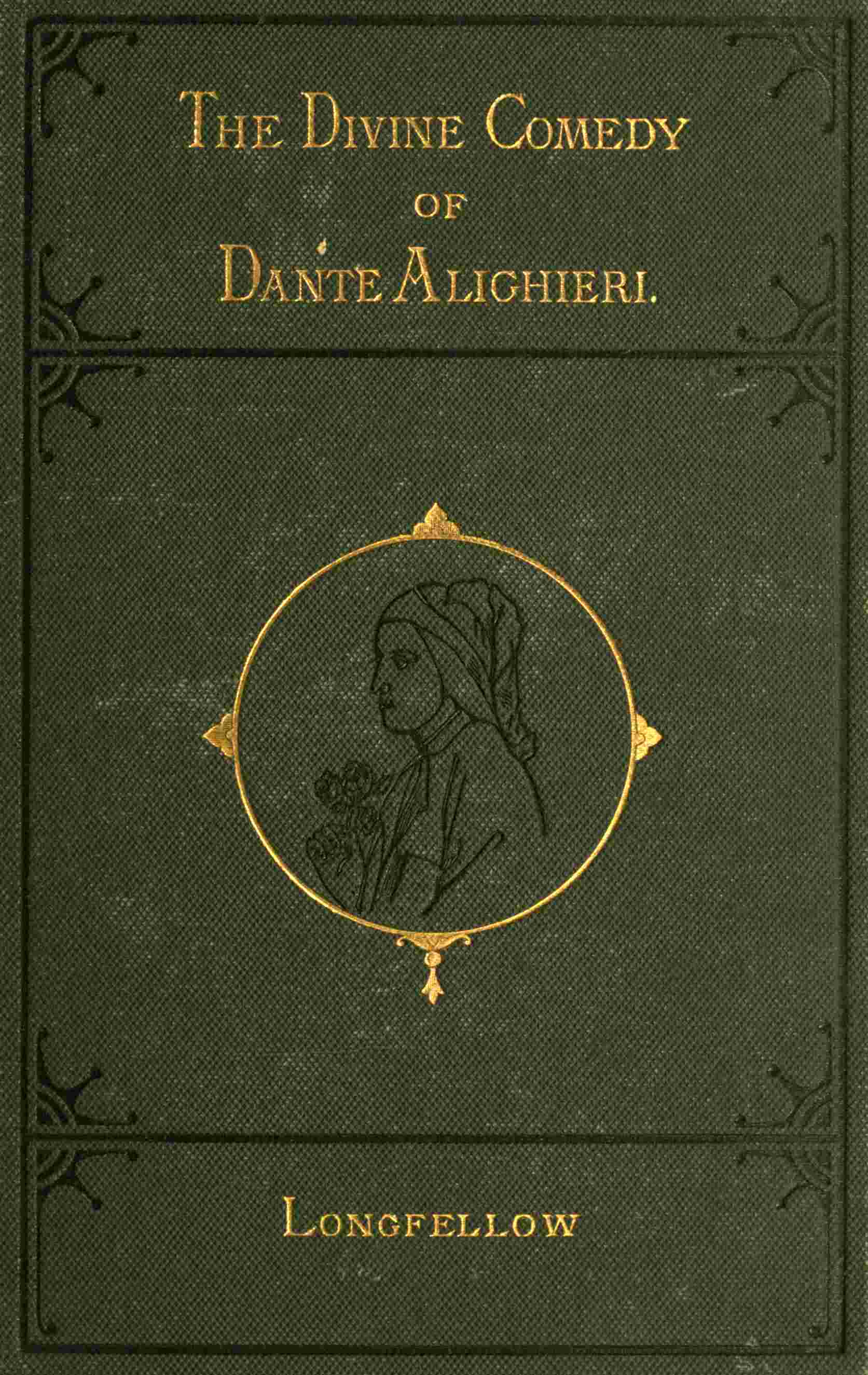
Divine Comedy, Longfellow's Translation, Complete
1867
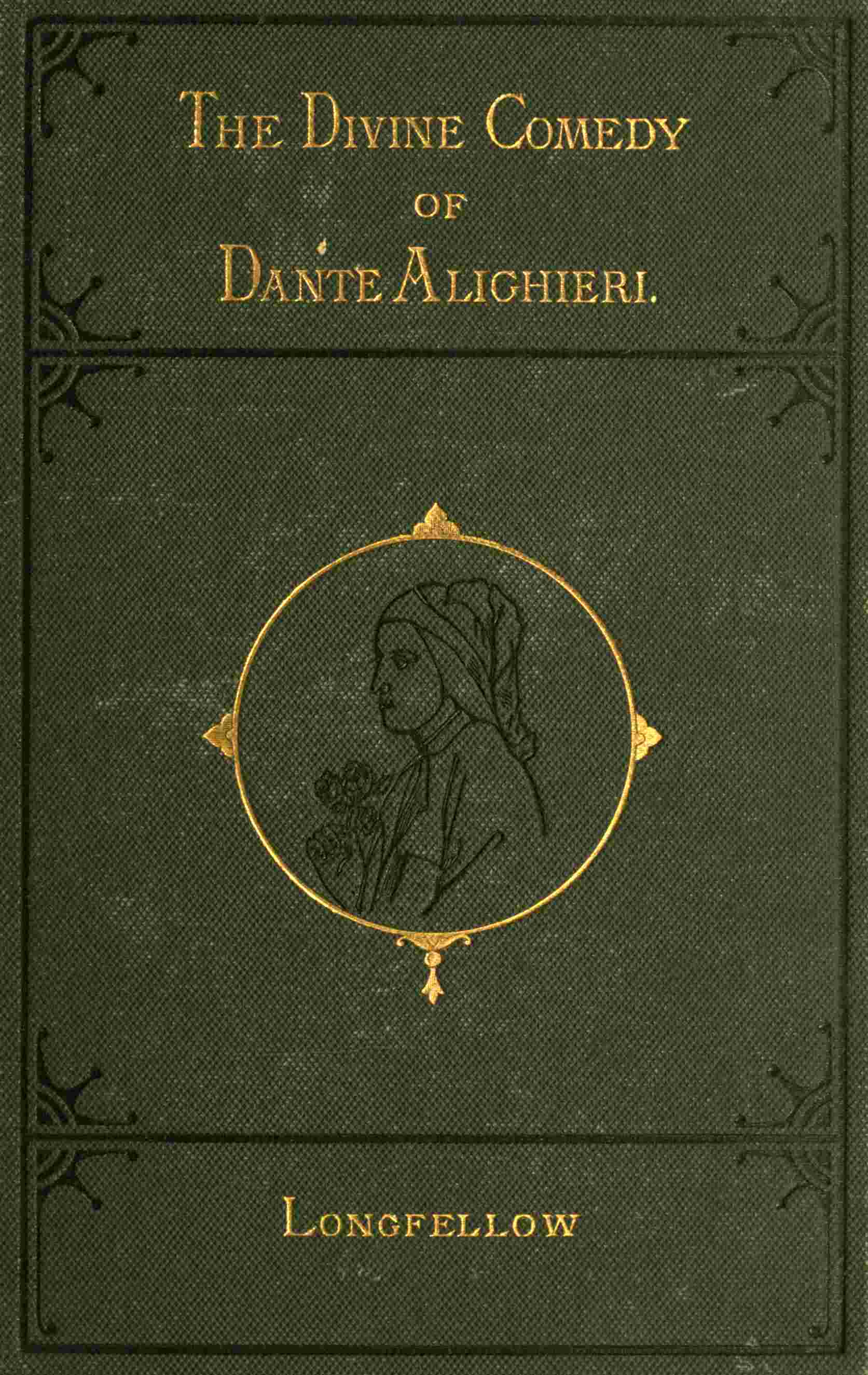
Divine Comedy, Longfellow's Translation, Complete
1867
Translated by Henry Wadsworth Longfellow
The most ambitious literary undertaking in Western literature: a single poem that maps the entire cosmos of human souls, from the frozen depths of Hell to the blinding radiance of Heaven. Dante, a middle-aged exile from Florence, finds himself in a dark wood on Good Friday in the year 1300, lost not merely geographically but spiritually, caught between sin and grace. His journey becomes both a terrifying descent through the nine circles of Hell, where he witnesses punishments that fit each sin with terrible logic, and an ascent through the terraces of Purgatory toward the paradise of God. What elevates this beyond mere allegory is Dante's raw personal grief: his exile, his unrequited love for Beatrice, his fury at the corrupt Church and warring factions tearing Italy apart. The poem pulses with specific, visceral detail, it is far from an abstract moral treatise, but a work of profound emotional and political fury. Seven centuries later, it remains the key to understanding how Western civilization sees itself.
Editions
X-Ray
“All hope abandon, ye who enter here.””
— Dante Alighieri
“The more a thing is perfect, the more it feels pleasure and pain.””
— Dante Alighieri
“L'amor che move il sole e l'altre stelle.””
— Dante Alighieri
“The devil is not as black as he is painted.””
— Dante Alighieri
“Through me you pass into the city of woe:Through me you pass into eternal pain:Through me among the people lost for aye.Justice the founder of my fabric moved:To rear me was the task of power divine,Supremest wisdom, and primeval love.Before me things create were none, save thingsEternal, and eternal I shall endure.All hope abandon, ye who enter here.””
— Dante Alighieri
“Consider your origin. You were not formed to live like brutes but to follow virtue and knowledge.””
— Dante Alighieri
“O human race, born to fly upward, wherefore at a little wind dost thou so fall?””
— Dante Alighieri
“Into the eternal darkness, into fire and into ice. ””
— Dante Alighieri
“The man who lies asleep will never waken fame, and his desire and all his life drift past him like a dream, and the traces of his memory fade from time like smoke in air, or ripples on a stream.””
— Dante Alighieri
About Divine Comedy, Longfellow's Translation, Complete
Chapter Summaries
- Inferno: Canto I
- Dante finds himself lost in a dark wood on the eve of Good Friday. He attempts to climb a sun-dappled hill but is blocked by a panther, a lion, and a she-wolf. Despairing, he is met by the shade of the Roman poet Virgil, who offers to guide him through Hell and Purgatory.
- Inferno: Canto II
- Dante expresses doubt about his worthiness for such a journey, comparing himself to Aeneas and Paul. Virgil reassures him by revealing that he was sent by Beatrice, who was moved by the Virgin Mary and Saint Lucia to aid Dante.
- Inferno: Canto III
- Dante and Virgil pass through the Gate of Hell, inscribed with terrifying words. They encounter the 'Indifferent,' souls who lived without infamy or praise, eternally chasing a banner and stung by insects. They then reach the Acheron river, where Charon, the ferryman, initially refuses Dante passage but is compelled by Virgil.
Key Themes
- Divine Justice and Retribution
- The entire journey is a manifestation of God's justice, where each sin is punished or purged in a manner that directly reflects its nature. The contrapasso (counter-suffering) principle is central, ensuring that punishments fit the crimes, from the lustful swept by a hurricane to the traitors frozen in ice.
- Redemption and Salvation
- Dante's journey is fundamentally one of personal redemption. Through recognizing sin, undergoing penance, and ascending through the spheres of heaven, he seeks and ultimately finds salvation, demonstrating that even the most lost soul can return to God's grace.
- Free Will and Moral Choice
- The poem emphasizes humanity's capacity for free will, which allows individuals to choose between good and evil. Characters in Hell are those who misused their free will, while those in Purgatory are actively exercising it to purge their sins and align their will with God's.
Characters
- Dante Alighieri(protagonist)
- The pilgrim and narrator of the Divine Comedy, who undertakes a journey through Hell, Purgatory, and Paradise to find salvation and understand divine justice.
- Virgil(supporting)
- The ancient Roman poet, chosen by Beatrice to guide Dante through the Inferno and Purgatorio, symbolizing human reason and classical wisdom.
- Beatrice Portinari(supporting)
- Dante's deceased beloved, who sends Virgil to guide him and later becomes his guide through Paradise, symbolizing divine love, grace, and theological truth.
- Charon(minor)
- The ferryman of Acheron, who transports the souls of the damned across the river into Hell.
- Minos(minor)
- The monstrous judge of Hell, who wraps his tail around himself a number of times corresponding to the circle to which each sinner is condemned.
- Cerberus(minor)
- The three-headed dog guarding the Third Circle of Hell (Gluttony), who tears and flays the gluttonous.
Link to this book
Add a free, dofollow link to Lex on your blog, forum, syllabus, or reading list.

<a href="https://lex-books.com/book/divine-comedy-longfellow-s-translation-complete-787b0c92-1cba-44f1-b321-018da96b94e0"><img src="https://lex-books.com/badges/read-on-lex.svg" alt="Read Divine Comedy, Longfellow's Translation, Complete by Dante Alighieri free on Lex" width="160" height="40"></a>[](https://lex-books.com/book/divine-comedy-longfellow-s-translation-complete-787b0c92-1cba-44f1-b321-018da96b94e0)[url=https://lex-books.com/book/divine-comedy-longfellow-s-translation-complete-787b0c92-1cba-44f1-b321-018da96b94e0][img]https://lex-books.com/badges/read-on-lex.svg[/img][/url]Read Divine Comedy, Longfellow's Translation, Complete by Dante Alighieri free on Lex: https://lex-books.com/book/divine-comedy-longfellow-s-translation-complete-787b0c92-1cba-44f1-b321-018da96b94e0Cite this book
Reading this edition for a paper or guide? Copy a citation.
Alighieri, Dante. Divine Comedy, Longfellow's Translation, Complete. Lex, lex-books.com/book/divine-comedy-longfellow-s-translation-complete-787b0c92-1cba-44f1-b321-018da96b94e0.Alighieri, D. (1867). Divine Comedy, Longfellow's Translation, Complete. Lex. https://lex-books.com/book/divine-comedy-longfellow-s-translation-complete-787b0c92-1cba-44f1-b321-018da96b94e0Alighieri, Dante. Divine Comedy, Longfellow's Translation, Complete. Lex. https://lex-books.com/book/divine-comedy-longfellow-s-translation-complete-787b0c92-1cba-44f1-b321-018da96b94e0.