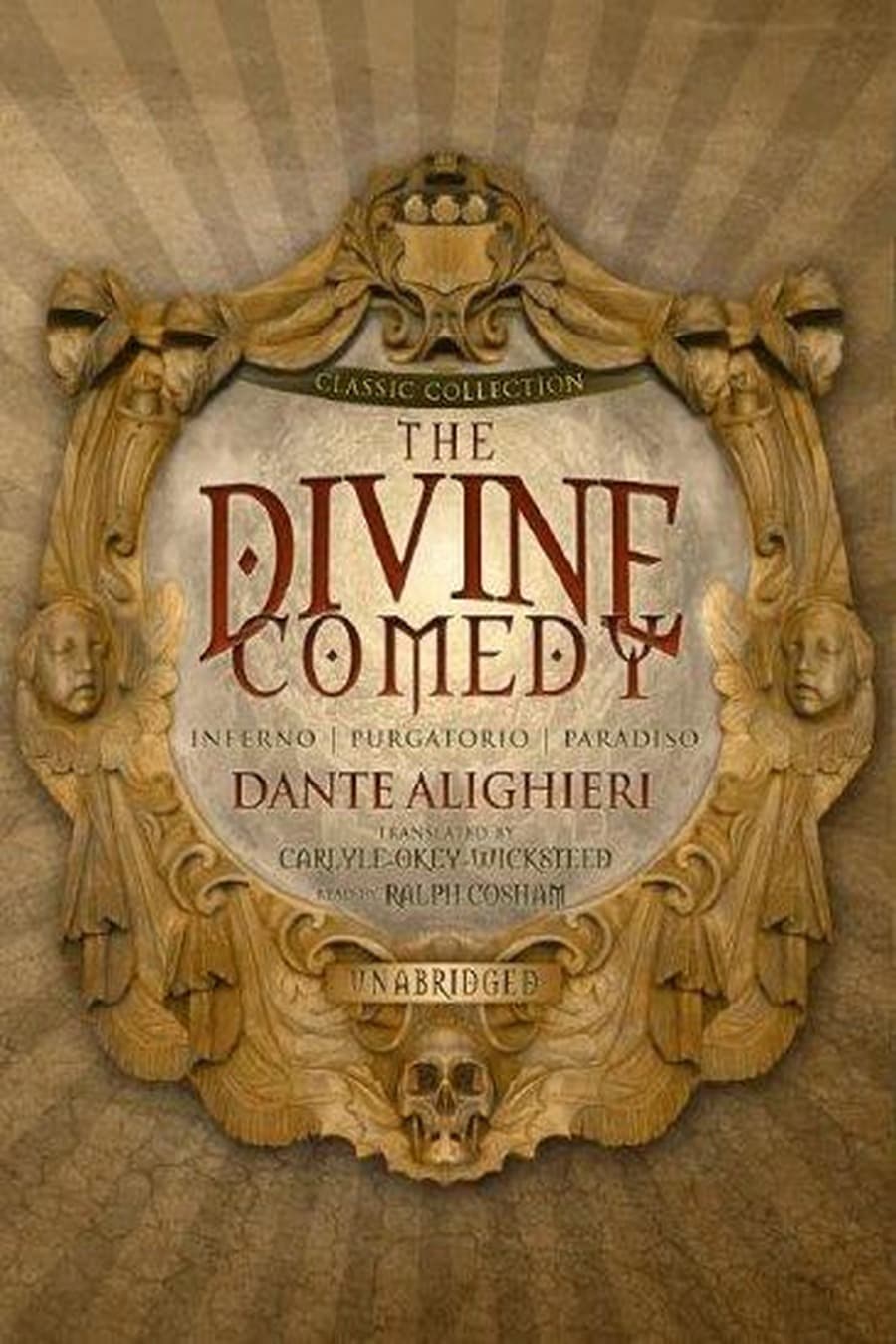
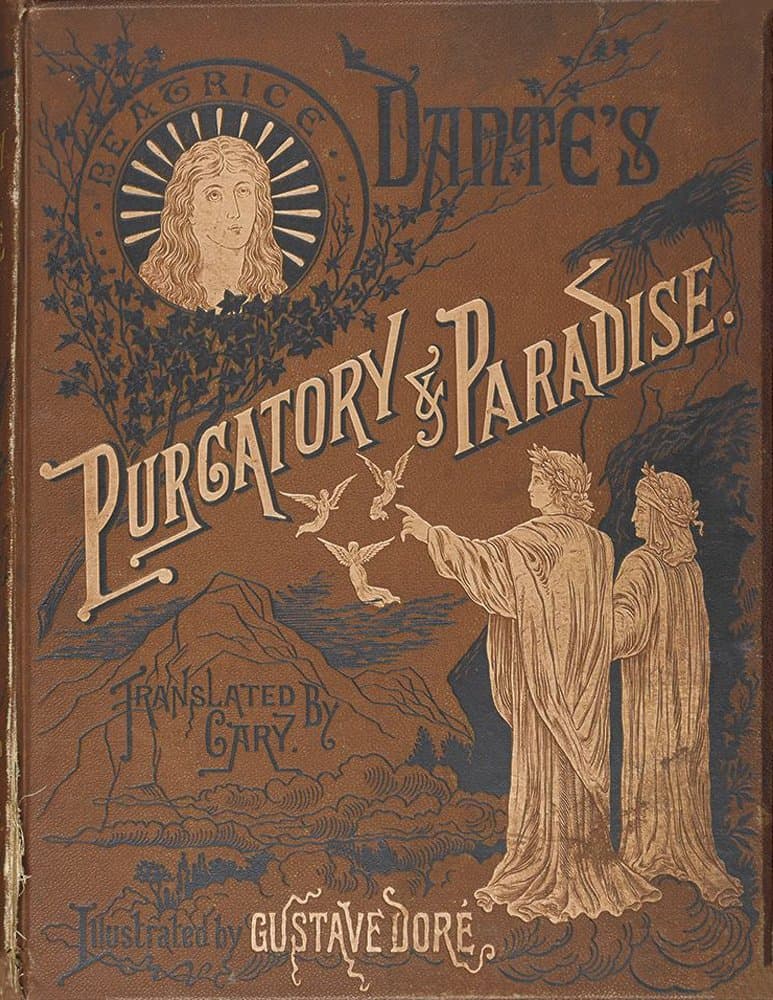
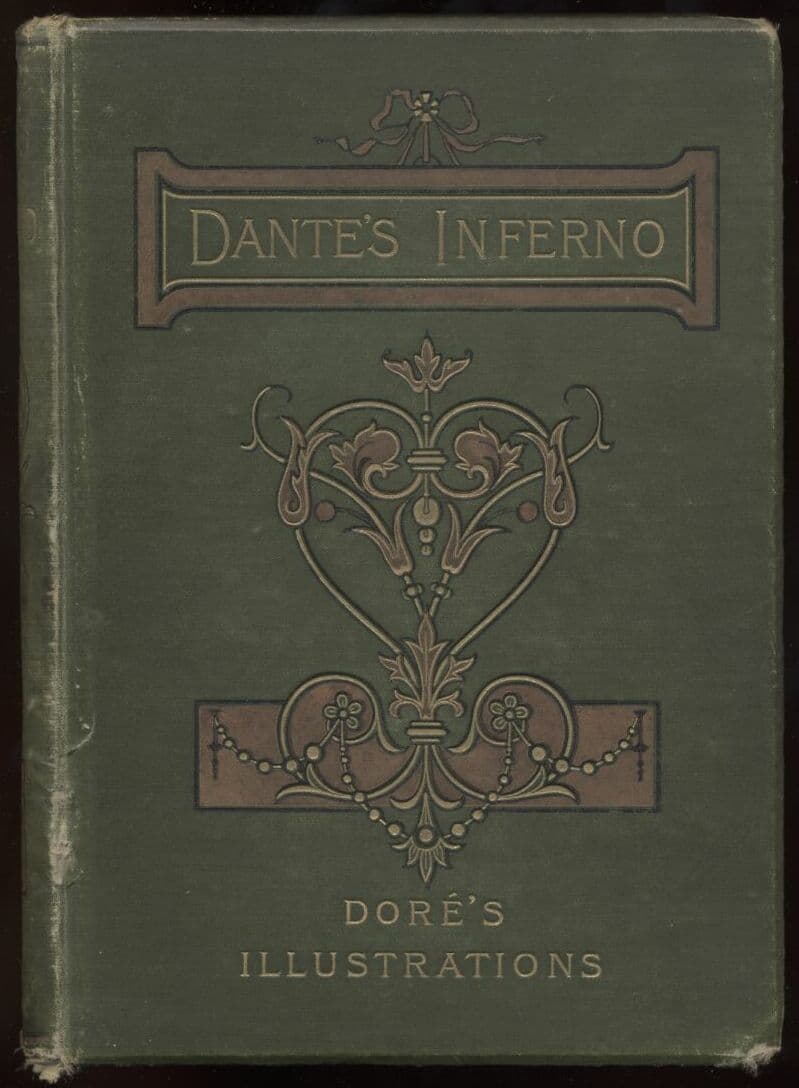
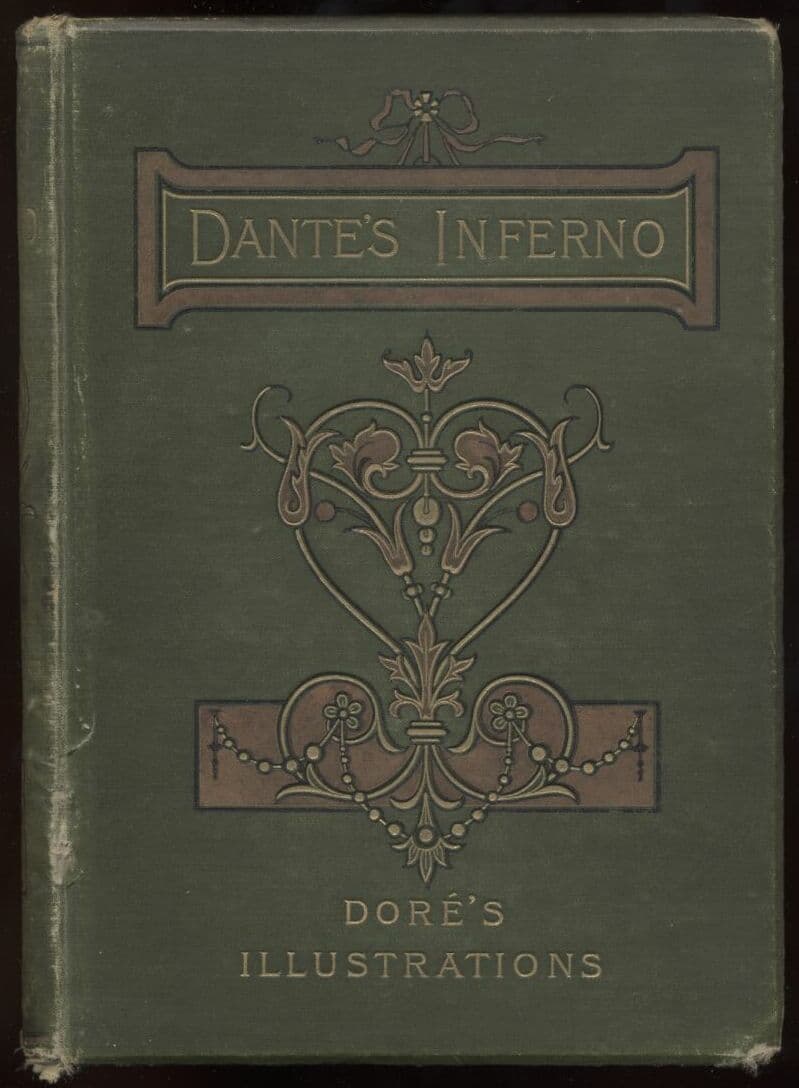
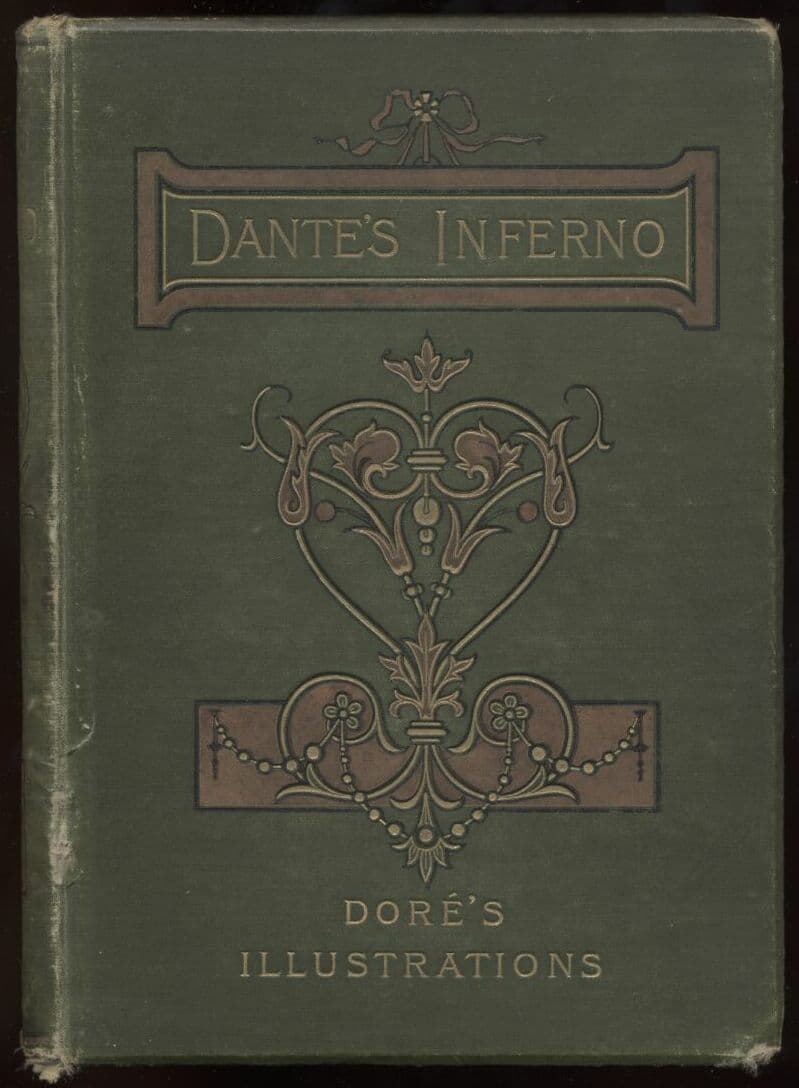
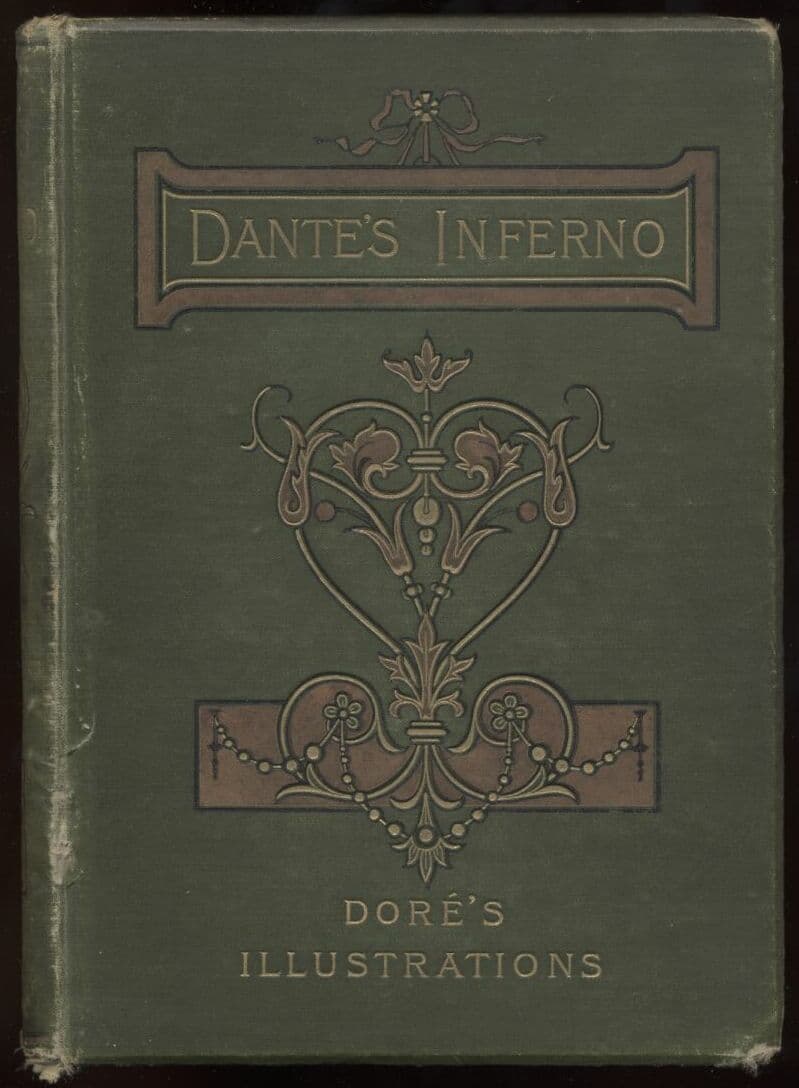
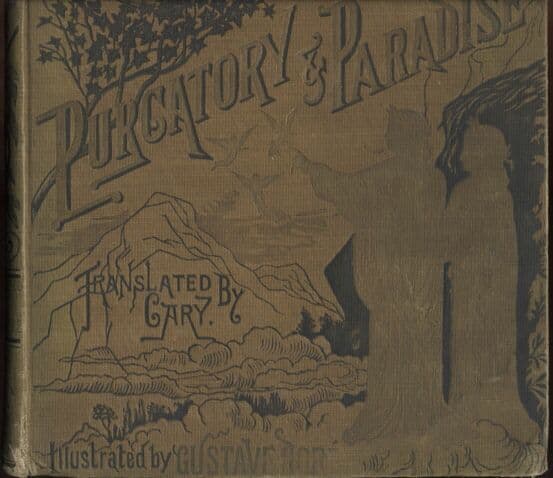
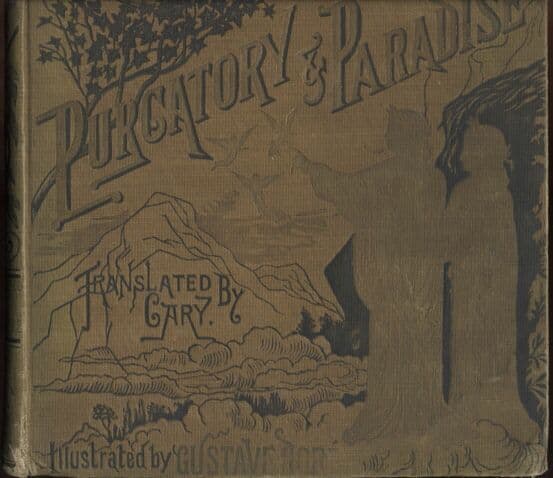
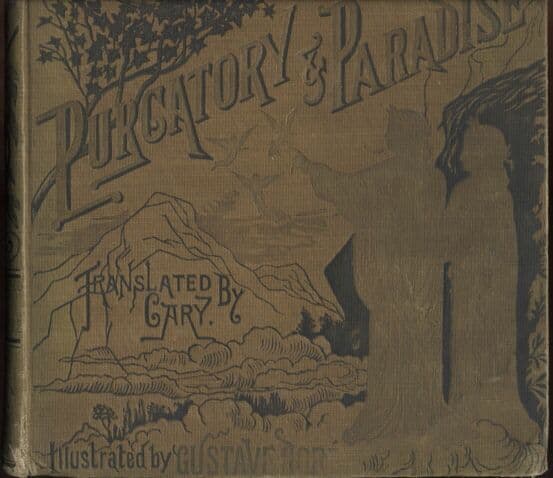
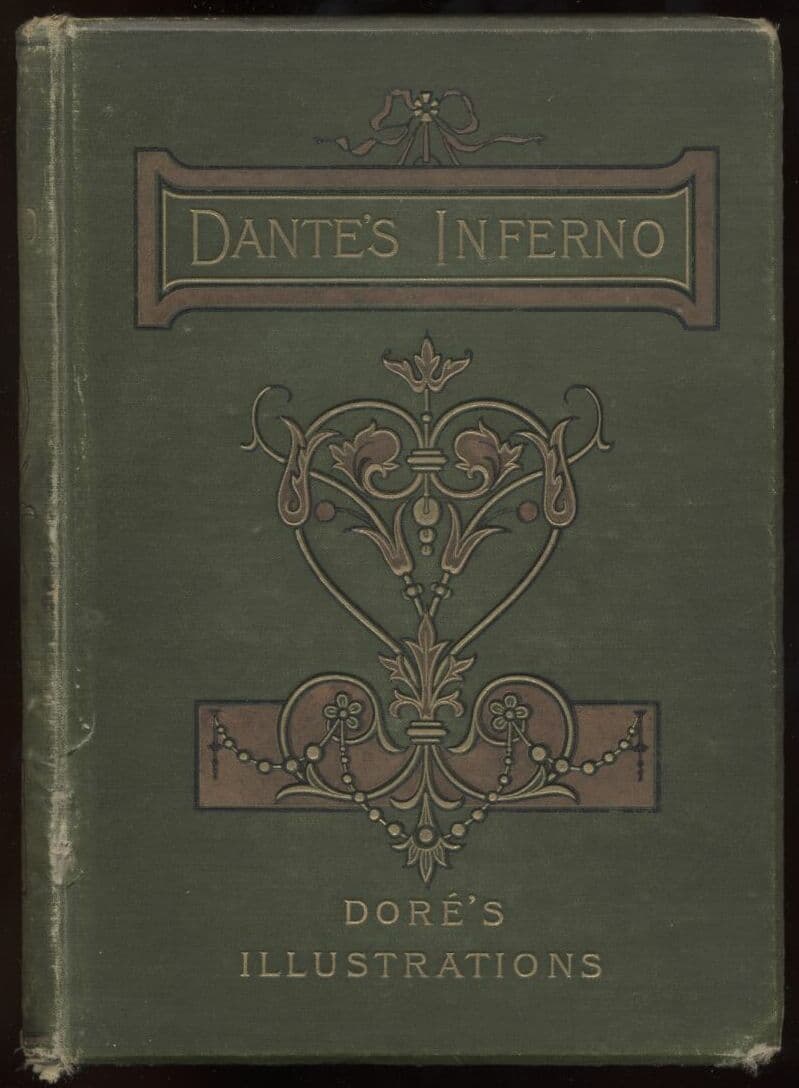
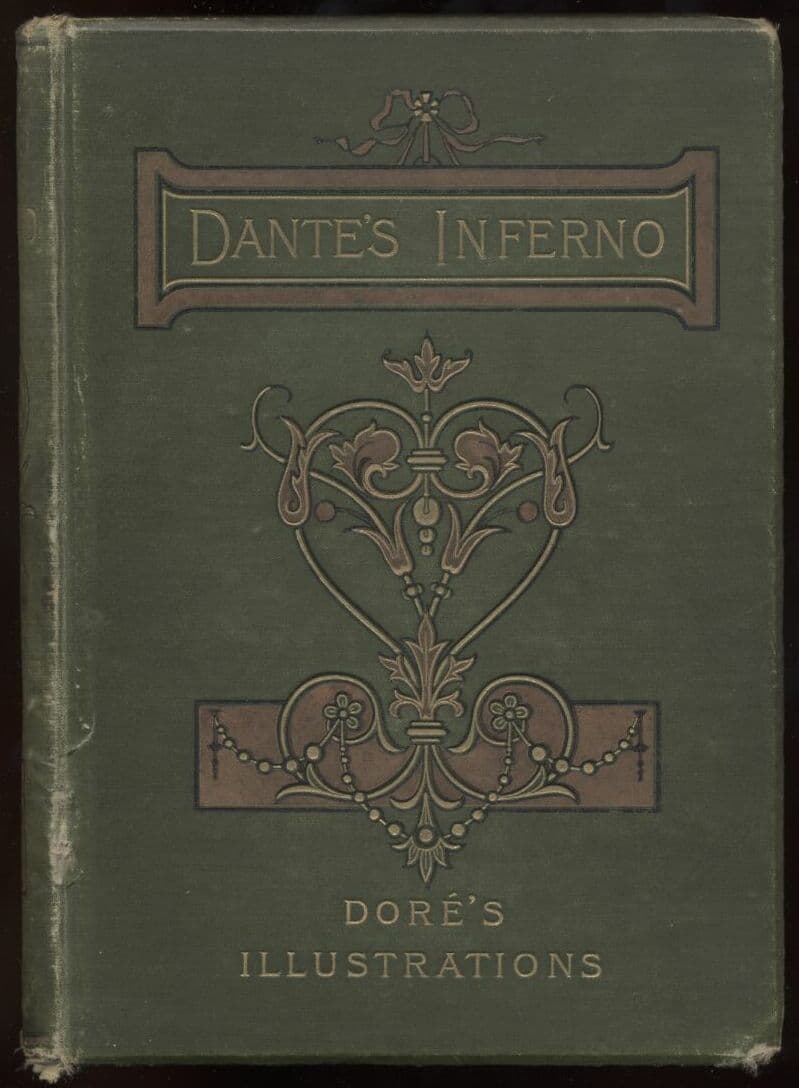
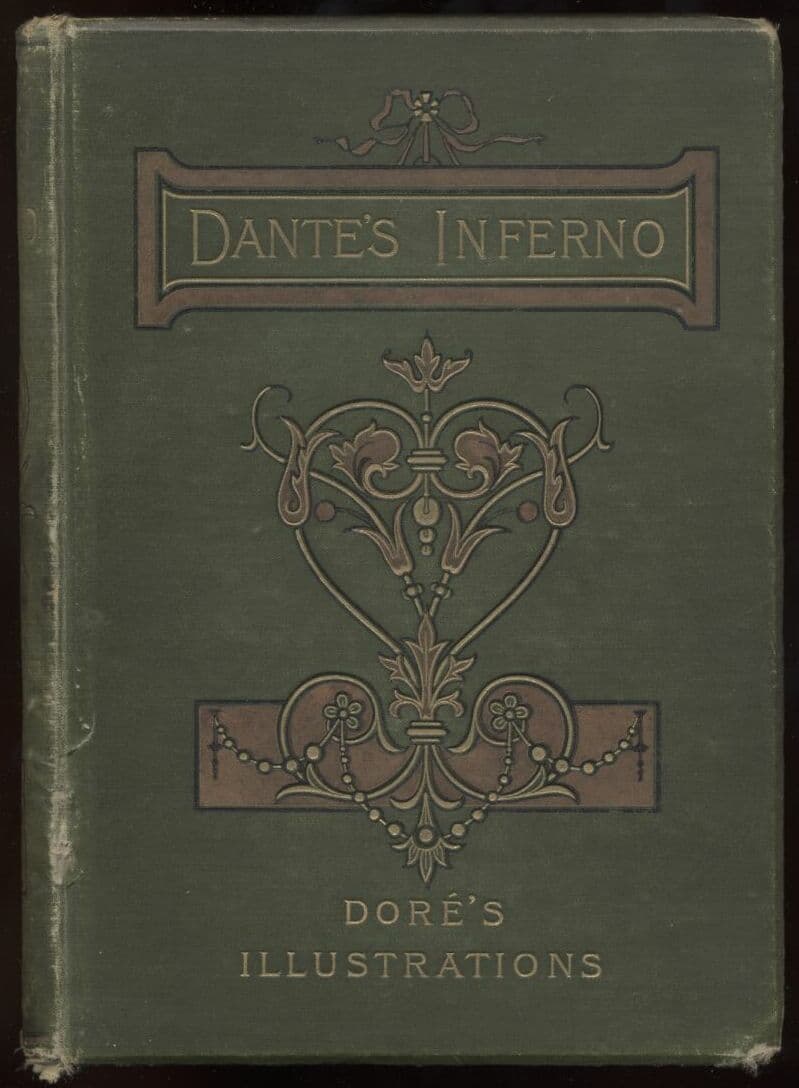
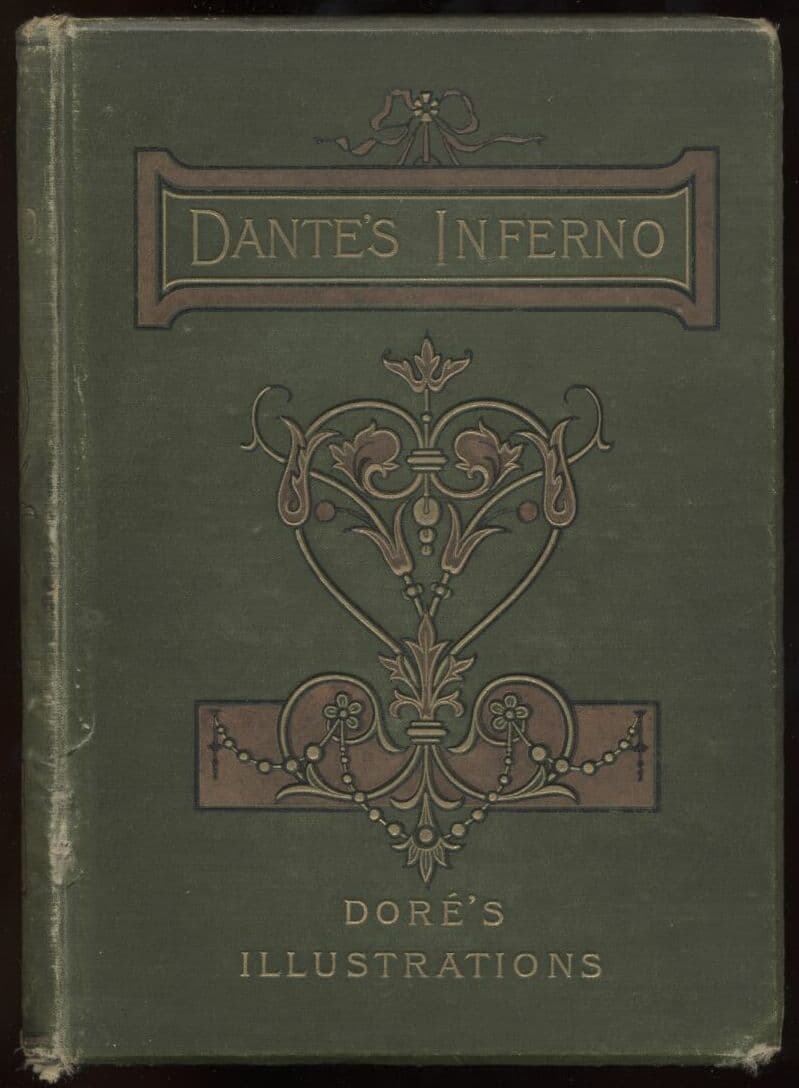
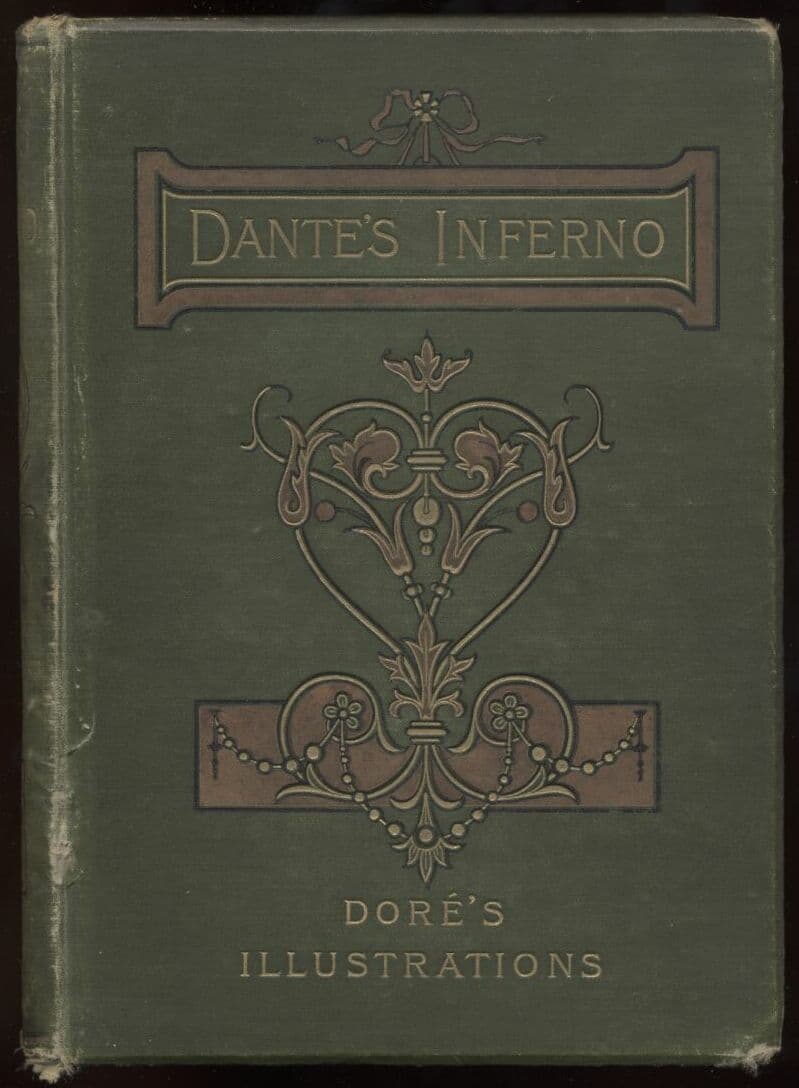
Divine Comedy, Cary's Translation, Hell
1805
Divine Comedy, Cary's Translation, Hell
1805
Translated by Henry Francis Cary
Dante wakes in a dark forest, lost between the mountain of salvation and the swamp of sin. Three beasts, representing pride, envy, and greed, block his path to dawn. But help arrives from an unexpected source: the ghost of the Roman poet Virgil, sent by Beatrice and guided by divine mercy, to lead Dante through the gates of Hell itself. What follows is a descent like no other. Circle by circle, Dante witnesses the damned receiving precisely calibrated punishments for their sins, from the lustful buffeted by eternal winds to the gluttons wallowing in freezing slush, from the traitors frozen in Satan's own ice. This is not mere torture porn. It is a theological argument made in fire and ice, a portrait of divine justice that is also somehow beautiful, terrible, and unexpectedly funny. Dante talks to historical figures, mythological monsters, contemporary politicians, and his own enemies, making Hell feel desperately alive. Cary's 1805 translation captures the grinding momentum of Dante's terza rima with clarity that makes the imagery sear. If you've ever wondered what lies on the other side of moral failure, this is the book that invented the map.
Editions
X-Ray
“Do not be afraid; our fateCannot be taken from us; it is a gift.””
— Dante Alighieri
“In the middle of the journey of our life I found myself within a dark woods where the straight way was lost.””
— Dante Alighieri
“Amor, ch'al cor gentile ratto s'apprendeprese costui de la bella personache mi fu tolta; e 'l modo ancor m'offende.Amor, che a nullo amato amar perdona,Mi prese del costui piacer sì forte,Che, come vedi, ancor non m'abbandona...""Love, which quickly arrests the gentle heart,Seized him with my beautiful formThat was taken from me, in a manner which still grieves me.Love, which pardons no beloved from loving,took me so strongly with delight in himThat, as you see, it still abandons me not...””
— Dante Alighieri
“There is no greater sorrow then to recall our times of joy in wretchedness.””
— Dante Alighieri
“They yearn for what they fear for.””
— Dante Alighieri
“Through me you go into a city of weeping; through me you go into eternal pain; through me you go amongst the lost people””
— Dante Alighieri
“From there we came outside and saw the stars””
— Dante Alighieri
“Because your question searches for deep meaning,I shall explain in simple words””
— Dante Alighieri
“But the stars that marked our starting fall away.We must go deeper into greater pain,for it is not permitted that we stay.””
— Dante Alighieri
Link to this book
Add a free, dofollow link to Lex on your blog, forum, syllabus, or reading list.

<a href="https://lex-books.com/book/divine-comedy-cary-s-translation-hell-1f4f6c19-17b2-4172-8f8e-ab532c344791"><img src="https://lex-books.com/badges/read-on-lex.svg" alt="Read Divine Comedy, Cary's Translation, Hell by Dante Alighieri free on Lex" width="160" height="40"></a>[](https://lex-books.com/book/divine-comedy-cary-s-translation-hell-1f4f6c19-17b2-4172-8f8e-ab532c344791)[url=https://lex-books.com/book/divine-comedy-cary-s-translation-hell-1f4f6c19-17b2-4172-8f8e-ab532c344791][img]https://lex-books.com/badges/read-on-lex.svg[/img][/url]Read Divine Comedy, Cary's Translation, Hell by Dante Alighieri free on Lex: https://lex-books.com/book/divine-comedy-cary-s-translation-hell-1f4f6c19-17b2-4172-8f8e-ab532c344791Cite this book
Reading this edition for a paper or guide? Copy a citation.
Alighieri, Dante. Divine Comedy, Cary's Translation, Hell. Lex, lex-books.com/book/divine-comedy-cary-s-translation-hell-1f4f6c19-17b2-4172-8f8e-ab532c344791.Alighieri, D. (1805). Divine Comedy, Cary's Translation, Hell. Lex. https://lex-books.com/book/divine-comedy-cary-s-translation-hell-1f4f6c19-17b2-4172-8f8e-ab532c344791Alighieri, Dante. Divine Comedy, Cary's Translation, Hell. Lex. https://lex-books.com/book/divine-comedy-cary-s-translation-hell-1f4f6c19-17b2-4172-8f8e-ab532c344791.