
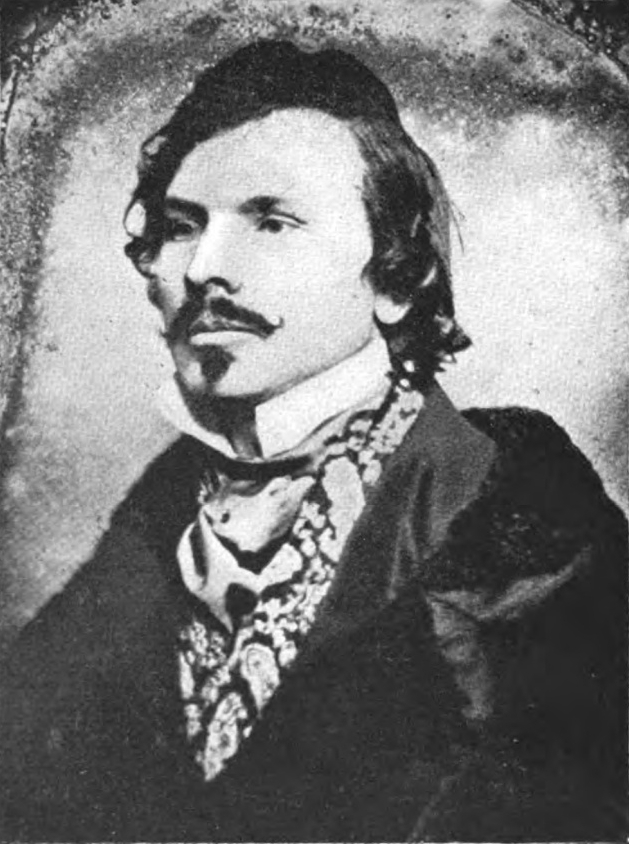
Miguel de Cervantes Saavedra
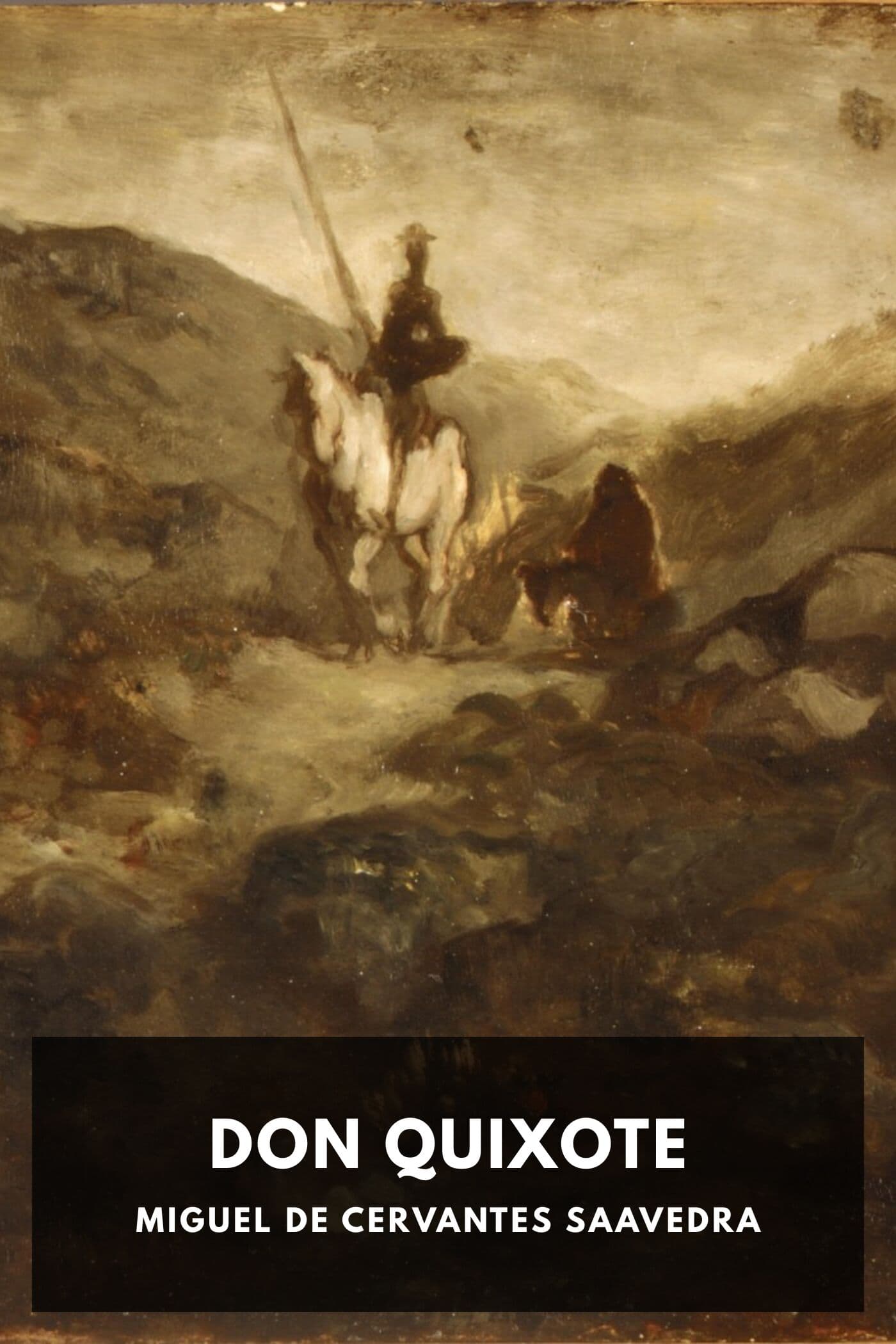
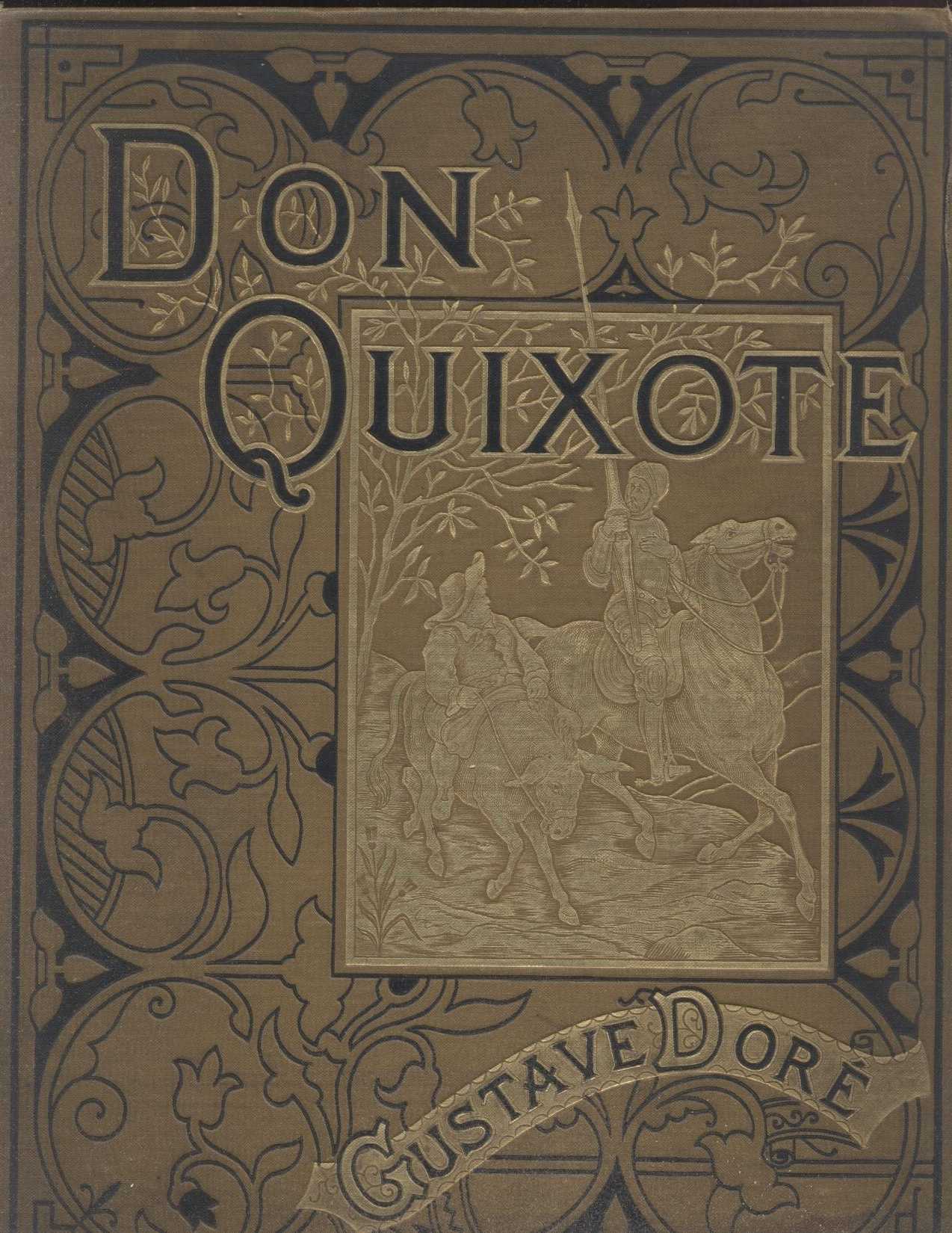
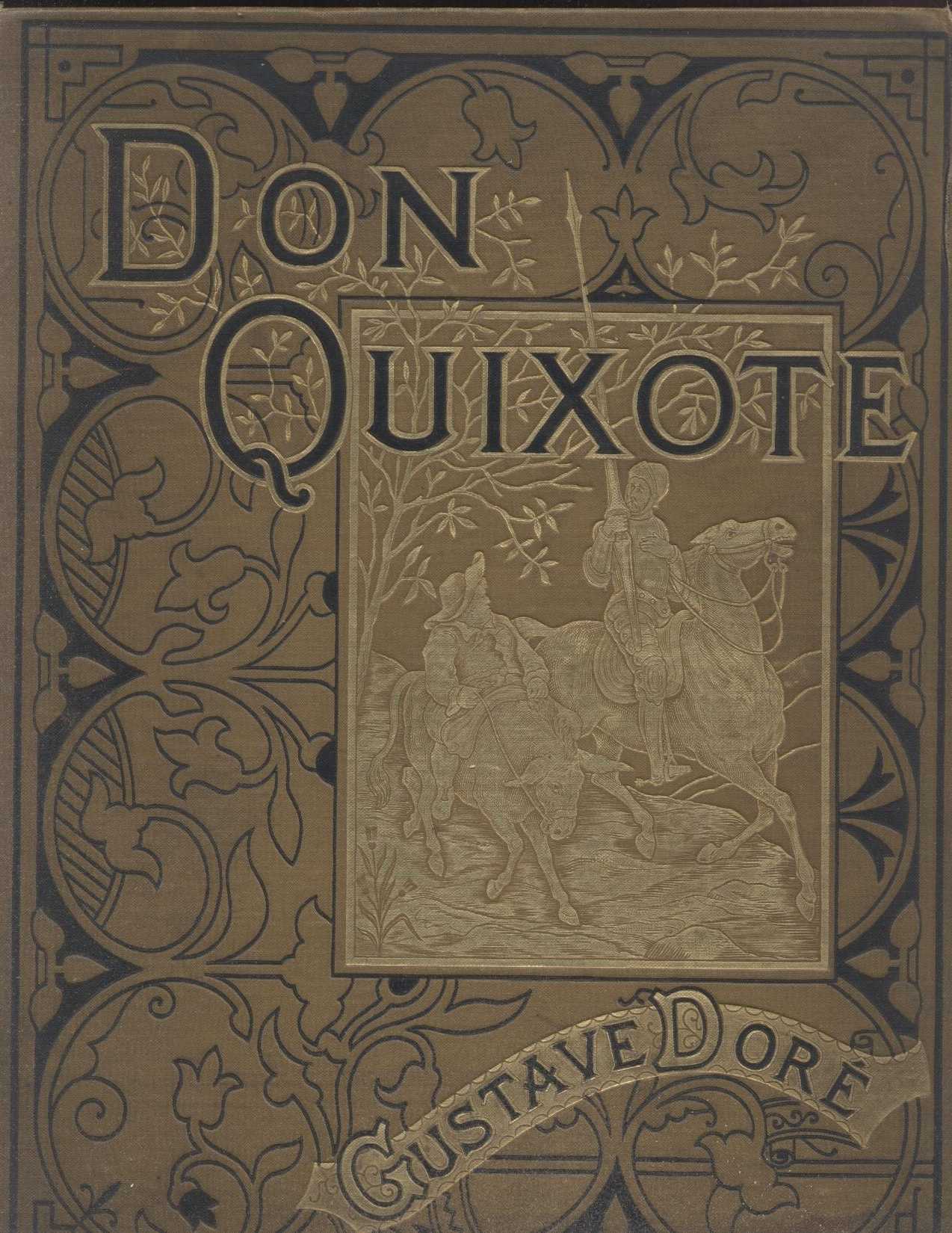
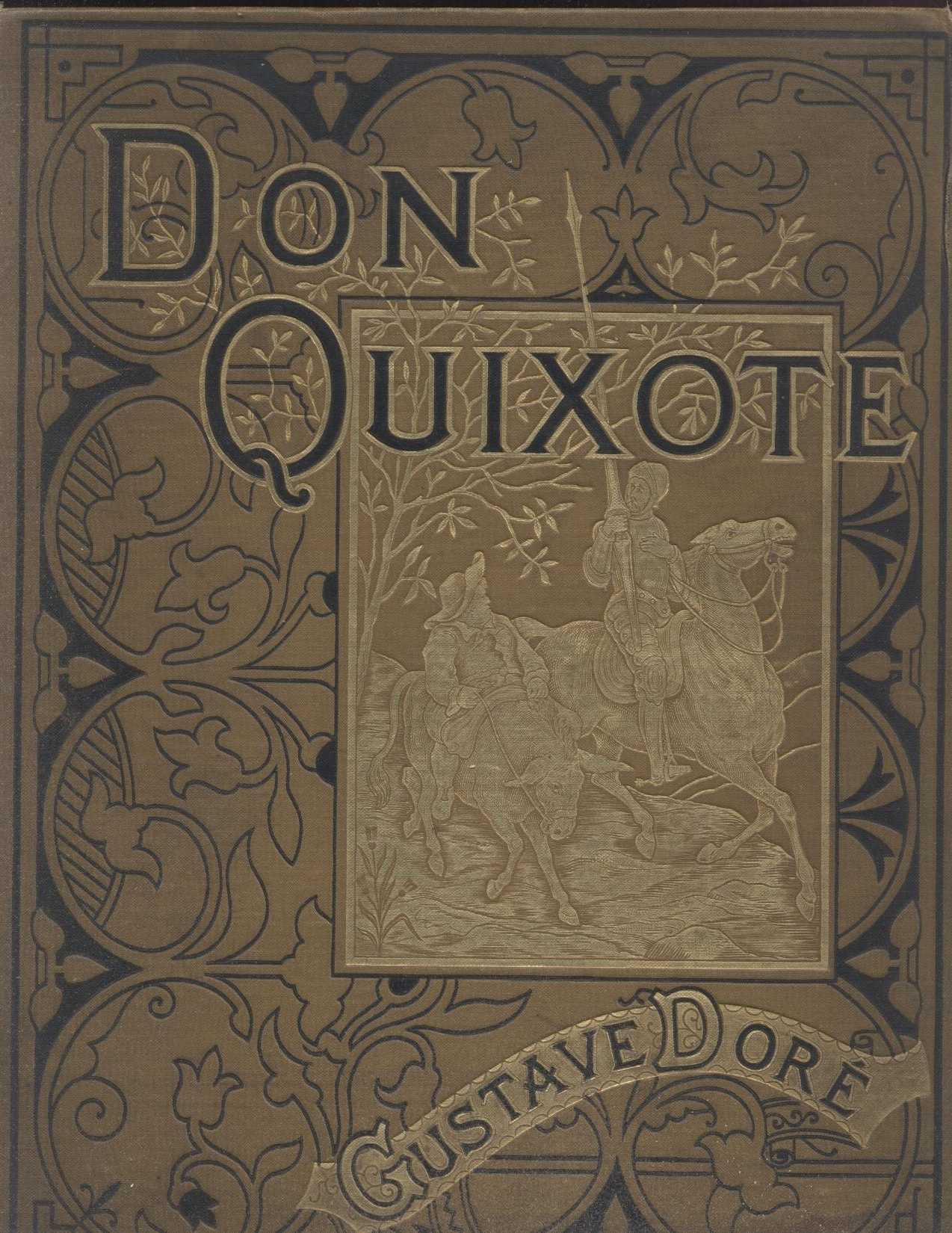
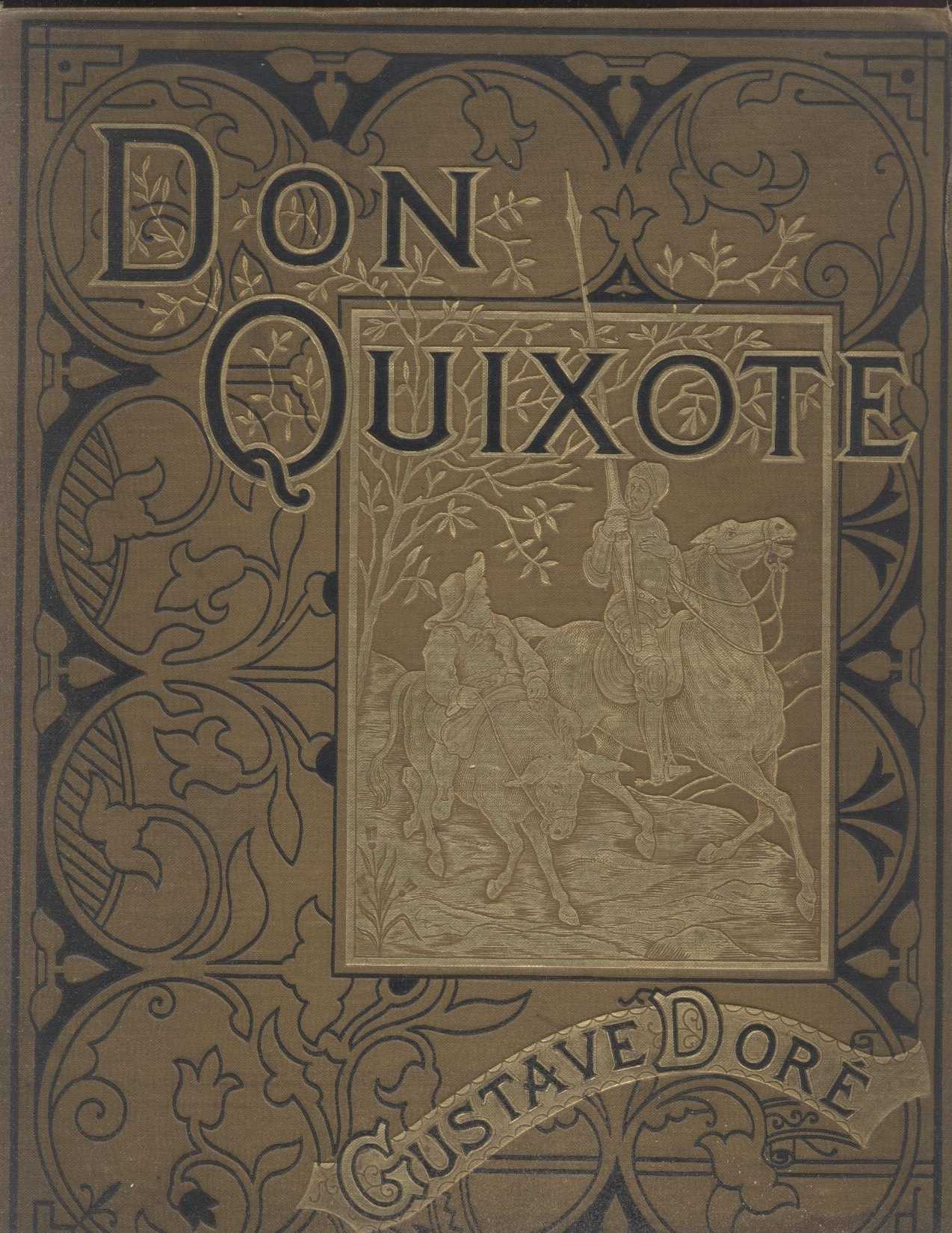
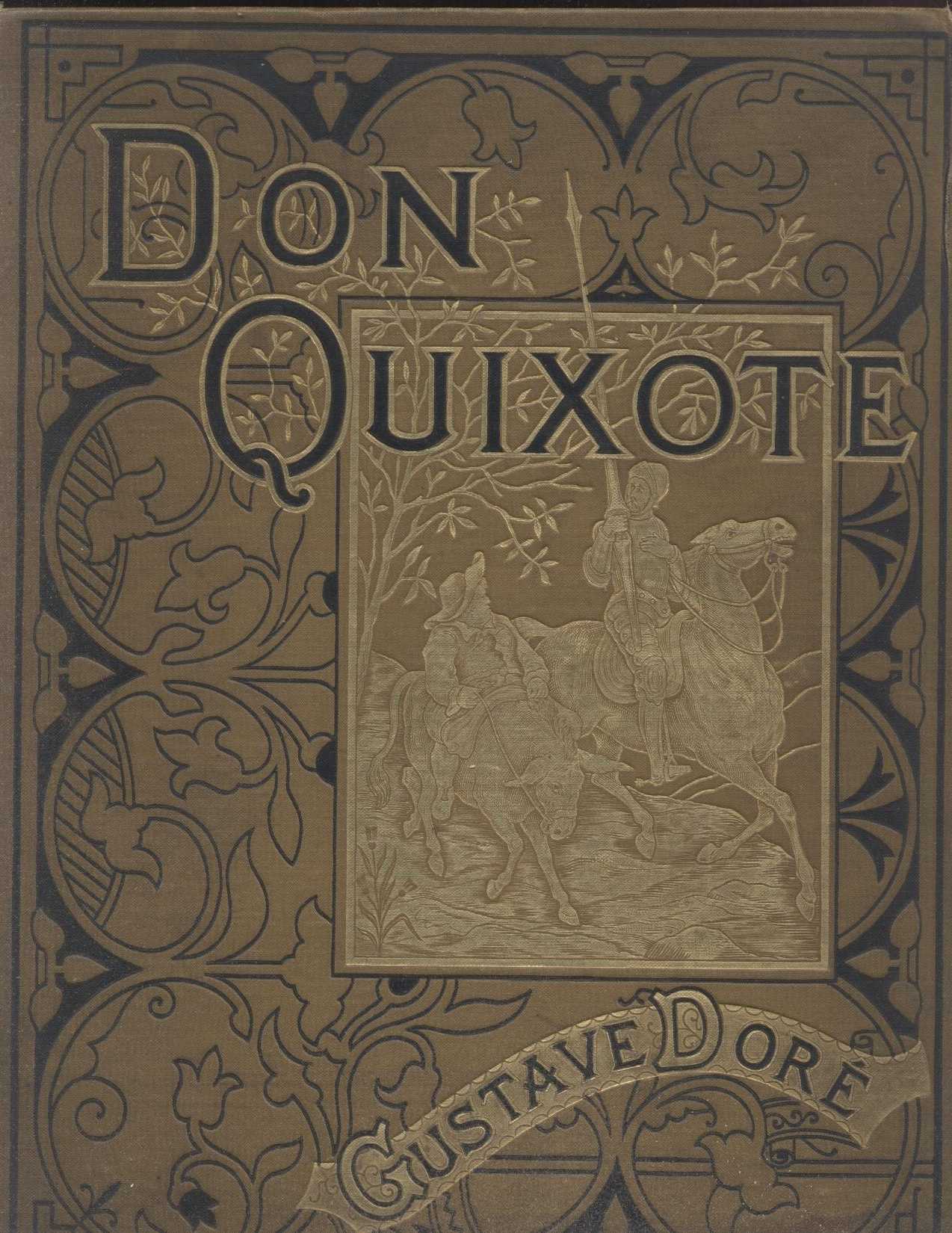
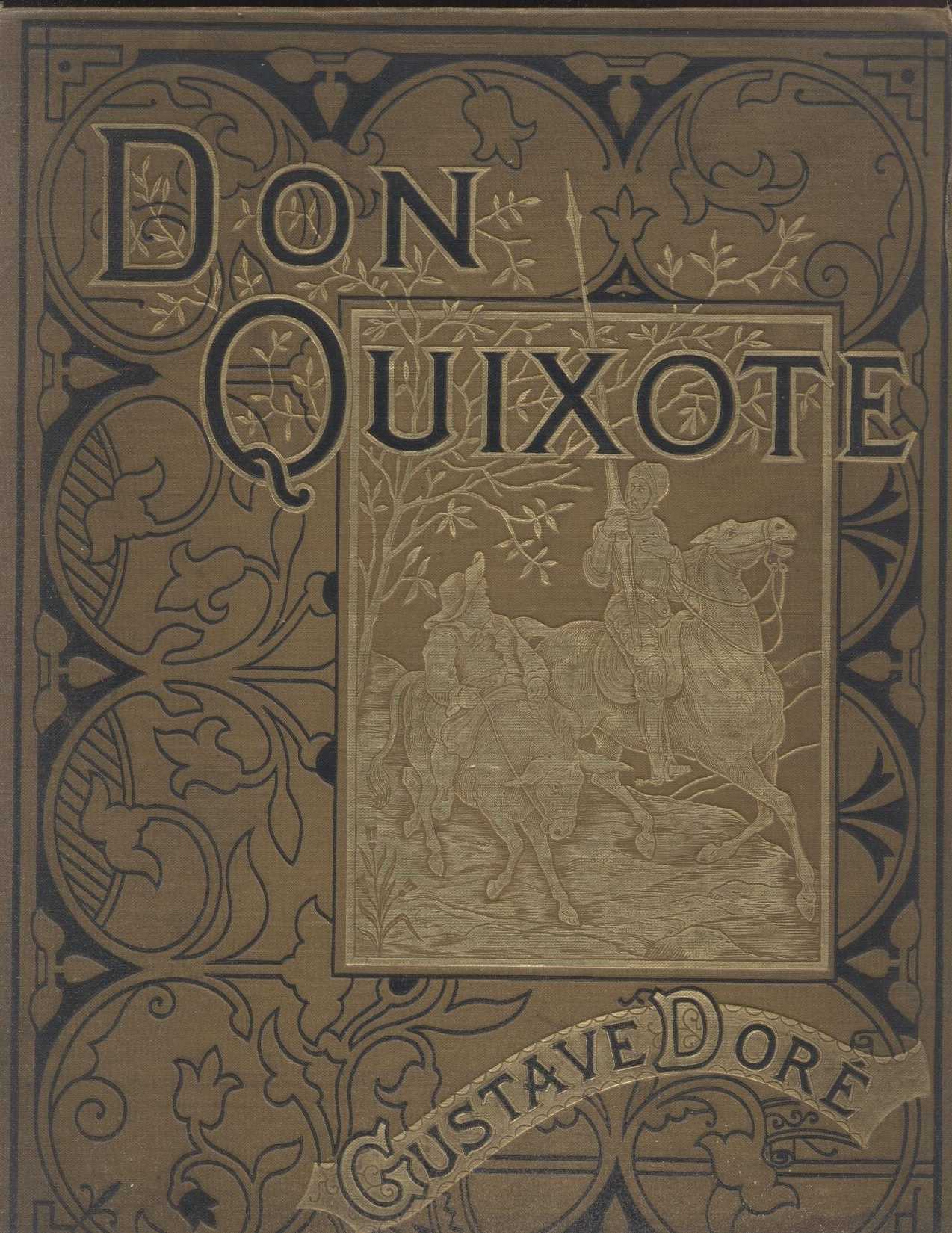
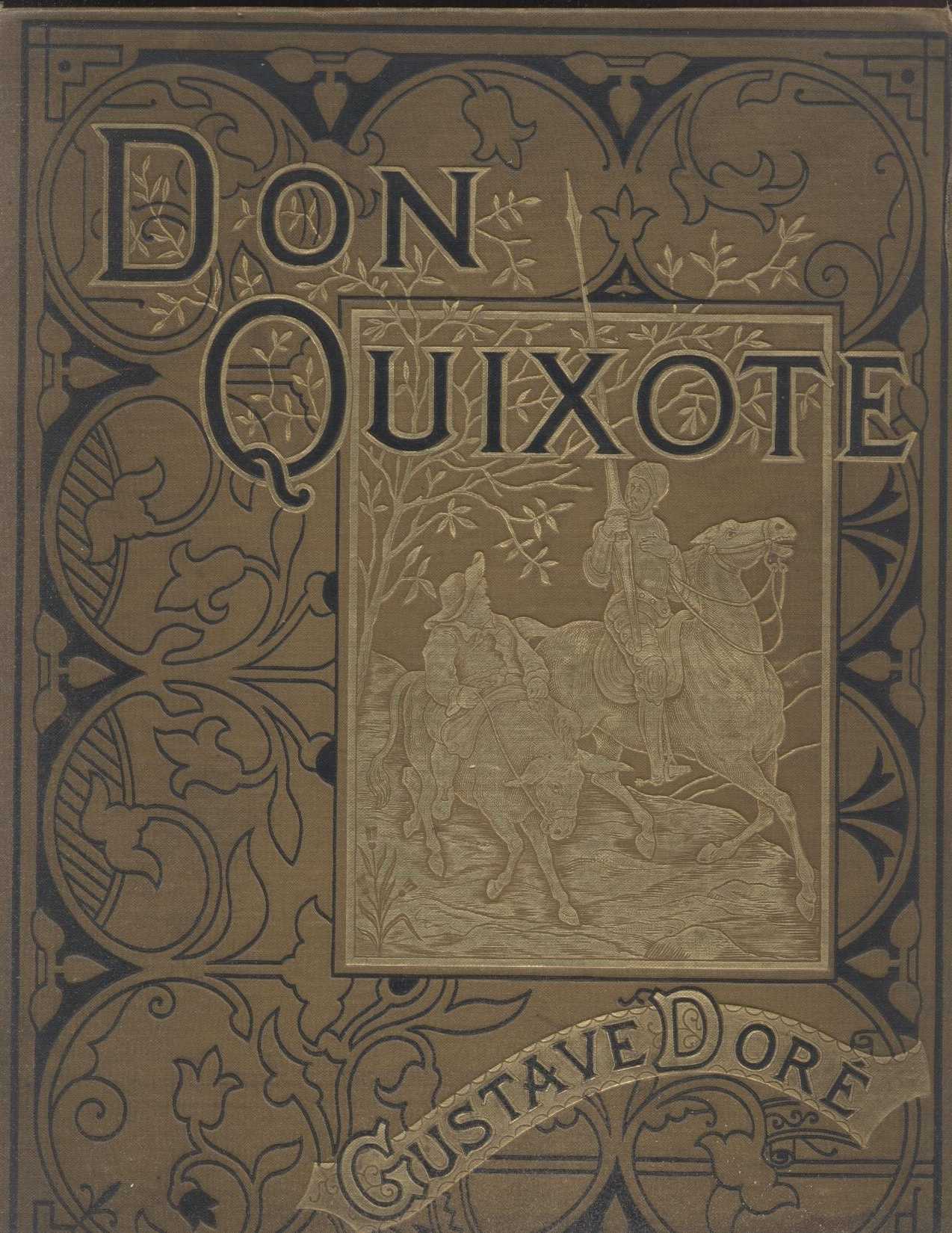
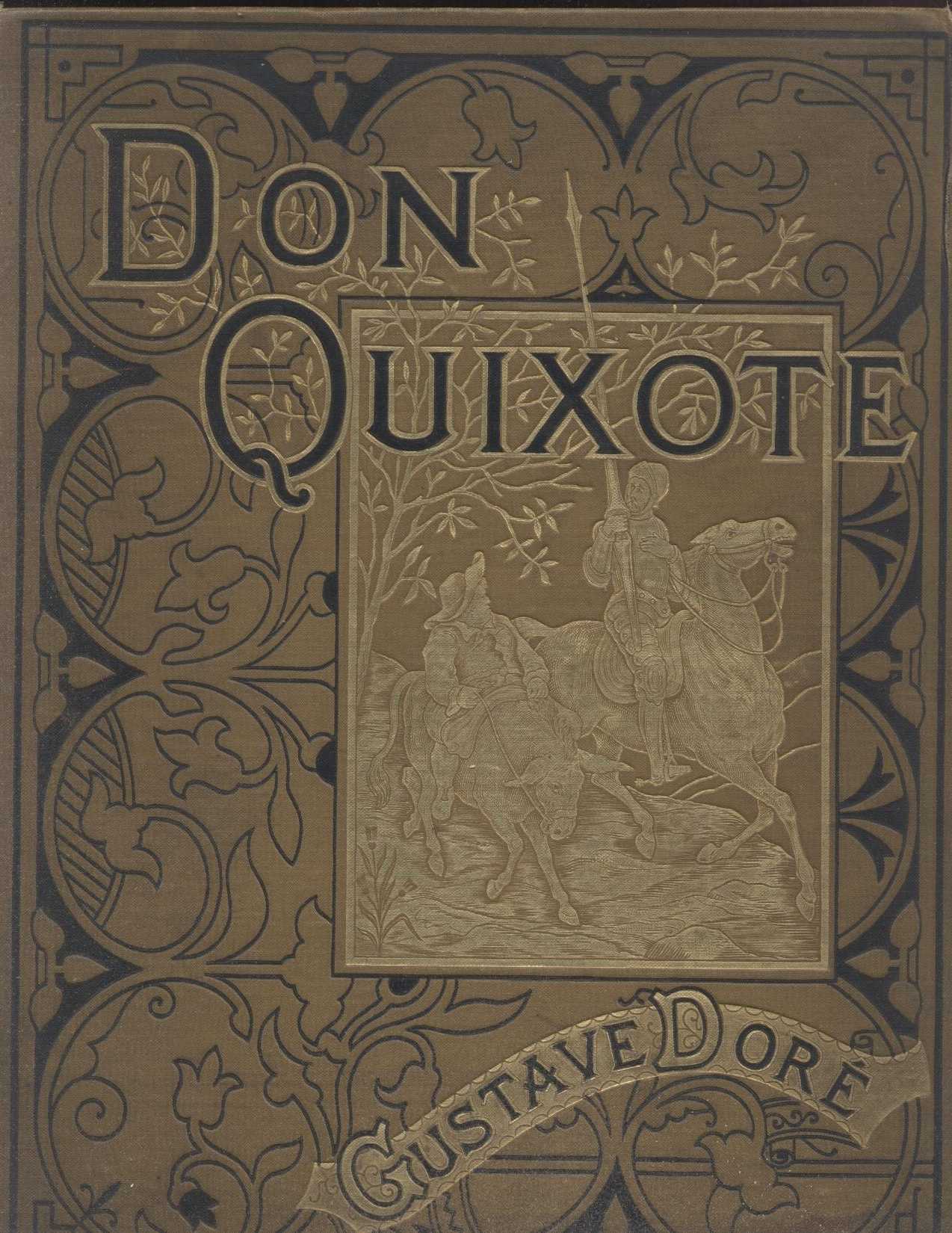
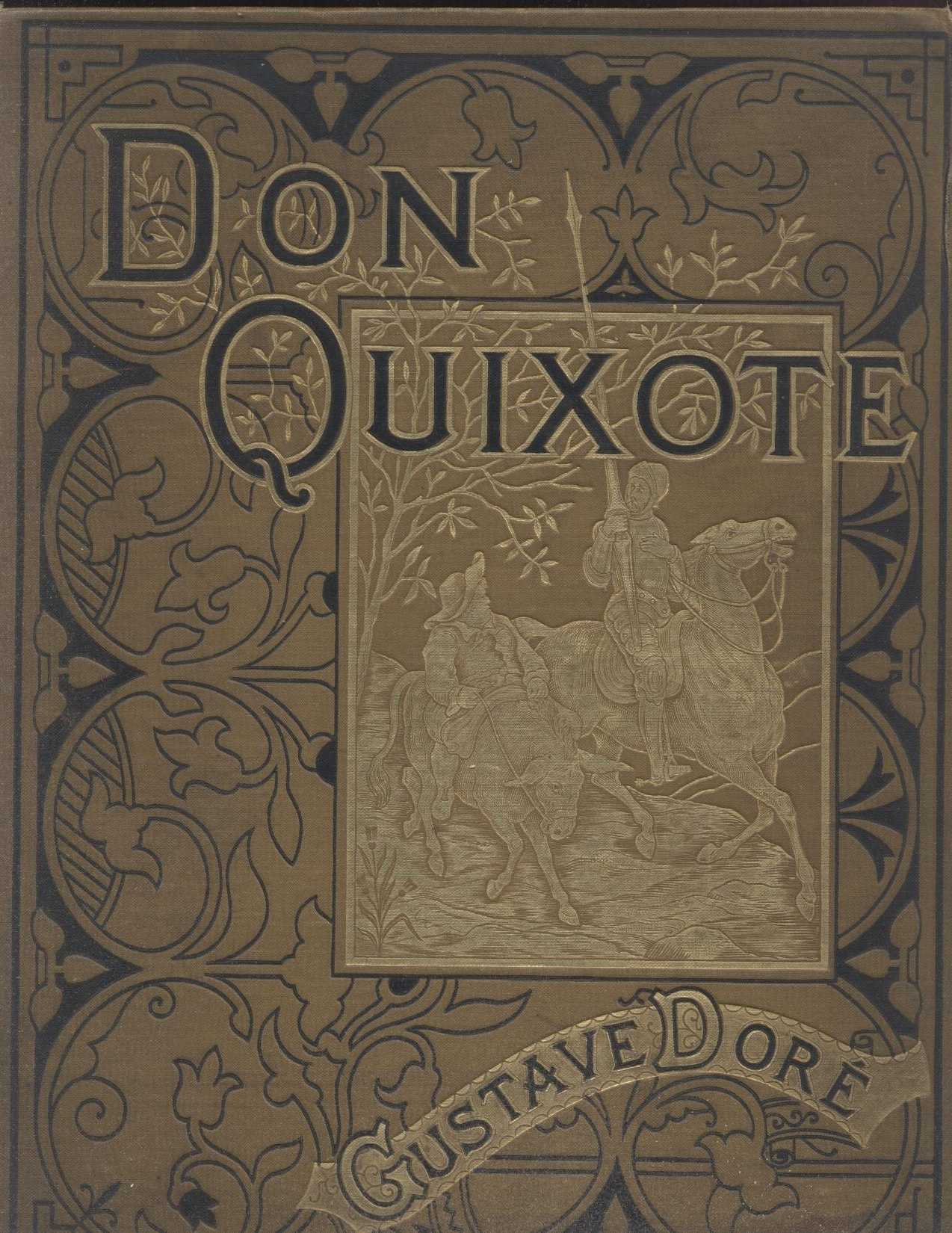
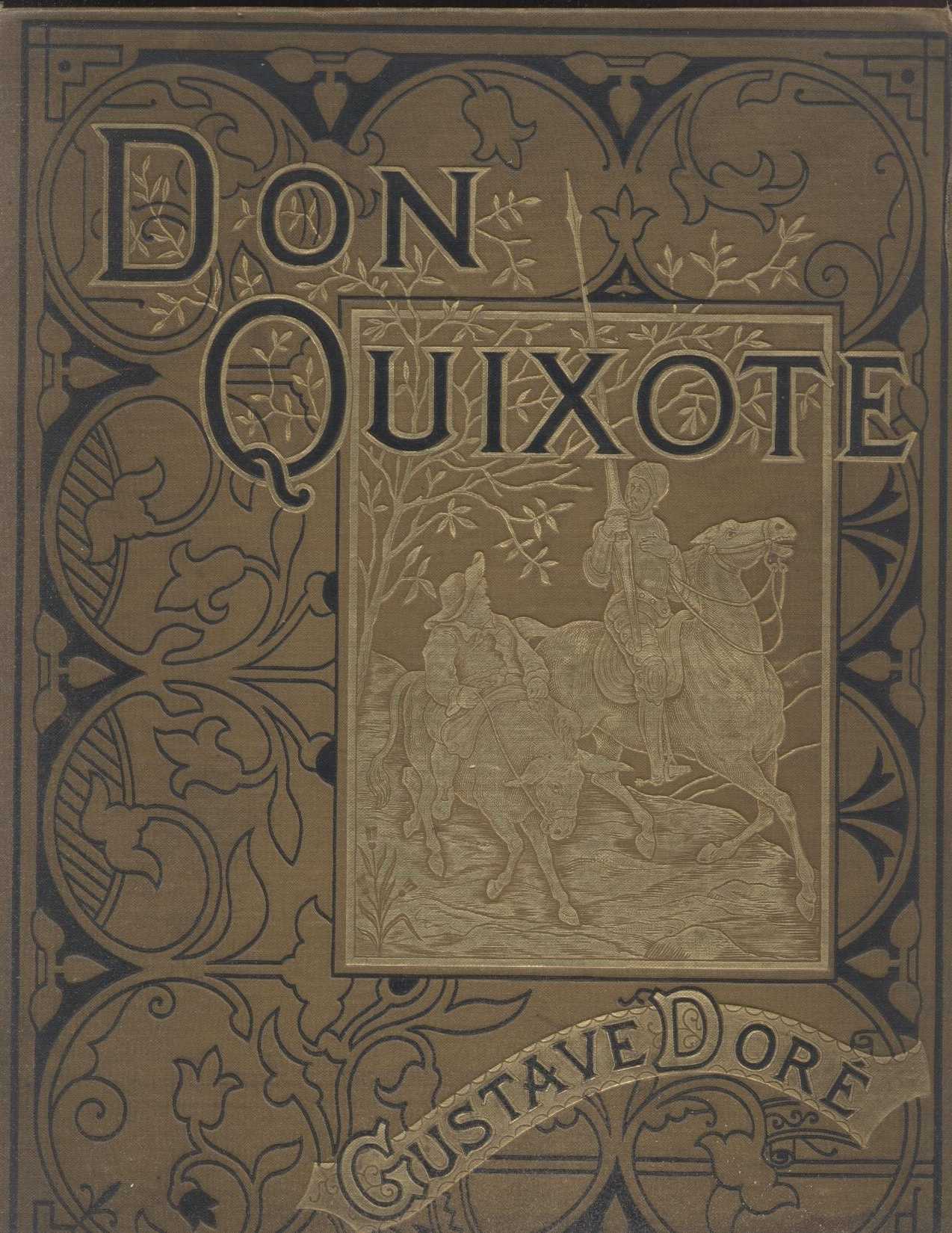
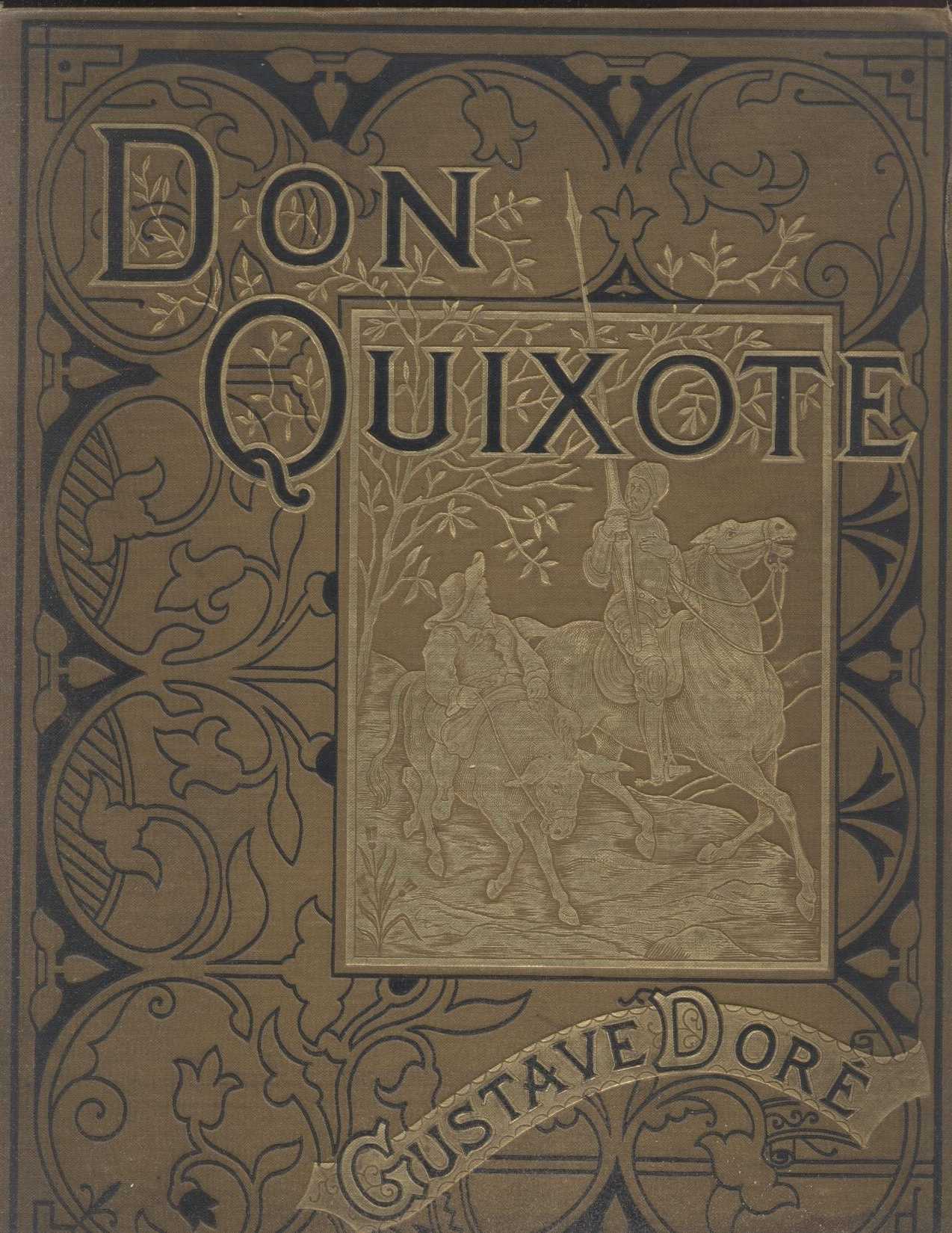
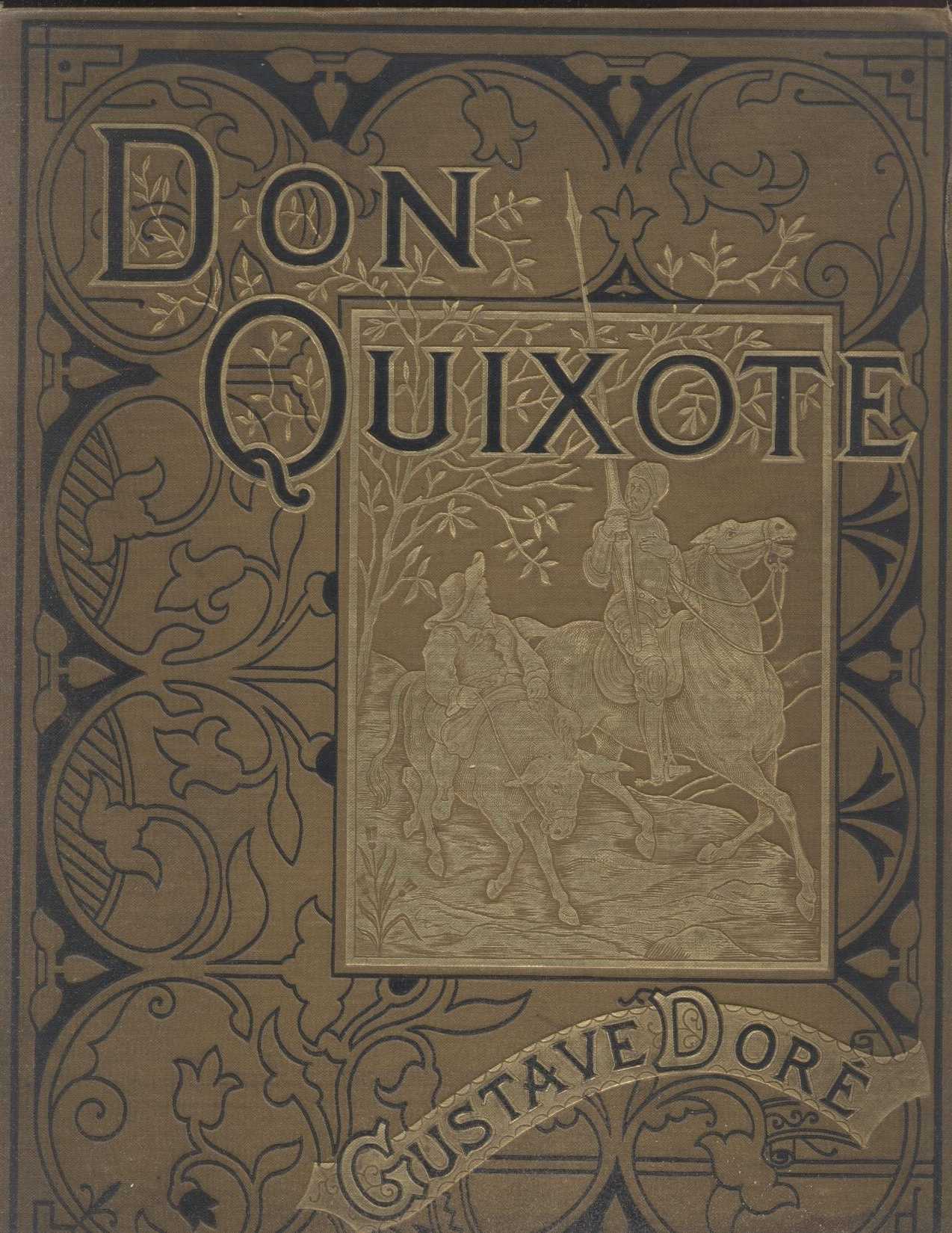
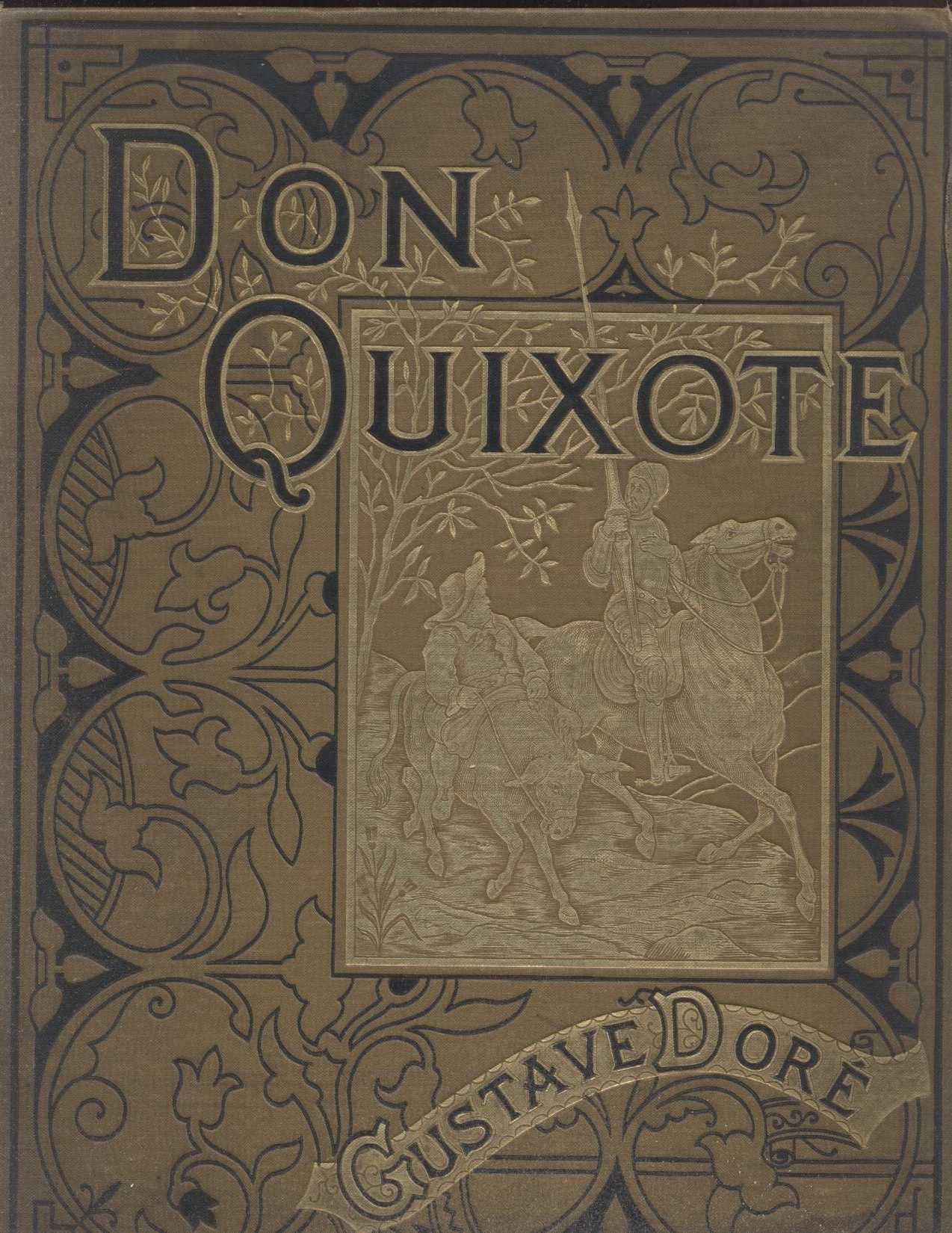
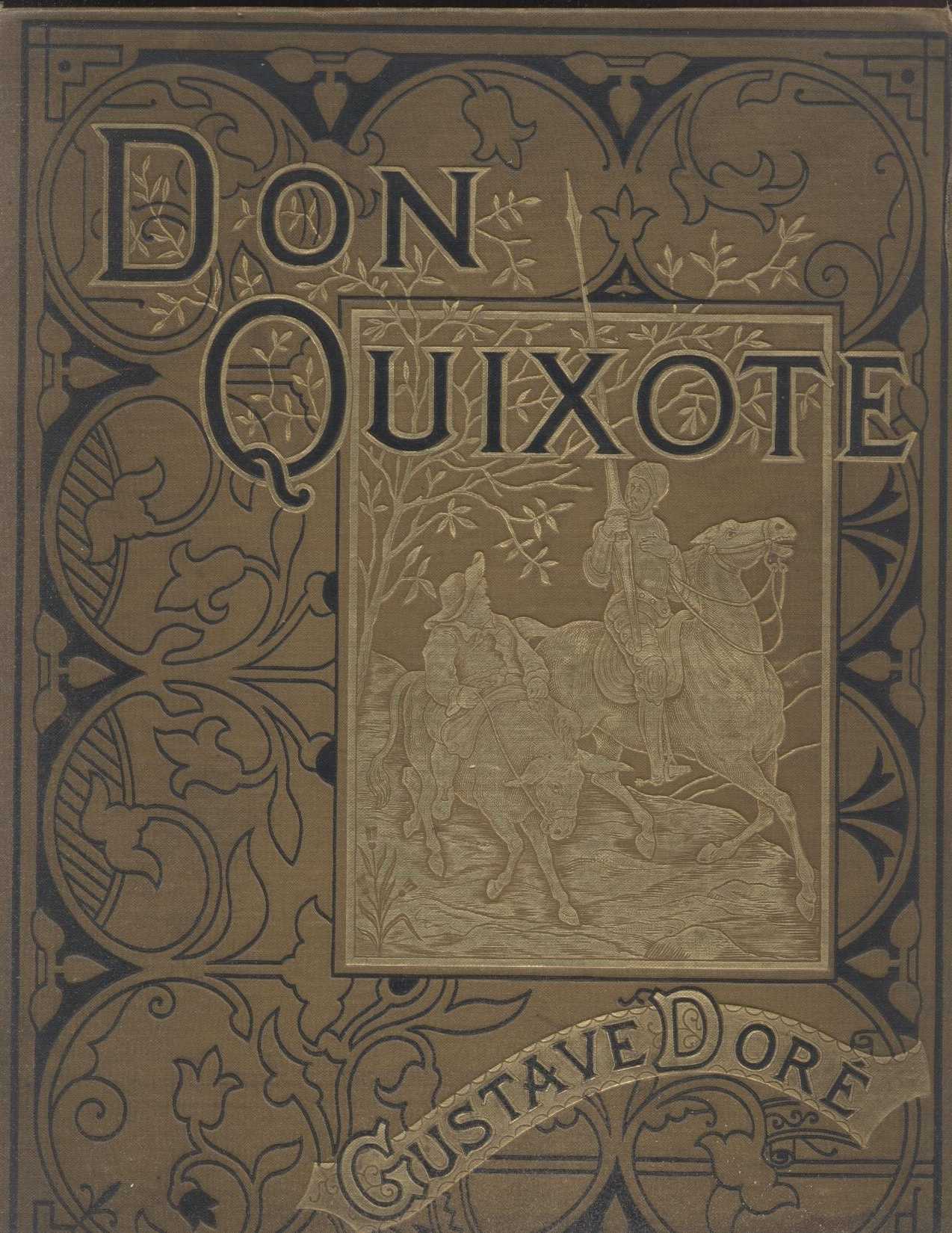
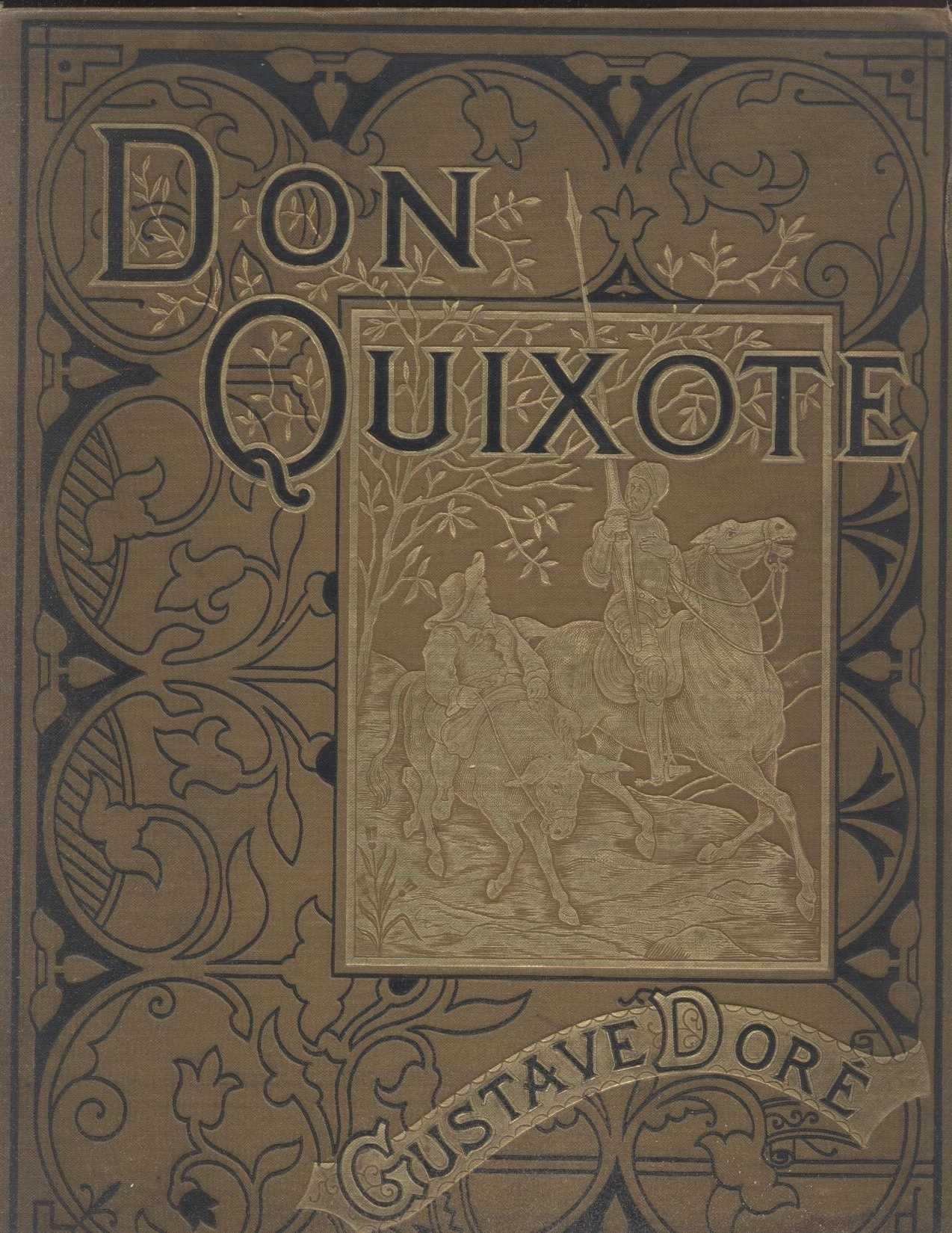
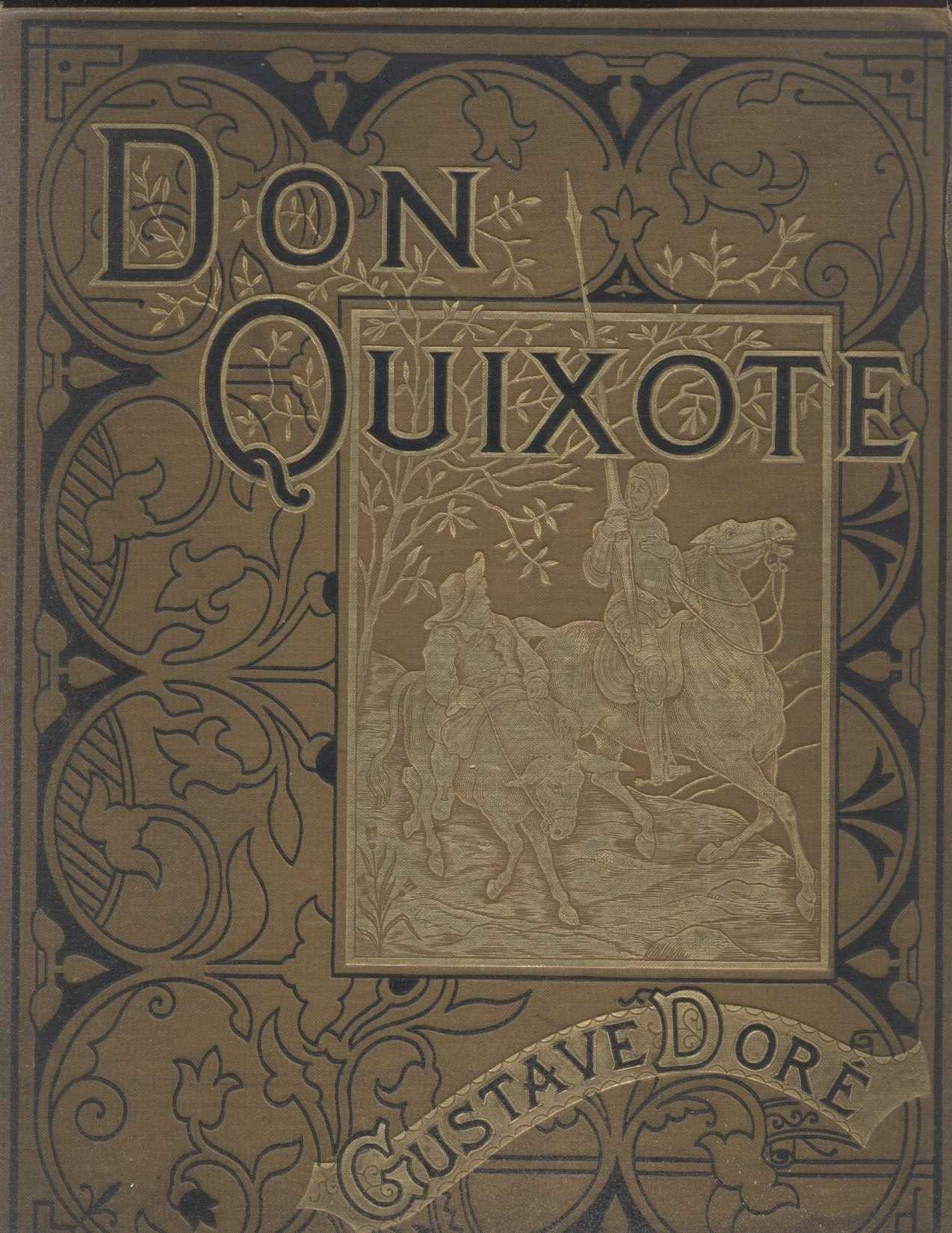
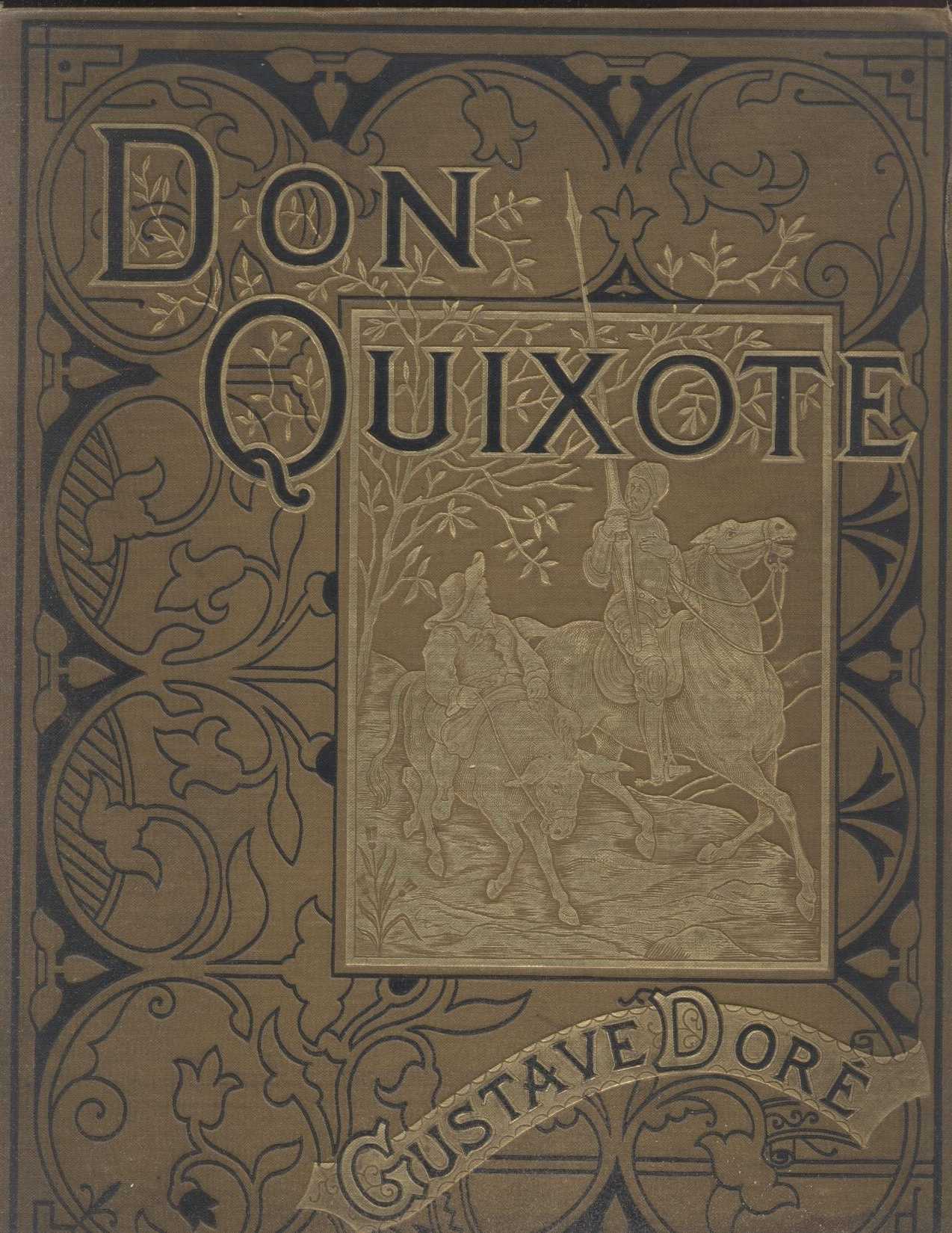
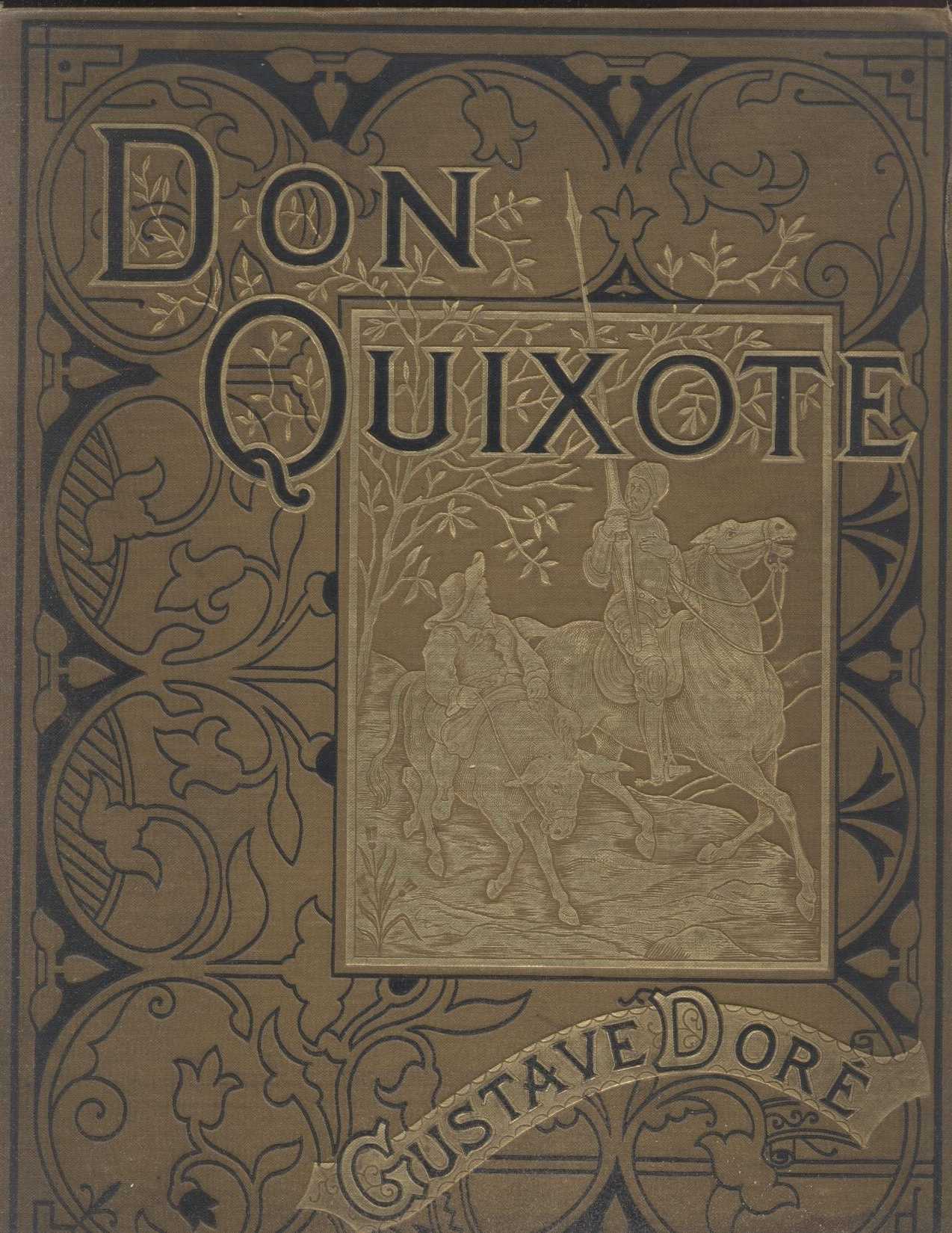
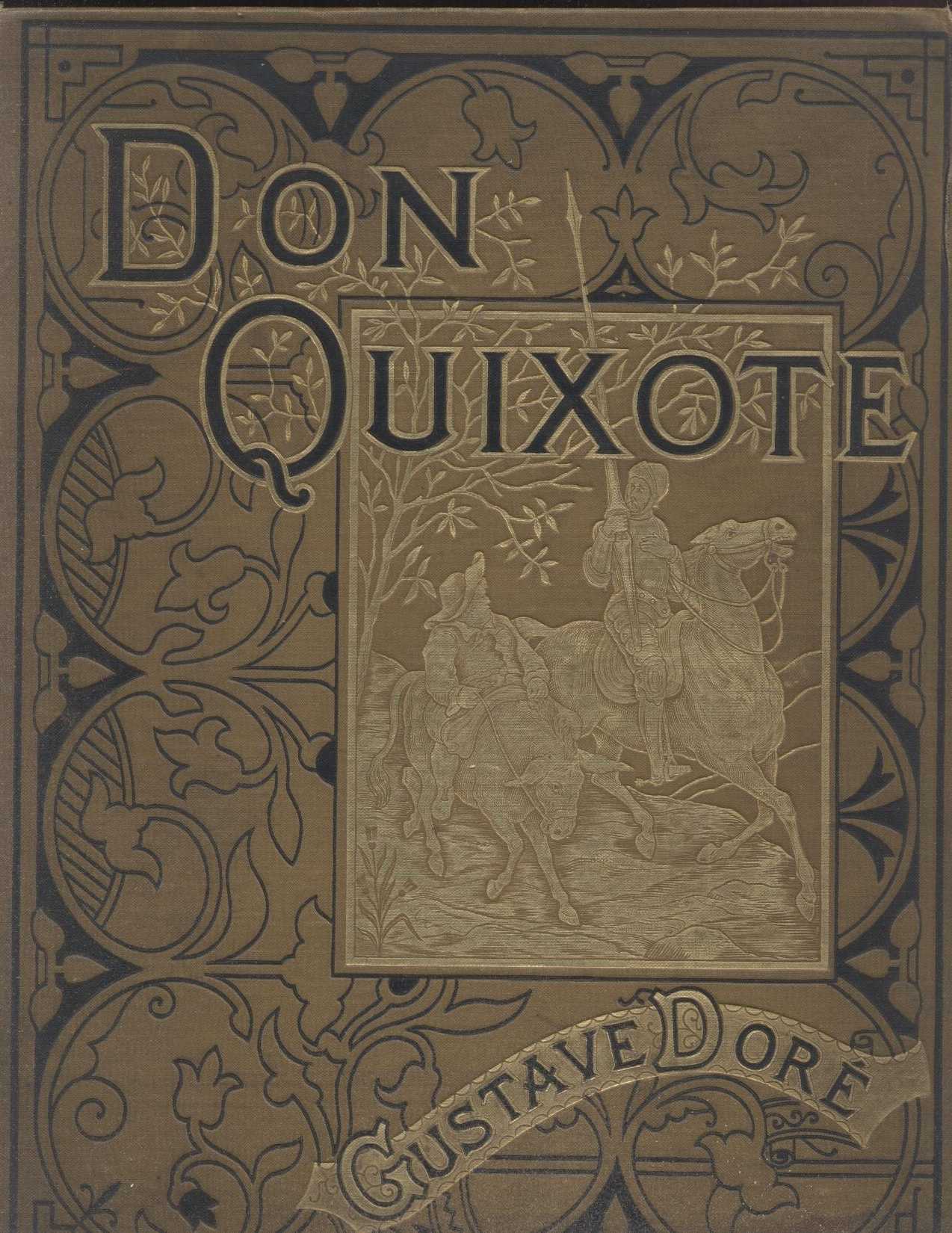
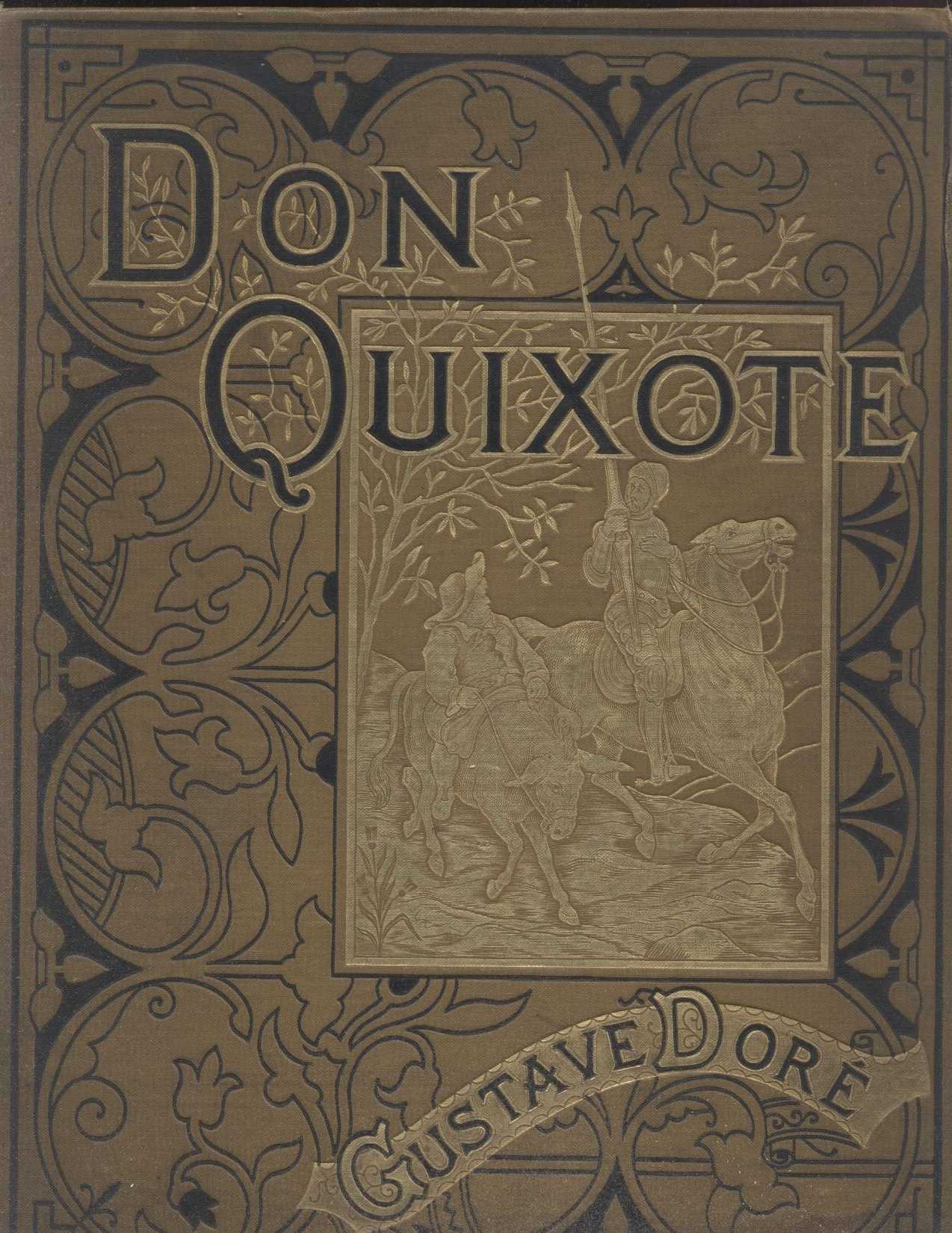
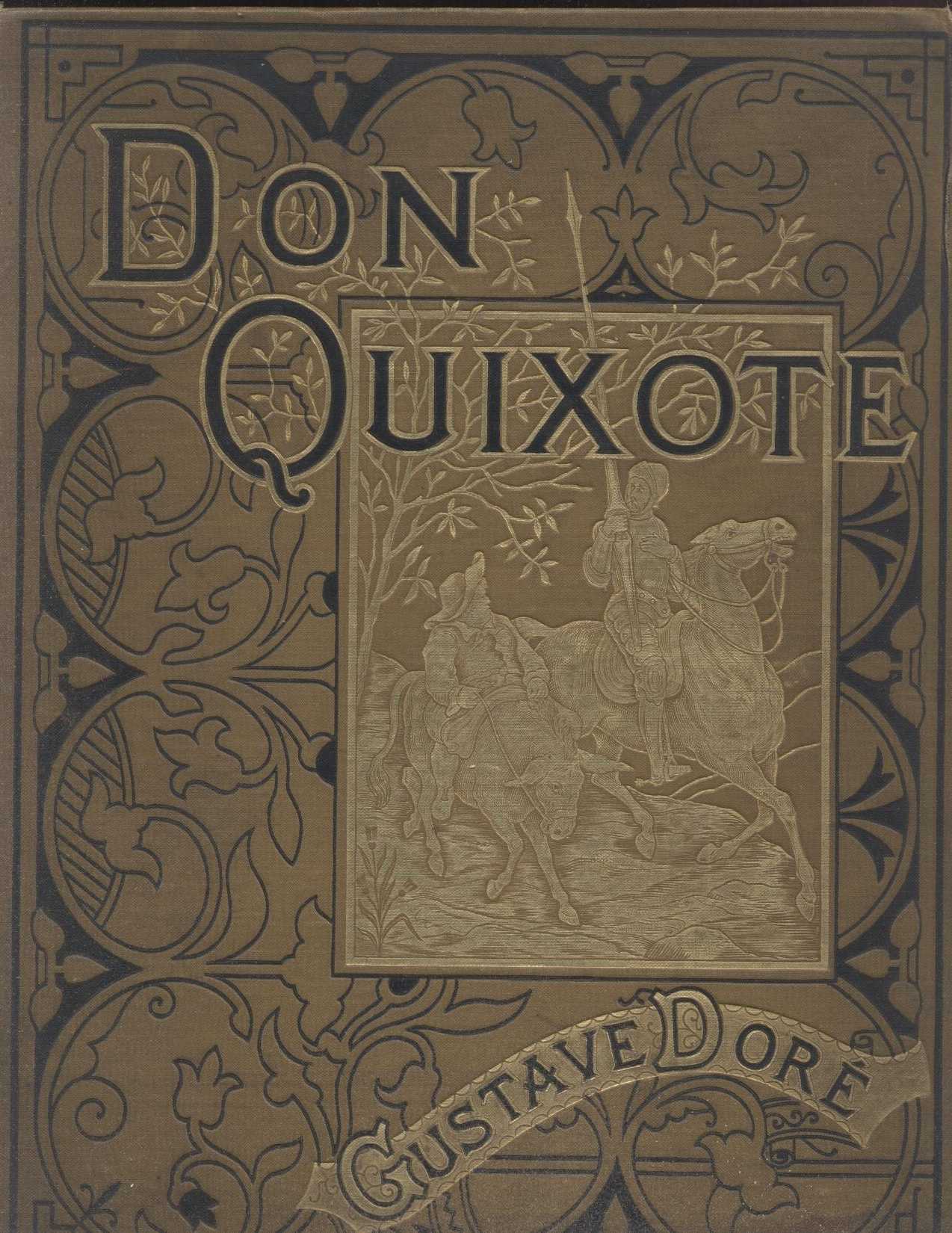
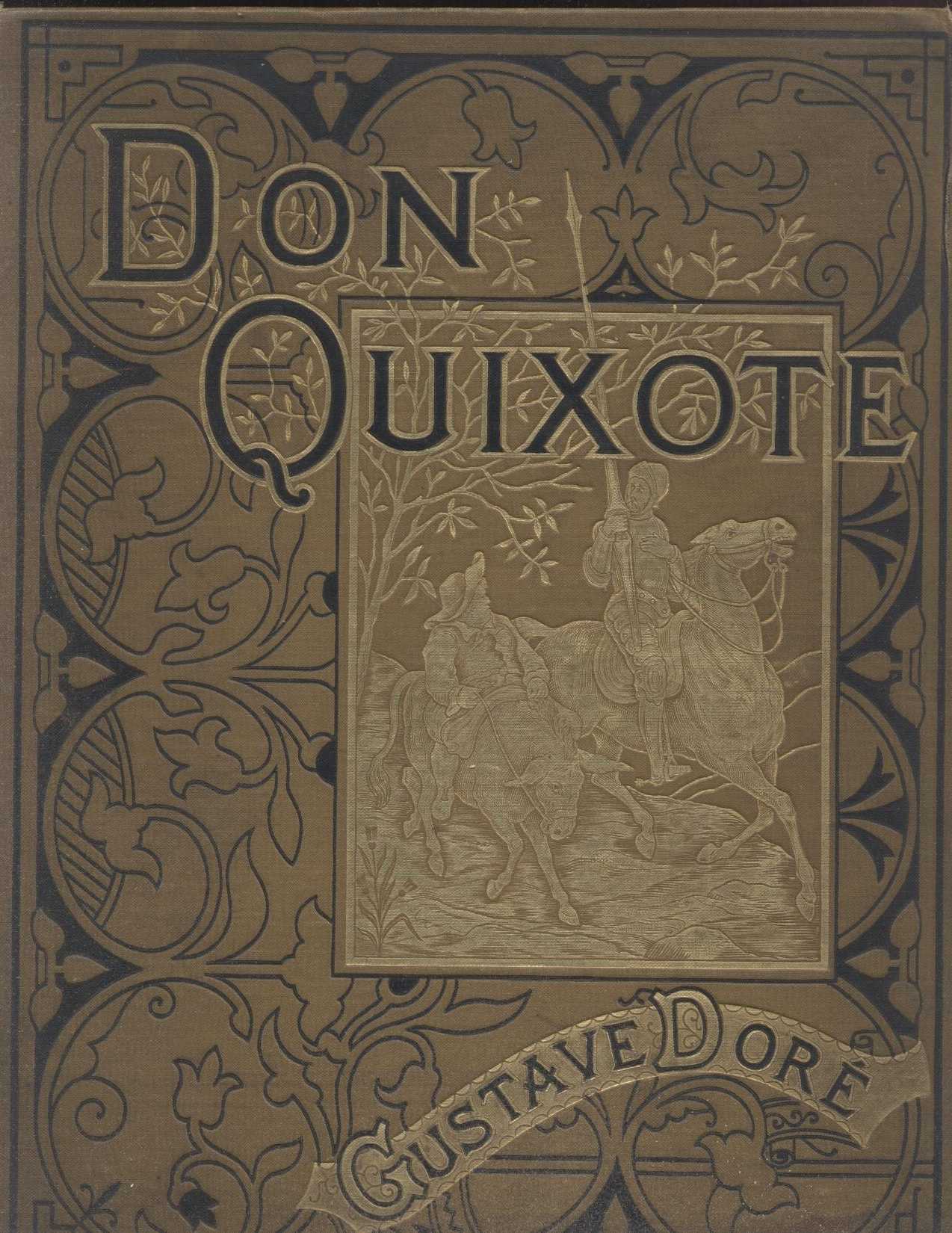
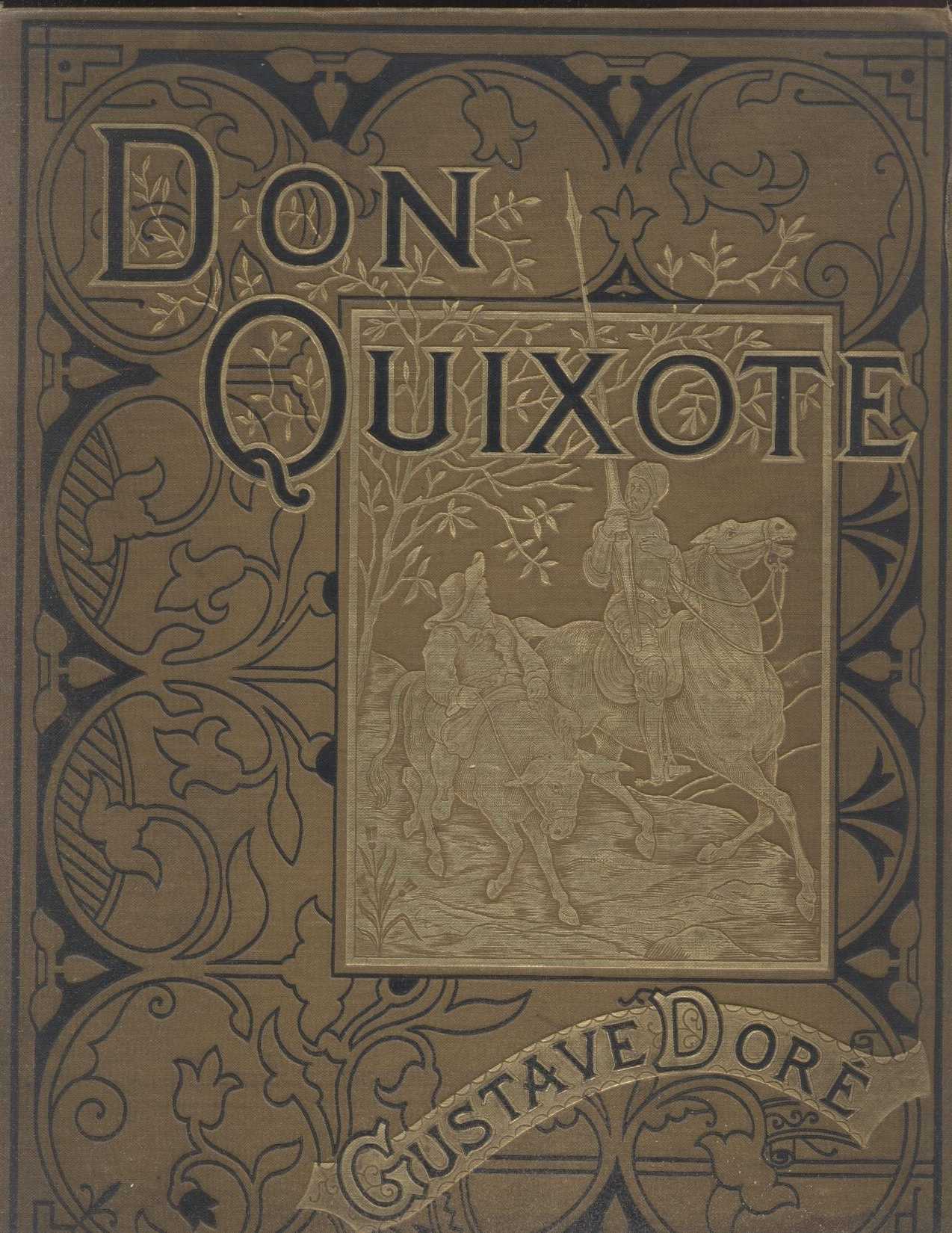
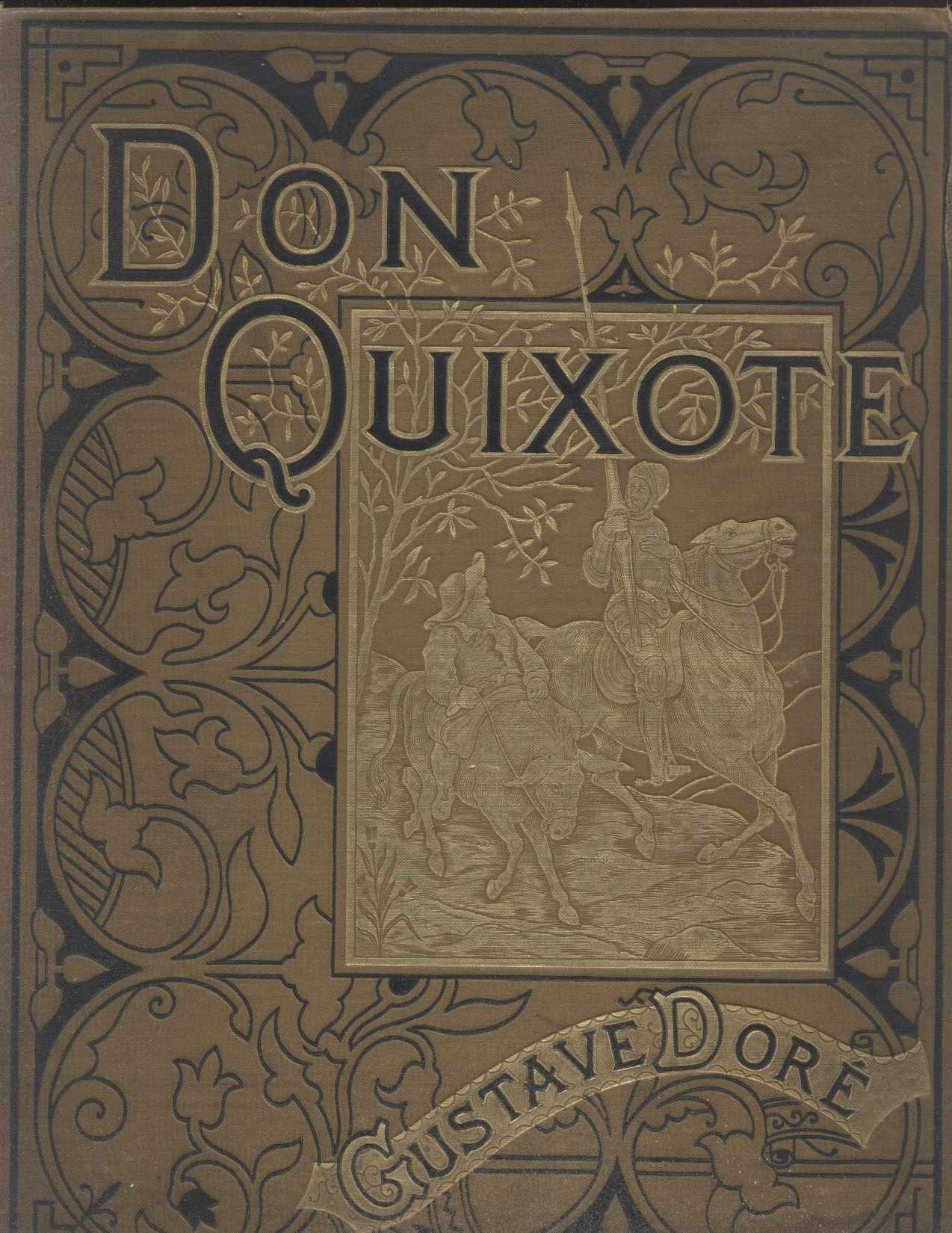
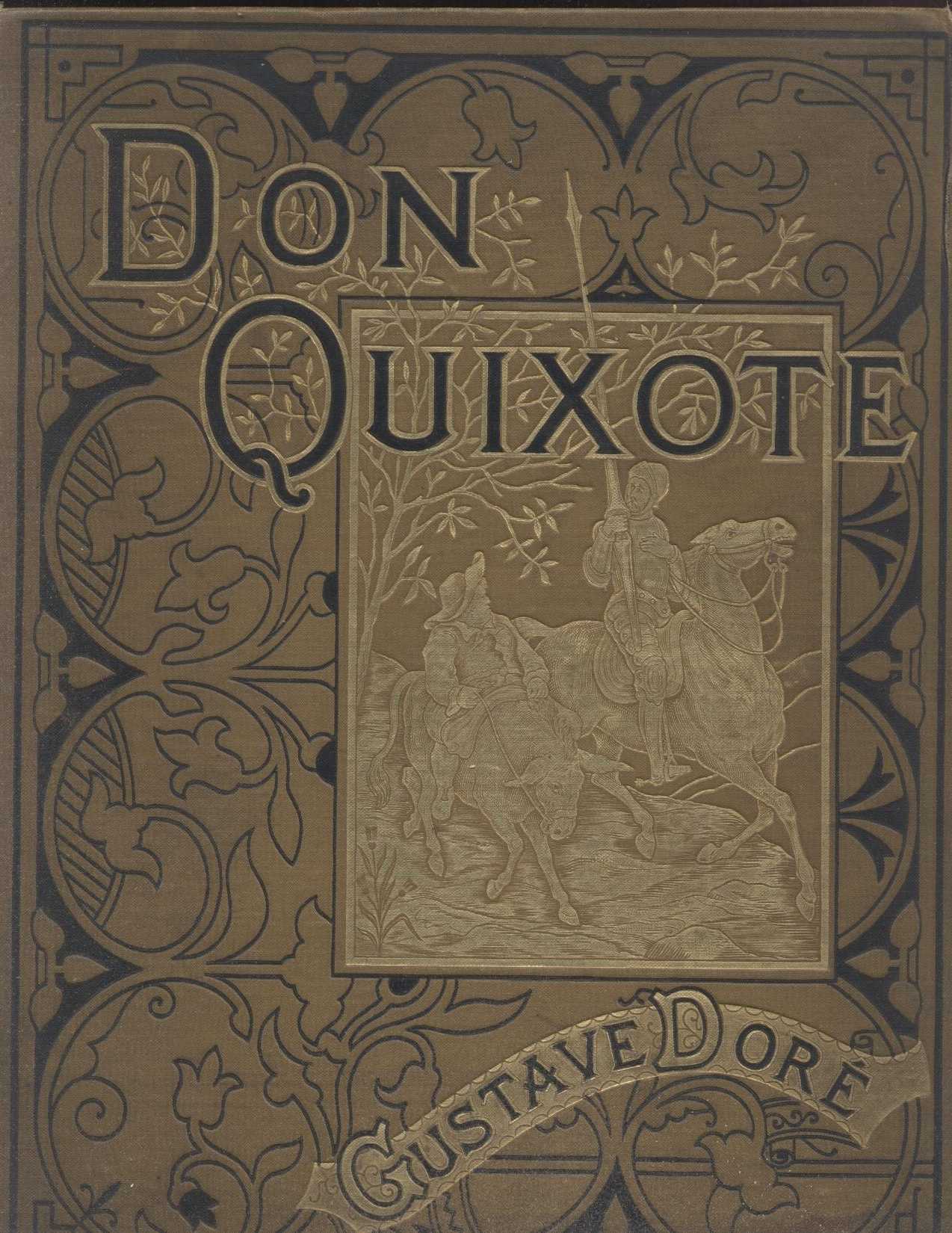
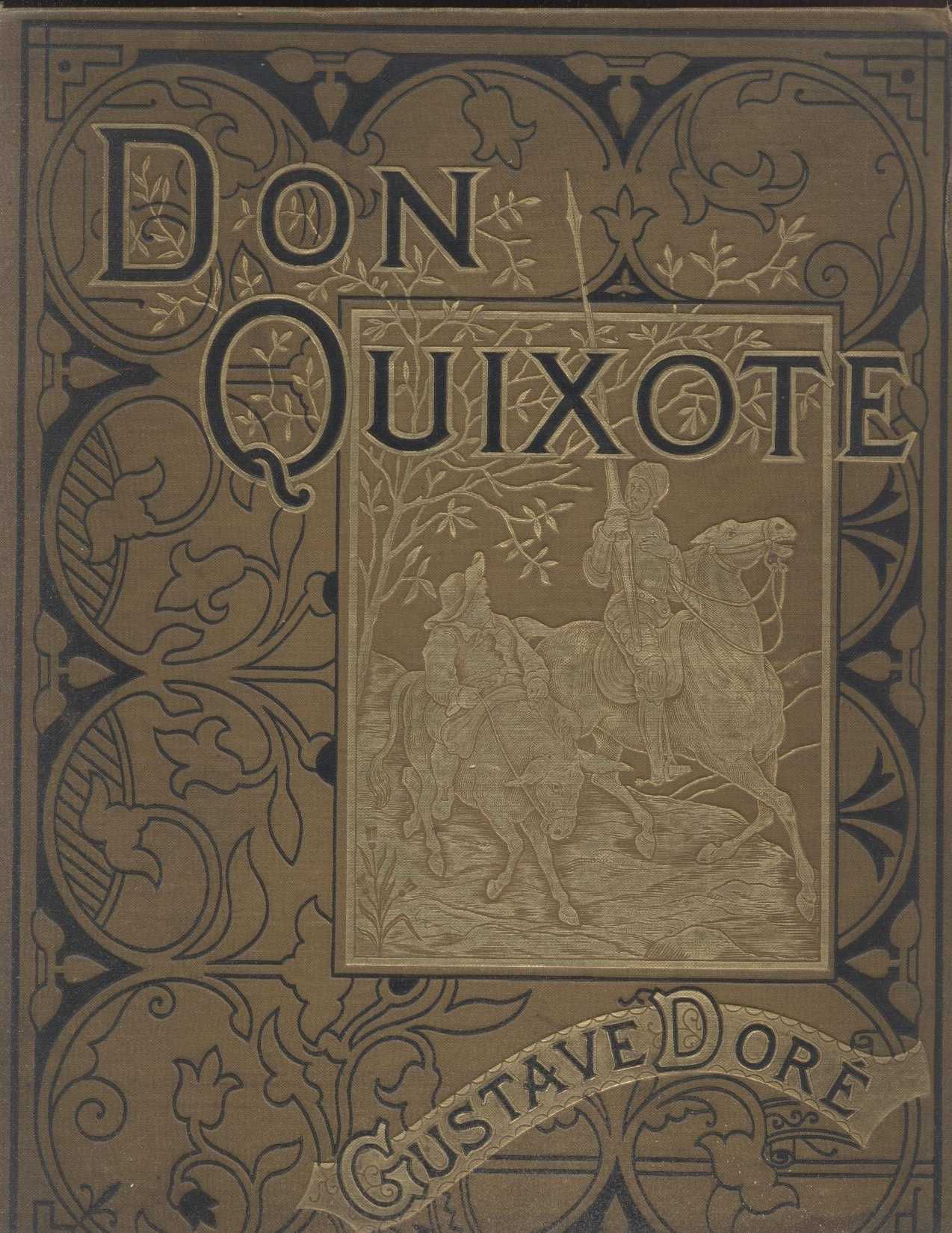
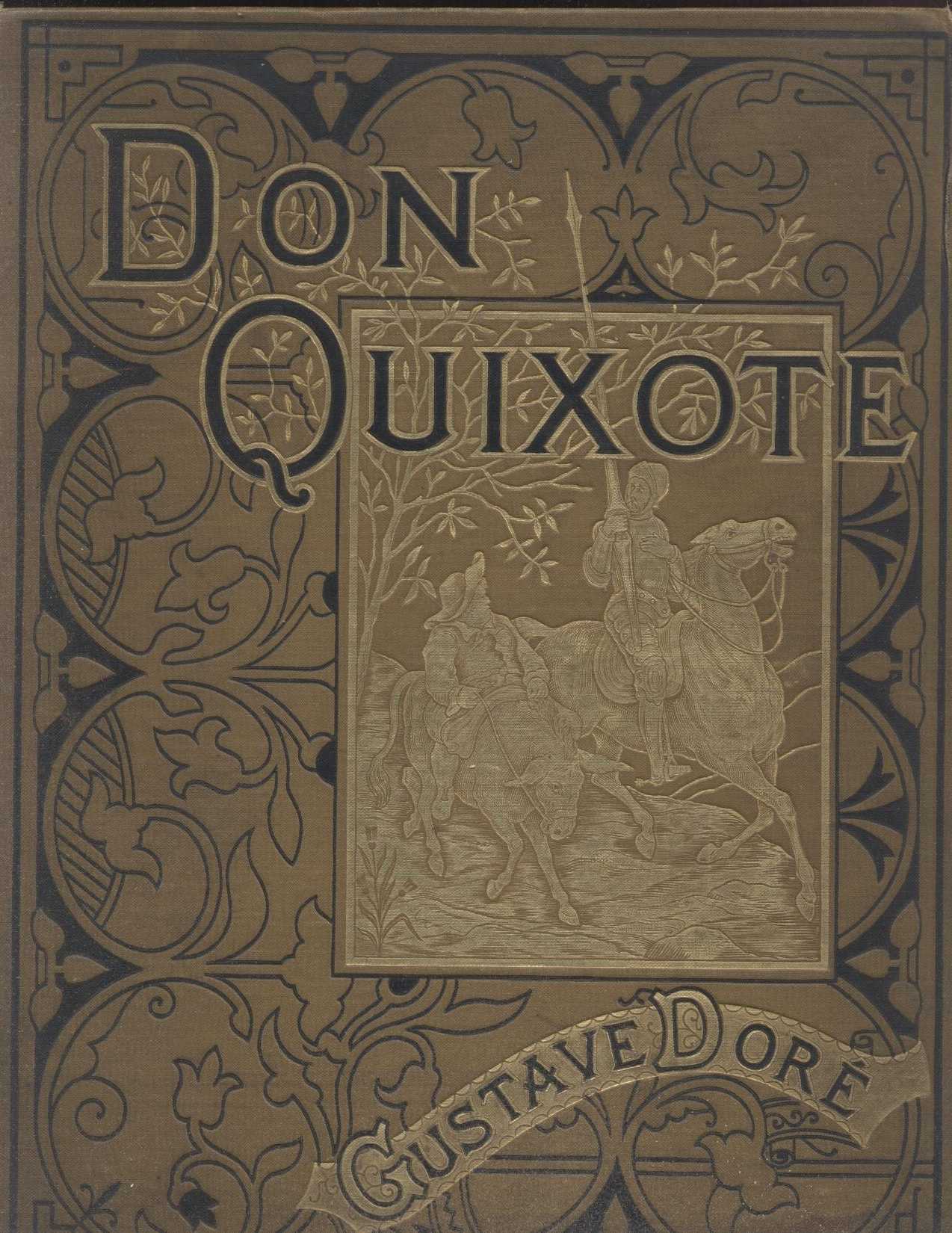
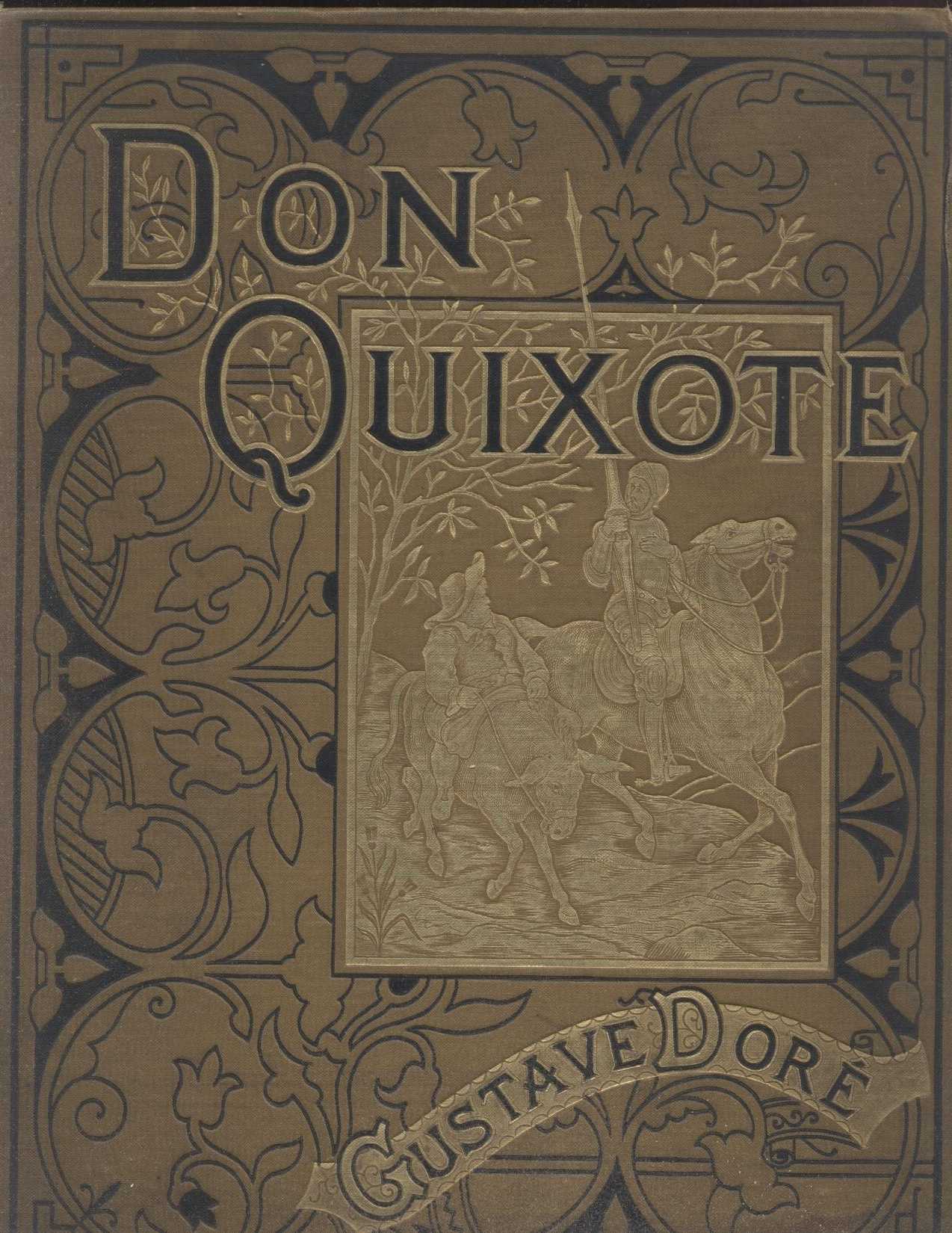
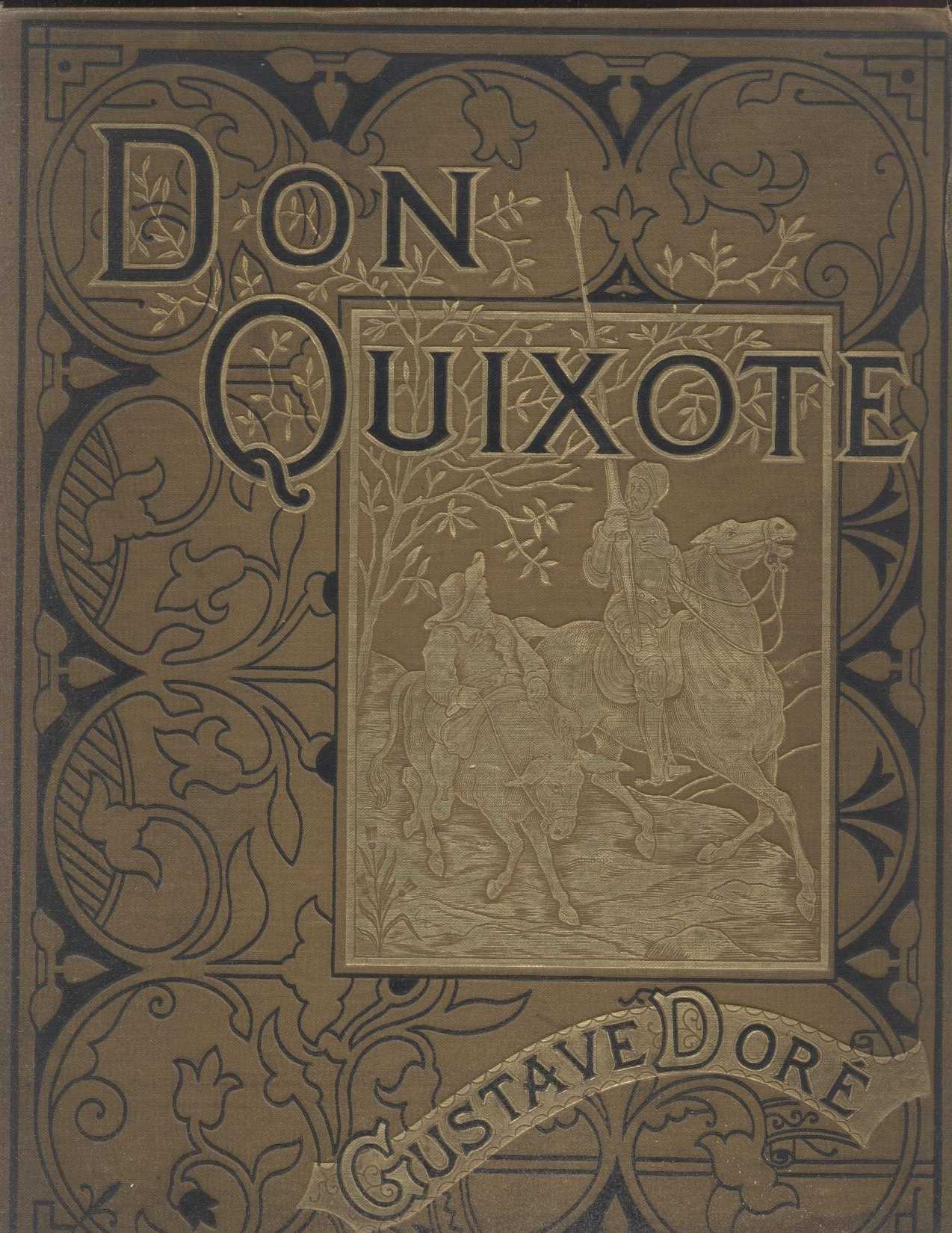
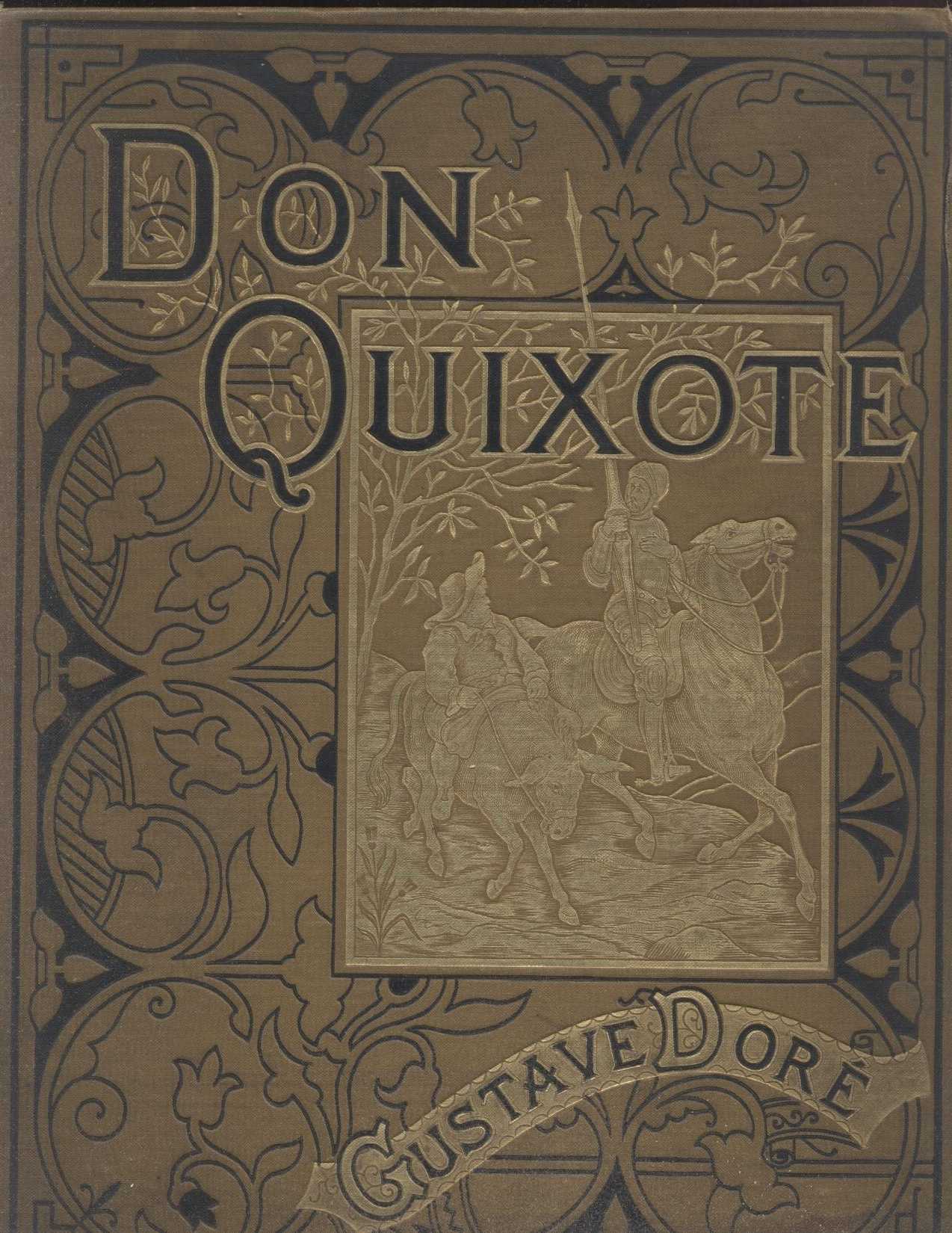
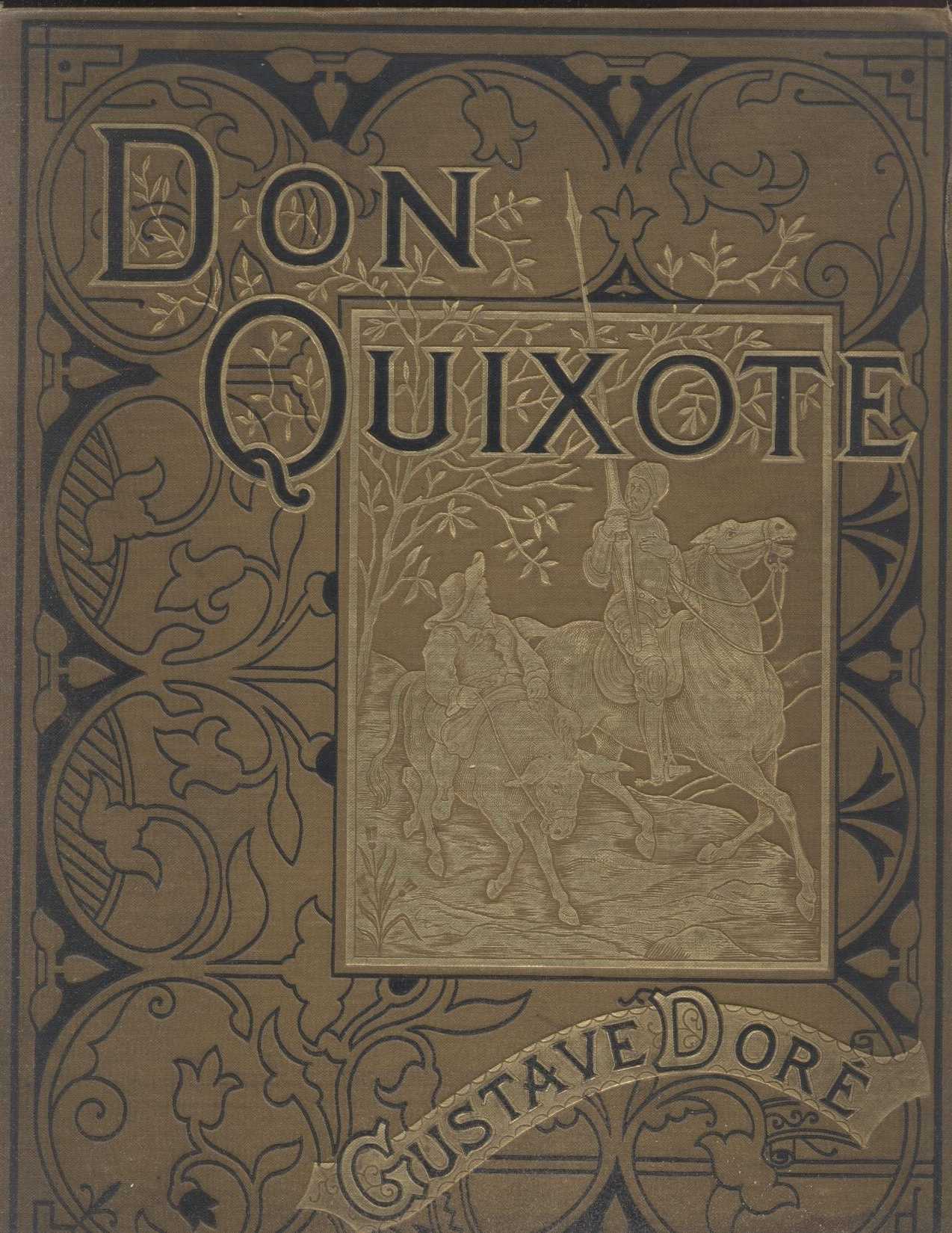
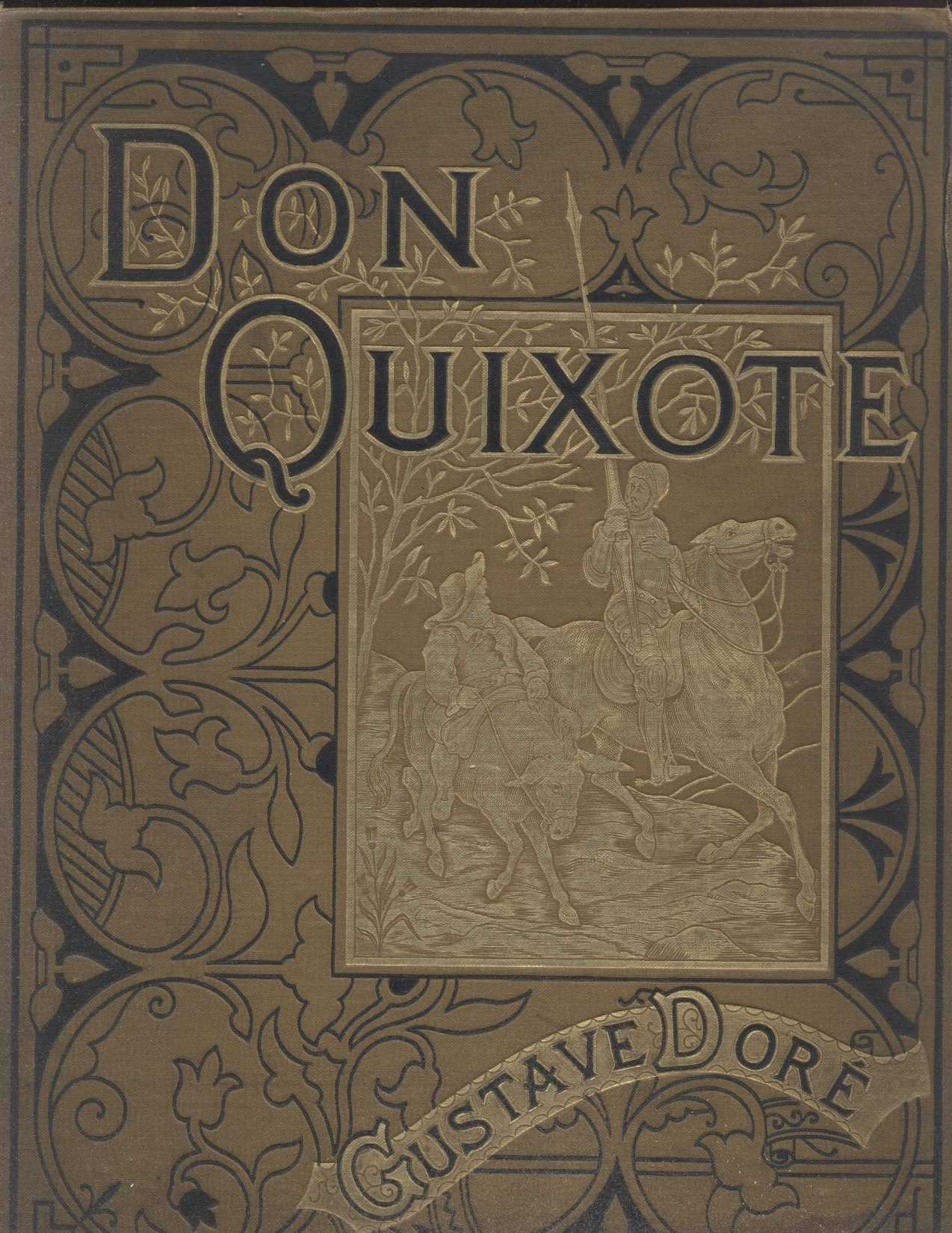
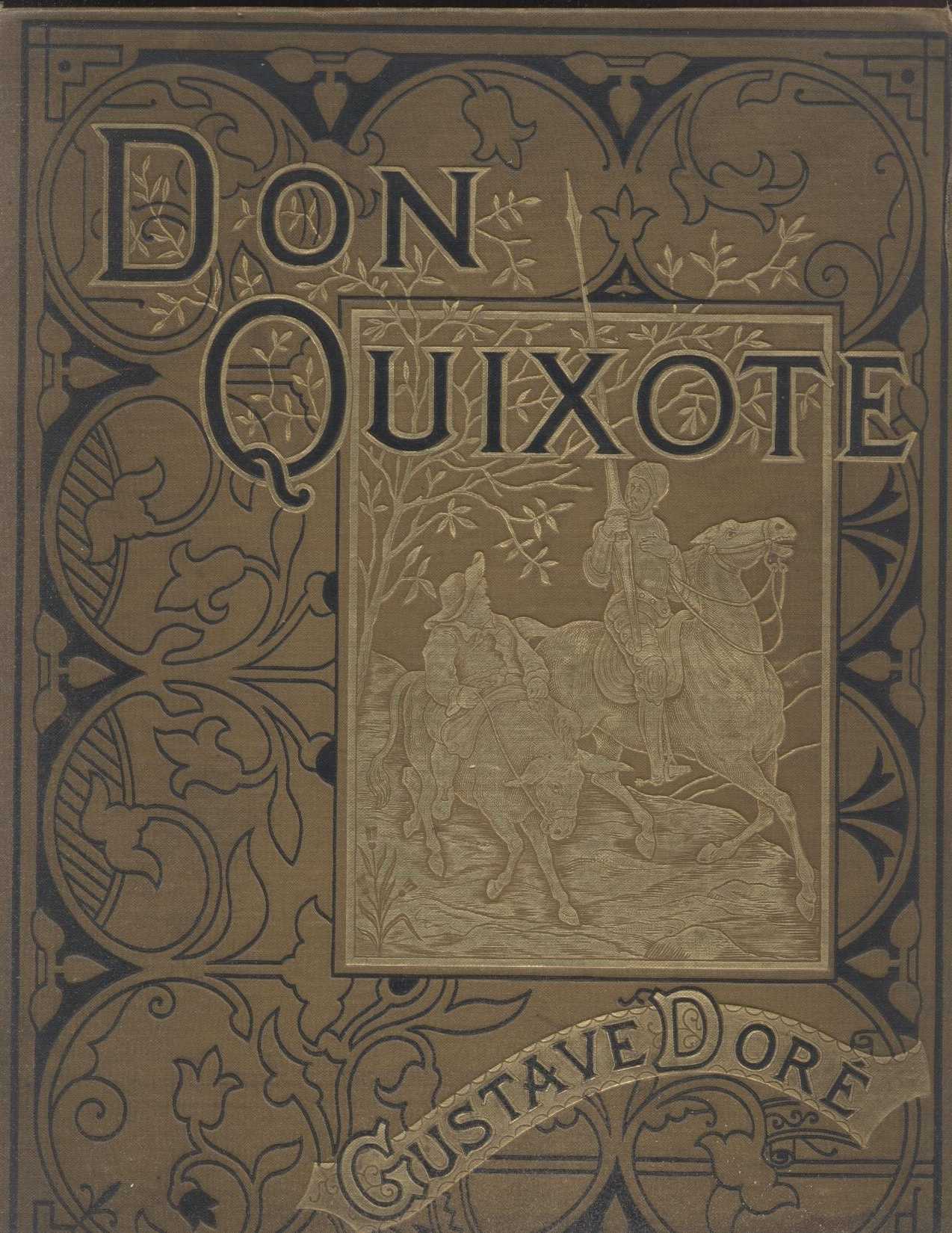
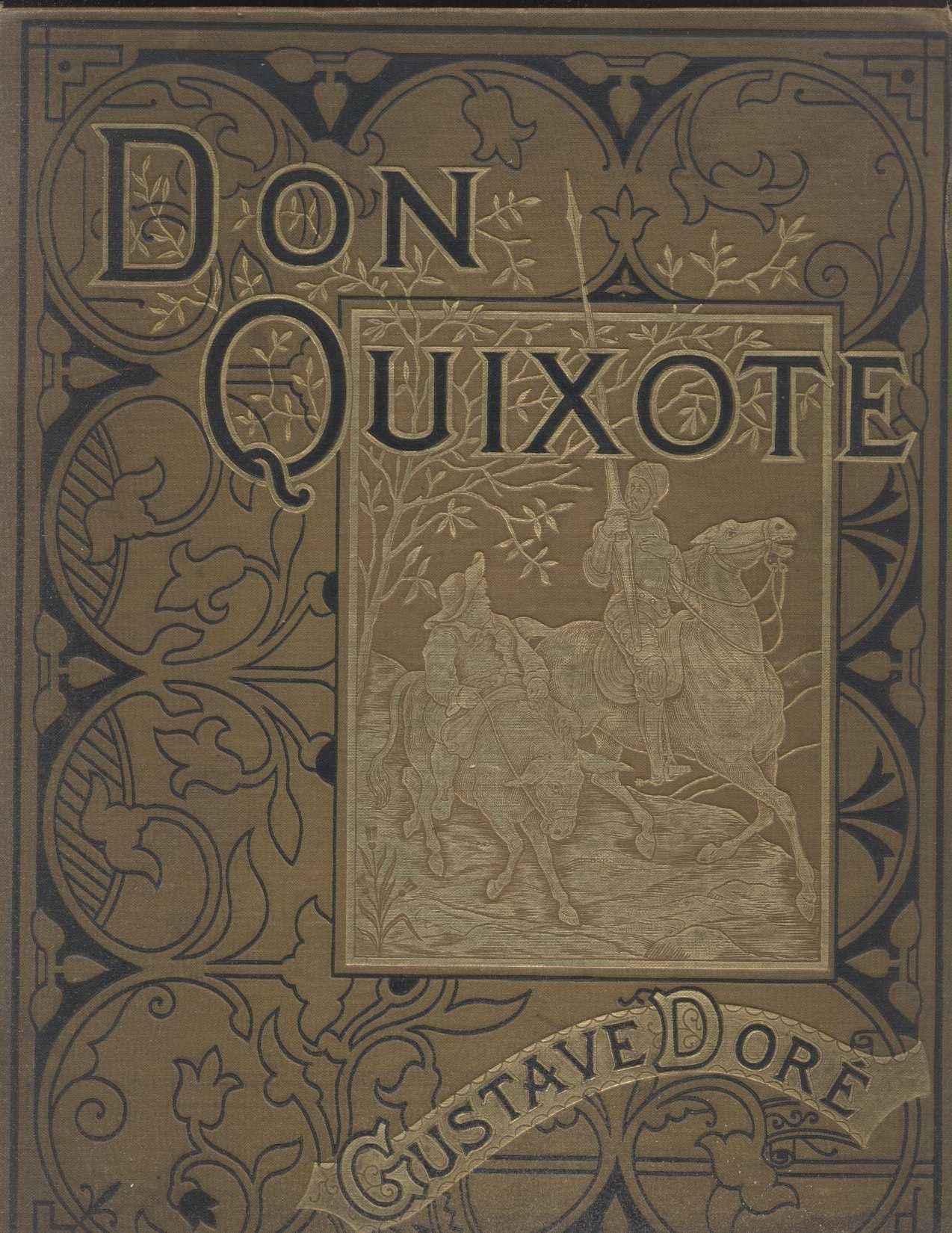
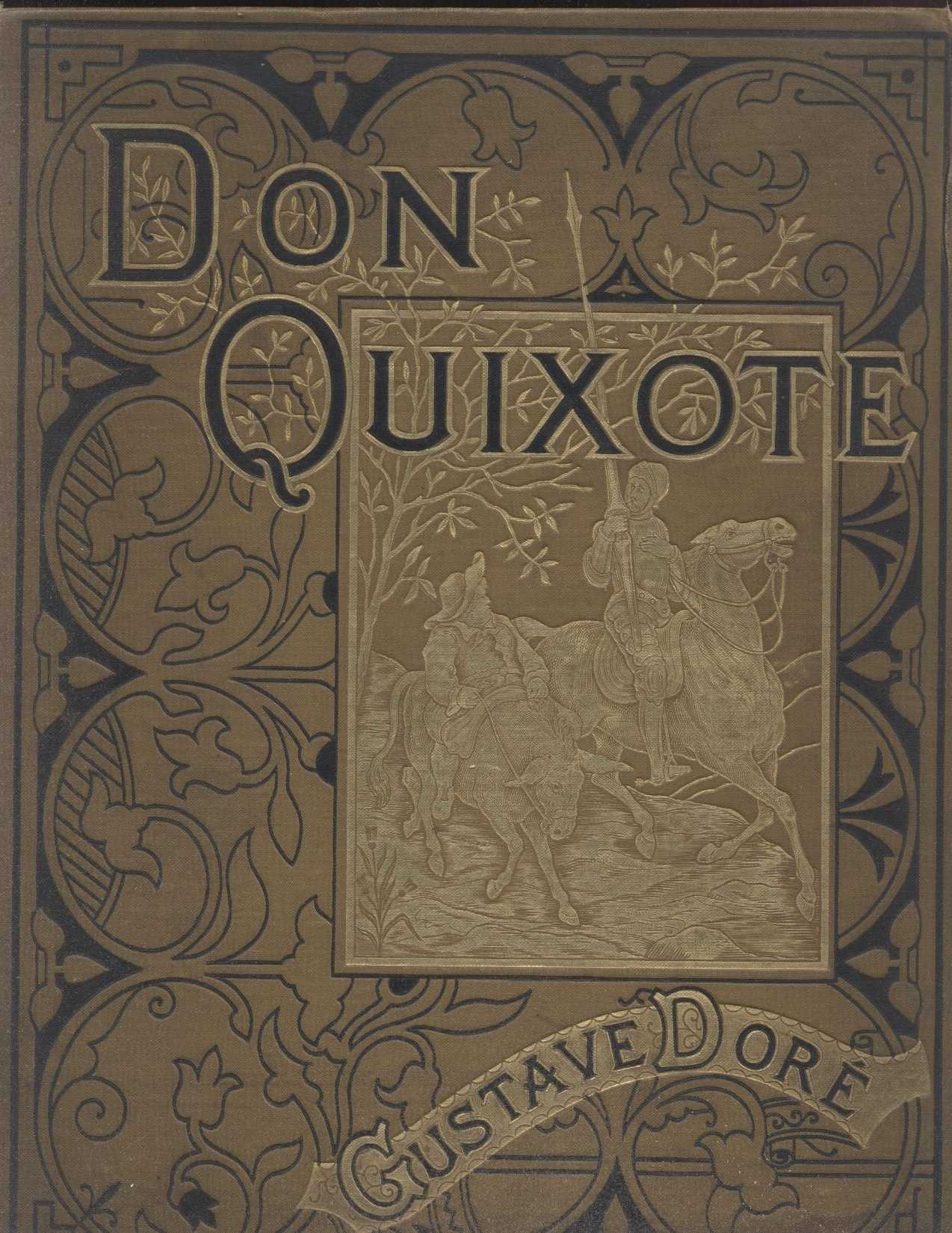
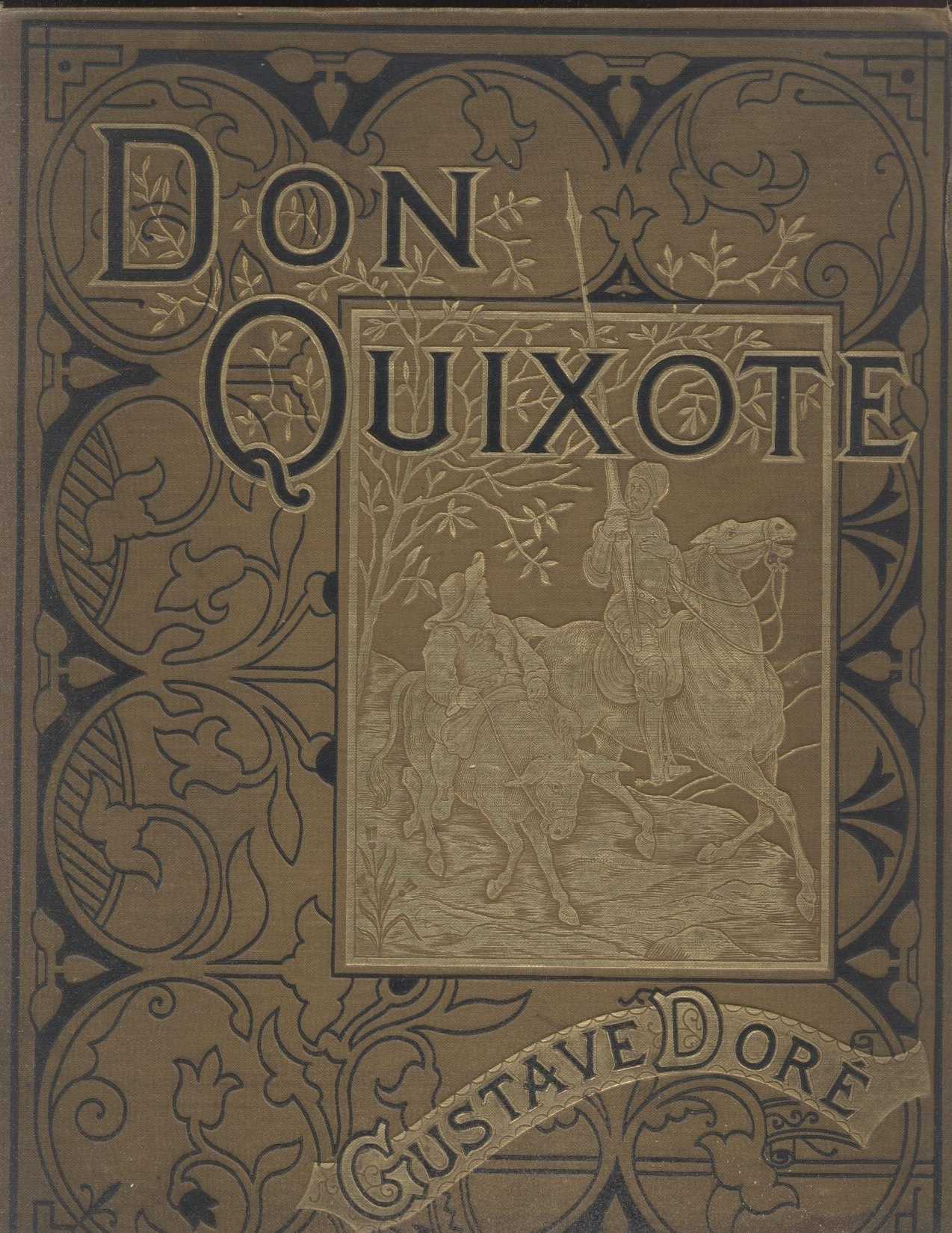
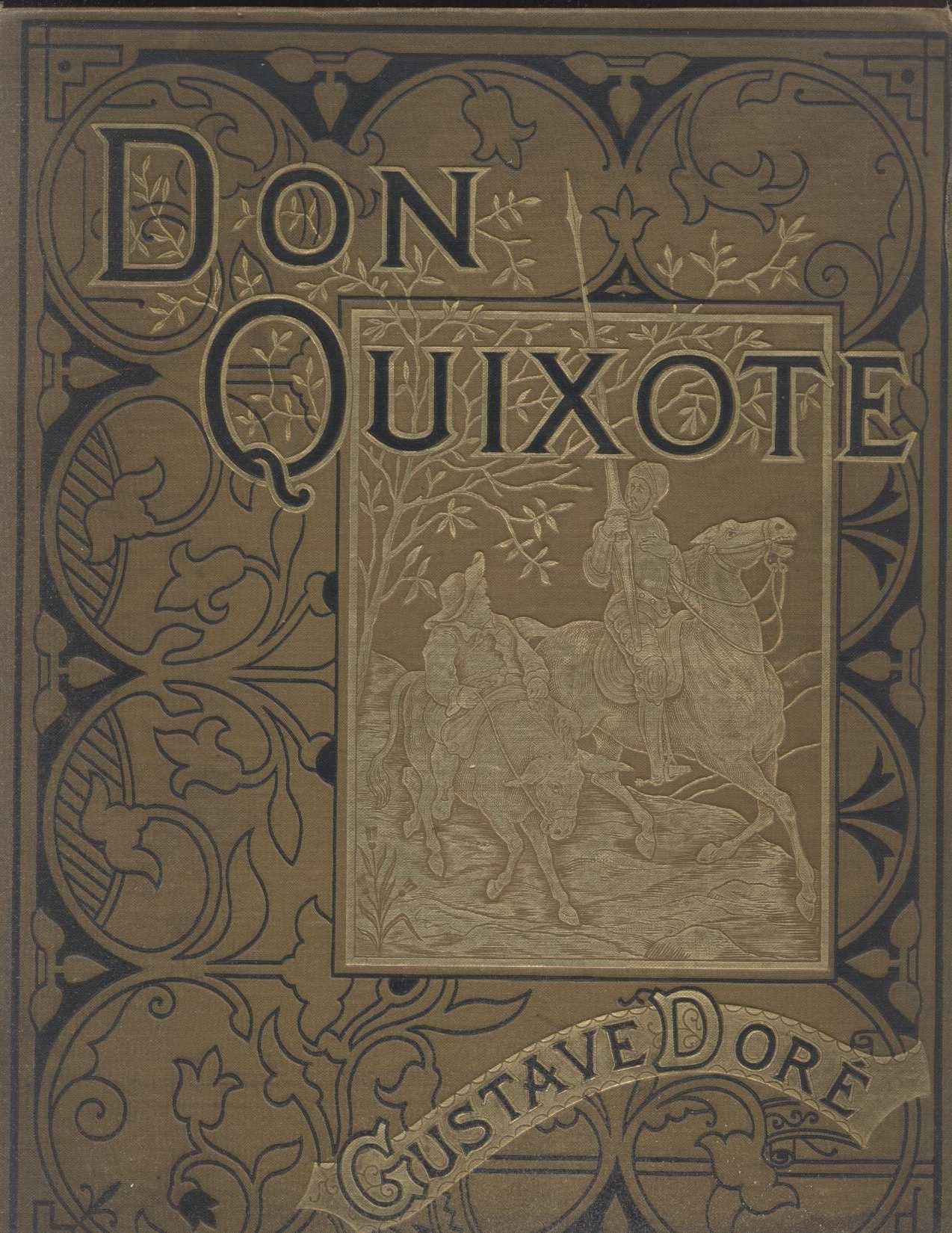
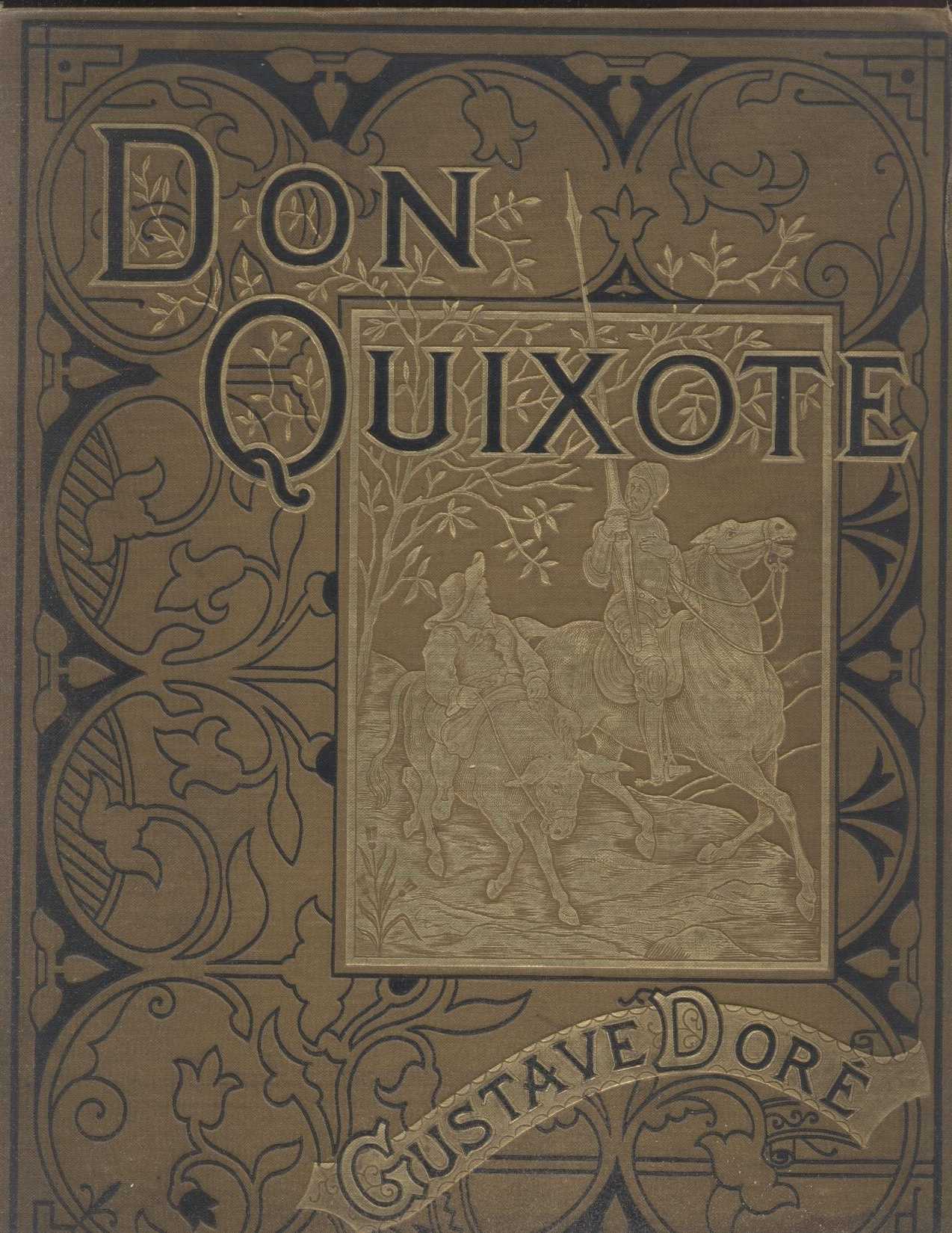
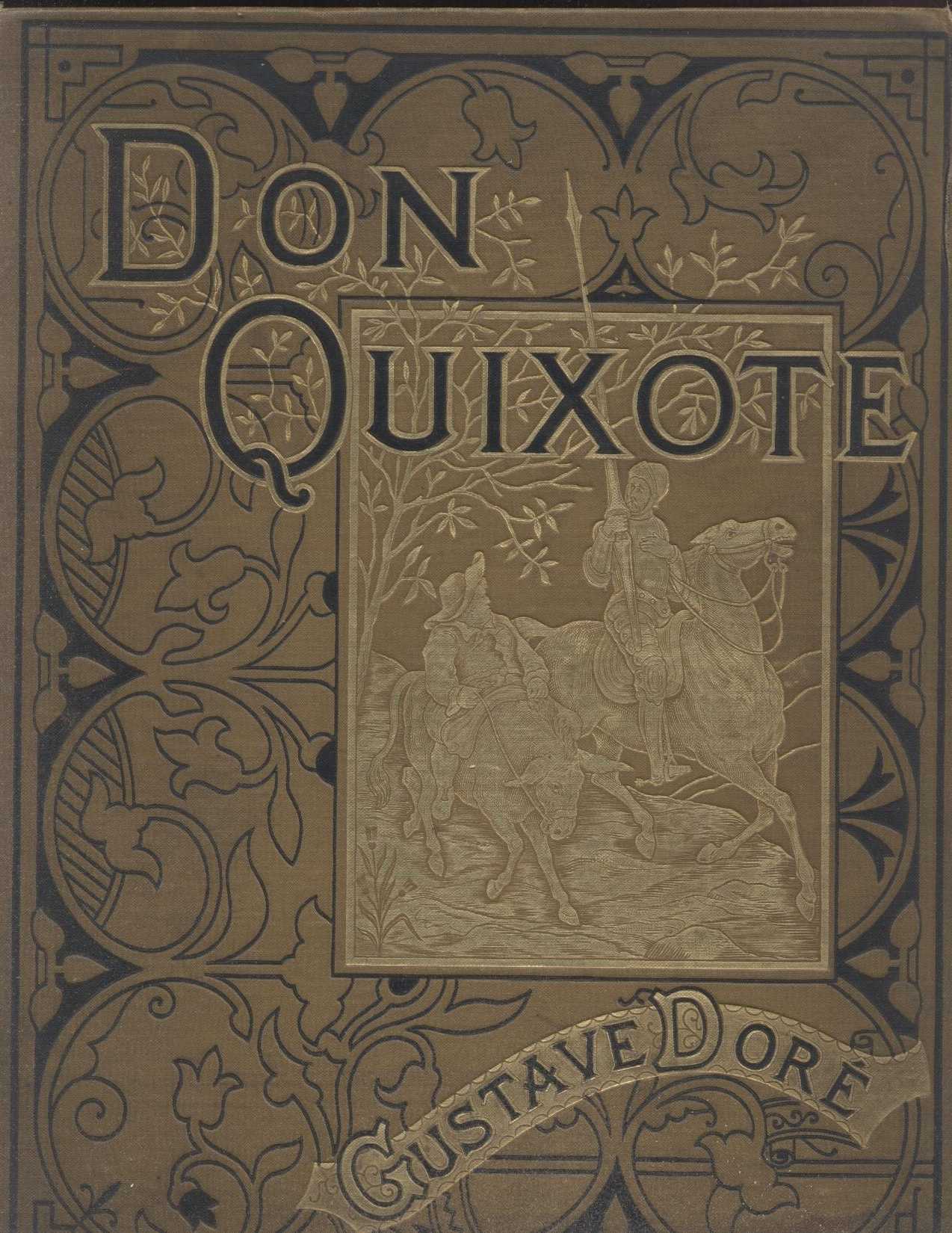
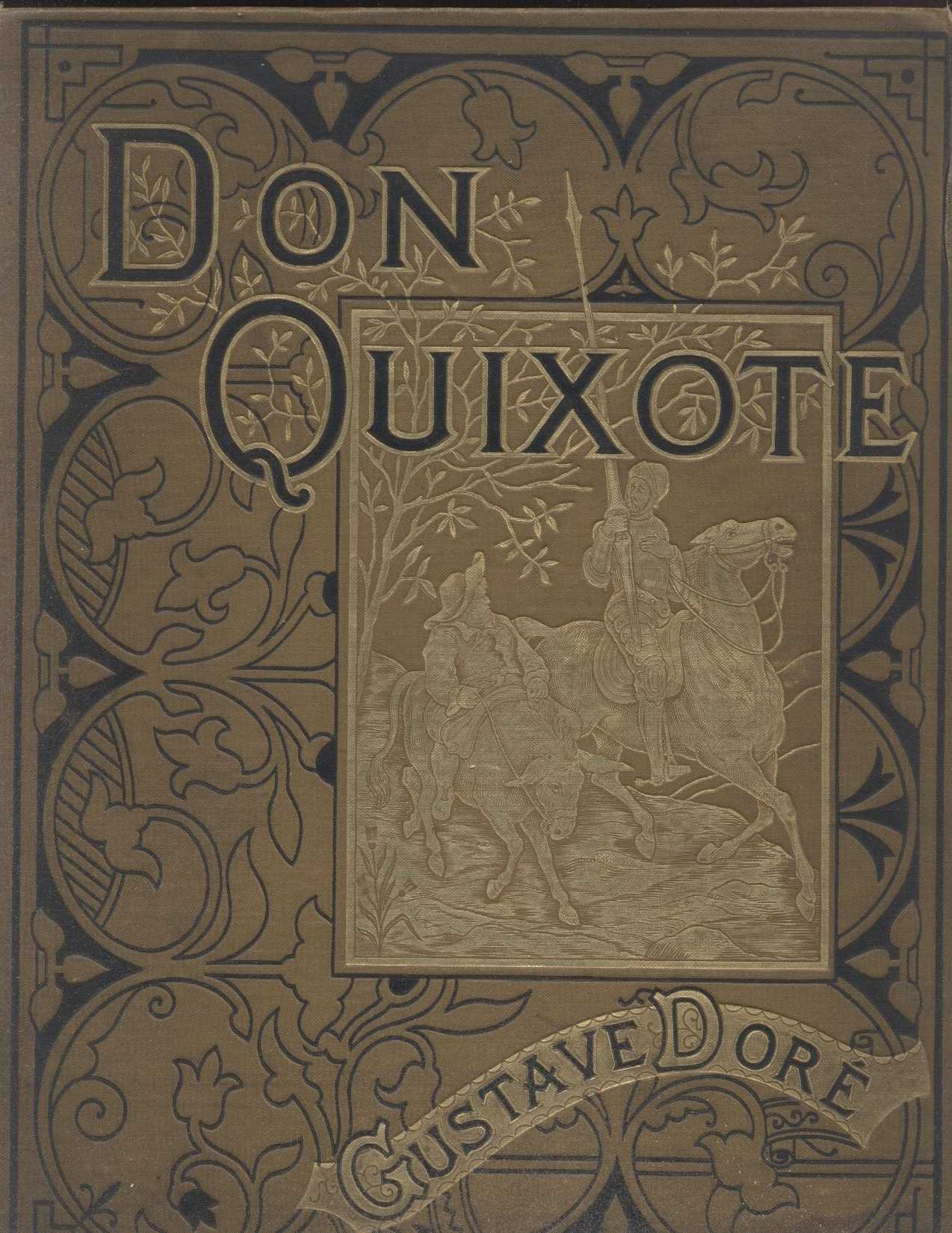
Miguel de Cervantes Saavedra was a seminal Spanish writer, celebrated as one of the greatest figures in literature and the foremost author in the Spanish language. He is best known for his iconic two-part novel, Don Quixote, which is widely regarded as the first modern novel and has been hailed by many as one of the greatest works of literature ever written. Cervantes' life was marked by hardship; he spent many years in poverty and obscurity, with much of his early work lost to history. His experiences as a soldier, including being wounded at the Battle of Lepanto and later captured by pirates, deeply influenced his writing and themes of chivalry, illusion, and reality. Cervantes' literary significance extends beyond Don Quixote, as he contributed to the development of the novel as a genre, blending realism with fantasy and creating complex characters that resonate with readers. His works often reflect the social and political issues of his time, showcasing a keen understanding of human nature. Cervantes' legacy is profound; he not only shaped the Spanish literary tradition but also left an indelible mark on world literature, with his influence evident in the works of countless authors who followed. Today, the Spanish language is often referred to as 'the language of Cervantes,' underscoring his enduring impact on literature and culture.
Famous Quotes
View all 20 quotes“Finally, from so little sleeping and so much reading, his brain dried up and he went completely out of his mind.””
“The truth may be stretched thin, but it never breaks, and it always surfaces above lies, as oil floats on water.””
“When life itself seems lunatic, who knows where madness lies? Perhaps to be too practical is madness. To surrender dreams”
Books from the author





Link to this page
Add a free, dofollow link to Lex on your blog, forum, syllabus, or reading list.

<a href="https://lex-books.com/author/miguel-de-cervantes-saavedra"><img src="https://lex-books.com/badges/read-on-lex.svg" alt="Miguel de Cervantes Saavedra on Lex" width="160" height="40"></a>[](https://lex-books.com/author/miguel-de-cervantes-saavedra)[url=https://lex-books.com/author/miguel-de-cervantes-saavedra][img]https://lex-books.com/badges/read-on-lex.svg[/img][/url]Miguel de Cervantes Saavedra on Lex: https://lex-books.com/author/miguel-de-cervantes-saavedra