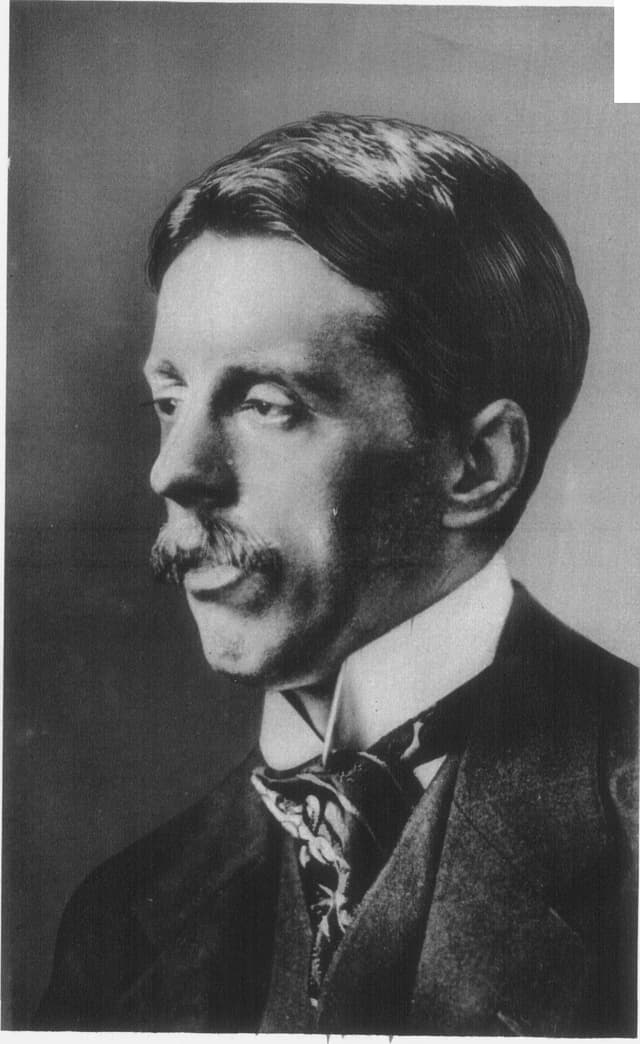
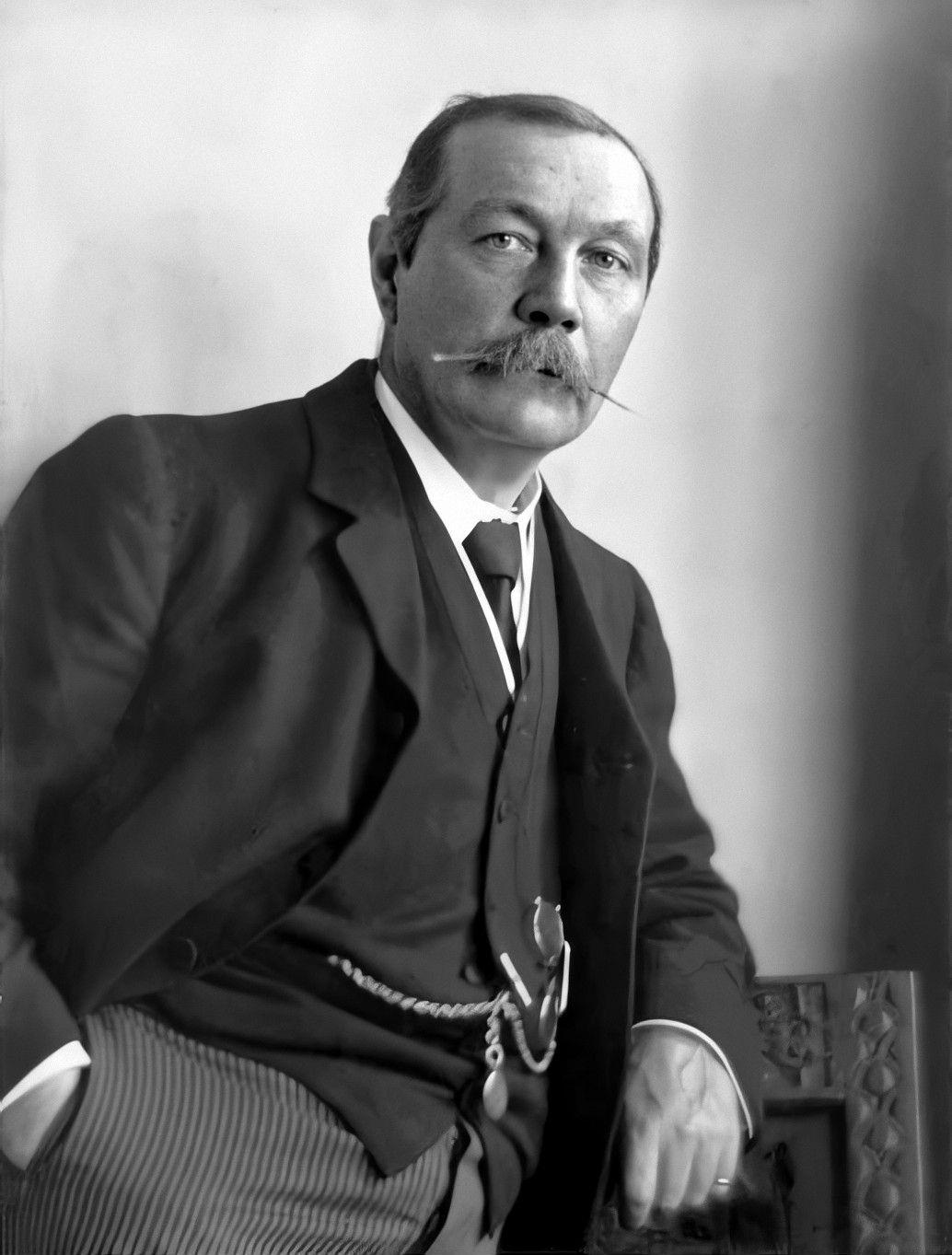
Arnold Bennett
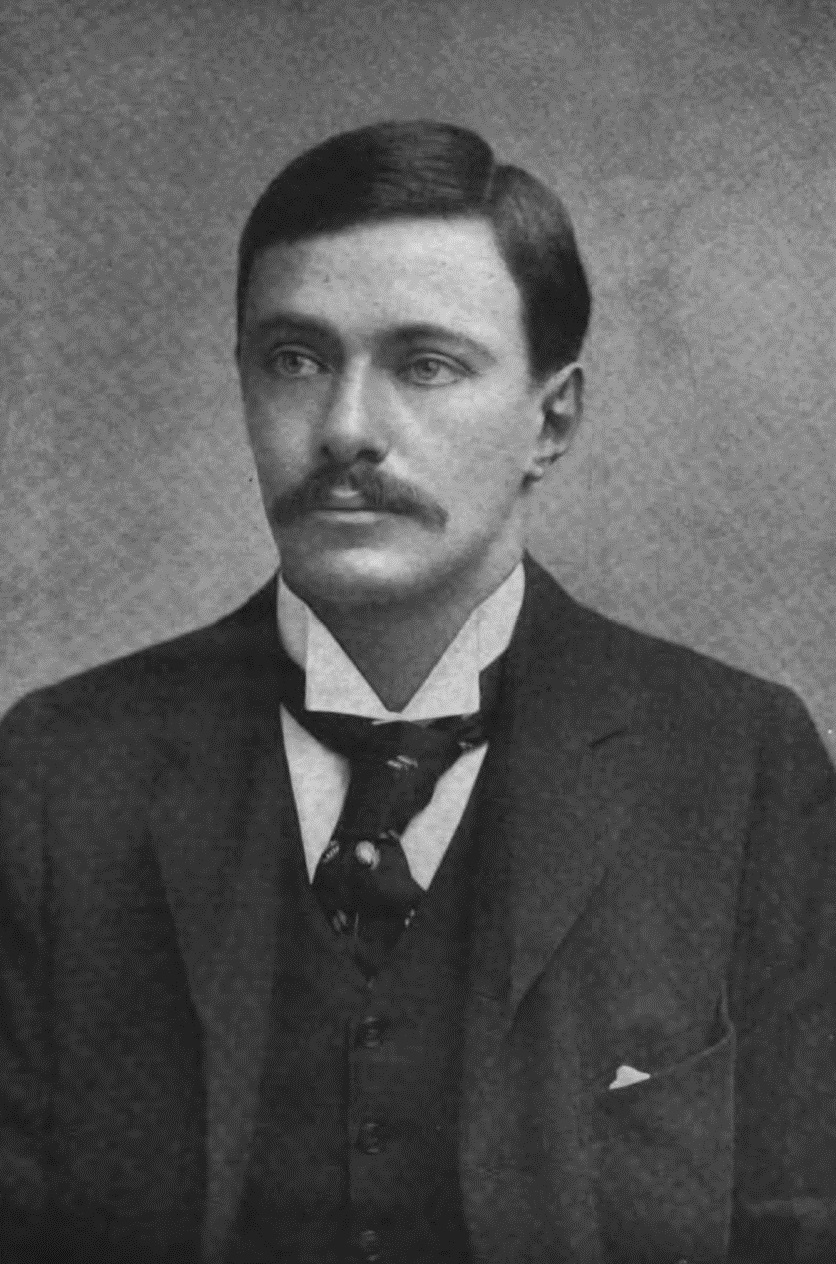
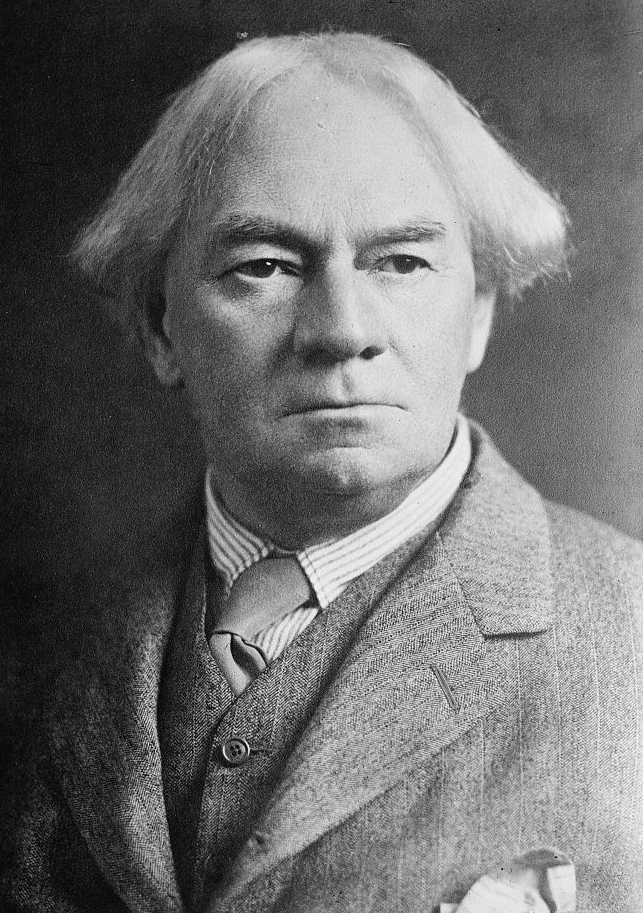
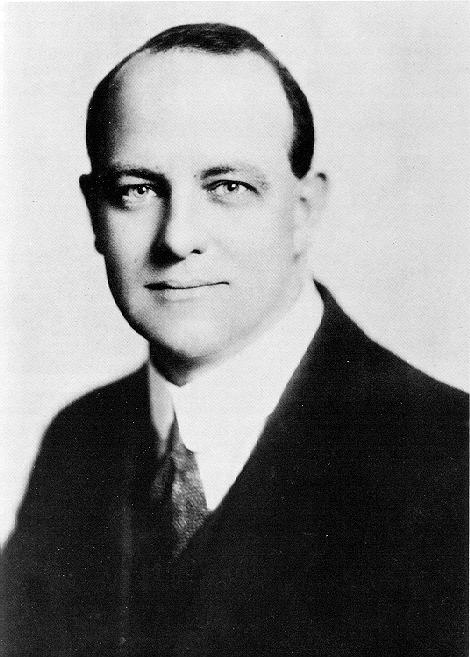
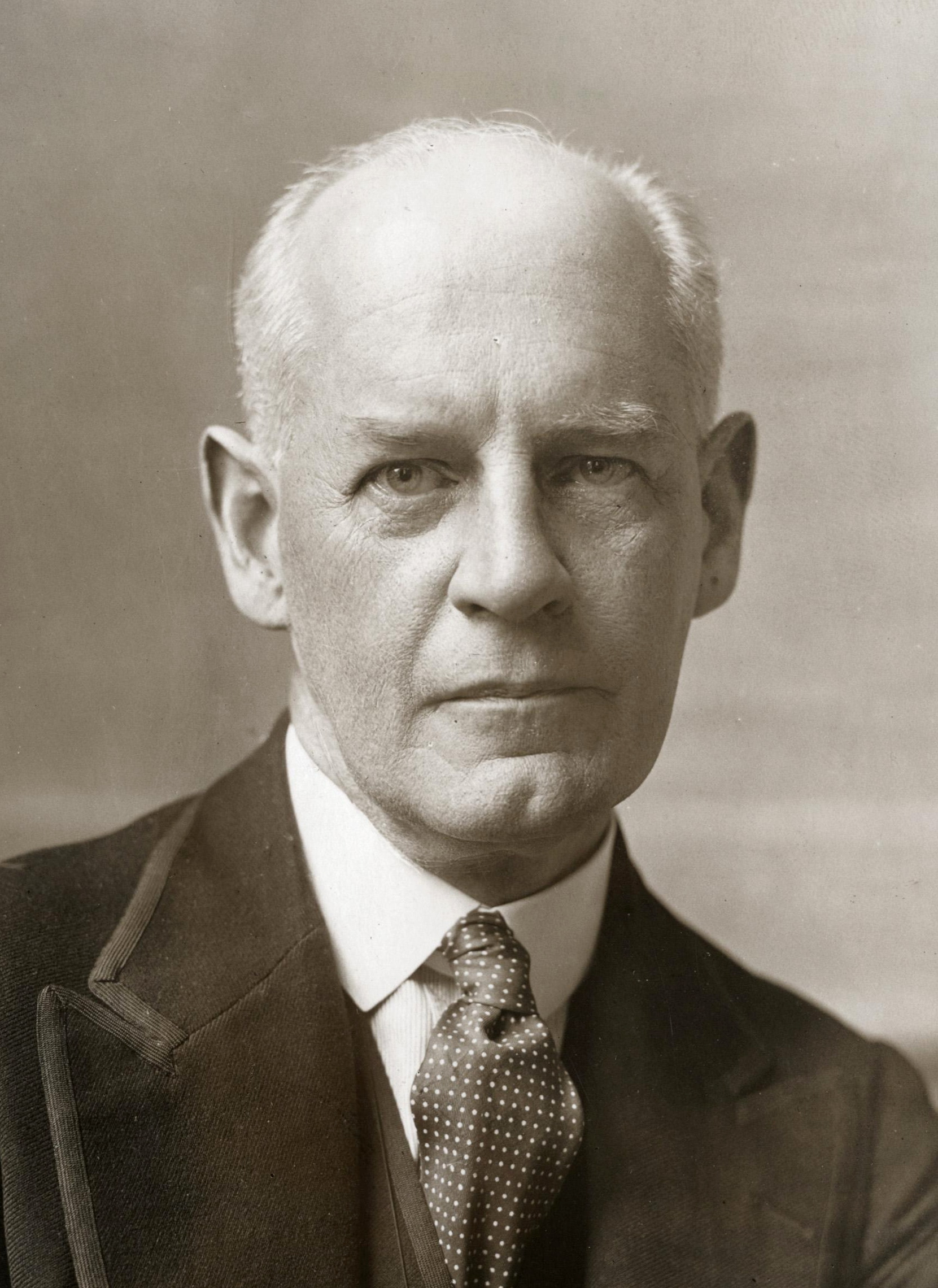
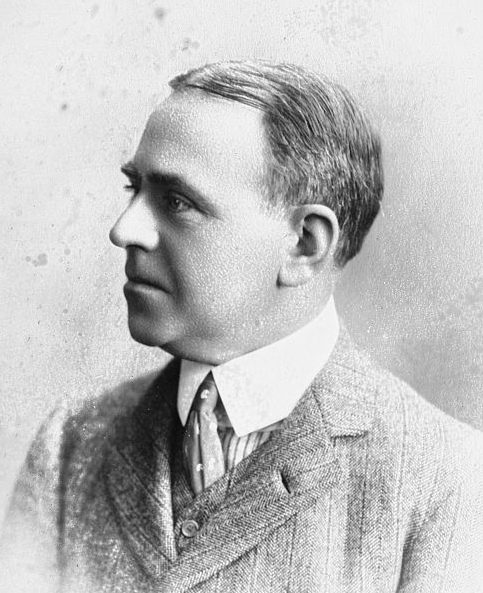
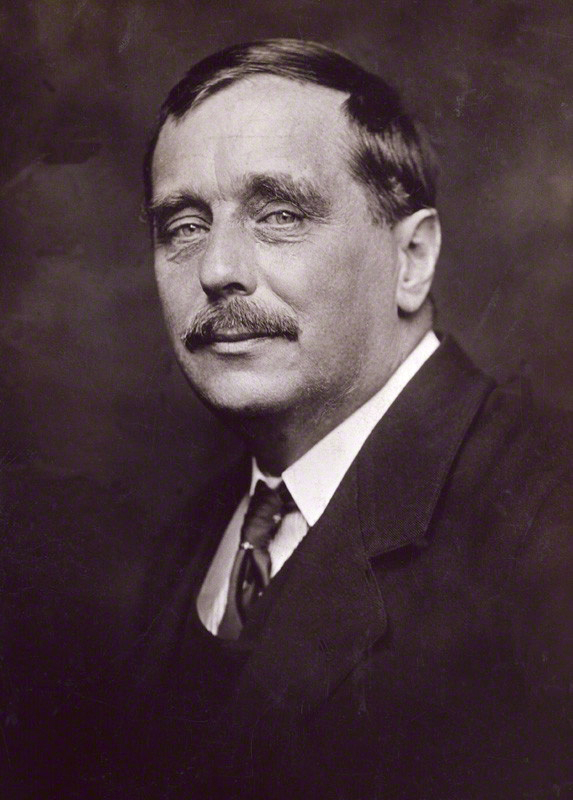
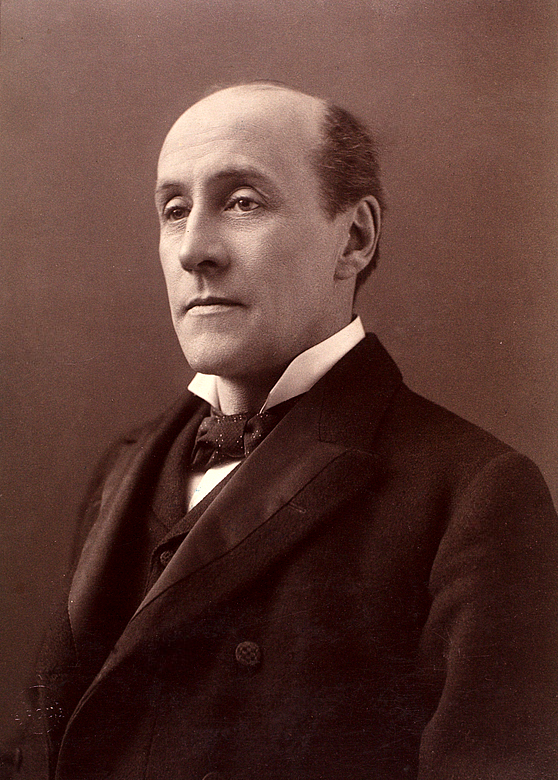
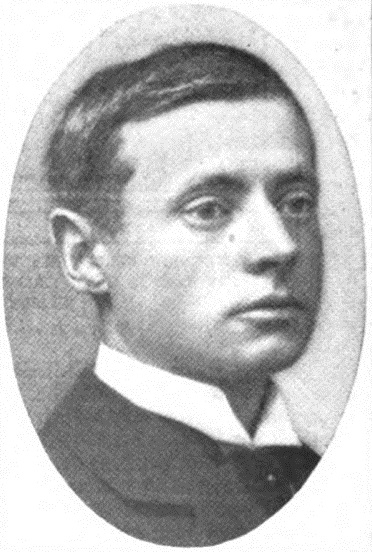
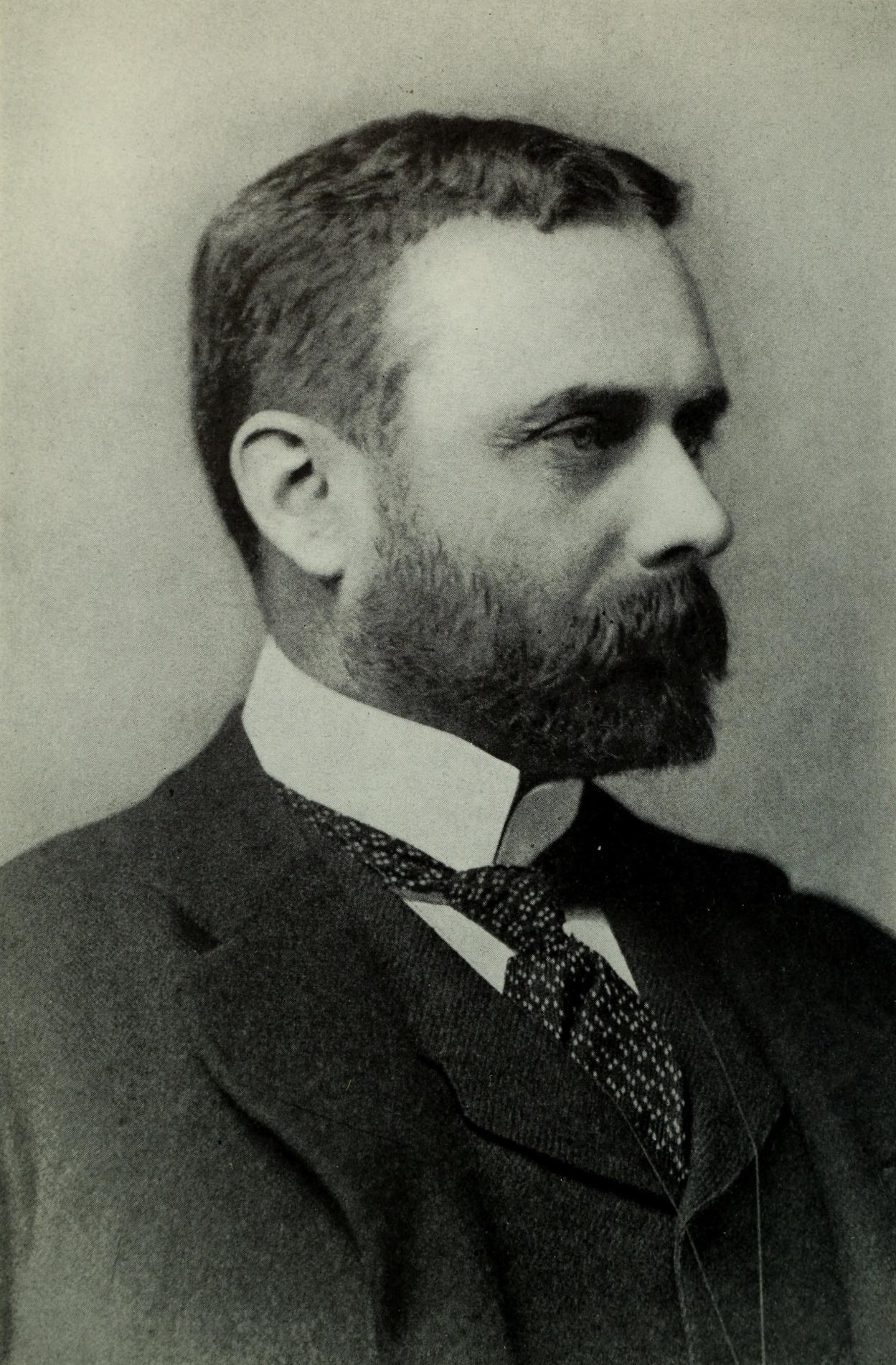
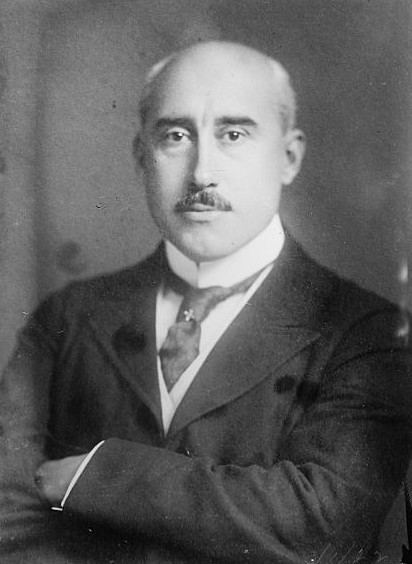
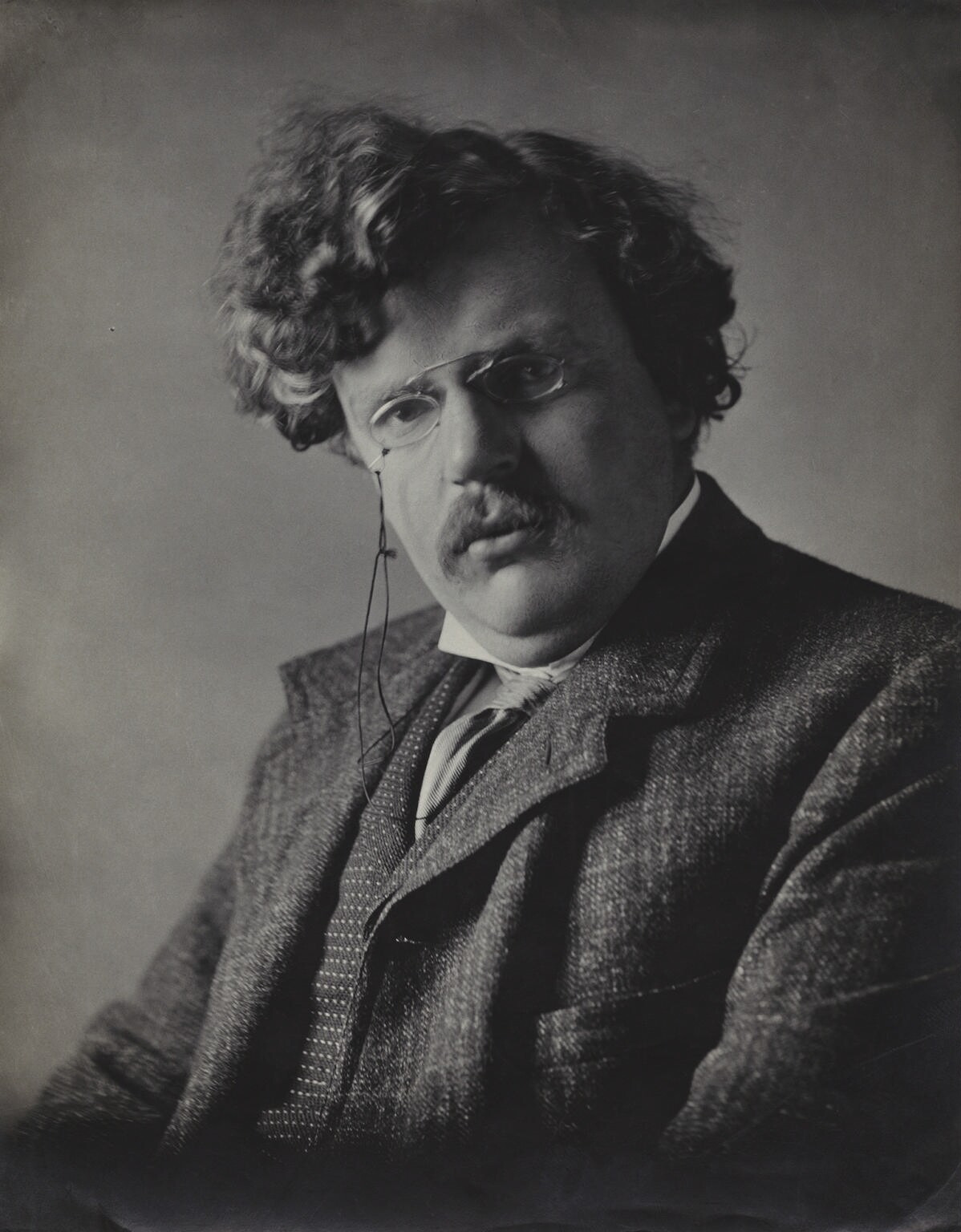
Enoch Arnold Bennett was an English novelist and prolific writer, recognized for his contributions to literature from the 1890s to the 1930s. Born in Hanley, Staffordshire, he was initially groomed for a legal career by his father, a solicitor. However, Bennett's passion for writing led him to become a full-time author by 1900 after a stint as a magazine editor. His literary output was remarkable, encompassing 34 novels, seven volumes of short stories, and 13 plays, alongside numerous articles for over 100 newspapers and periodicals. His most notable works include 'The Old Wives' Tale' and 'Clayhanger', which often depicted life in a fictionalized version of his hometown, known as The Five Towns. Bennett's writing was characterized by its accessibility and realism, appealing to a broad audience and making him the most financially successful British author of his time. Despite his popularity, Bennett faced criticism from modernist writers like Virginia Woolf, who dismissed his work as lacking depth. This led to a decline in his literary reputation after his death in 1931 from typhoid fever. His belief that literature should be accessible to ordinary people set him apart from his contemporaries, and his journalistic self-help books enjoyed significant sales during his lifetime. Although his theatrical endeavors were less successful, he achieved notable acclaim with plays like 'Milestones' and 'The Great Adventure'. Bennett's legacy remains complex, as he straddled the line between popular and literary fiction, leaving a lasting impact on the landscape of early 20th-century literature.
Famous Quotes
View all 20 quotes“The chief beauty about timeis that you cannot waste it in advance.The next year, the next day, the next hour are lying ready for you,as perfect, as unspoiled,as if you had never wasted or misapplieda single moment in all your life.You can turn over a new leaf every hourif you choose.””
“The proper, wise balancing of one's whole life may depend upon the feasibility of a cup of tea at an unusual hour.””
“Any change, even a change for the better is always accompanied by drawbacks and discomforts.””
Books from the author

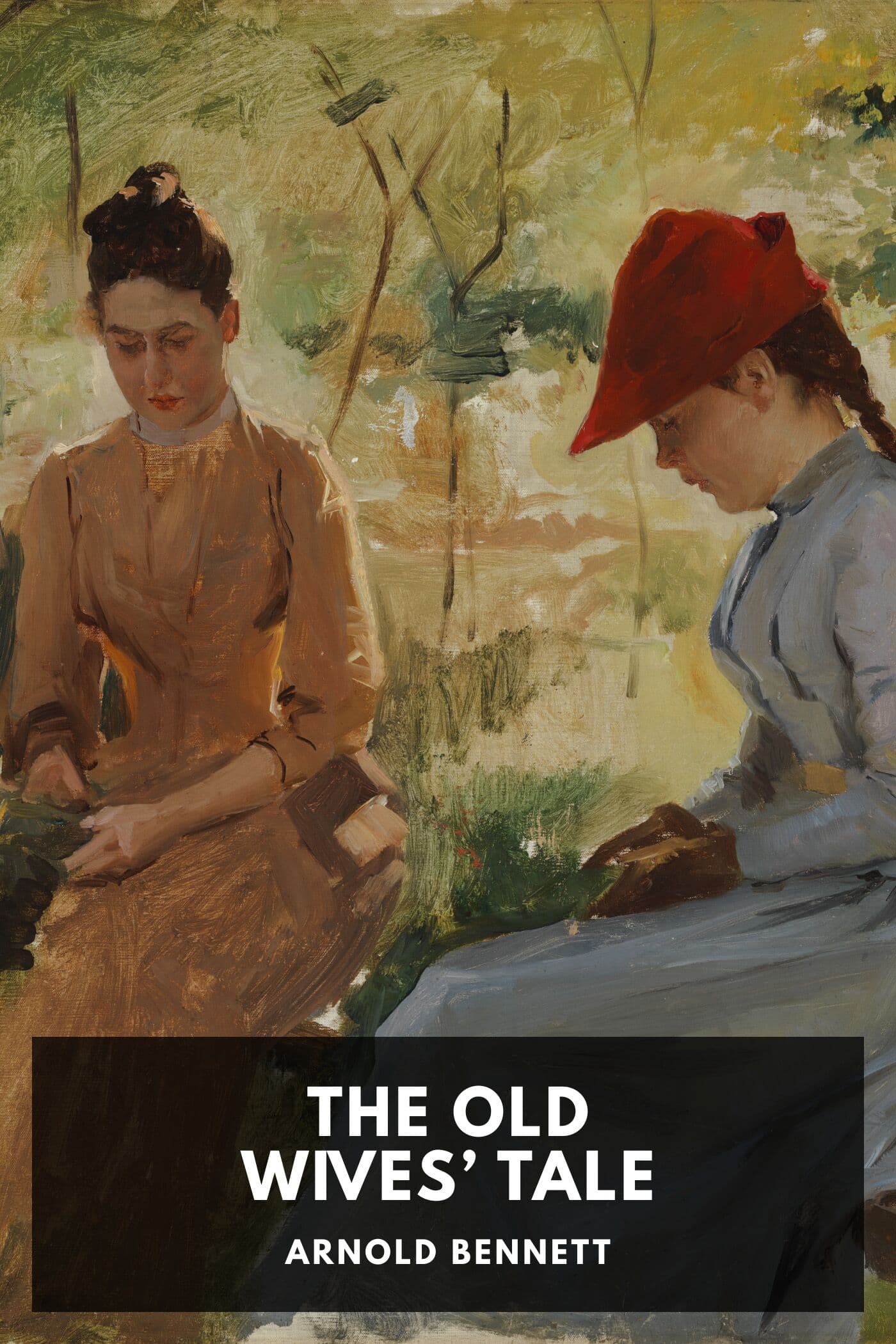

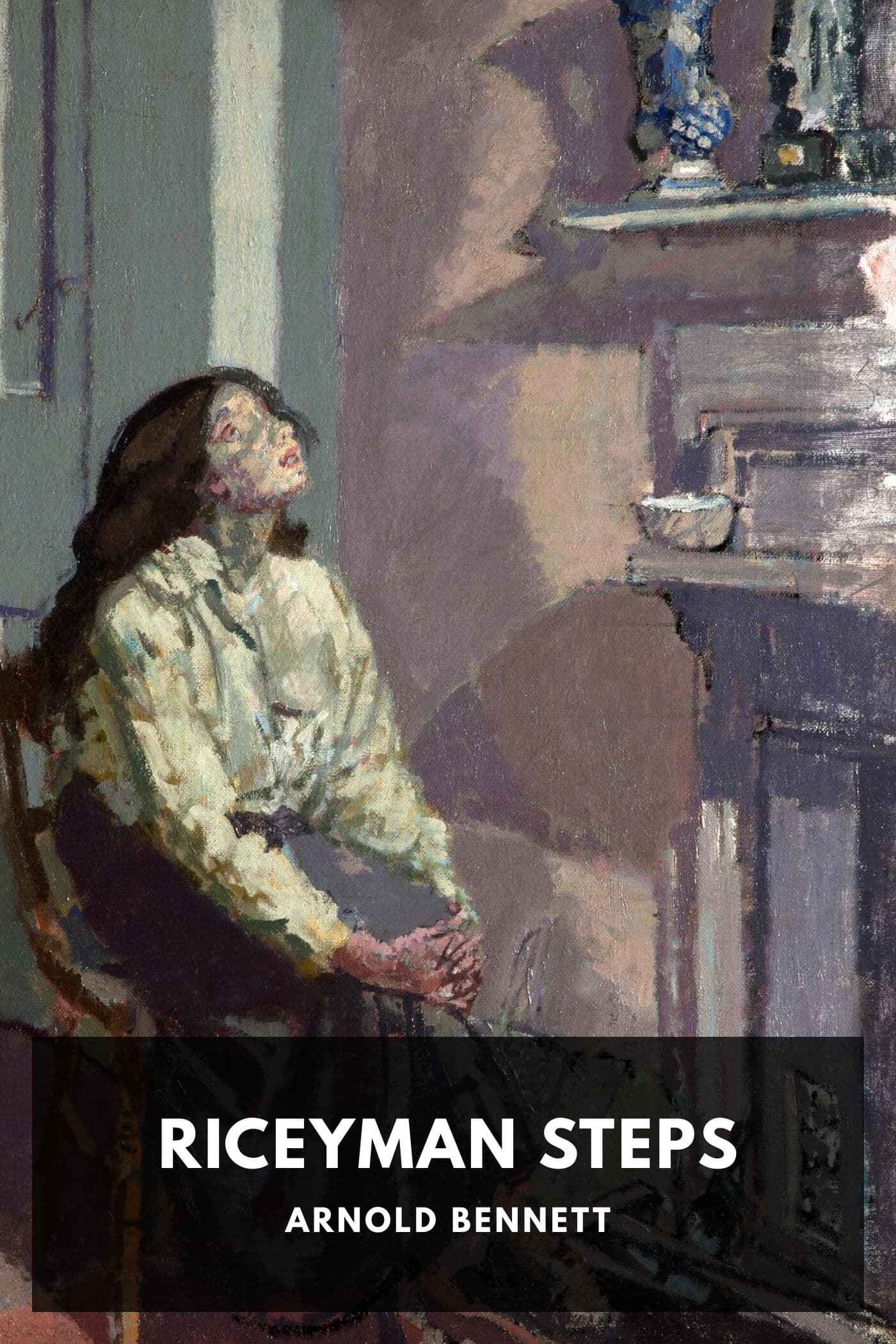

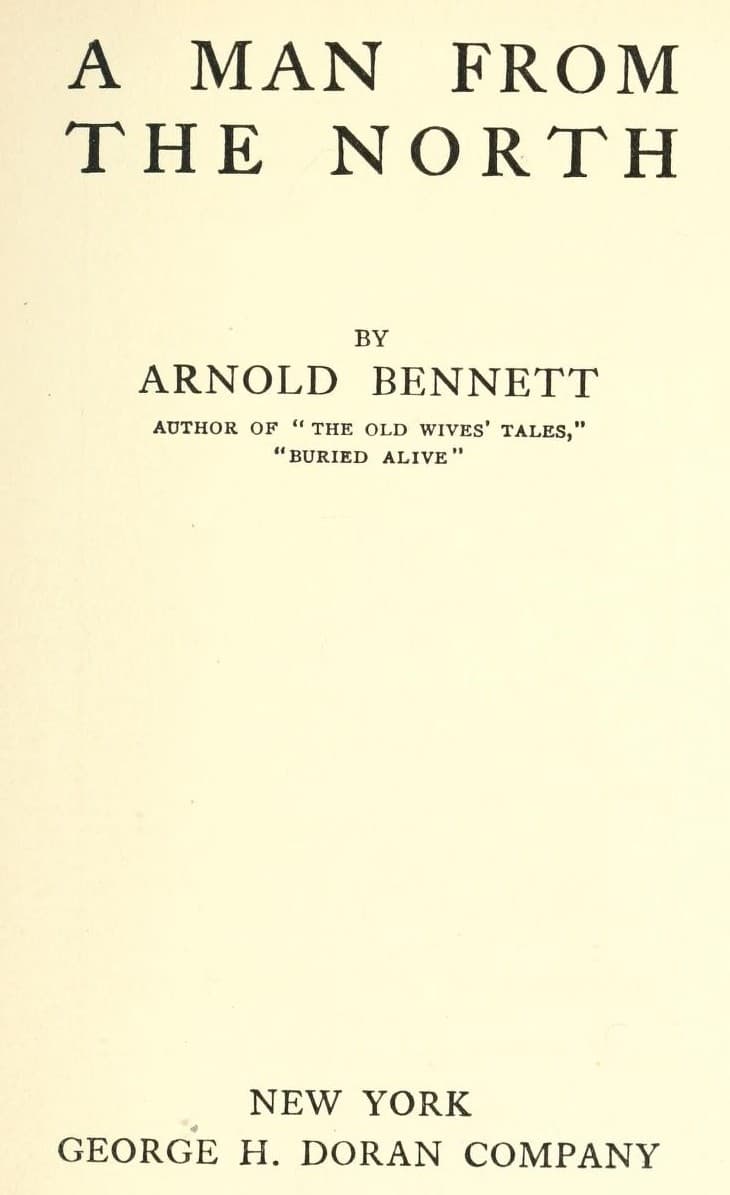




Link to this page
Add a free, dofollow link to Lex on your blog, forum, syllabus, or reading list.

<a href="https://lex-books.com/author/arnold-bennett"><img src="https://lex-books.com/badges/read-on-lex.svg" alt="Arnold Bennett on Lex" width="160" height="40"></a>[](https://lex-books.com/author/arnold-bennett)[url=https://lex-books.com/author/arnold-bennett][img]https://lex-books.com/badges/read-on-lex.svg[/img][/url]Arnold Bennett on Lex: https://lex-books.com/author/arnold-bennett