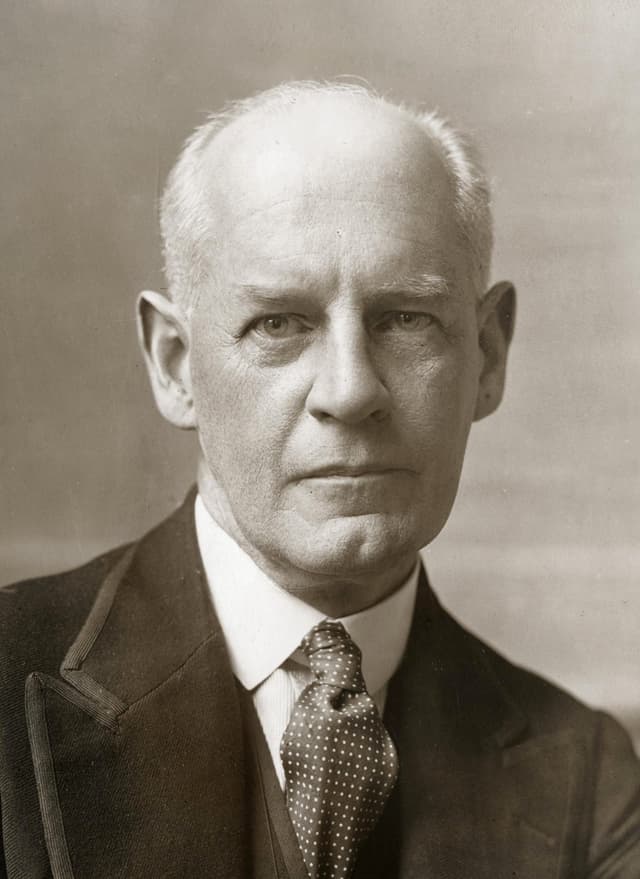
John Galsworthy
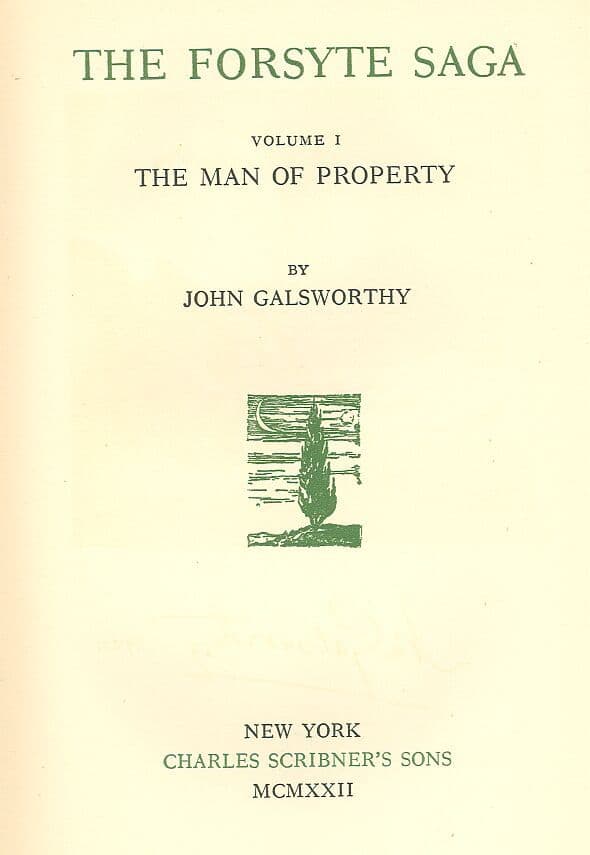
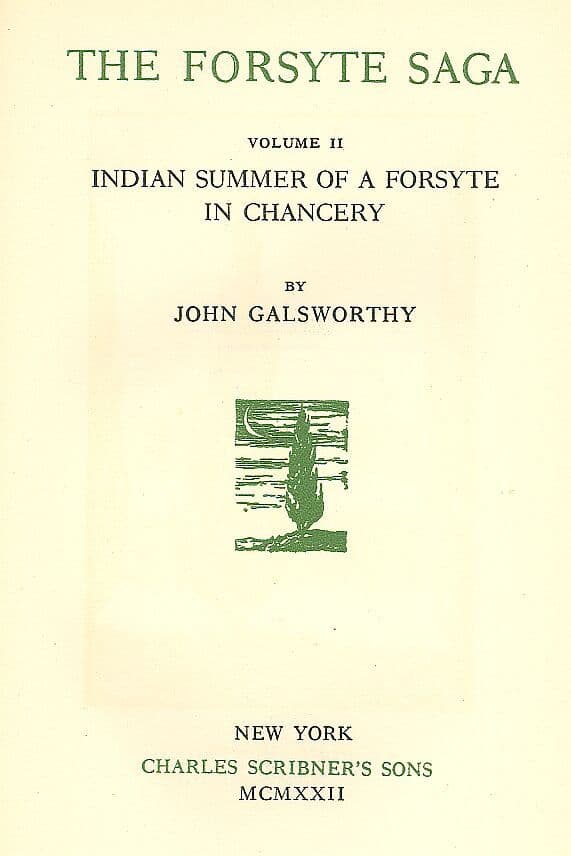
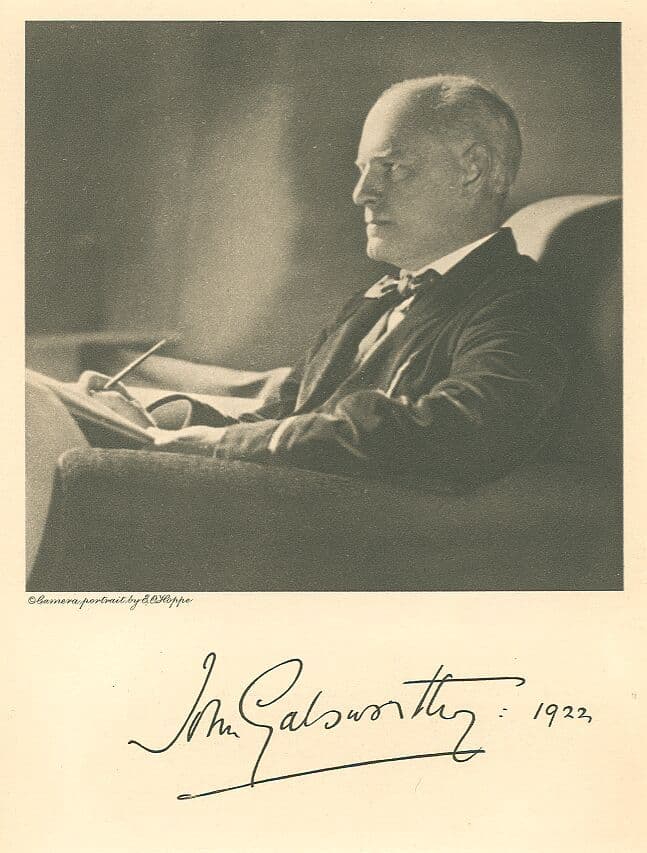
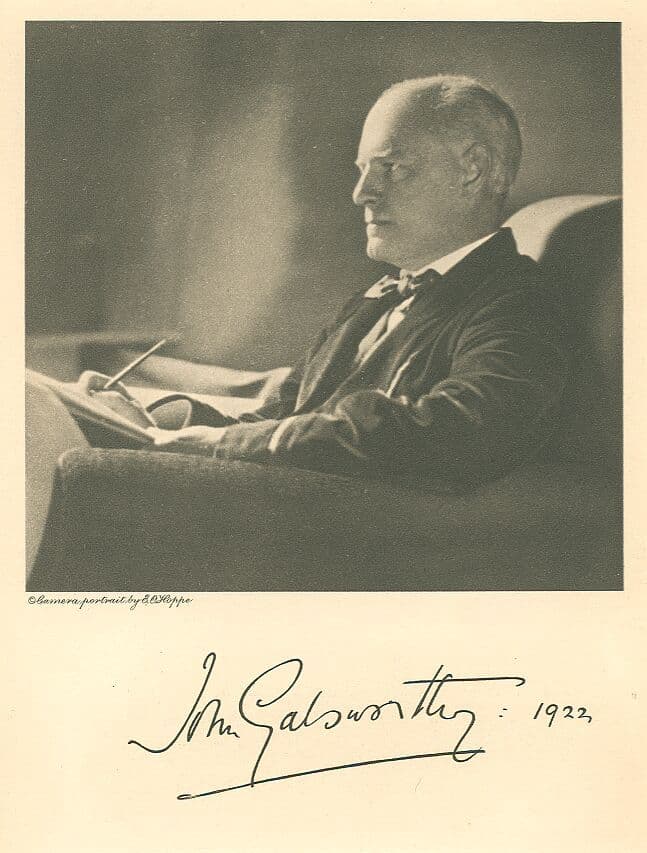
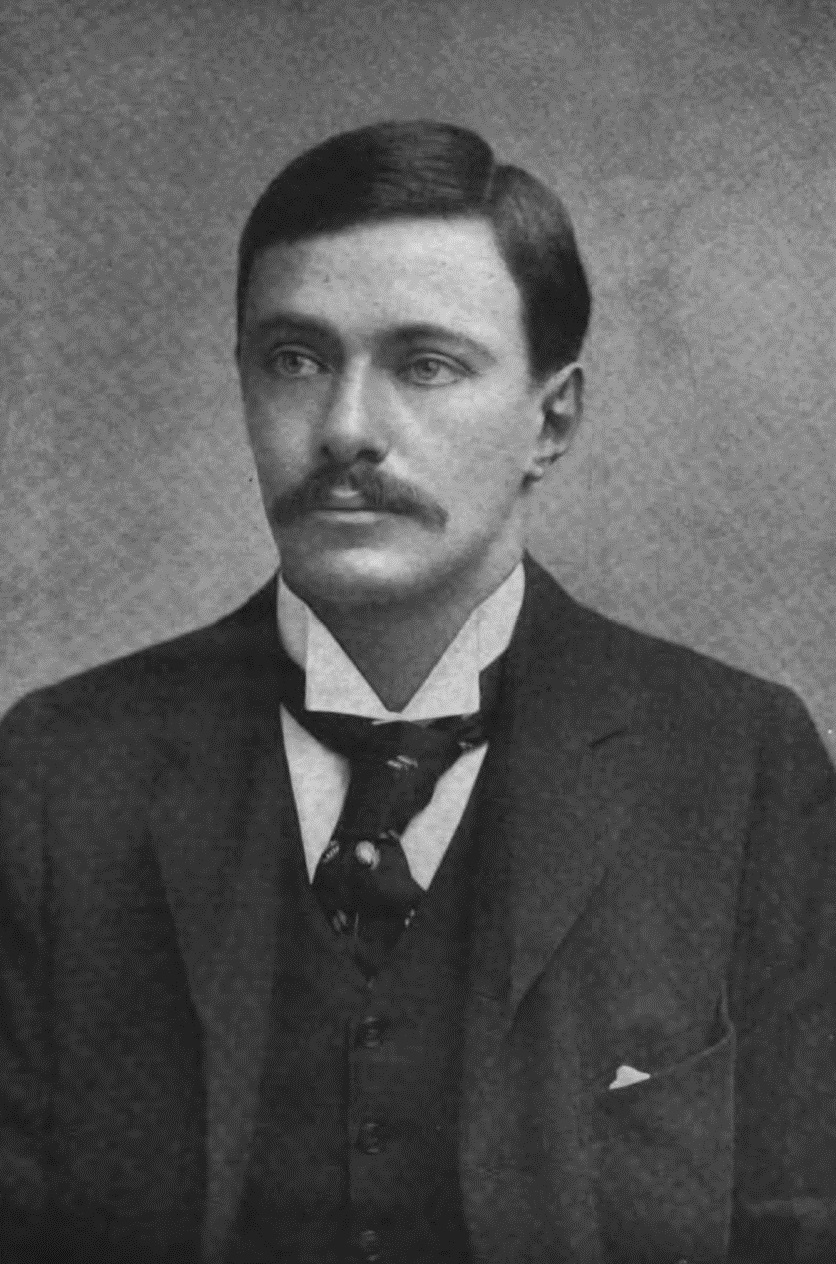
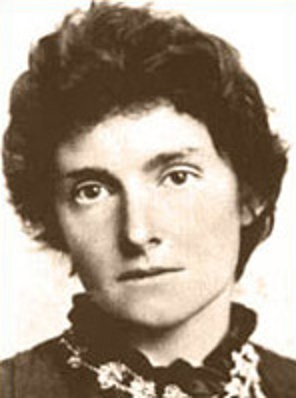
John Galsworthy was an English novelist and playwright renowned for his exploration of social issues through literature. Born into a prosperous upper-middle-class family, he initially pursued a career in law but found it unfulfilling, turning to writing in his thirties. His breakthrough came with the publication of 'The Man of Property' in 1906, the first novel in his acclaimed 'Forsyte Saga,' which chronicles the lives of the Forsyte family over three generations, reflecting the changing social landscape of England from the late 19th century to the early 20th century. Galsworthy's keen observations of society and human nature resonated with readers, establishing him as a significant literary figure of his time. In addition to his novels, Galsworthy was a prominent playwright, known for works such as 'The Silver Box,' which tackled themes of social justice and the struggles of the working class. His plays often contained a strong social message, addressing issues such as the exploitation of workers, the repression of women, and the moral complexities of war. Galsworthy's contributions to literature were recognized when he was awarded the Nobel Prize in Literature in 1932. His legacy endures, particularly through the enduring popularity of 'The Forsyte Saga,' which was revitalized by a BBC adaptation in 1967, ensuring that his insights into society remain relevant to future generations.
Famous Quotes
View all 20 quotes“Life calls the tune, we dance.””
“It was such a spring day as breathes into a man an ineffable yearning, a painful sweetness, a longing that makes him stand motionless, looking at the leaves or grass, and fling out his arms to embrace he knows not what.””
“Love is not a hot-house flower, but a wild plant, born of a wet night, born of an hour of sunshine; sprung from wild seed, blown along the road by a wild wind. A wild plant that, when it blooms by chance within the hedge of our gardens, we call a flower; and when it blooms outside we call a weed; but, flower or weed, whose scent and colour are always, wild!””
Books from the author

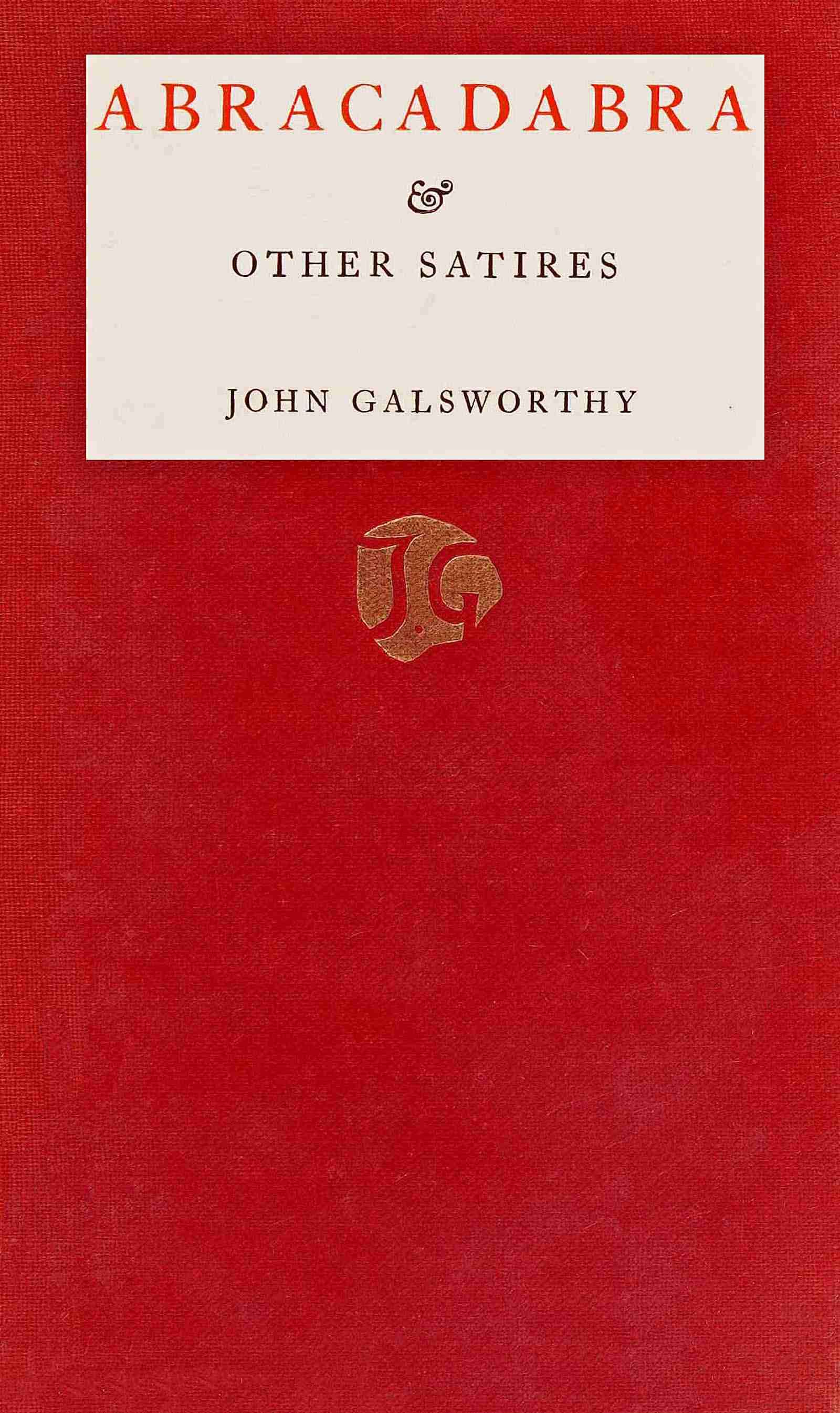

Link to this page
Add a free, dofollow link to Lex on your blog, forum, syllabus, or reading list.

<a href="https://lex-books.com/author/john-galsworthy"><img src="https://lex-books.com/badges/read-on-lex.svg" alt="John Galsworthy on Lex" width="160" height="40"></a>[](https://lex-books.com/author/john-galsworthy)[url=https://lex-books.com/author/john-galsworthy][img]https://lex-books.com/badges/read-on-lex.svg[/img][/url]John Galsworthy on Lex: https://lex-books.com/author/john-galsworthy