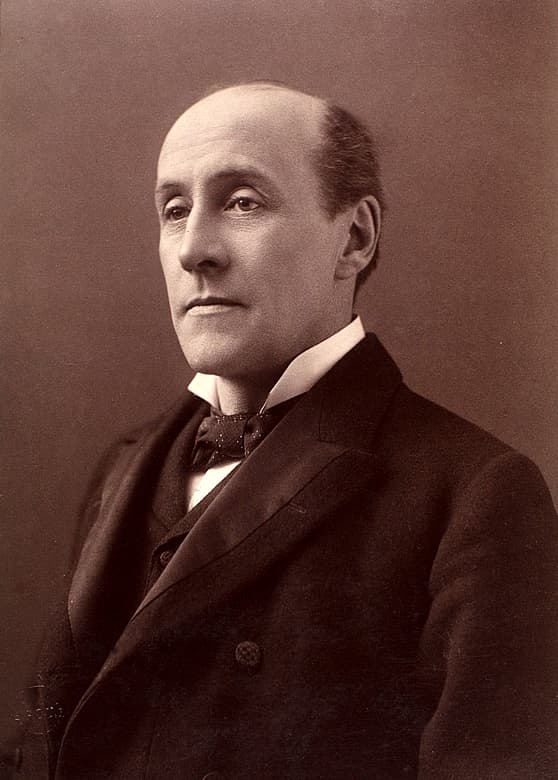
Anthony Hope
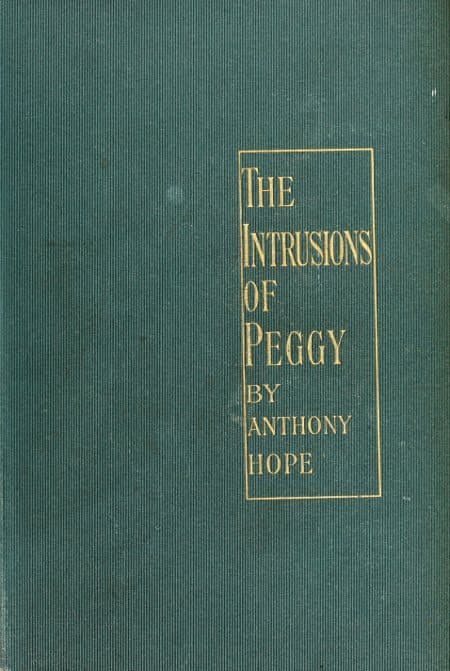
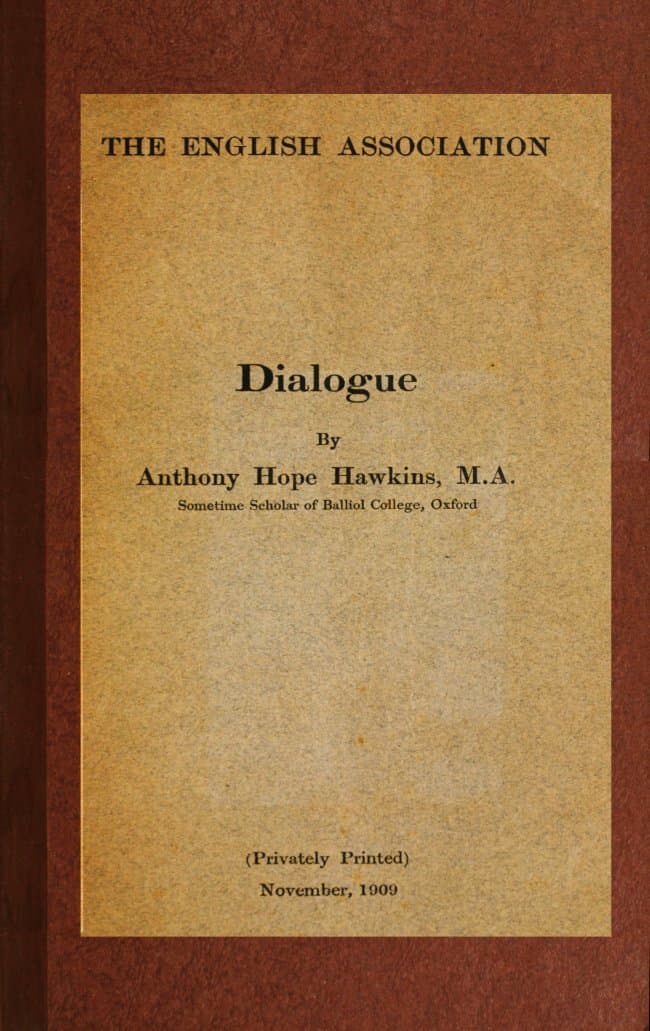
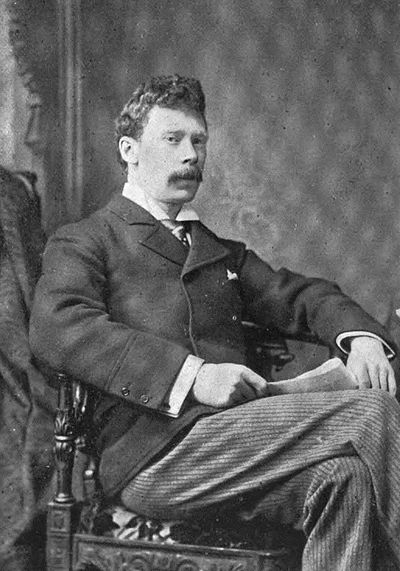
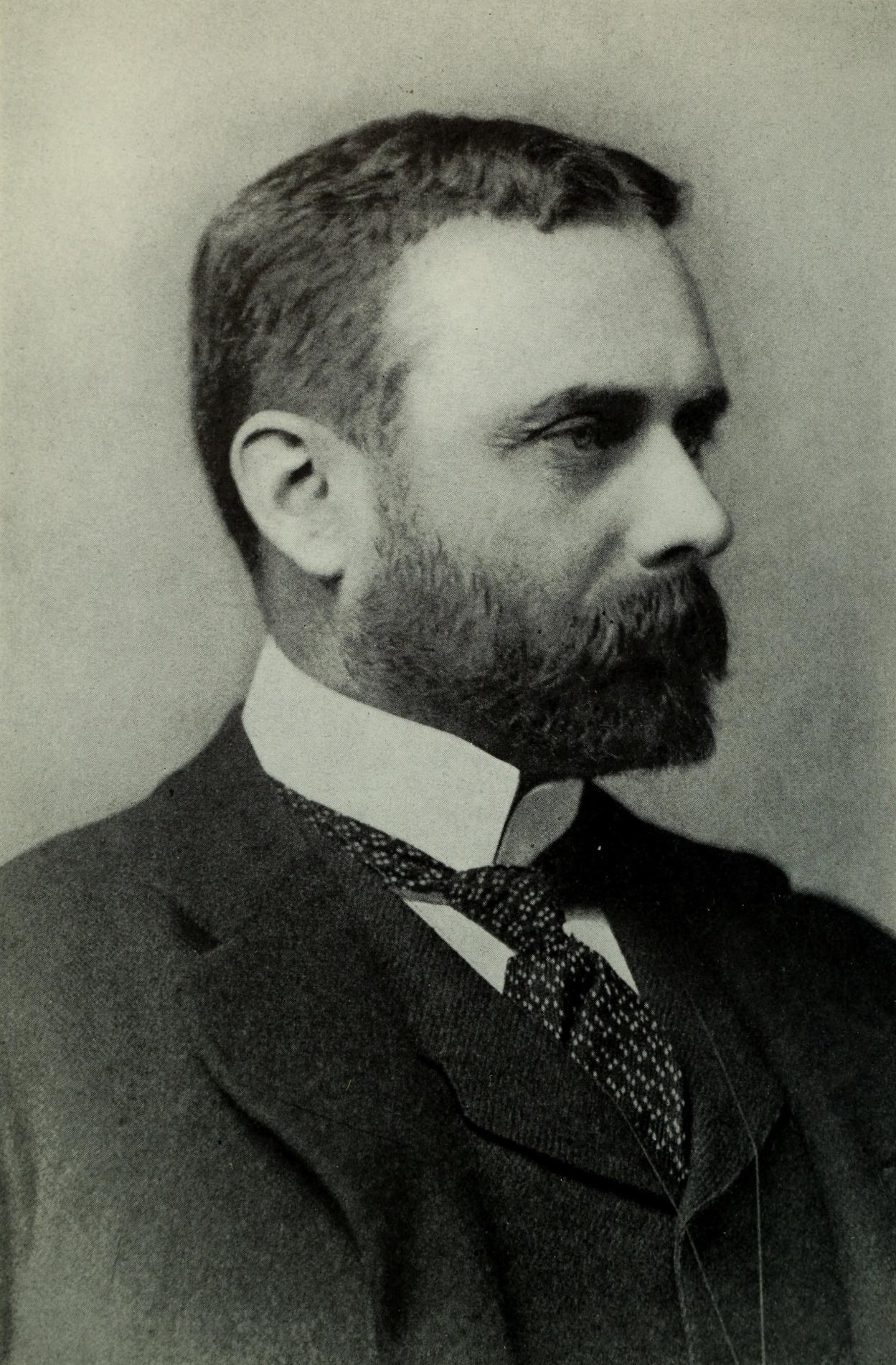
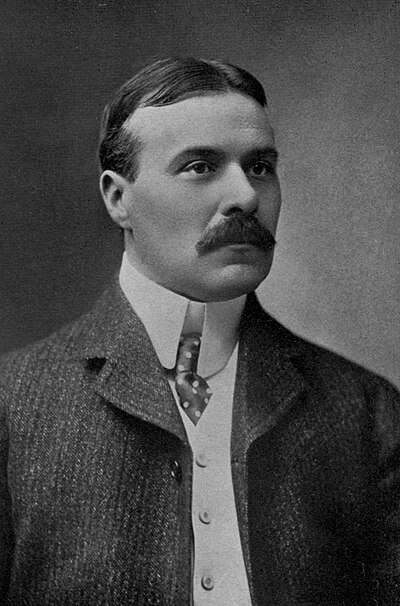
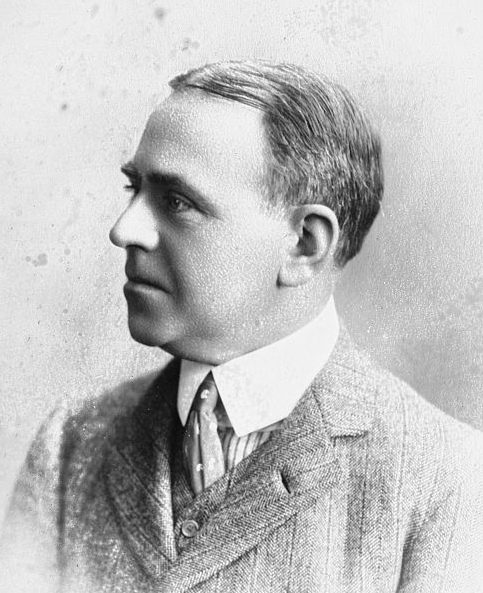
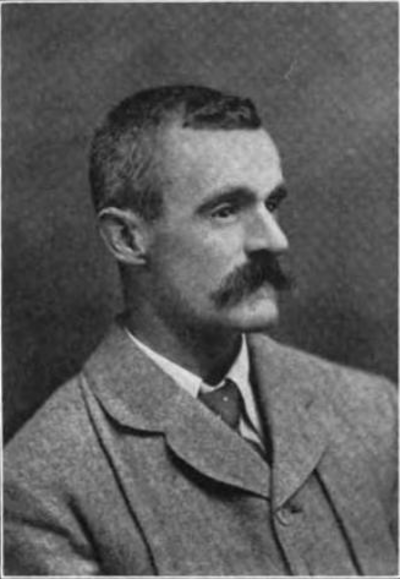
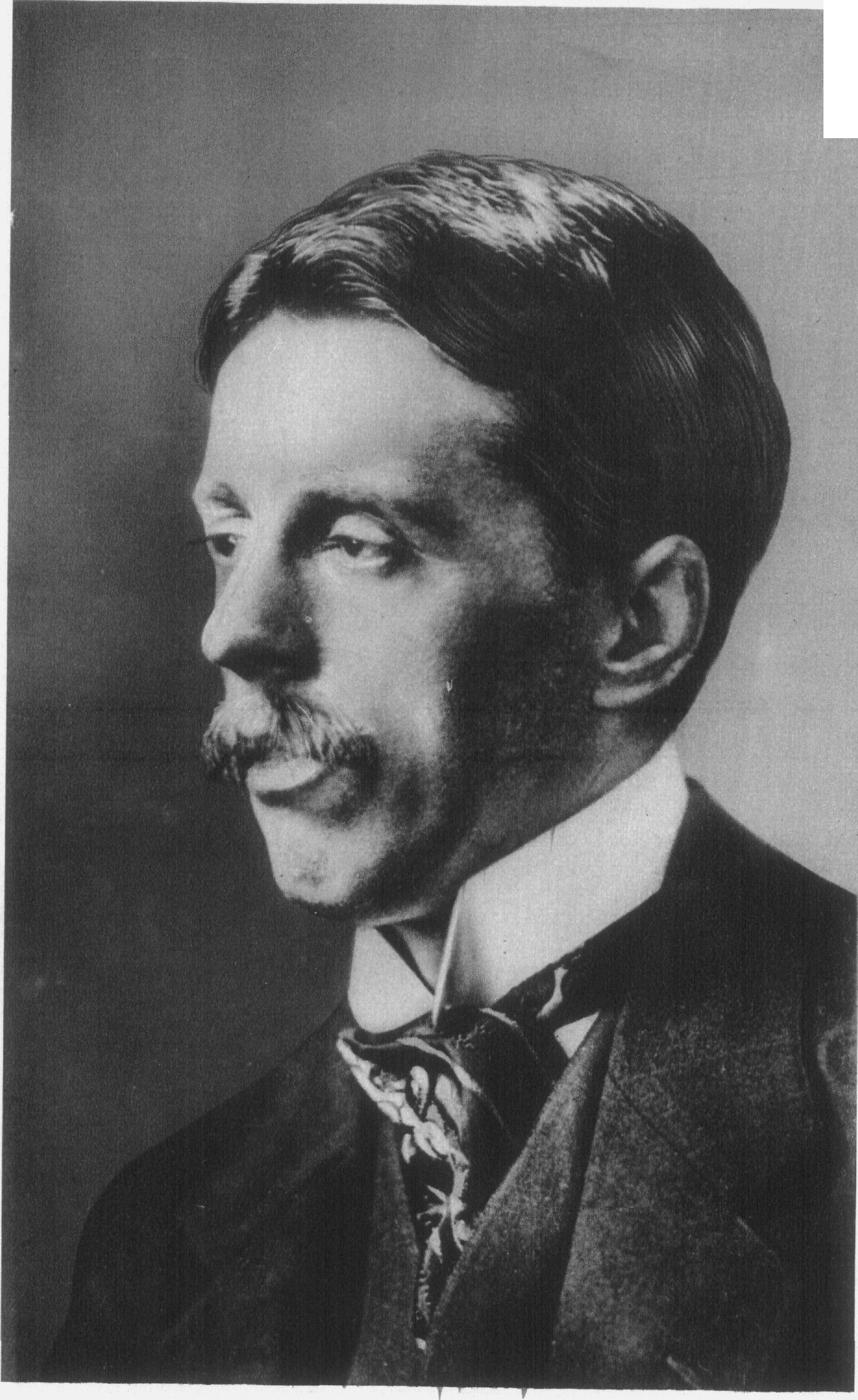
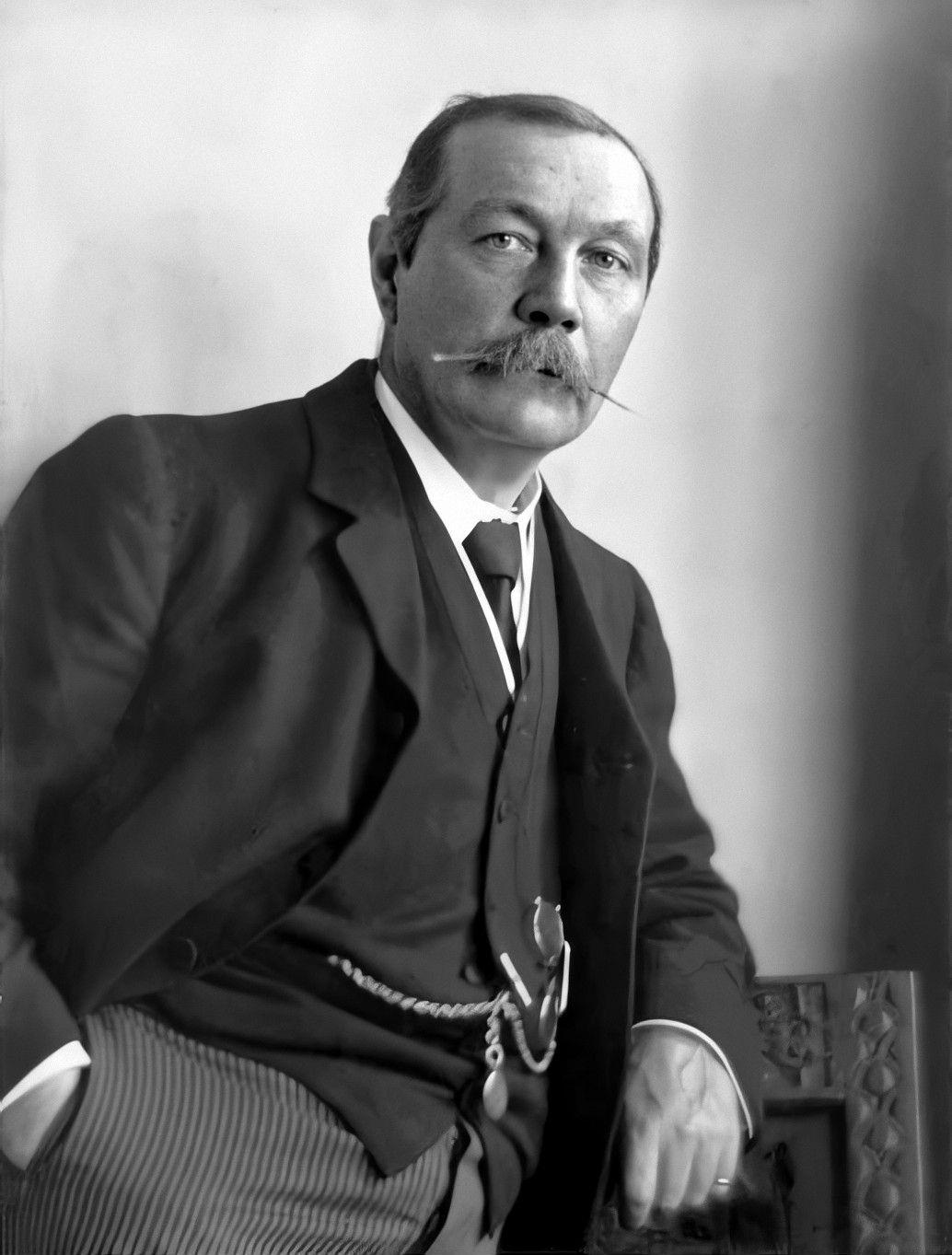
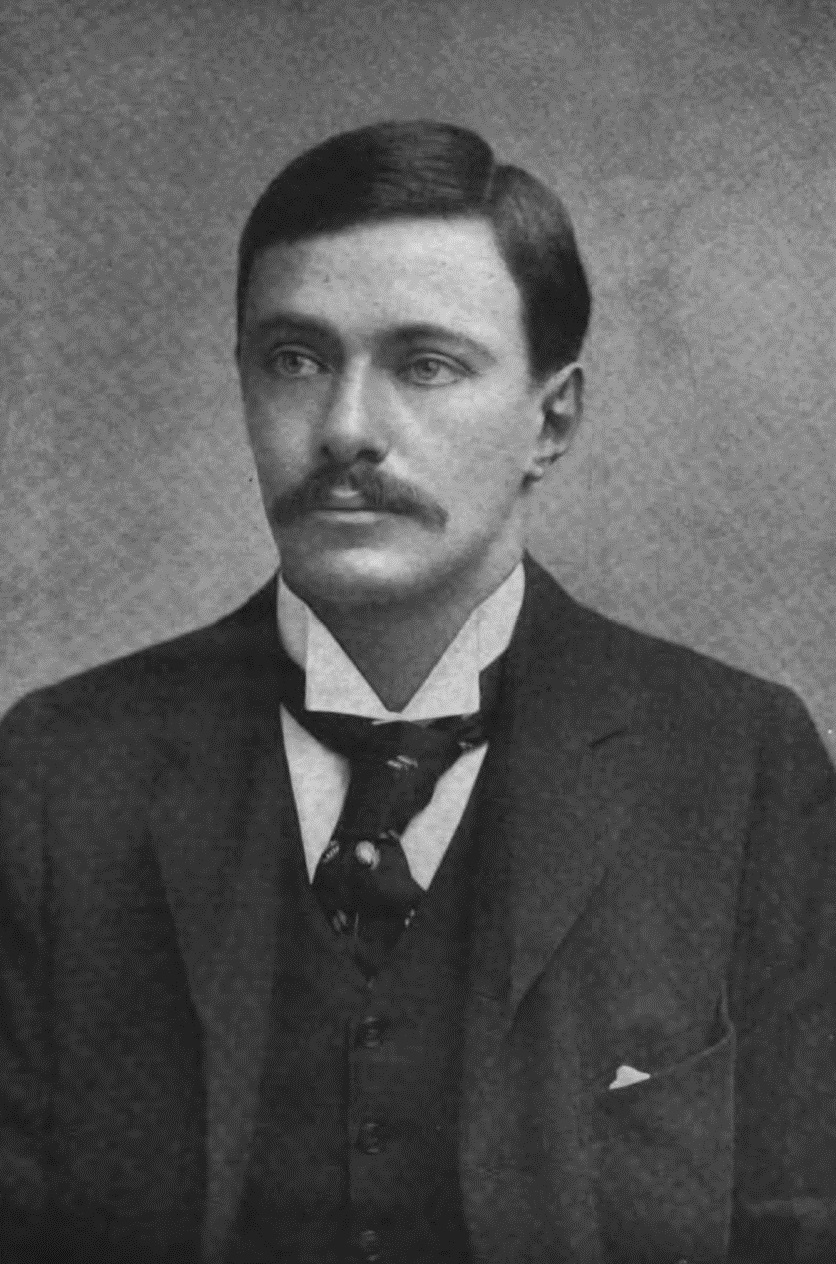
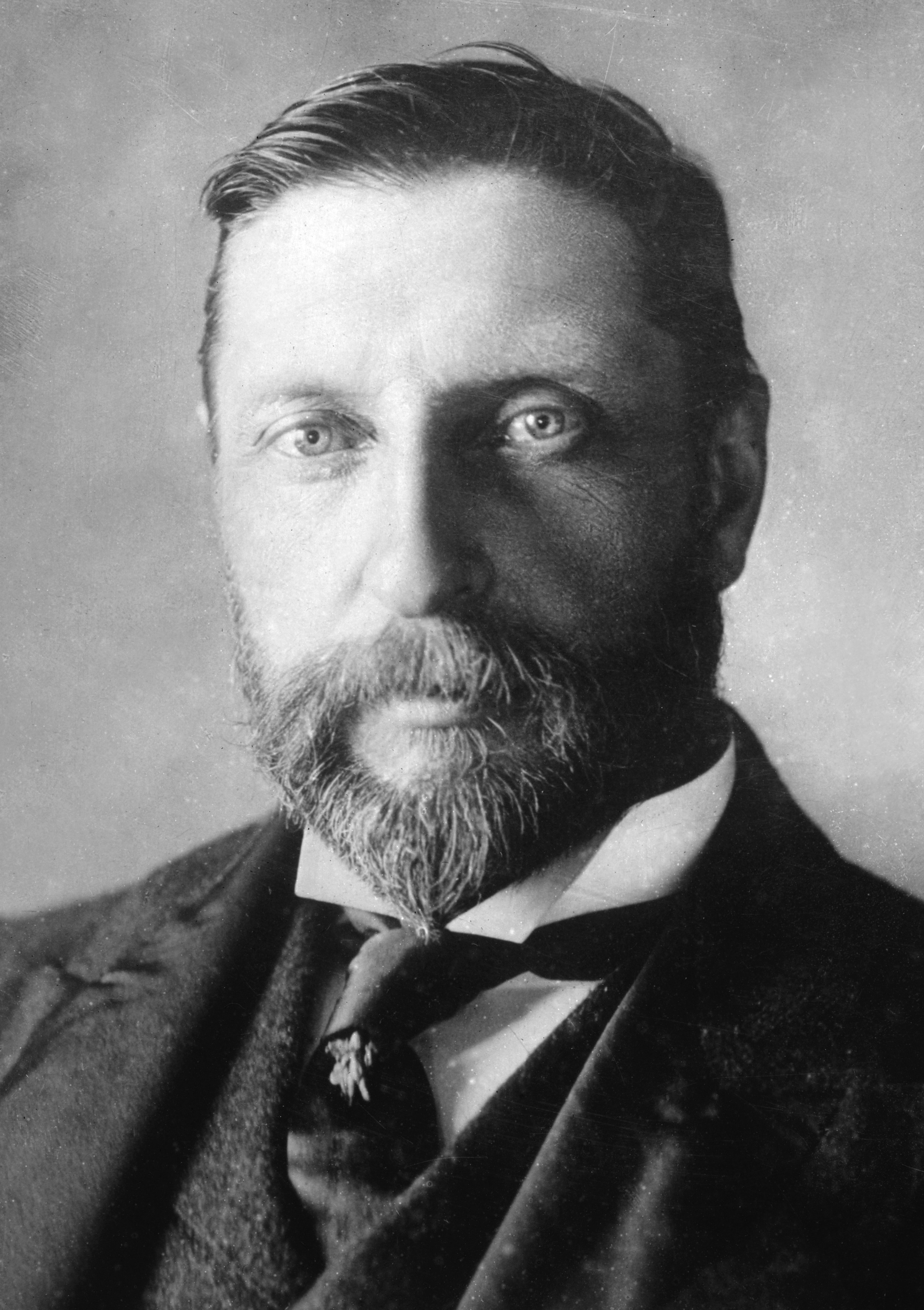
Sir Anthony Hope Hawkins, known as Anthony Hope, was a British novelist and playwright whose adventurous tales captivated readers in the late 19th and early 20th centuries. He gained prominence primarily for two novels, The Prisoner of Zenda (1894) and its sequel Rupert of Hentzau (1898), which are set in the fictional European kingdom of Ruritania. These works not only showcased Hope's flair for storytelling but also pioneered the genre of Ruritanian romance, influencing countless authors and adaptations in literature and film. The Prisoner of Zenda, in particular, became a cultural touchstone, inspiring numerous adaptations, including notable film versions in 1937 and 1952. Despite being a prolific writer, with many adventure novels to his name, Hope's legacy is largely defined by these two works. His ability to blend romance, adventure, and political intrigue in an imaginary setting resonated with readers and established a template for future romantic adventure stories. Hope's contributions to literature, especially in creating a unique subgenre, solidified his place in the literary canon, ensuring that his stories continue to be celebrated and revisited by audiences over the years.
Famous Quotes
View all 17 quotes“Travel isn’t always pretty. It isn’t always comfortable. Sometimes it hurts, it even breaks your heart. But that’s okay. The journey changes you; it should change you. It leaves marks on your memory, on your consciousness, on your heart, and on your body. You take something with you. Hopefully, you leave something good behind.””
“The way her fingers flutter through the space around her. Each a thing he hopes never to forget.””
“Despair was a choice. Hatred was a choice. Anger was a choice. I still had choices, and that knowledge rocked me. I may not have had as many Lester had, but I still had some choices. I could choose to give up or to hang on. Hope was a choice. Faith was a choice. And more than anything else, love was a choice. Compassion was a choice.””
Books from the author


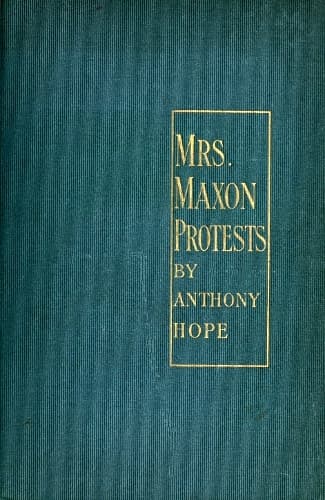

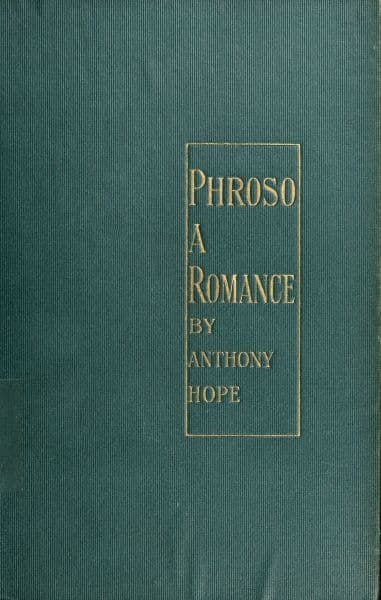




Link to this page
Add a free, dofollow link to Lex on your blog, forum, syllabus, or reading list.

<a href="https://lex-books.com/author/anthony-hope"><img src="https://lex-books.com/badges/read-on-lex.svg" alt="Anthony Hope on Lex" width="160" height="40"></a>[](https://lex-books.com/author/anthony-hope)[url=https://lex-books.com/author/anthony-hope][img]https://lex-books.com/badges/read-on-lex.svg[/img][/url]Anthony Hope on Lex: https://lex-books.com/author/anthony-hope