Lex

Browse

All GenresBookshelvesFree BooksFree Audiobooks

Company

About usJobsShare with friendsAffiliates

Legal

Terms of ServicePrivacy Policy

Contact

Supportgeneral@lex-books.com(215) 703-8277

© 2026 LexBooks, Inc. All rights reserved.

Jerome K. Jerome

Jerome K. Jerome

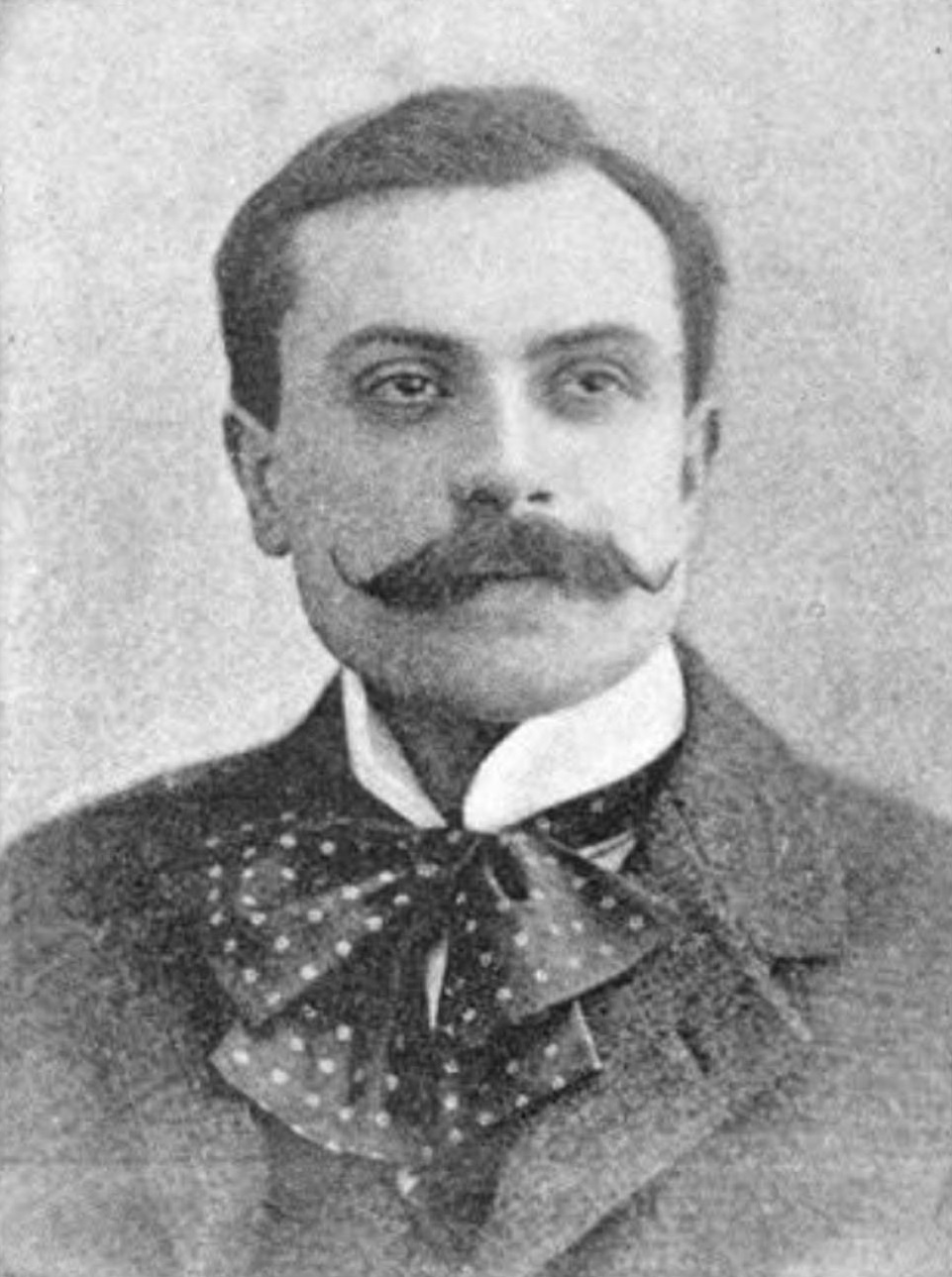
Jerome K. Jerome was an English writer and humorist renowned for his wit and keen observations of human nature. He gained widespread acclaim with his comic travelogue, *Three Men in a Boat*, published in 1889, which humorously chronicles a boating holiday on the Thames with three friends and a dog. This work not only showcased Jerome's talent for blending humor with insightful commentary but also established him as a significant figure in English literature. His other notable works include the essay collections *Idle Thoughts of an Idle Fellow* (1886) and *Second Thoughts of an Idle Fellow*, as well as the sequel *Three Men on the Bummel*. Jerome's writing is characterized by its light-heartedness and charm, often reflecting the social mores of his time while poking fun at the absurdities of everyday life. His ability to capture the essence of human folly and the quirks of friendship has left a lasting impact on the genre of comic literature. Jerome K. Jerome's legacy endures through his humorous narratives and his influence on later writers, solidifying his place as a beloved figure in the literary canon of the late 19th and early 20th centuries.

Wikipedia

Jerome Klapka Jerome was an English writer and humorist, best known for the comic travelogue Three Men in a Boat (1889)....

Written by Lex AI

Famous Quotes

View all 86 quotes

“I remember going to the British Museum one day to read up the treatment for some slight ailment of which I had a touch – hay fever, I fancy it was. I got down the book, and read all I came to read; and then, in an unthinking moment, I idly turned the leaves, and began to indolently study diseases, generally. I forget which was the first distemper I plunged into – some fearful, devastating scourge, I know – and, before I had glanced half down the list of “premonitory symptoms,” it was borne in upon me that I had fairly got it.I sat for awhile, frozen with horror; and then, in the listlessness of despair, I again turned over the pages. I came to typhoid fever – read the symptoms – discovered that I had typhoid fever, must have had it for months without knowing it – wondered what else I had got; turned up St. Vitus’s Dance – found, as I expected, that I had that too, – began to get interested in my case, and determined to sift it to the bottom, and so started alphabetically – read up ague, and learnt that I was sickening for it, and that the acute stage would commence in about another fortnight. Bright’s disease, I was relieved to find, I had only in a modified form, and, so far as that was concerned, I might live for years. Cholera I had, with severe complications; and diphtheria I seemed to have been born with. I plodded conscientiously through the twenty-six letters, and the only malady I could conclude I had not got was housemaid’s knee....I had walked into that reading-room a happy, healthy man. I crawled out a decrepit wreck.I went to my medical man. He is an old chum of mine, and feels my pulse, and looks at my tongue, and talks about the weather, all for nothing, when I fancy I’m ill; so I thought I would do him a good turn by going to him now. “What a doctor wants,” I said, “is practice. He shall have me. He will get more practice out of me than out of seventeen hundred of your ordinary, commonplace patients, with only one or two diseases each.” So I went straight up and saw him, and he said:“Well, what’s the matter with you?”I said:“I will not take up your time, dear boy, with telling you what is the matter with me. Life is brief, and you might pass away before I had finished. But I will tell you what is NOT the matter with me. I have not got housemaid’s knee. Why I have not got housemaid’s knee, I cannot tell you; but the fact remains that I have not got it. Everything else, however, I HAVE got.”And I told him how I came to discover it all.Then he opened me and looked down me, and clutched hold of my wrist, and then he hit me over the chest when I wasn’t expecting it – a cowardly thing to do, I call it – and immediately afterwards butted me with the side of his head. After that, he sat down and wrote out a prescription, and folded it up and gave it me, and I put it in my pocket and went out.I did not open it. I took it to the nearest chemist’s, and handed it in. The man read it, and then handed it back.He said he didn’t keep it.I said:“You are a chemist?”He said:“I am a chemist. If I was a co-operative stores and family hotel combined, I might be able to oblige you. Being only a chemist hampers me.”I read the prescription. It ran:“1 lb. beefsteak, with 1 pt. bitter beerevery 6 hours.1 ten-mile walk every morning.1 bed at 11 sharp every night.And don’t stuff up your head with things you don’t understand.”I followed the directions, with the happy result – speaking for myself – that my life was preserved, and is still going on.”

“I knew a young man once, he was a most conscientious fellow, and, when he took to fly-fishing, he determined never to exaggerate his hauls by more than twenty-five per cent.“When I have caught forty fish,” said he, “then I will tell people that I have caught fifty, and so on. But I will not lie any more than that, because it is sinful to lie.”But the twenty-five per cent. plan did not work well at all. He never was able to use it. The greatest number of fish he ever caught in one day was three, and you can’t add twenty-five per cent. to three – at least, not in fish.So he increased his percentage to thirty-three-and-a-third; but that, again, was awkward, when he had only caught one or two; so, to simplify matters, he made up his mind to just double the quantity.He stuck to this arrangement for a couple of months, and then he grew dissatisfied with it. Nobody believed him when he told them that he only doubled, and he, therefore, gained no credit that way whatever, while his moderation put him at a disadvantage among the other anglers. When he had really caught three small fish, and said he had caught six, it used to make him quite jealous to hear a man, whom he knew for a fact had only caught one, going about telling people he had landed two dozen.So, eventually, he made one final arrangement with himself, which he has religiously held to ever since, and that was to count each fish that he caught as ten, and to assume ten to begin with. For example, if he did not catch any fish at all, then he said he had caught ten fish – you could never catch less than ten fish by his system; that was the foundation of it. Then, if by any chance he really did catch one fish, he called it twenty, while two fish would count thirty, three forty, and so on.It is a simple and easily worked plan, and there has been some talk lately of its being made use of by the angling fraternity in general. Indeed, the Committee of the Thames Angler’s Association did recommend its adoption about two years ago, but some of the older members opposed it. They said they would consider the idea if the number were doubled, and each fish counted as twenty.”

“…I notice that people always make gigantic arrangements for bathing when they are going anywhere near the water, but that they don’t bathe much when they are there.It is the same when you go to the sea-side. I always determine—when thinking over the matter in London—that I’ll get up early every morning, and go and have a dip before breakfast, and I religiously pack up a pair of drawers and a bath towel. I always get red bathing drawers. I rather fancy myself in red drawers. They suit my complexion so. But when I get to the sea I don’t feel somehow that I want that early morning bathe nearly so much as I did when I was in town.On the contrary, I feel more that I want to stop in bed till the last moment, and then come down and have my breakfast. Once or twice virtue has triumphed, and I have got out at six and half-dressed myself, and have taken my drawers and towel, and stumbled dismally off. But I haven’t enjoyed it. They seem to keep a specially cutting east wind, waiting for me, when I go to bathe in the early morning; and they pick out all the three-cornered stones, and put them on the top, and they sharpen up the rocks and cover the points over with a bit of sand so that I can’t see them, and they take the sea and put it two miles out, so that I have to huddle myself up in my arms and hop, shivering, through six inches of water. And when I do get to the sea, it is rough and quite insulting.One huge wave catches me up and chucks me in a sitting posture, as hard as ever it can, down on to a rock which has been put there for me. And, before I’ve said “Oh! Ugh!” and found out what has gone, the wave comes back and carries me out to mid-ocean. I begin to strike out frantically for the shore, and wonder if I shall ever see home and friends again, and wish I’d been kinder to my little sister when a boy (when I was a boy, I mean). Just when I have given up all hope, a wave retires and leaves me sprawling like a star-fish on the sand, and I get up and look back and find that I’ve been swimming for my life in two feet of water. I hop back and dress, and crawl home, where I have to pretend I liked it.”

“I remember going to the British Museum one day to read up the treatment for some slight ailment of which I had a touch – hay fever, I fancy it was. I got down the book, and read all I came to read; and then, in an unthinking moment, I idly turned the leaves, and began to indolently study diseases, generally. I forget which was the first distemper I plunged into – some fearful, devastating scourge, I know – and, before I had glanced half down the list of “premonitory symptoms,” it was borne in upon me that I had fairly got it.I sat for awhile, frozen with horror; and then, in the listlessness of despair, I again turned over the pages. I came to typhoid fever – read the symptoms – discovered that I had typhoid fever, must have had it for months without knowing it – wondered what else I had got; turned up St. Vitus’s Dance – found, as I expected, that I had that too, – began to get interested in my case, and determined to sift it to the bottom, and so started alphabetically – read up ague, and learnt that I was sickening for it, and that the acute stage would commence in about another fortnight. Bright’s disease, I was relieved to find, I had only in a modified form, and, so far as that was concerned, I might live for years. Cholera I had, with severe complications; and diphtheria I seemed to have been born with. I plodded conscientiously through the twenty-six letters, and the only malady I could conclude I had not got was housemaid’s knee....I had walked into that reading-room a happy, healthy man. I crawled out a decrepit wreck.I went to my medical man. He is an old chum of mine, and feels my pulse, and looks at my tongue, and talks about the weather, all for nothing, when I fancy I’m ill; so I thought I would do him a good turn by going to him now. “What a doctor wants,” I said, “is practice. He shall have me. He will get more practice out of me than out of seventeen hundred of your ordinary, commonplace patients, with only one or two diseases each.” So I went straight up and saw him, and he said:“Well, what’s the matter with you?”I said:“I will not take up your time, dear boy, with telling you what is the matter with me. Life is brief, and you might pass away before I had finished. But I will tell you what is NOT the matter with me. I have not got housemaid’s knee. Why I have not got housemaid’s knee, I cannot tell you; but the fact remains that I have not got it. Everything else, however, I HAVE got.”And I told him how I came to discover it all.Then he opened me and looked down me, and clutched hold of my wrist, and then he hit me over the chest when I wasn’t expecting it – a cowardly thing to do, I call it – and immediately afterwards butted me with the side of his head. After that, he sat down and wrote out a prescription, and folded it up and gave it me, and I put it in my pocket and went out.I did not open it. I took it to the nearest chemist’s, and handed it in. The man read it, and then handed it back.He said he didn’t keep it.I said:“You are a chemist?”He said:“I am a chemist. If I was a co-operative stores and family hotel combined, I might be able to oblige you. Being only a chemist hampers me.”I read the prescription. It ran:“1 lb. beefsteak, with 1 pt. bitter beerevery 6 hours.1 ten-mile walk every morning.1 bed at 11 sharp every night.And don’t stuff up your head with things you don’t understand.”I followed the directions, with the happy result – speaking for myself – that my life was preserved, and is still going on.”

“I knew a young man once, he was a most conscientious fellow, and, when he took to fly-fishing, he determined never to exaggerate his hauls by more than twenty-five per cent.“When I have caught forty fish,” said he, “then I will tell people that I have caught fifty, and so on. But I will not lie any more than that, because it is sinful to lie.”But the twenty-five per cent. plan did not work well at all. He never was able to use it. The greatest number of fish he ever caught in one day was three, and you can’t add twenty-five per cent. to three – at least, not in fish.So he increased his percentage to thirty-three-and-a-third; but that, again, was awkward, when he had only caught one or two; so, to simplify matters, he made up his mind to just double the quantity.He stuck to this arrangement for a couple of months, and then he grew dissatisfied with it. Nobody believed him when he told them that he only doubled, and he, therefore, gained no credit that way whatever, while his moderation put him at a disadvantage among the other anglers. When he had really caught three small fish, and said he had caught six, it used to make him quite jealous to hear a man, whom he knew for a fact had only caught one, going about telling people he had landed two dozen.So, eventually, he made one final arrangement with himself, which he has religiously held to ever since, and that was to count each fish that he caught as ten, and to assume ten to begin with. For example, if he did not catch any fish at all, then he said he had caught ten fish – you could never catch less than ten fish by his system; that was the foundation of it. Then, if by any chance he really did catch one fish, he called it twenty, while two fish would count thirty, three forty, and so on.It is a simple and easily worked plan, and there has been some talk lately of its being made use of by the angling fraternity in general. Indeed, the Committee of the Thames Angler’s Association did recommend its adoption about two years ago, but some of the older members opposed it. They said they would consider the idea if the number were doubled, and each fish counted as twenty.”

“…I notice that people always make gigantic arrangements for bathing when they are going anywhere near the water, but that they don’t bathe much when they are there.It is the same when you go to the sea-side. I always determine—when thinking over the matter in London—that I’ll get up early every morning, and go and have a dip before breakfast, and I religiously pack up a pair of drawers and a bath towel. I always get red bathing drawers. I rather fancy myself in red drawers. They suit my complexion so. But when I get to the sea I don’t feel somehow that I want that early morning bathe nearly so much as I did when I was in town.On the contrary, I feel more that I want to stop in bed till the last moment, and then come down and have my breakfast. Once or twice virtue has triumphed, and I have got out at six and half-dressed myself, and have taken my drawers and towel, and stumbled dismally off. But I haven’t enjoyed it. They seem to keep a specially cutting east wind, waiting for me, when I go to bathe in the early morning; and they pick out all the three-cornered stones, and put them on the top, and they sharpen up the rocks and cover the points over with a bit of sand so that I can’t see them, and they take the sea and put it two miles out, so that I have to huddle myself up in my arms and hop, shivering, through six inches of water. And when I do get to the sea, it is rough and quite insulting.One huge wave catches me up and chucks me in a sitting posture, as hard as ever it can, down on to a rock which has been put there for me. And, before I’ve said “Oh! Ugh!” and found out what has gone, the wave comes back and carries me out to mid-ocean. I begin to strike out frantically for the shore, and wonder if I shall ever see home and friends again, and wish I’d been kinder to my little sister when a boy (when I was a boy, I mean). Just when I have given up all hope, a wave retires and leaves me sprawling like a star-fish on the sand, and I get up and look back and find that I’ve been swimming for my life in two feet of water. I hop back and dress, and crawl home, where I have to pretend I liked it.”

Books from the author

Three Men in a Boat
The Idle Thoughts of an Idle Fellow
Paul Kelver
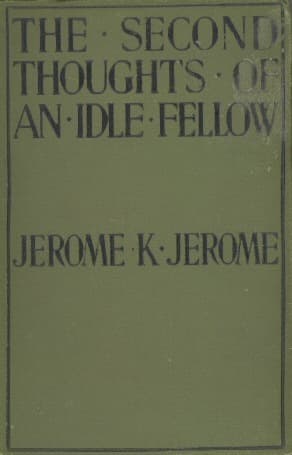
The Second Thoughts of an Idle Fellow
Malvina of Brittany

JohnIngerfield,and OtherStories

1893

Jerome K. Jerome

Sketches in Lavender, Blue and Green

The Angeland theAuthor, andOthers

Jerome K. Jerome

Novel Notes
The Cost of Kindness
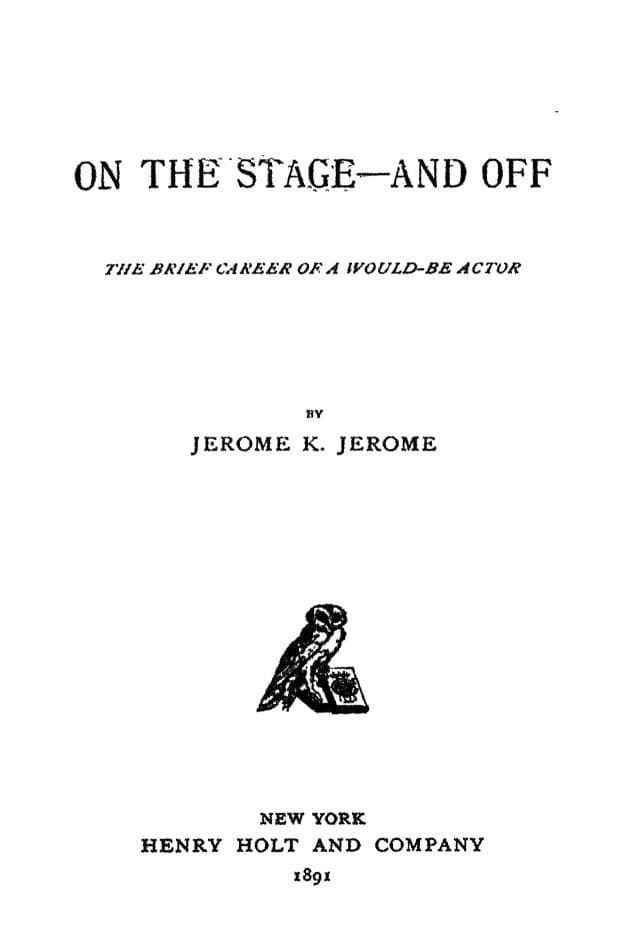
On the Stage--And Off: The Brief Career of a Would-Be Actor
Mrs. Korner Sins Her Mercies
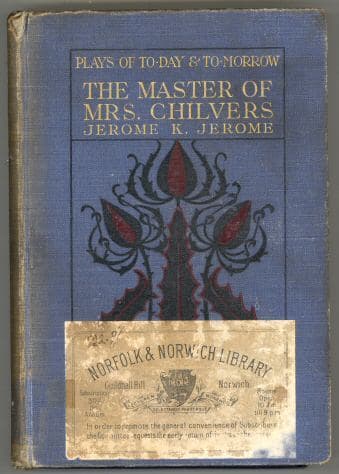
The Master of Mrs. Chilvers: An Improbable Comedy

Clocks

1889

Jerome K. Jerome

The Love of Ulrich Nebendahl

ThePhilosophe...Joke

Jerome K. Jerome

Dreams

1886

Jerome K. Jerome

Stage-Land
Anthony John

The Prude'sProgress: AComedy inThree Acts

1895

Jerome K. Jerome

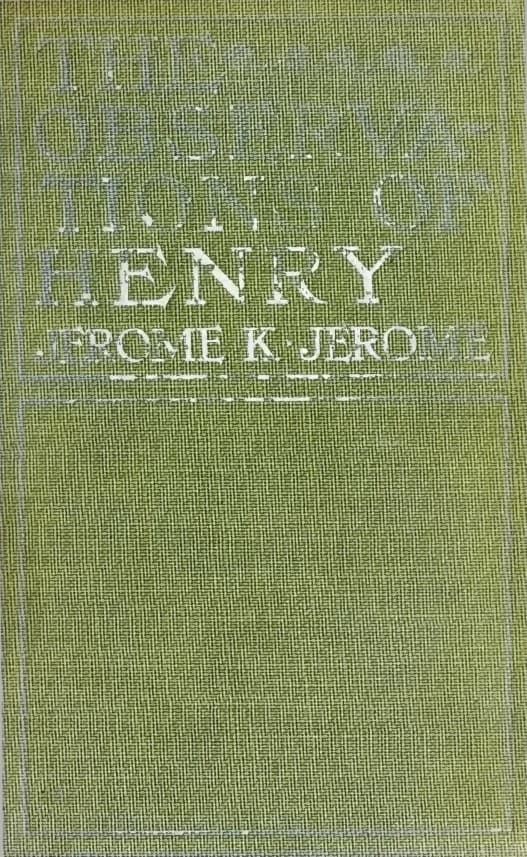
The Observations of Henry: Illustrated
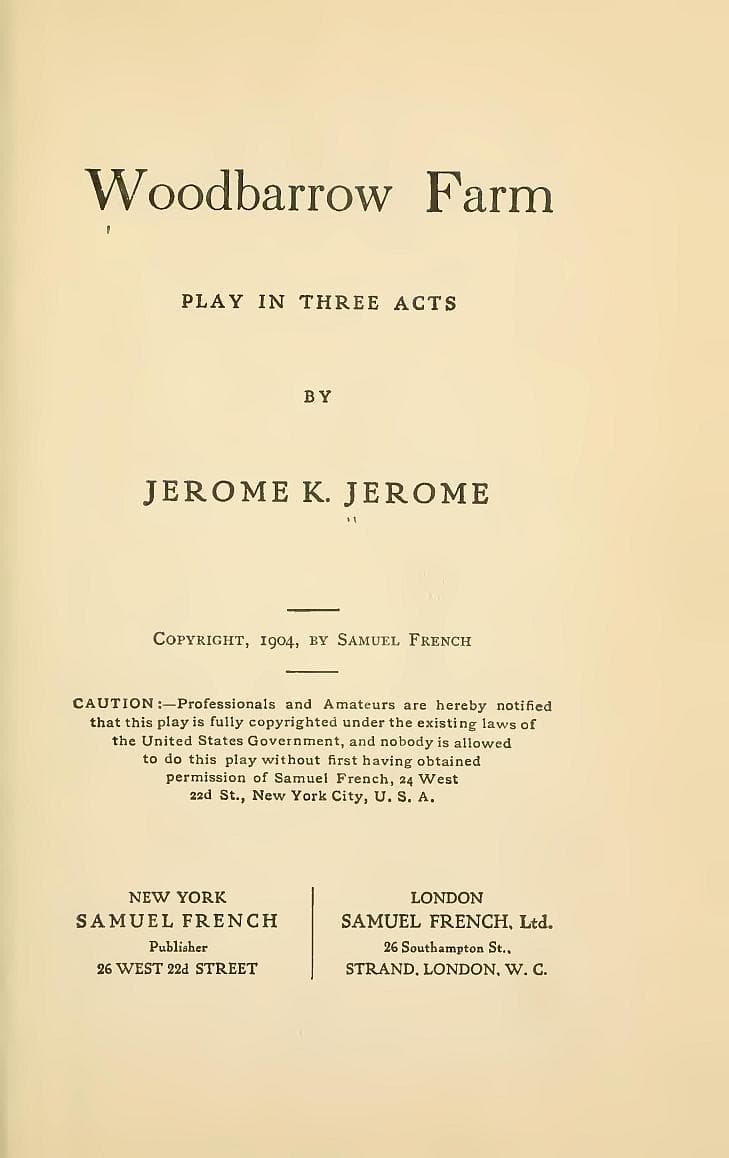
Woodbarrow Farm: Play in Three Acts

Tommy andCo.

1904

Jerome K. Jerome

Evergreens

Jerome K. Jerome

Tres Homes Dins D'una Barca (sense Comptar-Hi El Gos)
The Soul of Nicholas Snyders; Or, the Miser of Zandam
Les Trois Hommes En Allemagne
The Observations of Henry
Trois Hommes Dans UN Bateau

ViehättäväRouva Y.m.Luonnekuvia

Jerome K. Jerome

Tres Anglesos S'esbargeixen

Keijukainen

Jerome K. Jerome

Egy Naplopó Tünődései
Kolme Miestä Veneessä

More authors like this

right arrow
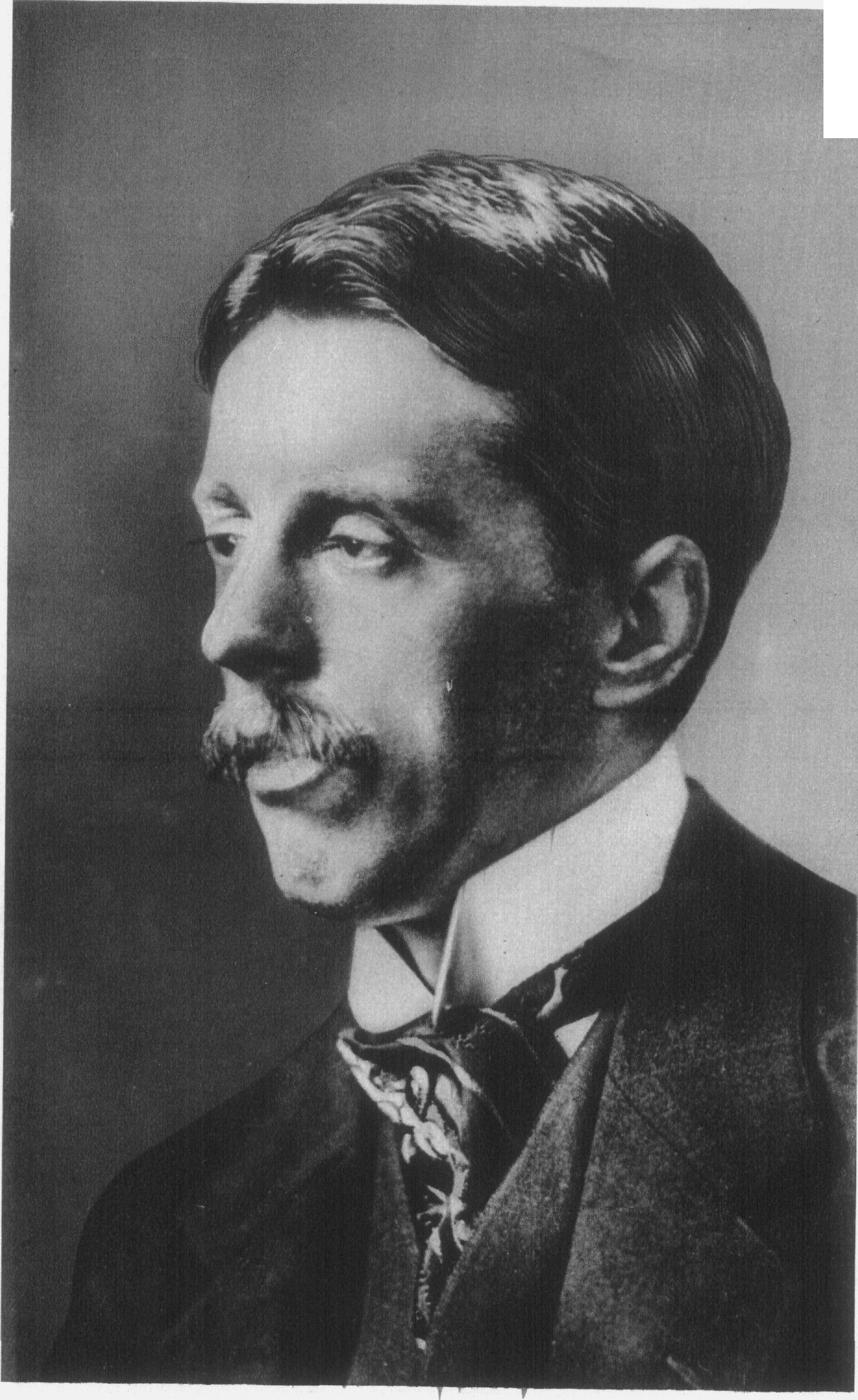
Arnold Bennett
Arnold Bennett
1867-1931
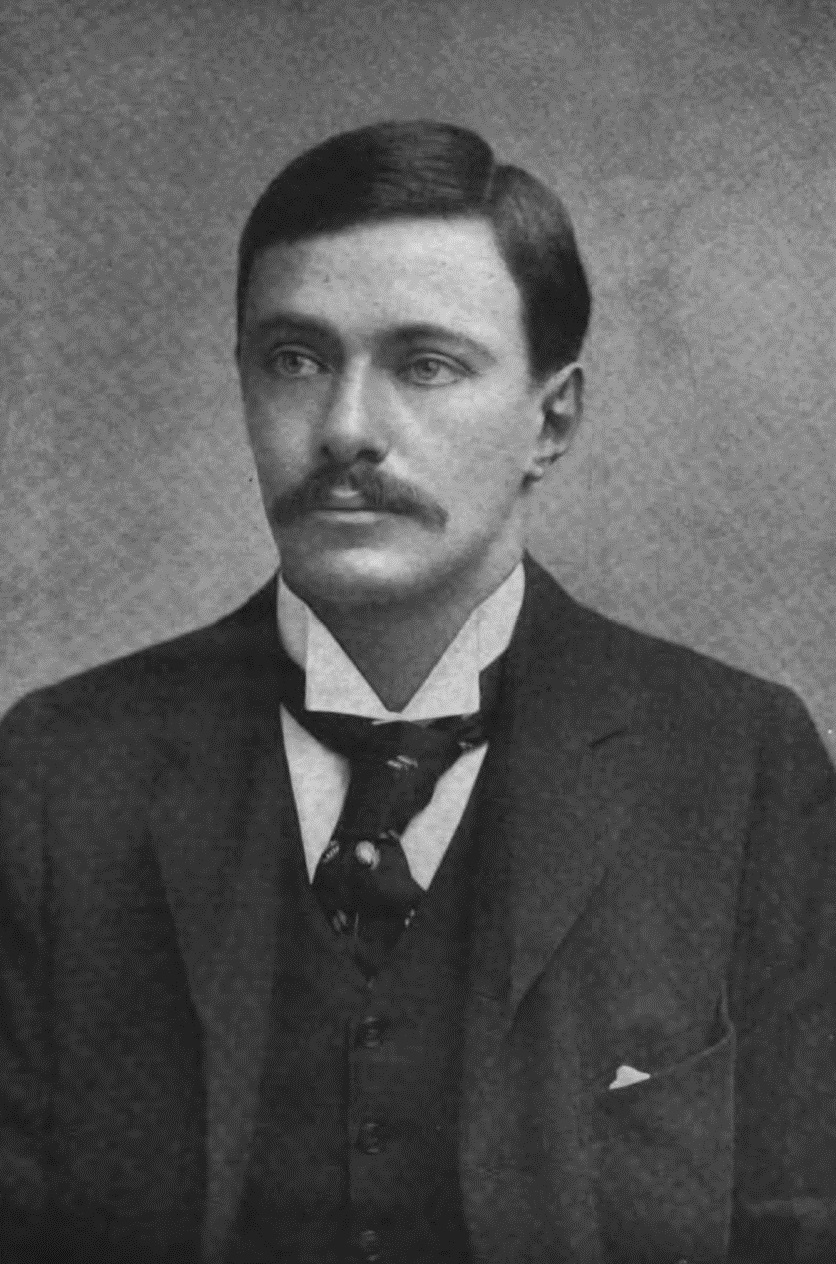
E. F. Benson
E. F. Benson
1867-1940
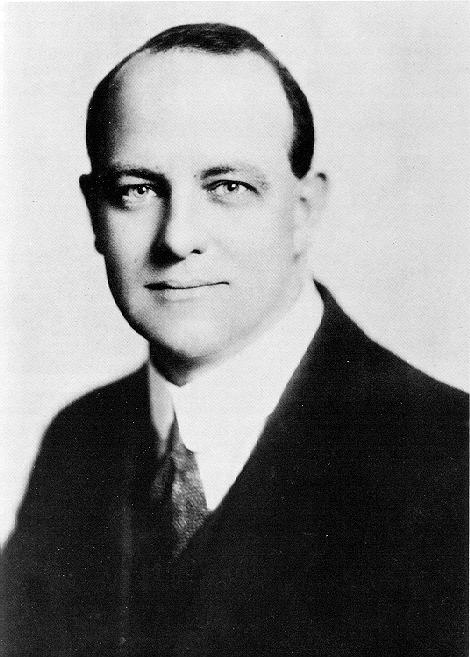
P. G. Wodehouse
P. G. Wodehouse
1881-1975
Arthur Conan Doyle
Arthur Conan Doyle
1859-1930
Joseph Conrad
Joseph Conrad
1857-1924
Bernard Shaw
Bernard Shaw
1856-1950
Gilbert Parker
Gilbert Parker
1862-1932
H. Rider Haggard
H. Rider Haggard
1856-1925
John Kendrick Bangs
John Kendrick Bangs
1862-1922
Anthony Hope
Anthony Hope
1863-1933
Arthur Quiller-Couch
1863-1944
Stanley John Weyman
Stanley John Weyman
1855-1928
W. W. Jacobs
W. W. Jacobs
1863-1943
L. T. Meade
L. T. Meade
1854-1914
Oscar Wilde
Oscar Wilde
1854-1900
William Le Queux
William Le Queux
1864-1927