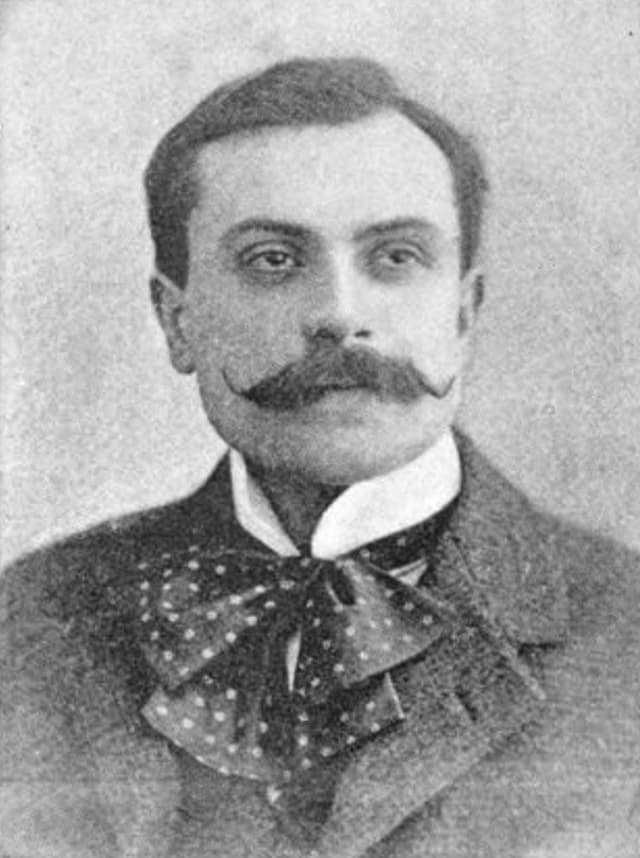
William Le Queux
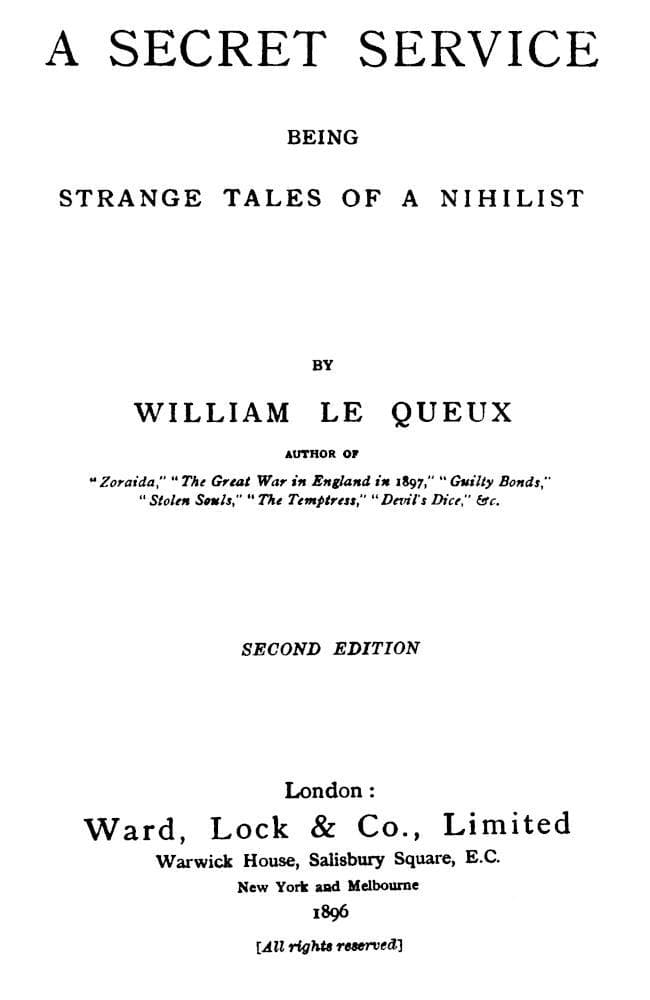
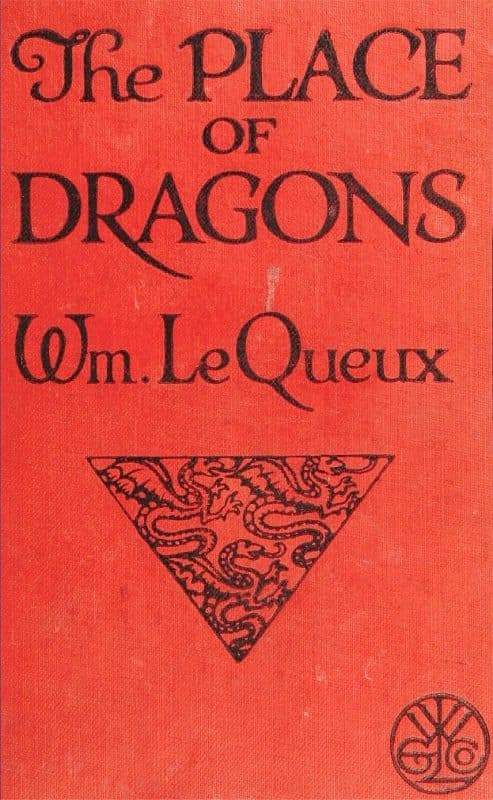
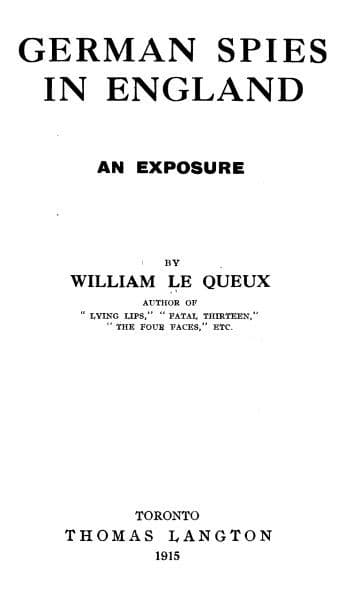
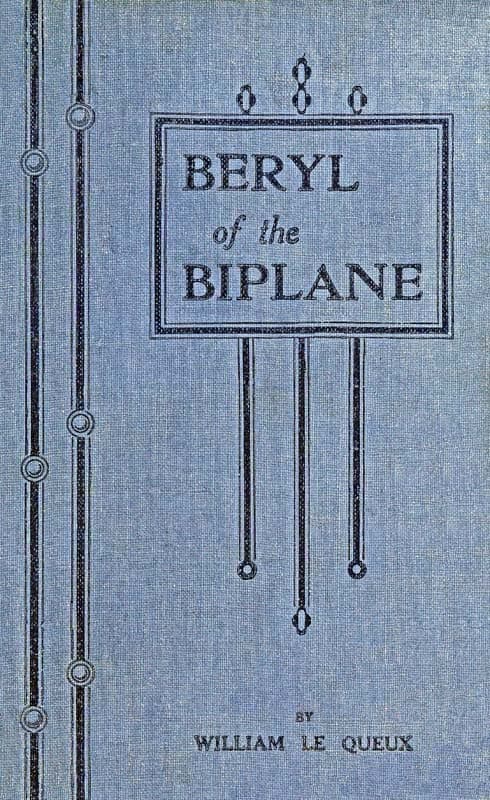
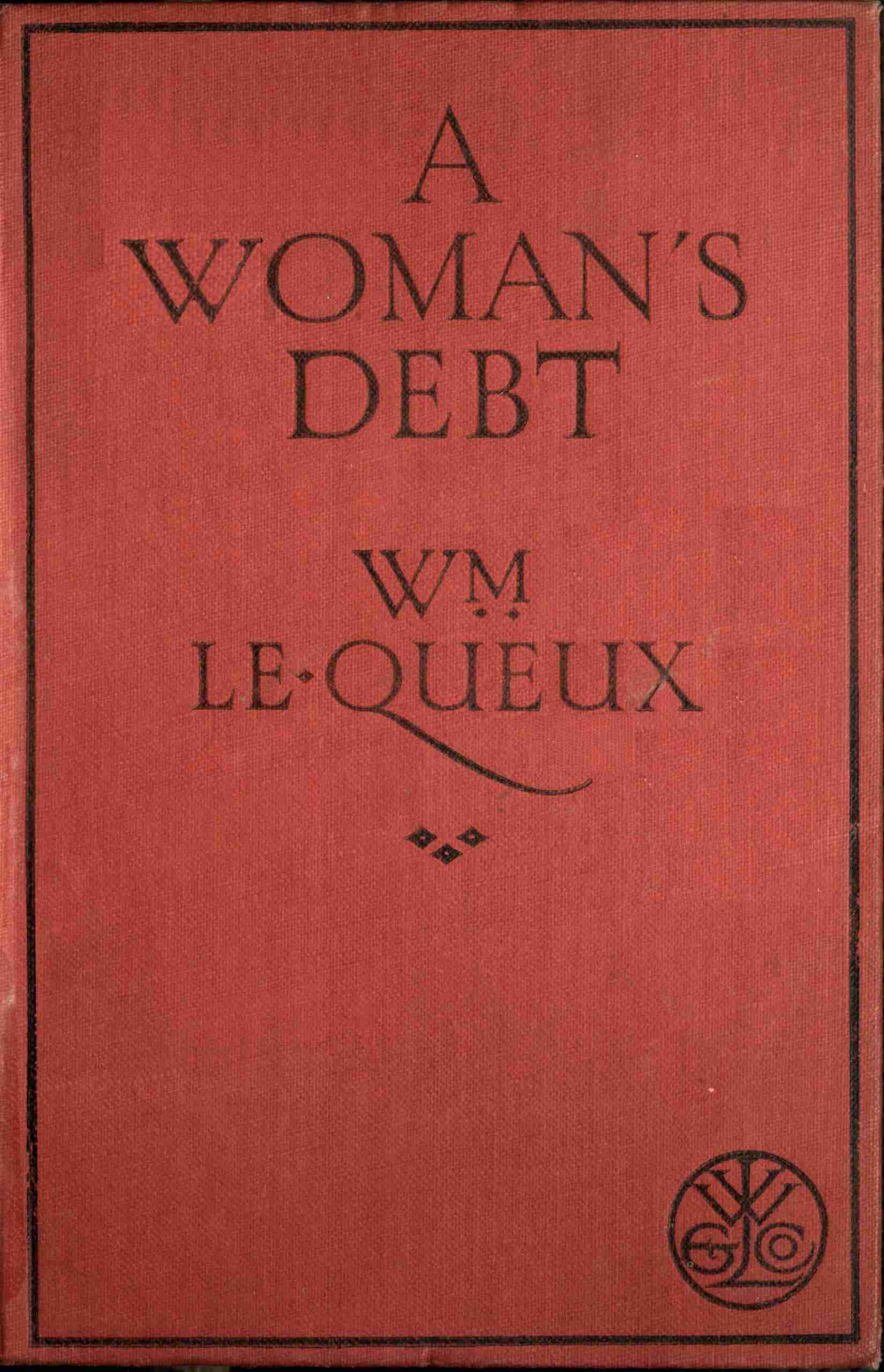
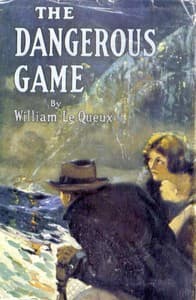
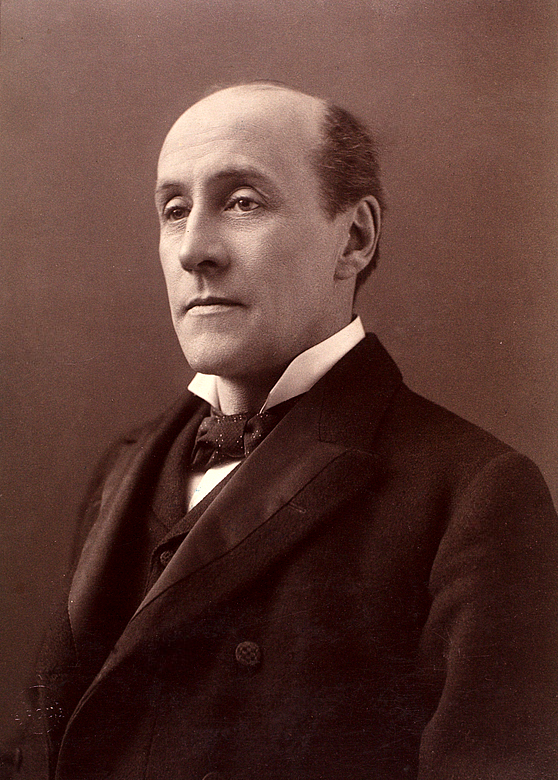
William Le Queux was a French-English journalist and writer known for his provocative and imaginative works that often explored themes of invasion and national security. Born in 1864, he became a prominent figure in the literary world, particularly noted for his novels that reflected the anxieties of his time. His most significant works include 'The Great War in England in 1897,' which presented a fictional scenario of a French invasion, and 'The Invasion of 1910,' a bestseller that depicted a German invasion of Britain. These narratives not only entertained readers but also tapped into the contemporary fears surrounding military conflict and foreign threats. Le Queux's contributions extended beyond literature; he was also an early wireless pioneer and an honorary consul for San Marino. His eclectic interests included travel and aviation, and he played a role in the first British air meeting in 1909. Despite his varied accomplishments, many of his claims about his exploits were often exaggerated. Nevertheless, his works left a lasting impact on the genre of invasion literature, influencing subsequent writers and shaping public perceptions of national security during a tumultuous period in European history. Le Queux's legacy endures as a reflection of the anxieties and imaginations of the late 19th and early 20th centuries.
Famous Quotes
View all 5 quotes“He indulged in a little profanity, born of his emotion, which need not be set down here. Shorn of certain expletives, natural to a man of his class, he inquired of Brown what was the matter.””
“Why! Look! he’s dead, doctor!” I gasped, standing aghast. The sudden change in the thin sallow face, the lack of expression in the brilliant eyes, and the dropping of the jaw were sufficient to convince me that the stranger’s life had ebbed away.””
Books from the author

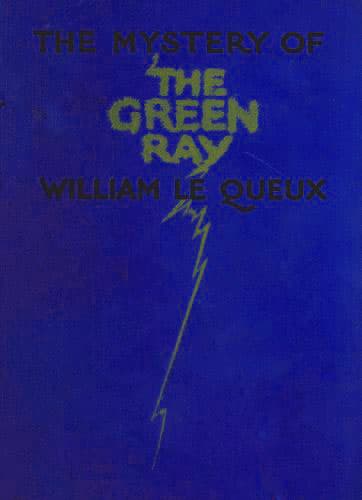
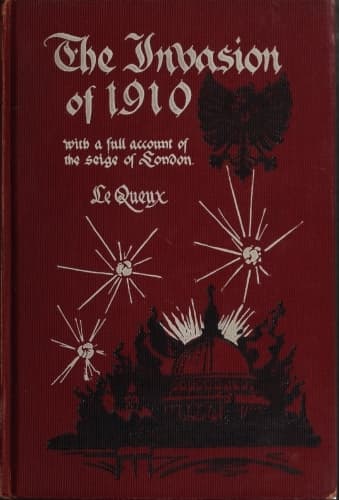
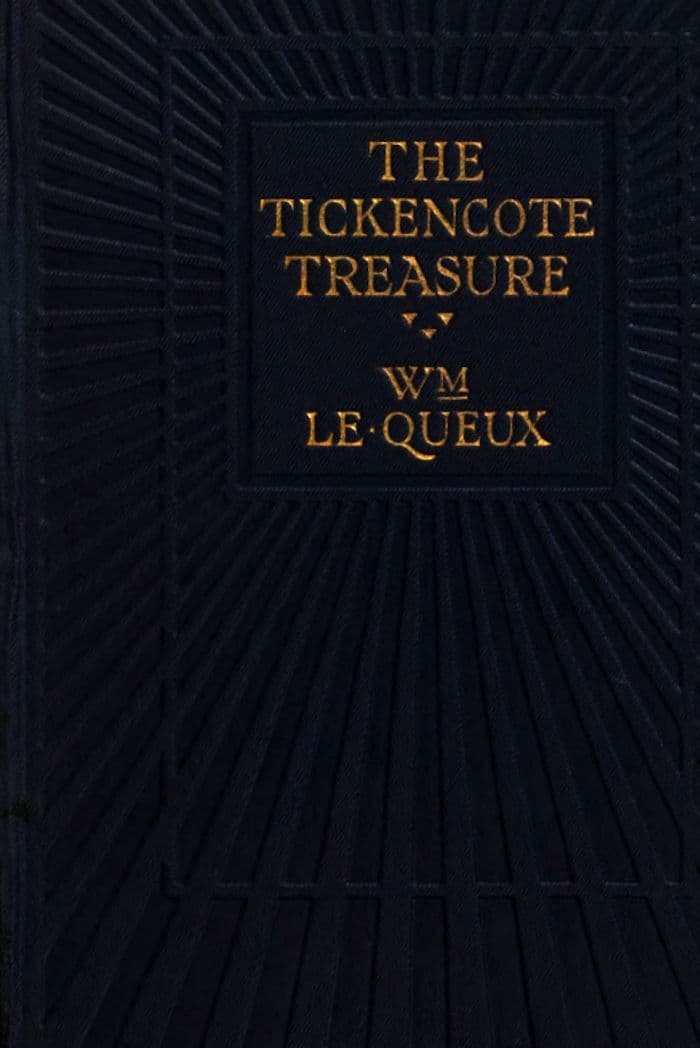







Link to this page
Add a free, dofollow link to Lex on your blog, forum, syllabus, or reading list.

<a href="https://lex-books.com/author/william-le-queux"><img src="https://lex-books.com/badges/read-on-lex.svg" alt="William Le Queux on Lex" width="160" height="40"></a>[](https://lex-books.com/author/william-le-queux)[url=https://lex-books.com/author/william-le-queux][img]https://lex-books.com/badges/read-on-lex.svg[/img][/url]William Le Queux on Lex: https://lex-books.com/author/william-le-queux