1837-1898
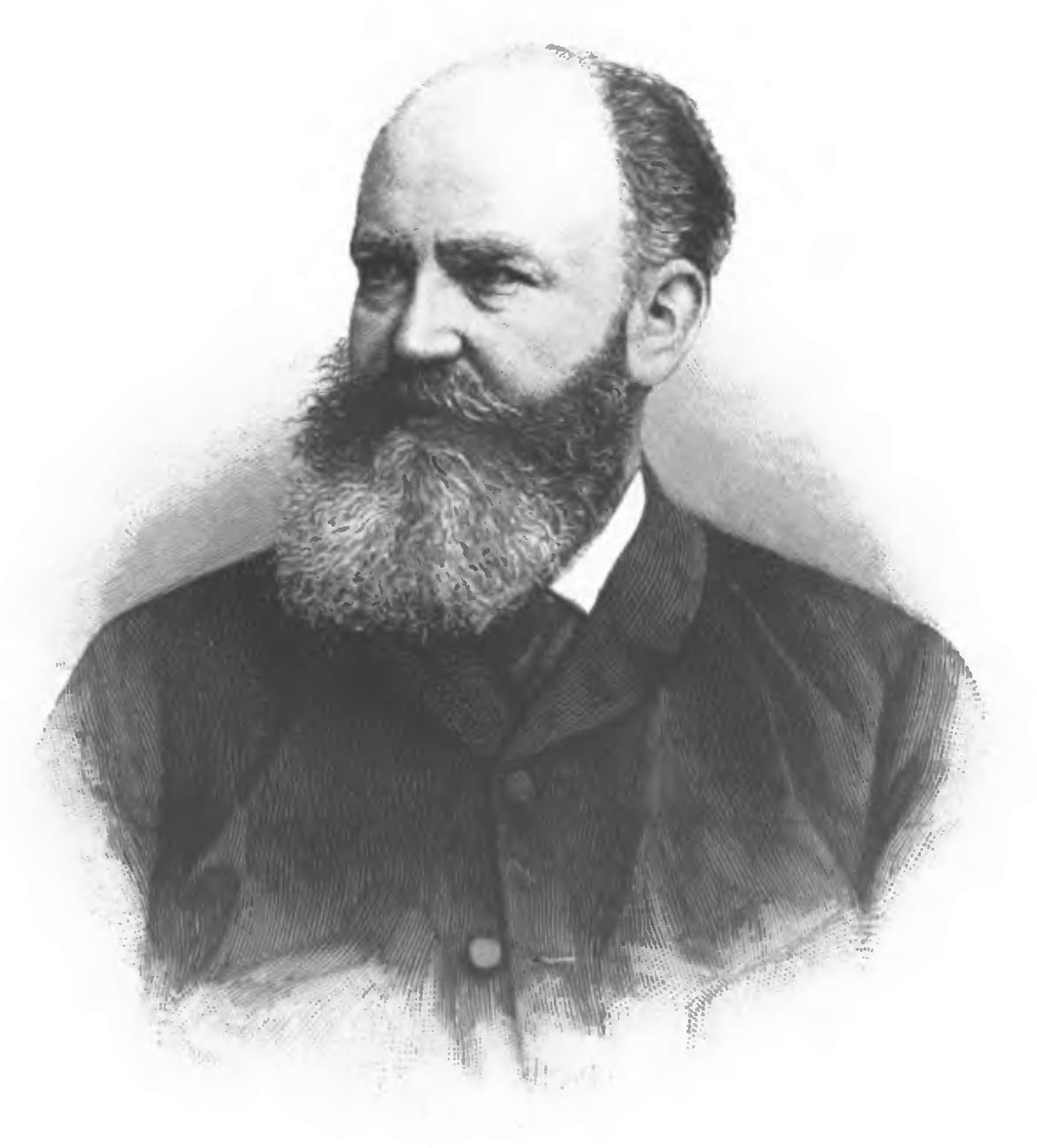
Georg Moritz Ebers (1 March 1837 – 7 August 1898) was a German Egyptologist and novelist. He is best known for his purchase of the Ebers Papyrus, one of the oldest Egyptian medical documents in the wo...
1887
Georg Ebers
Georg Ebers
Georg Ebers
1898
Georg Ebers
Georg Ebers
1893
Georg Ebers

1882
Georg Ebers
1897
Georg Ebers
1895
Georg Ebers
1880
Georg Ebers

1898
Georg Ebers
1898
Georg Ebers
Georg Ebers
1880
Georg Ebers
1895
Georg Ebers
Georg Ebers
Georg Ebers
Georg Ebers
Georg Ebers
1876
Georg Ebers
1876
Georg Ebers
1837
Georg Ebers
1888
Georg Ebers
Georg Ebers

Georg Ebers
Georg Ebers
Georg Ebers
Georg Ebers
Georg Ebers
1876
Georg Ebers
Georg Ebers
1878
Georg Ebers
1876
Georg Ebers
Georg Ebers
Georg Ebers
Georg Ebers
Georg Ebers
Georg Ebers
Georg Ebers
Georg Ebers
Georg Ebers
Georg Ebers
Georg Ebers
Georg Ebers
1876
Georg Ebers
1898
Georg Ebers
Georg Ebers
Georg Ebers
Georg Ebers
Georg Ebers
Georg Ebers

Georg Ebers
Georg Ebers
Georg Ebers
1898
Georg Ebers

1898
Georg Ebers
Georg Ebers

Georg Ebers
1871
Georg Ebers
Georg Ebers
Georg Ebers
1895
Georg Ebers
Georg Ebers
1898
Georg Ebers
Georg Ebers
Georg Ebers
Georg Ebers
1894
Georg Ebers
1895
Georg Ebers
Georg Ebers
1876
Georg Ebers
Georg Ebers
1837
Georg Ebers
1837
Georg Ebers
Georg Ebers
1878
Georg Ebers
1898
Georg Ebers
Georg Ebers
Georg Ebers
1895
Georg Ebers
Georg Ebers
1898
Georg Ebers
1892
Georg Ebers

Georg Ebers
1897
Georg Ebers
Georg Ebers
Georg Ebers
Georg Ebers
Georg Ebers
Georg Ebers
1915
Georg Ebers
Georg Ebers
Georg Ebers
Georg Ebers
Georg Ebers
Georg Ebers
Georg Ebers
Georg Ebers
Georg Ebers
Georg Ebers
Georg Ebers
Georg Ebers
Georg Ebers
1895
Georg Ebers
1837
Georg Ebers
Georg Ebers
1898
Georg Ebers
Georg Ebers
Georg Ebers
Georg Ebers
1888
Georg Ebers
1895
Georg Ebers
Georg Ebers
1837
Georg Ebers
Georg Ebers
1837
Georg Ebers
Georg Ebers
Georg Ebers
Georg Ebers
Georg Ebers
Georg Ebers
Georg Ebers
Georg Ebers
1876
Georg Ebers
1876
Georg Ebers
1837
Georg Ebers
1864
Georg Ebers
Georg Ebers
Georg Ebers
1895
Georg Ebers
Georg Ebers
1898
Georg Ebers
Georg Ebers
Georg Ebers
1893
Georg Ebers
Georg Ebers
Georg Ebers
Georg Ebers
Georg Ebers
Georg Ebers
1876
Georg Ebers
1837
Georg Ebers
Georg Ebers
1880
Georg Ebers
Georg Ebers
Georg Ebers
Georg Ebers
Georg Ebers
1876
Georg Ebers
1895
Georg Ebers
Georg Ebers
1876
Georg Ebers
Georg Ebers
1898
Georg Ebers
Georg Ebers
Georg Ebers
Georg Ebers
Georg Ebers

1895
Georg Ebers
Georg Ebers
1837
Georg Ebers
1890
Georg Ebers
Georg Ebers

1883
Georg Ebers
Georg Ebers
Georg Ebers
1878
Georg Ebers
Georg Ebers
Translated by Clara Bell
A historical novel written in the late 19th century. Set against the backdrop of ancient Egypt during the tumultuous reign of the Ptolemies, the narrative focuses on the lives of two sisters, Klea and Irene, who are entwined in the spiritual and social fabric of the Serapeum, a temple dedicated to the god Serapis. As the story unfolds, themes of love, sacrifice, and the struggle for identity emerge, particularly as they navigate their positions within the constraints of their societal roles and their relationships with powerful figures of the time. At the start of the narrative, we are introduced to the sisters living in modest quarters near the grand temple of Serapis. The opening chapters depict a poignant moment where Irene struggles with the meager food provided to them, demonstrating the hardships they endure. Their sisterly bond is revealed through their interactions, marked by affection and sacrifice, as Klea often prioritizes Irene's well-being over her own. The narrative sets the stage for a deeper exploration of their lives, as they encounter the complexities of their world that includes encounters with powerful Romans and the intrigues of court life. The sisters' aspirations, dreams, and moral dilemmas promise to unfold in the face of personal desires against the backdrop of historical events and societal expectations.
Georg Ebers
Georg Ebers
Georg Ebers
Georg Ebers
Georg Ebers
Georg Ebers
Georg Ebers
Georg Ebers
Georg Ebers
Georg Ebers
Georg Ebers
Georg Ebers
Georg Ebers
Georg Ebers

Georg Ebers