1837-1898
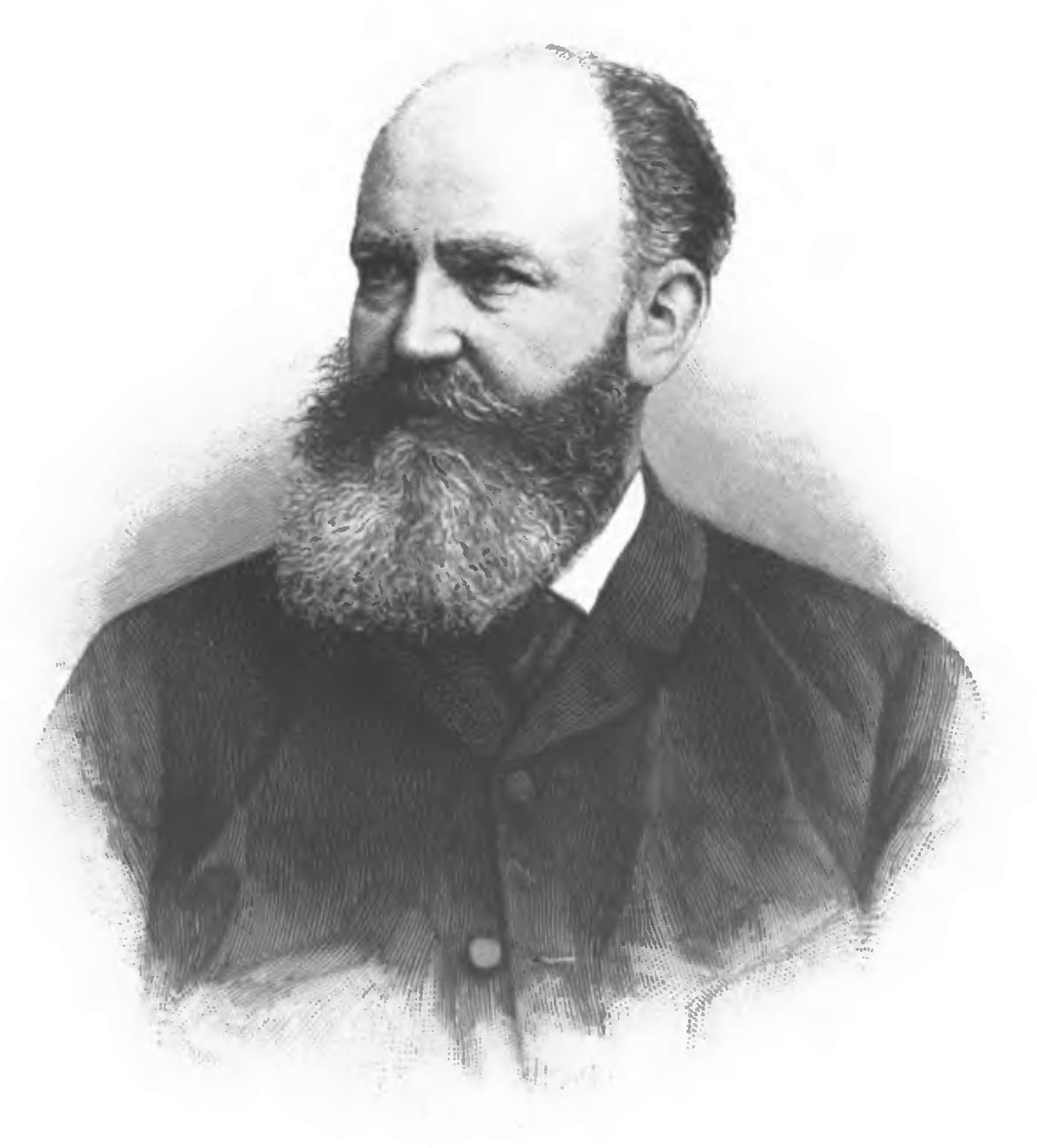
Georg Moritz Ebers (1 March 1837 – 7 August 1898) was a German Egyptologist and novelist. He is best known for his purchase of the Ebers Papyrus, one of the oldest Egyptian medical documents in the wo...
1887
Georg Ebers
Georg Ebers
Georg Ebers
1898
Georg Ebers
Georg Ebers
1893
Georg Ebers

1882
Georg Ebers
1897
Georg Ebers
1895
Georg Ebers
1880
Georg Ebers

1898
Georg Ebers
1898
Georg Ebers
Georg Ebers
1880
Georg Ebers
1895
Georg Ebers
Georg Ebers
Georg Ebers
Georg Ebers
Georg Ebers
1876
Georg Ebers
1876
Georg Ebers
1837
Georg Ebers
1888
Georg Ebers
Georg Ebers

Georg Ebers
Georg Ebers
Georg Ebers
Georg Ebers
Georg Ebers
1876
Georg Ebers
Georg Ebers
1878
Georg Ebers
1876
Georg Ebers
Georg Ebers
Georg Ebers
Georg Ebers
Georg Ebers
Georg Ebers
Georg Ebers
Georg Ebers
Georg Ebers
Georg Ebers
Georg Ebers
1876
Georg Ebers
1898
Georg Ebers
Georg Ebers
Georg Ebers
Georg Ebers
Georg Ebers
Georg Ebers

Georg Ebers
Georg Ebers
Georg Ebers
1898
Georg Ebers

1898
Georg Ebers
Georg Ebers

Georg Ebers
Georg Ebers
1871
Georg Ebers
Georg Ebers
Georg Ebers
1895
Georg Ebers
1898
Georg Ebers
Georg Ebers
Georg Ebers
Georg Ebers
Georg Ebers
1894
Georg Ebers
1895
Georg Ebers
Georg Ebers
1876
Georg Ebers
Georg Ebers
1837
Georg Ebers
1878
Georg Ebers
1837
Georg Ebers
Georg Ebers
1898
Georg Ebers
Georg Ebers
Georg Ebers
1898
Georg Ebers
1892
Georg Ebers
1895
Georg Ebers
Georg Ebers

Georg Ebers
1897
Georg Ebers
Georg Ebers
Georg Ebers
Georg Ebers
Georg Ebers
Georg Ebers
1915
Georg Ebers
Georg Ebers
Georg Ebers
Georg Ebers
Georg Ebers
Georg Ebers
Georg Ebers
Georg Ebers
Georg Ebers
Georg Ebers
Georg Ebers
Georg Ebers
Georg Ebers
1895
Georg Ebers
1837
Georg Ebers
Georg Ebers
1898
Georg Ebers
Georg Ebers
Georg Ebers
Georg Ebers
1888
Georg Ebers
1895
Georg Ebers
Georg Ebers
1837
Georg Ebers
Georg Ebers
1837
Georg Ebers
Georg Ebers
Georg Ebers
Georg Ebers
Georg Ebers
Georg Ebers
Georg Ebers
1876
Georg Ebers
1876
Georg Ebers
Georg Ebers
1837
Georg Ebers
1864
Georg Ebers
Georg Ebers
1895
Georg Ebers
Georg Ebers
Georg Ebers
1898
Georg Ebers
Georg Ebers
Georg Ebers
1893
Georg Ebers
Georg Ebers
Georg Ebers
Georg Ebers
Georg Ebers
Georg Ebers
Georg Ebers
1837
Georg Ebers
1876
Georg Ebers
1880
Georg Ebers
Georg Ebers
Georg Ebers
Georg Ebers
Georg Ebers
1876
Georg Ebers
Georg Ebers
1895
Georg Ebers
1876
Georg Ebers
Georg Ebers
1898
Georg Ebers
Georg Ebers
Georg Ebers
Georg Ebers
Georg Ebers

1895
Georg Ebers
Georg Ebers
1837
Georg Ebers
1890
Georg Ebers
Georg Ebers

1883
Georg Ebers
Georg Ebers
Georg Ebers
1878
Georg Ebers
Georg Ebers
Translated by Clara Bell
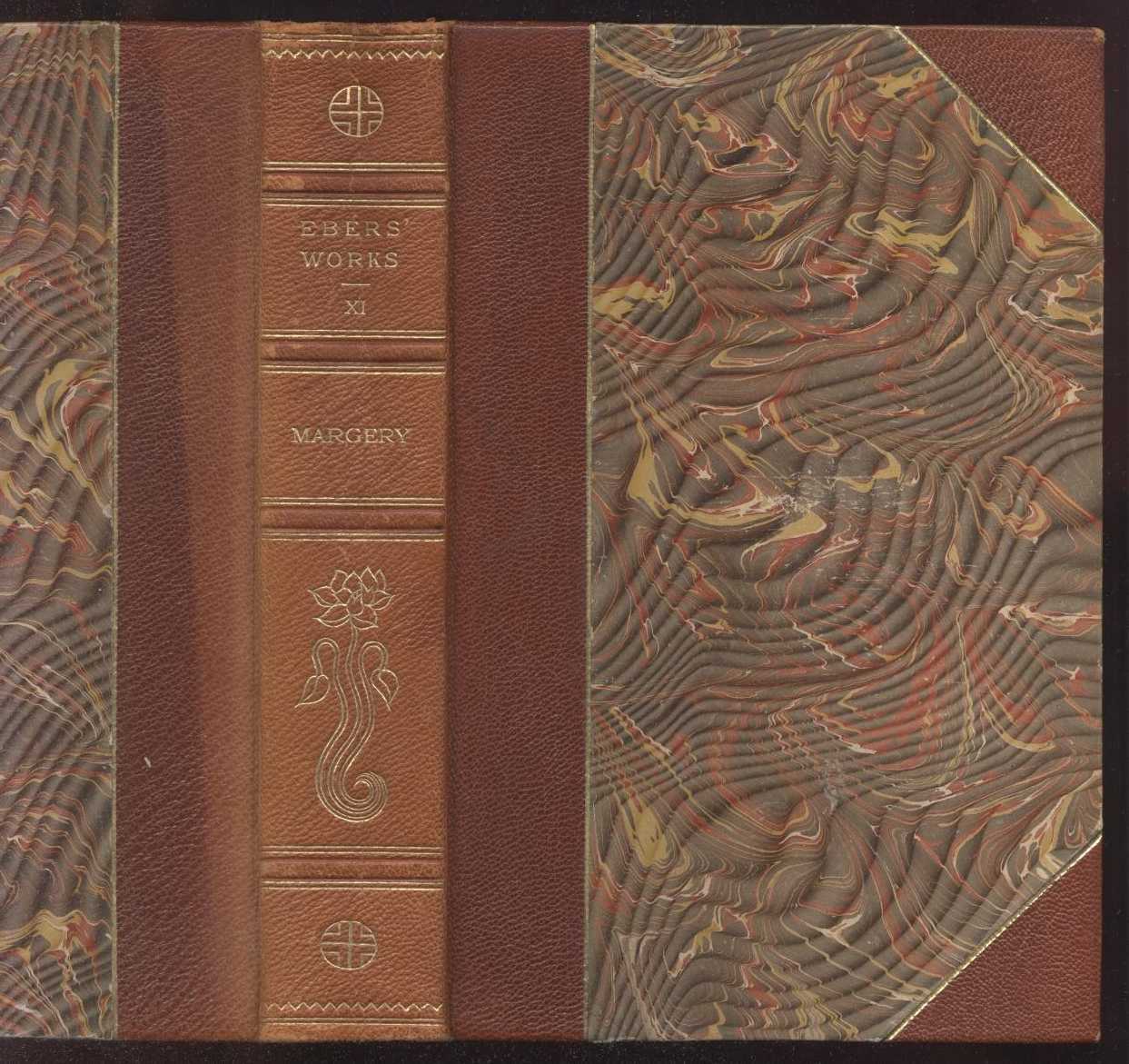
A historical novel written in the late 19th century. The story unfolds in a vivid representation of early Christian society, exploring deep themes of faith, personal struggle, love, and forgiveness. The narrative revolves around characters such as Stephanus and his son Hermas, as well as Paulus, an anchorite who grapples with his past and the trials of his companions. As they confront their inner conflicts and the challenges of their time, they seek a path toward redemption and a deeper understanding of themselves and their beliefs. The opening of the novel introduces us to Stephanus, a sick man contemplatively reflecting on his life and the outcomes of his choices regarding his son Hermas. As he confides in Paulus, they engage in a profound discussion about the essence of egotism, memory, and the guiding principles of their faith. Simultaneously, we are introduced to Sirona, a young woman caught in the turbulence of her own incomplete aspirations and the complexities of her marriage to the centurion Phoebicius. As relationships develop, the atmosphere becomes charged with unfulfilled desires, highlighted by Hermas's innocent admiration for Sirona and Miriam's tumultuous emotions towards both Hermas and her unworthy rival. This intricate web of characters and themes sets the stage for a journey of spiritual awakening and human connection.
Georg Ebers
Jane Austen
Mark Twain

Joseph Conrad
George Gissing
Jean Paul
Gilbert Parker
Benjamin, Earl of Beaconsfield Disraeli


George Manville Fenn
S. Levett Yeats